


Effective Roach Control with Diatomaceous Earth: A Comprehensive Guide
Dealing with a roach infestation can be frustrating and unsanitary. Fortunately, there's a natural and effective solution: diatomaceous earth roach killer. This article will explore how diatomaceous earth (DE) works, its benefits, application methods, and safety considerations. We'll delve into why it’s a preferred choice for many homeowners and pest control professionals seeking a non-toxic alternative. Controlling roaches doesn't have to involve harsh chemicals – discover how DE can provide a sustainable solution.
What is Diatomaceous Earth and How Does it Kill Roaches?
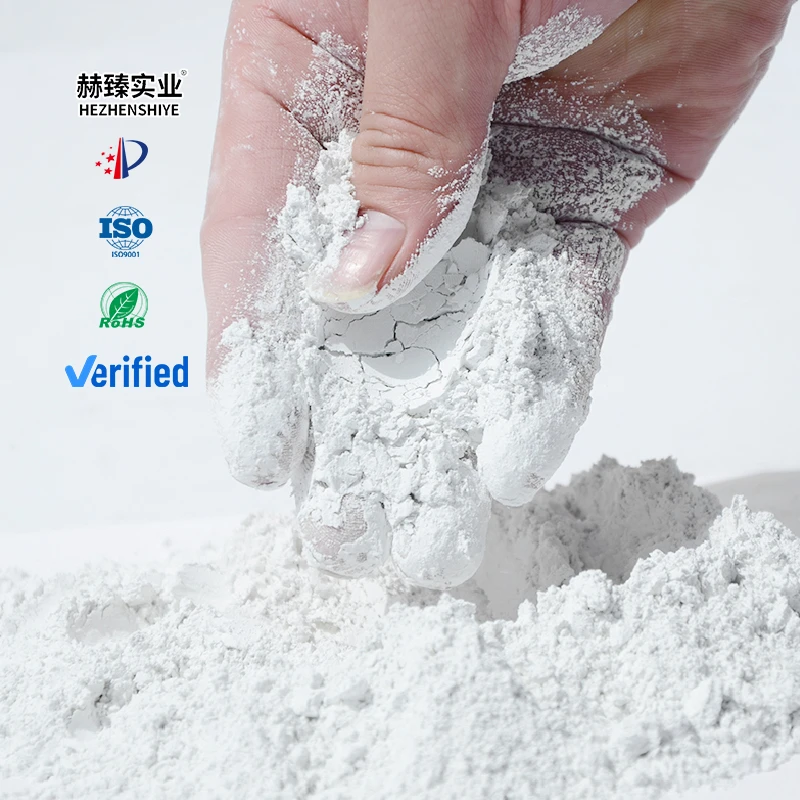
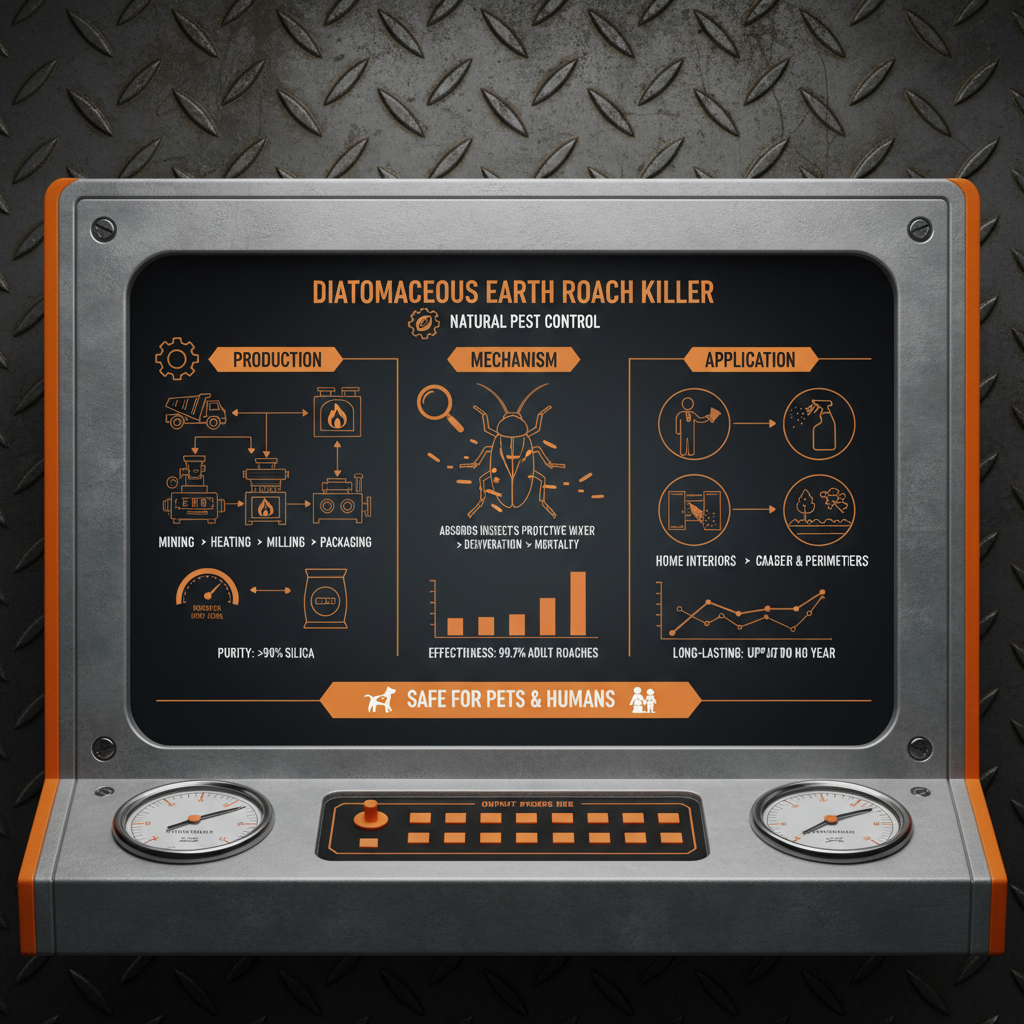
Diatomaceous earth is a naturally occurring, sedimentary rock composed of fossilized remains of diatoms – a type of hard-shelled algae. It's incredibly fine powder that, while harmless to humans and pets when food grade, is deadly to insects. The microscopic particles of DE have sharp edges that damage the waxy coating on a roach's exoskeleton. This leads to dehydration and, ultimately, death. Crucially, it’s a physical killer, not a poison, meaning roaches can’t develop resistance. Diatomaceous earth is effective against all stages of roach life, from nymphs to adults.
Key Highlights: Diatomaceous earth damages the roach’s exoskeleton, leading to dehydration. It's a physical killer, preventing roach resistance, and effective against all life stages.
Understanding Different Types of Diatomaceous Earth
Not all diatomaceous earth is created equal. It’s essential to use food-grade diatomaceous earth for pest control. There are two main types: filter DE and calcined DE. Filter DE is obtained by filtering water through diatom beds and retains its amorphous silica structure, making it more effective against insects. Calcined DE is heated to high temperatures, changing its structure and reducing its effectiveness. Always check the label to ensure you’re purchasing food-grade filter DE for safe and effective roach control. Using the wrong type could be ineffective or even potentially harmful.
Diatomaceous Earth Types:
• Filter DE: Most effective for pest control, amorphous silica structure.
• Calcined DE: Less effective, structure altered by heat.
• Always choose Food-Grade for safety.
Diatomaceous Earth Roach Killer: Application Methods
Applying diatomaceous earth effectively requires strategic placement. Lightly dust areas where roaches travel, such as along baseboards, under sinks, behind appliances, and in cracks and crevices. Avoid creating large piles, as roaches will avoid them. A thin, even layer is most effective. You can use a duster or a small brush to apply the DE. Re-apply after vacuuming or cleaning. Focus on areas with high roach activity and regularly inspect for new activity. For best results, combine DE application with good sanitation practices.
Safety Considerations and Precautions
While diatomaceous earth is non-toxic, it can be an irritant to the lungs and eyes. Always wear a dust mask when applying it, especially in enclosed spaces. Avoid inhaling the powder. If it comes into contact with your eyes, flush thoroughly with water. Keep it out of reach of children and pets. Food-grade DE is safe to use around pets and humans when applied correctly, but avoid allowing them to directly ingest it. Proper ventilation is also recommended during application.
Diatomaceous Earth vs. Chemical Roach Killers
Compared to conventional chemical roach killers, diatomaceous earth offers a safer, more sustainable solution. Chemical pesticides can pose risks to human and pet health, contaminate the environment, and lead to roach resistance. DE, on the other hand, is a natural product that is biodegradable and doesn’t leave harmful residues. While chemical treatments may provide faster results, DE offers a long-term solution without the negative side effects. Consider DE as a responsible and effective alternative for roach control.
Conclusion: A Safe and Effective Roach Control Solution
Using diatomaceous earth roach killer offers a safe, effective, and environmentally friendly way to eliminate roaches. By understanding how it works, choosing the right type, and applying it correctly, you can take control of your roach problem without relying on harmful chemicals. Embrace a natural solution and enjoy a pest-free home!
Frequently Asked Questions (FAQs)
How long does it take for diatomaceous earth to kill roaches?
The time it takes for diatomaceous earth to kill roaches varies depending on the level of infestation and the roach's exposure to the DE. Typically, it takes between 24 to 72 hours for roaches to die after coming into contact with DE. The process isn't instant, as the DE needs to damage the roach's exoskeleton and cause dehydration. Consistent application and strategic placement will yield faster and more effective results. It’s important to remember that DE is a slower-acting, but more sustainable solution compared to chemical pesticides.
Is diatomaceous earth safe for pets?
Yes, food-grade diatomaceous earth is generally considered safe for pets. However, it’s important to avoid allowing your pets to inhale the dust, as it can cause respiratory irritation. Also, avoid allowing them to consume it in large quantities. While it’s not toxic, it can cause mild digestive upset. Apply DE in areas inaccessible to pets or use it sparingly in areas where they frequent, ensuring proper ventilation. Always use food-grade DE, as other types may contain harmful additives.
Will diatomaceous earth work on all types of roaches?
Yes, diatomaceous earth is effective against most common types of roaches, including German roaches, American roaches, and Oriental roaches. The mode of action – damaging the exoskeleton and causing dehydration – affects all roach species. However, larger infestations may require more consistent and thorough application. Combining DE with good sanitation practices, such as eliminating food sources and sealing entry points, will maximize its effectiveness.
How often should I reapply diatomaceous earth?
The frequency of reapplication depends on several factors, including humidity, cleaning habits, and the severity of the infestation. Generally, reapply diatomaceous earth every 7-10 days, or after vacuuming or cleaning the treated areas. If you notice renewed roach activity, reapply sooner. Maintaining a thin, consistent layer of DE is crucial for ongoing control. It's best to make DE application a part of your routine pest prevention strategy.