


Bright, tough, and surprisingly versatile: mica flakes for rock-nail effects and beyond
If you work with gels, resins, or specialty coatings, you’ve probably heard a buzz around Anti-burst natural rock nail mica in bright color. To be honest, I was skeptical at first—mica is mica, right? Actually, not quite. This grade holds its shape under UV curing and impact, delivers show-stopping color travel, and resists those annoying micro-cracks that make finished pieces look tired before their time.
What makes this mica different
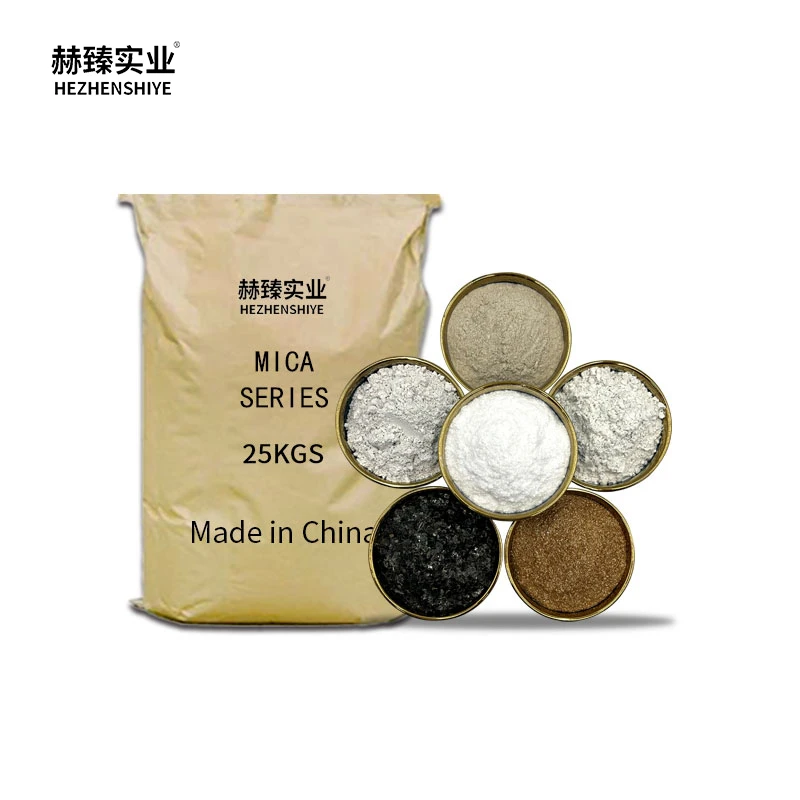
Sourced from No. 8 Xisha East Road, Shikan Village, Ciyu Town, Lingshou County, Shijiazhuang, Hebei—an old-school mineral hub—the flakes are selectively cleaved to keep a high aspect ratio. In practice, that geometry gives brilliant plate-like sparkle and better barrier strength, which is where the “anti-burst” behavior comes from: more elasticity and fewer brittle edges under mechanical or thermal stress. Many customers say the colors—deep blues, greens, radiant golds and silvers—pop even in thin films.
Where it’s being used right now
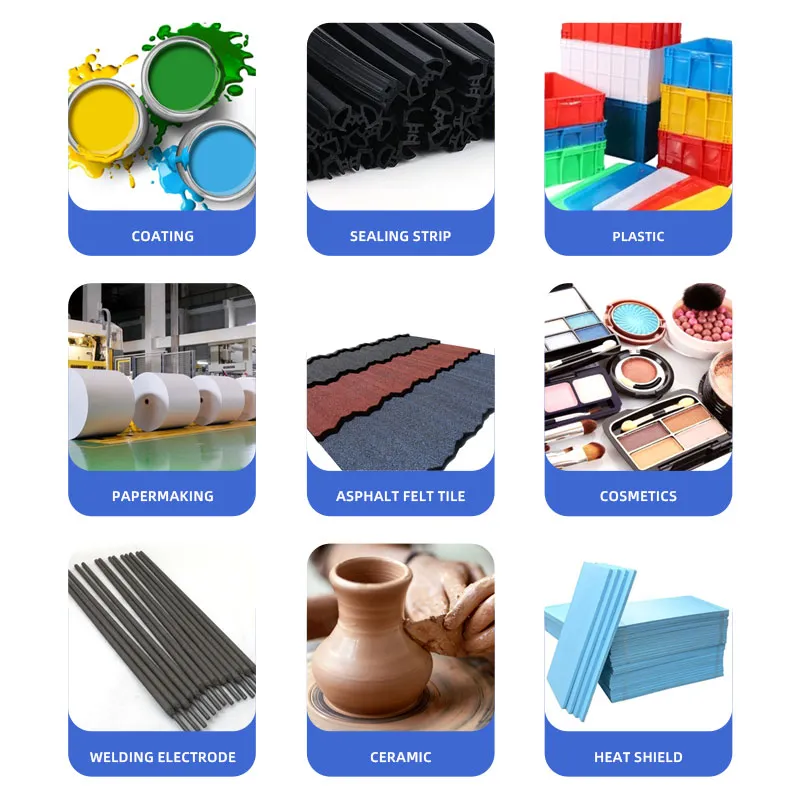
- Nail gels and “rock nail” effects in salons (UV/LED cured).
- Cosmetics: eye shadows, body shimmer, lip toppers (with cosmetic-grade variants).
- Architectural and marine coatings for pearlescent or stone-like finishes.
- Epoxy terrazzo, countertops, jewelry, and craft resins.
- Automotive interior trims and instrument panel accents.
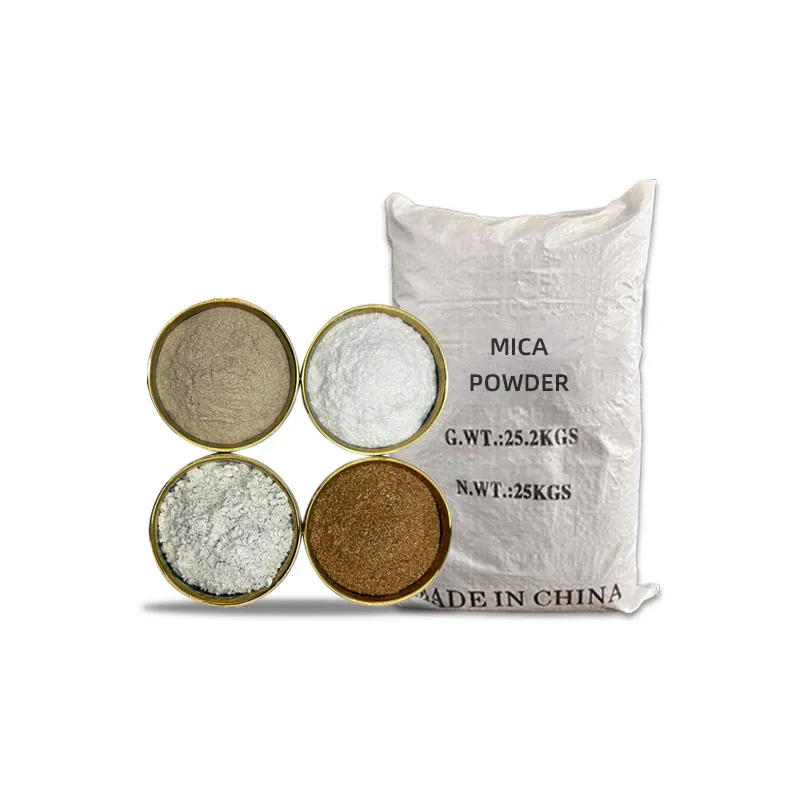
Technical snapshot (specs at a glance)
| Appearance | Bright, high-luster mica flakes; multiple hues |
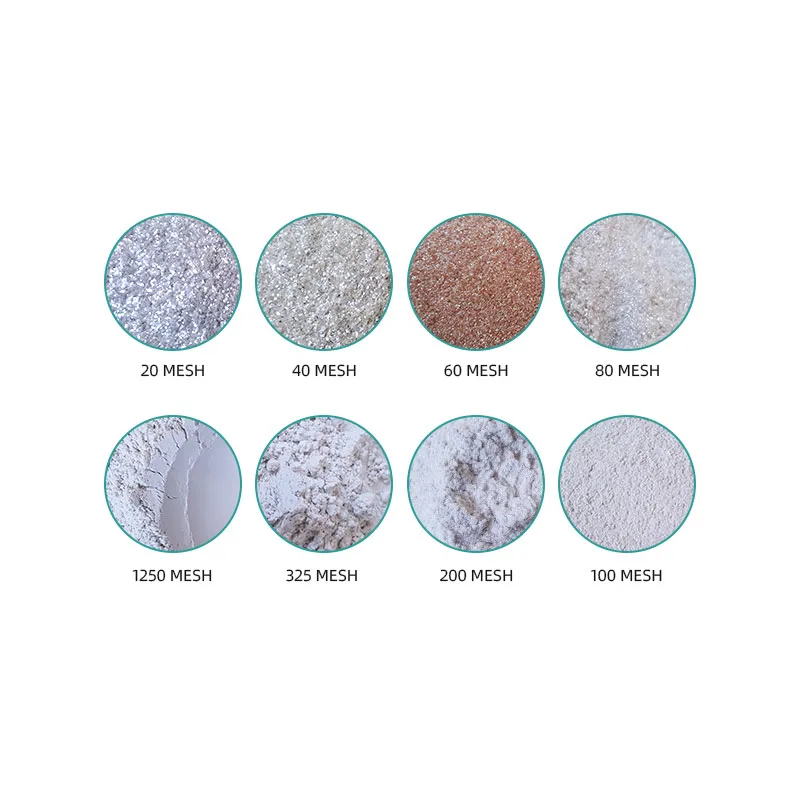
| Particle size (D50) | ≈ 30–180 μm (custom cuts available) |
| Aspect ratio | ≈ 40:1 to 120:1 (real-world use may vary) |
| Moisture (ISO 787-2) | ≤ 0.5% |
| Oil absorption (ISO 787-5) | ≈ 30–45 g/100 g |
| pH (ISO 787-9) | 6.5–8.5 (aqueous slurry) |
| Heat resistance | Up to ≈ 800°C substrate stability |
| Heavy metals | Meets typical cosmetic limits; test on batch |
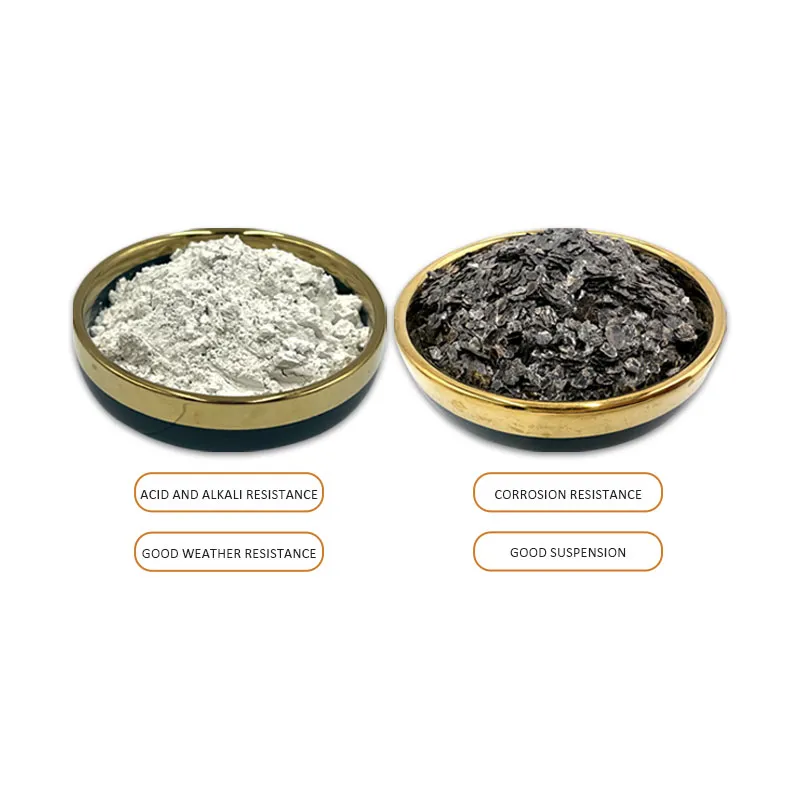
Process flow and quality checks
Materials: natural sheet mica → cleavage and grading → magnetic/density purification → color coating (e.g., TiO2, Fe2O3) → optional silane surface treatment → dust control → packaging.
Testing methods: ISO 787 series (moisture, pH, residues), HG/T 2955 for mica in coatings, particle size by laser diffraction, color metrics by CIE Lab, and accelerated film stress tests for “anti-burst” (cross-hatch, mandrel bend, impact).
Typical service life: nail gels 3–5 weeks wear; coatings 5–10 years depending on binder and UV exposure; epoxy crafts long-term indoor stability. Certifications available on request: REACH, RoHS, and cosmetic GMP documentation for cosmetic grades.
Why brands choose it (advantages)
- Anti-burst performance: resists micro-cracking during UV/LED curing and buffing.
- High chroma and clean sparkle; low gray cast even in darker shades.
- Good barrier effect in coatings; helps scuff resistance a bit—nice bonus.
- Stable in epoxy, acrylates, PU, and nitrocellulose; low moisture pick-up.
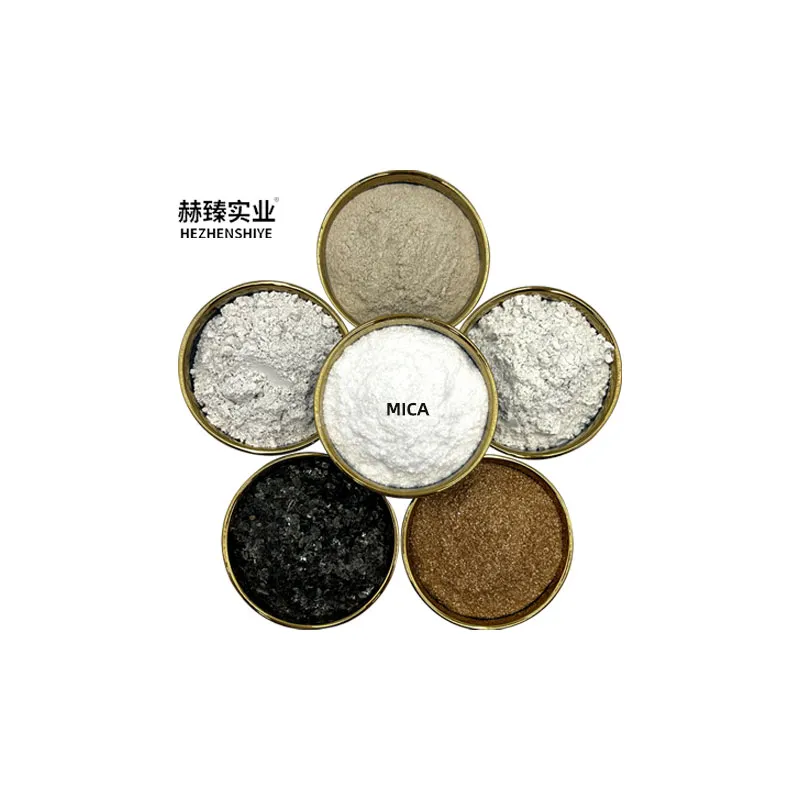
Vendor comparison (quick reality check)
| Vendor | Strengths | Considerations |
|---|---|---|
| Hezhenshiye (Hebei, CN) | Direct mine sourcing, stable batches, broad color deck, custom cuts | MOQs apply; lead times peak during holiday runs |
| Trader A | Flexible small orders; multi-brand palette | Batch-to-batch color drift reported by some buyers |
| Boutique Lab B | Niche hues and interference effects | Higher price; longer customization cycles |
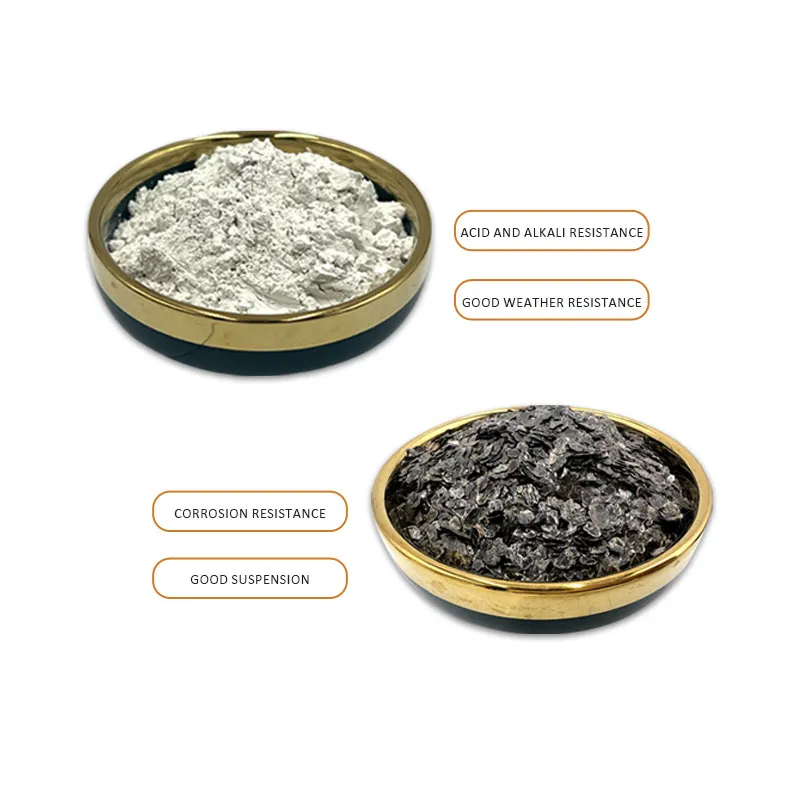
Customization, application tips, and field notes
Custom options: particle size cuts, interference coatings, hydrophobic or silane treatments, and pre-dispersions for UV gels. For nail pros, I’d layer Anti-burst natural rock nail mica in bright color between clear and tinted coats; flash-cure thinly to keep platelets flat. For resin artists, warm your resin slightly (not hot) to lower viscosity so flakes align—a small move that boosts luster.
Case studies: a salon chain in Guangzhou reported 22% fewer chip complaints over 6 weeks after switching. A boutique terrazzo maker in Sydney got smoother trowel-out and less surface pinholing—likely due to lower entrapped air around the flakes.
Test data (typical): cross-hatch adhesion GT0–1; reverse impact ≥ 500 g·cm without flake fracturing; UV stability ΔE ≤ 1.2 after 72 h UVA-340 (coating system dependent). Again, real results vary with binder.
Origin and availability
Origin: No. 8 Xisha East Road, Shikan Village, Ciyu Town, Lingshou County, Shijiazhuang City, Hebei Province. Logistics are straightforward; export docs and REACH preregistration paperwork available. If you need a compliance pack for cosmetics, request the COA plus heavy-metal panel.
Bottom line? Anti-burst natural rock nail mica in bright color suits pros who want vivid sparkle that holds up under real use—less cracking, more wow.
References
- ISO 787 Series – General methods of test for pigments and extenders. https://www.iso.org
- HG/T 2955 – Mica for coatings (China Chemical Industry Standard). https://std.samr.gov.cn
- Regulation (EC) No 1223/2009 – Cosmetic products regulation (EU). https://eur-lex.europa.eu
- REACH Regulation (EC) No 1907/2006 – Registration, Evaluation, Authorisation and Restriction of Chemicals. https://echa.europa.eu
- ASTM D3359 – Standard Test Methods for Rating Adhesion by Tape Test. https://www.astm.org
- ASTM G154 – Standard Practice for Operating Fluorescent UV Lamp Apparatus for Exposure of Nonmetallic Materials. https://www.astm.org