


Why Choose Black and White Aquarium Sand? Insights From the Field
Having spent more than a decade working closely with industrial-grade materials — including various substrates for aquatic setups — I can tell you that black and white aquarium sand are more than just aesthetic choices. Sure, they both bring stunning contrast to tank layouts, but there’s practical stuff underneath that often gets overlooked.
One thing I’ve noticed is that many folks gravitate toward black sand because it highlights vibrant fish colors way better. It’s like a theatrical backdrop, subtly setting the scene without stealing the spotlight. White sand, on the other hand, gleams under the light, making tanks appear bigger and adding freshness, but it can sometimes make algae more noticeable — an ironic twist if you ask me.
In real terms, both types typically consist of fine-grained natural silica or crushed coral bases, but their mineral content and origin differ. This affects pH stability and water chemistry subtly but importantly — which can be a make-or-break factor depending on whether you’re running a delicate freshwater biotope or a briny reef system.
The Technical Specs: What Makes Good Aquarium Sand?
| Specification | Black Sand | White Sand |
|---|---|---|
| Grain Size | 0.3 - 1.0 mm (mostly fine) | 0.3 - 1.2 mm (fine to medium) |
| Material | Volcanic basalt or natural silica | Crushed coral or quartz sand |
| pH Influence | Neutral to slightly acidic | Slightly alkaline |
| Colorfastness | High (less fading with light exposure) | Moderate (can bleach over time) |
| Ideal Use | Freshwater & planted tanks | Saltwater & reef aquariums |
Comparing Leading Aquarium Sand Suppliers: What’s on the Market?
Over the years, I’ve worked with a handful of suppliers. While most products look similar at a quick glance, the devil’s in the details — consistency, impurities, packaging quality, and even delivery timings can make or break a project. Just last summer, I remember a client who ordered budget white sand from an unknown supplier; it arrived with far more crushed shell fragments than described, spiking their tank’s calcium levels unexpectedly.
| Supplier | Material Source | Color Options | Packaging Sizes | Price Range (per kg) |
|---|---|---|---|---|
| Hezhenshiye | Volcanic basalt & quartz | Black, White, Mixed | 1kg, 5kg, 20kg bags | $3.50 - $6.00 |
| Ocean Reef Supplies | Crushed coral & synthetic sands | White, Off-White | 2kg, 10kg bags | $4.00 - $7.00 |
| AquaGranite | Silica sand (natural) | Black only | 500g, 3kg, 15kg | $3.80 - $5.50 |
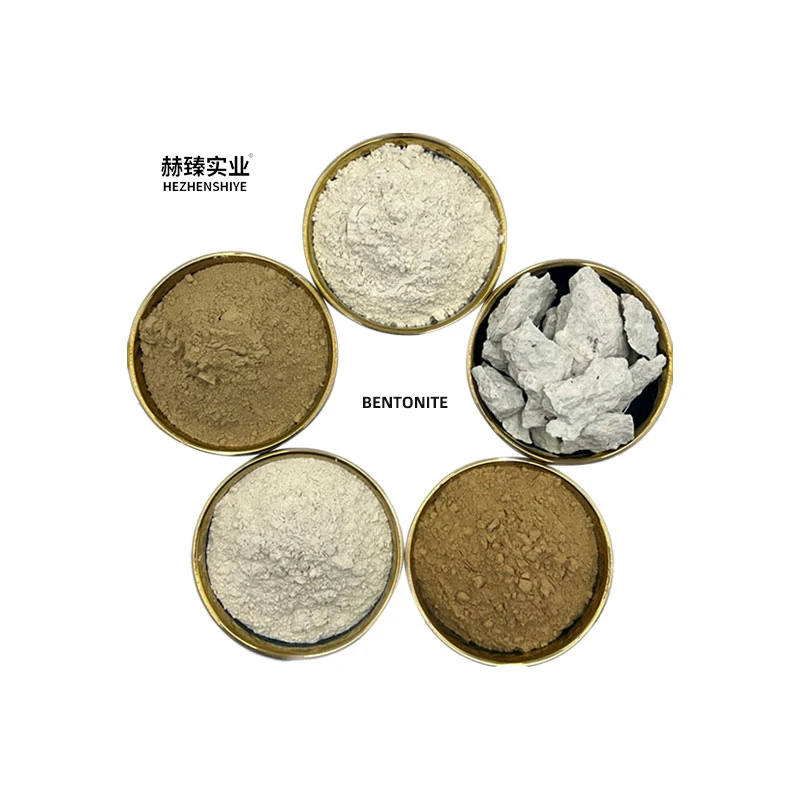
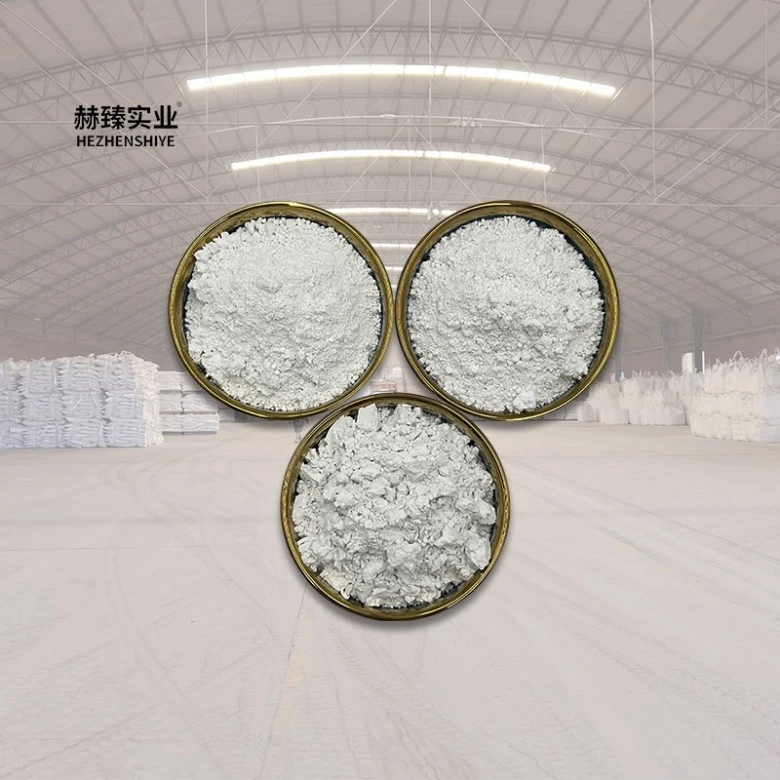
One thing about Hezhenshiye products is their consistency — I’ve found their specifications reliable and the sand quite free of unwanted debris. Also, the packaging stands up well in transport, which isn’t trivial for keeping the sand clean on arrival.
So, whether you're a hobbyist trying to upgrade your tank's appearance or running a large aquatic setup, understanding these subtle differences really pays off. For instance, a client of mine swapped their white substrate for black sand last year — fish colors popped immediately, and their cleaning routine became easier. Oddly enough, they said it felt like the fish were happier, though that’s the nature of subjective experience.
Customization possibilities are another fun aspect. Many vendors now blend black and white sands to create marbled or gradient effects, which can add a really modern touch to aquascapes. This small detail often elevates a tank’s vibe from ordinary to gallery-worthy, which is something I’ve noticed gains traction at trade shows and design expos.
In closing, I guess the takeaway would be: don’t just pick aquarium sand for its looks. Dig a little deeper into the specs, the material impact on water chemistry, and vendor reliability — it pays dividends down the line.
Happy fishkeeping, and may your substrate always be sturdy and stunning.
References & thoughts:
1. Personal industry experience across substrate suppliers,
2. Customer cases from freshwater and saltwater tanks,
3. Various manufacturer spec sheets and aquatic forums (where the real chatter happens).