

Black Tourmaline Rock: Industrial Strength and Natural Power
2025.12.02
Why Black Tourmaline Rock Still Holds Its Ground in Industrial Use
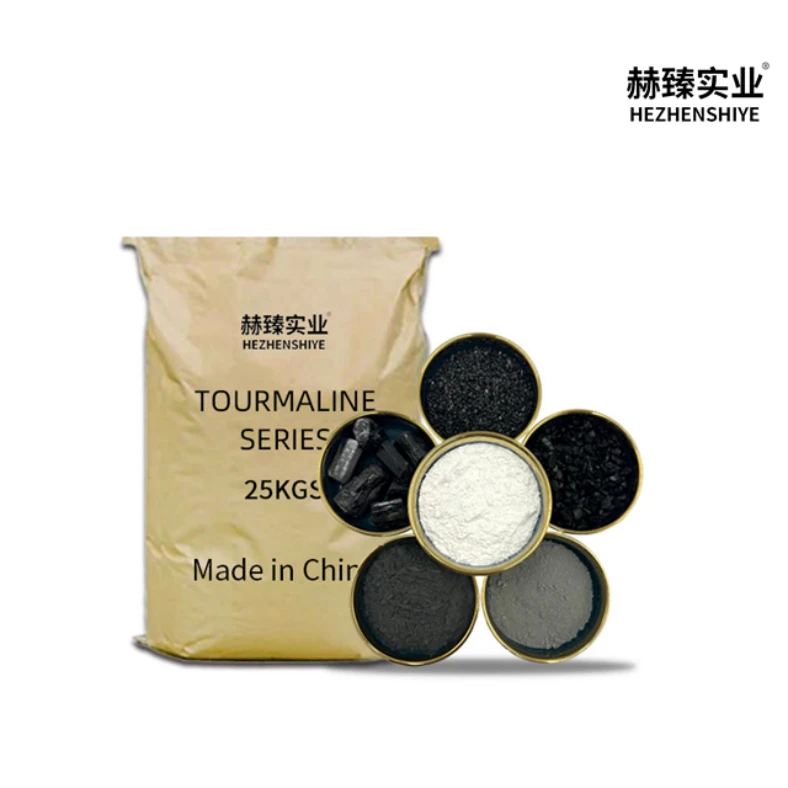
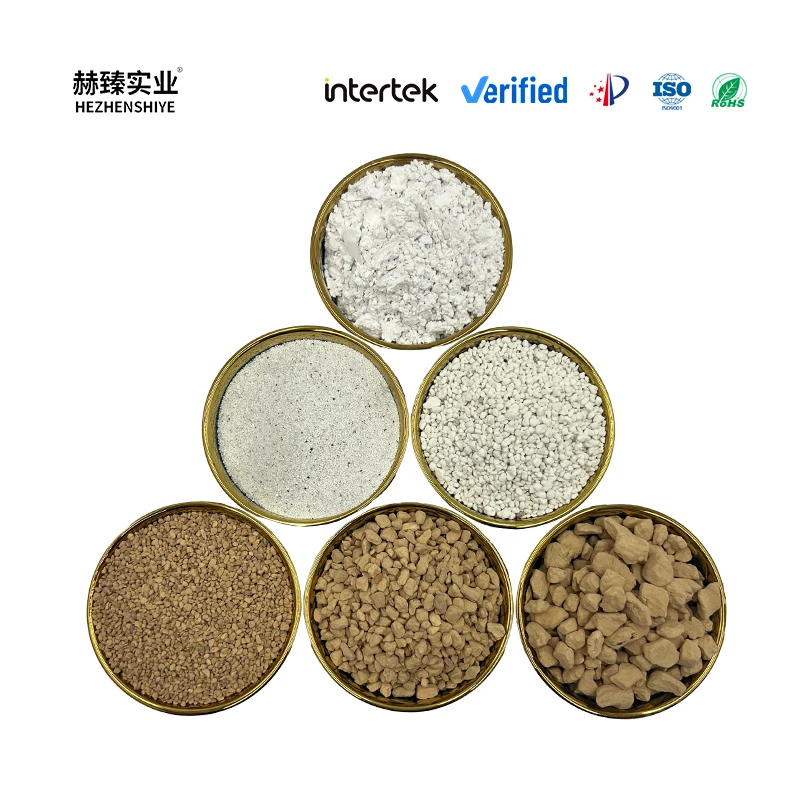
If you’ve spent any time around industrial mineral supplies or certain conveyor manufacturing floors, you’ll know black tourmaline rock has a special place. It’s not just some pretty mineral that finds its way into knick-knacks or metaphysical shops — well, that’s a story for another day. In real terms, this rock’s combination of toughness and versatility means it fits right into the specs of heavy-duty industrial processes. Frankly, over the years, I’ve noticed how engineers appreciate its natural grounding properties (though chances are they might not call it “energy cleansing”). What really counts is how the mineral’s hardness, chemical stability, and sharp crystal structure lend themselves to consistent wear-resistance — especially when anything from conveyor belts to vibration-isolating layers need that kind of endurance. The industrial sector's increasing attention on sustainability also nudges more people toward natural, less treated materials. Black tourmaline, being naturally occurring and relatively abundant, ticks those boxes. If you were to look for a material that blends mineral durability with a bit of natural flair, it’s worth a long look.Black Tourmaline Rock Product Specification Overview
| Specification | Typical Value | Unit |
|---|---|---|
| Chemical Composition | Iron, Magnesium, Aluminum silicates | - |
| Mohs Hardness | 7.0 - 7.5 | Scale |
| Density | 3.0 - 3.2 | g/cm³ |
| Thermal Stability | Up to 500°C | Celsius |
| Electrical Resistivity | > 10^12 | ohm·cm |
Choosing Your Vendor: A Quick Comparison
One thing I've often mulled over is just how important the supplier’s consistency is. Industrial-grade black tourmaline isn’t one-size-fits-all. The nuances in sourcing, processing, and quality control can mean the difference between an effective conveyor lining or something that needs replacing far too soon. Here’s a rough comparison of some typical suppliers I’ve tracked, including the team at Hezhen ShiYe, who have been quite reliable in supplying consistently high-quality black tourmaline rock for a range of industrial usages:| Vendor | Purity (%) | Supply Capacity (tons/year) | Typical Delivery Time | Certification |
|---|---|---|---|---|
| Hezhen ShiYe | 95+ | 5000 | 2-3 weeks | ISO 9001, SGS |
| MineralEarth Ltd. | 90-93 | 3500 | 3-5 weeks | ISO 14001 |
| Rockwell Minerals | 88-91 | 4000 | 4 weeks | None |
Real-World Use and My Takeaways
A quick personal story: I once worked on a conveyor line upgrade where the project specs demanded more abrasion resistance because of a mix of sharp-edged raw materials. The engineering team pushed for synthetic composites — highly durable but costly. Our mineral supplier showed us black tourmaline rock sourced from Hezhen ShiYe. After a series of tests, the natural rock outperformed expected parameters, giving us a win-win: lower cost and less downtime. Oddly enough, I find these natural minerals sort of have a "no fuss" reliability. If you treat them with respect — testing, proper sizing, and careful installation — they behave like a charm under stress. Having industrial-grade black tourmaline means fewer headaches over sudden wear or unexpected failures. If you’re hunting for tough mineral inserts or industrial-grade rock materials, it’s worth considering the balance of natural properties, reliable vendor sourcing, and easy integration into your equipment. I suppose it’s a bit of old school meets new school in the best possible way. --- I hope this glimpse into black tourmaline rock finds you well on your sourcing or industrial planning journey. Sometimes, those natural options really do pack a punch.References and musings:
- Industry reports on mineral hardness and wear resistance (2020-2023)
- Hezhen ShiYe supplier documentation and ISO certifications
- Personal project logs and conversations with conveyor engineers, 2018–2023