


Introduction to Advanced Mica-Based Fillers
In the realm of advanced material science, the strategic integration of specialized fillers plays a pivotal role in enhancing the performance characteristics of diverse industrial and consumer products. Among these, Ceramic-grade mica powder and synthetic mica sheets are used for filling in paints coatings plastics rubber and cosmetics, offering a unique combination of physical and chemical properties that are indispensable for achieving superior end-product quality and durability. These materials are highly valued for their exceptional thermal stability, electrical insulation, chemical inertness, and mechanical strength, making them critical components across a spectrum of demanding applications. This detailed exposition explores the manufacturing intricacies, technical advantages, and comprehensive application scope of these versatile mica products, tailored for B2B decision-makers and technical professionals.
Current Industry Trends and Market Dynamics
The global market for mica-based fillers is experiencing robust growth, driven by increasing demand for high-performance materials in emerging economies and the escalating need for sustainable and efficient solutions. Recent market analyses indicate a Compound Annual Growth Rate (CAGR) of approximately 4.5% for industrial minerals used in paints, coatings, and plastics, with mica playing a significant role. Key trends include a heightened focus on eco-friendly formulations, necessitating inert and non-toxic fillers, and the continuous innovation in polymer composites requiring enhanced mechanical and thermal properties. The versatility of Ceramic-grade mica powder and synthetic mica sheets are used for filling in paints coatings plastics rubber and cosmetics positions them at the forefront of these industry shifts, responding to rigorous performance requirements and regulatory standards. The demand for synthetic mica, in particular, is rising due to its consistent purity, controlled particle size distribution, and superior thermal characteristics compared to natural mica, addressing supply chain stability concerns and performance variability.
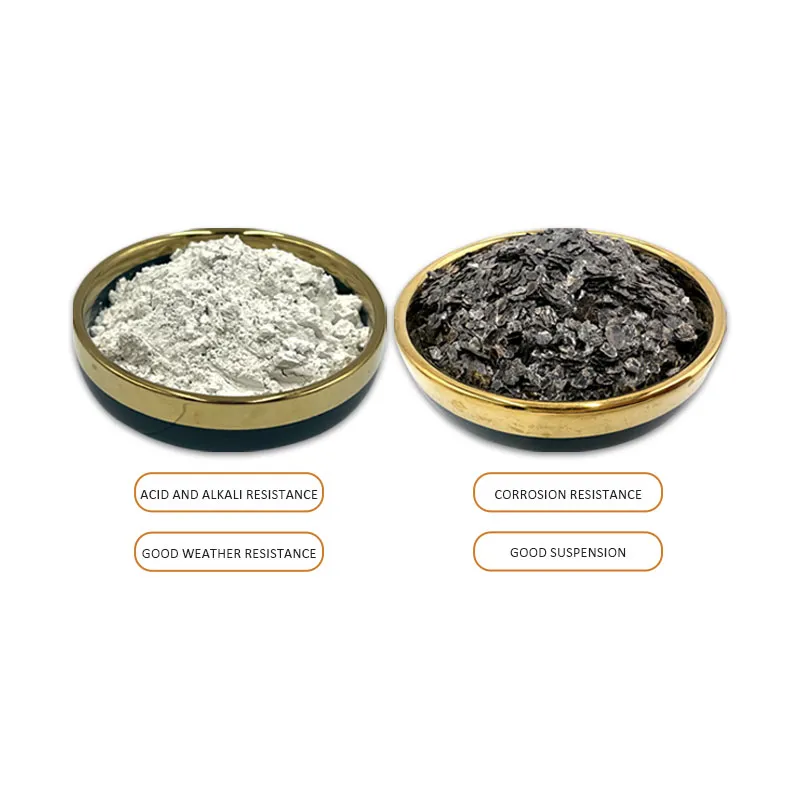
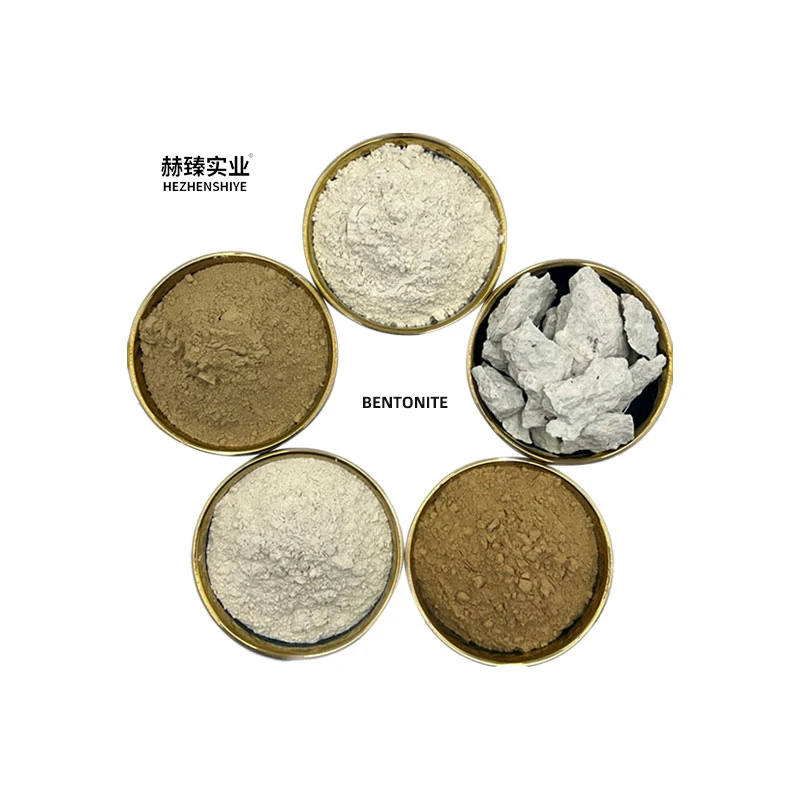
Illustration: Industrial application of advanced mica products in specialized coatings.
Technical Specifications and Material Properties
The efficacy of ceramic-grade mica powder and synthetic mica sheets is rooted in their distinct technical specifications and inherent material properties. Mica, a phyllosilicate mineral, is characterized by its lamellar structure, providing excellent delamination capabilities. Synthetic mica, typically fluorophlogopite, replicates and often surpasses these properties, offering enhanced thermal stability, chemical purity, and mechanical consistency.
Key Specifications for Mica-Based Fillers:
| Parameter | Ceramic-Grade Mica Powder (Typical) | Synthetic Mica Sheets (Typical) |
|---|---|---|
| Chemical Formula | KAl2(AlSi3O10)(OH)2 (Muscovite) | KMg3(AlSi3O10)F2 (Fluorophlogopite) |
| Specific Gravity | 2.8 – 3.0 g/cm³ | 2.8 g/cm³ |
| Mohs Hardness | 2.8 – 3.2 | 2.5 – 3.0 |
| Thermal Stability (Max Temp) | ~600 °C | ~1200 °C |
| Dielectric Strength (1mm) | ~80-120 kV/mm | ~150-200 kV/mm |
| Average Particle Size (Powder) | 5-200 microns (customizable) | N/A (sheet form) |
| Aspect Ratio (Powder) | Typically >20:1 | N/A (sheet form) |
| Volume Resistivity | >1014 ohm·cm | >1016 ohm·cm |
The high aspect ratio of mica powder particles provides superior reinforcement and barrier properties in polymeric matrices, while the exceptional thermal and electrical insulation of synthetic mica sheets makes them ideal for high-temperature and high-voltage applications. Both materials conform to stringent international standards, including ISO 9001 for quality management and relevant ASTM specifications for material testing.
Manufacturing Process Flow and Quality Control
The production of high-quality Ceramic-grade mica powder and synthetic mica sheets are used for filling in paints coatings plastics rubber and cosmetics involves sophisticated processes designed to ensure purity, consistency, and optimal functional properties. Our manufacturing adheres strictly to ISO 9001:2015 certified protocols, guaranteeing product excellence and traceability.
Process Flow for Ceramic-Grade Mica Powder:
- Raw Material Sourcing/Preparation: High-purity natural muscovite or phlogopite mica ore is carefully selected. For synthetic variants, precise blends of oxides (e.g., K₂O, MgO, Al₂O₃, SiO₂, F) are prepared.
- Crushing and Grinding: The raw mica is subjected to multi-stage crushing, followed by finely controlled grinding. Wet grinding (micronization) is often employed to achieve finer particle sizes and maintain lamellar integrity, minimizing damage to the aspect ratio.
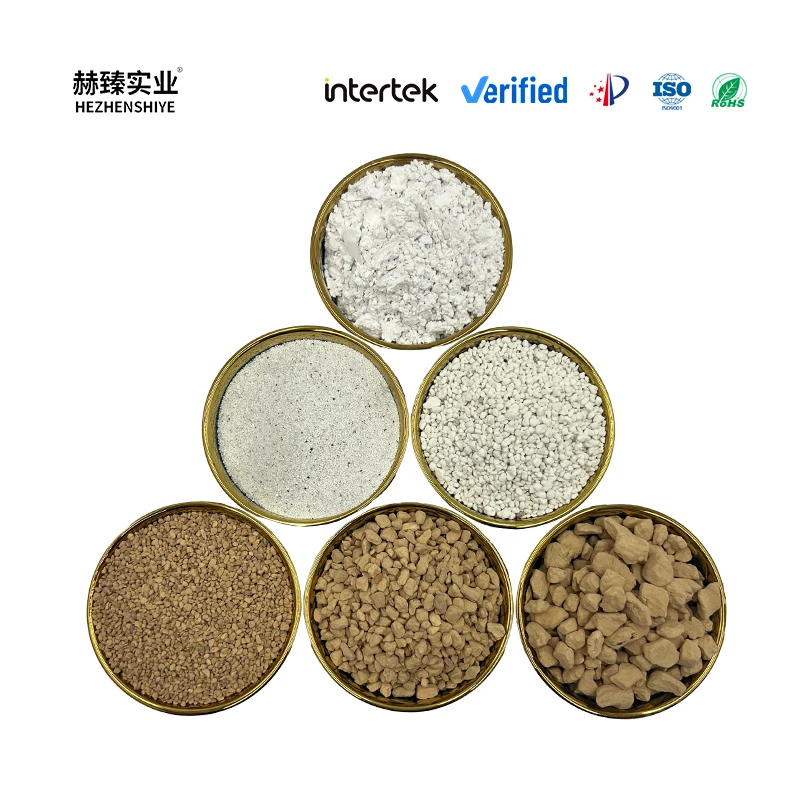
- Classification: Advanced air classifiers or sieving techniques precisely separate mica particles into specific size fractions (e.g., 200 mesh, 325 mesh, 600 mesh, 1250 mesh, 2500 mesh), meeting ceramic-grade specifications for consistent particle distribution.
- Washing and Purification: Impurities are removed through rigorous washing, de-ironing, and flotation processes to ensure high purity and brightness critical for ceramic and cosmetic applications.
- Drying and Surface Treatment: The purified mica powder is dried to a specified moisture content. Optional surface treatments (e.g., silane coupling agents) are applied to enhance dispersibility and adhesion with various polymer matrices.
- Quality Control and Packaging: Each batch undergoes stringent quality checks including particle size analysis (laser diffraction), whiteness, specific gravity, moisture content, and chemical composition (XRF/XRD). Packaged in moisture-resistant bags or bulk container111s.
Process Flow for Synthetic Mica Sheets:
- Synthetic Mica Crystal Growth: High-purity raw materials (e.g., quartz sand, alumina, magnesia, potassium fluoride) are melted in an electric furnace at extremely high temperatures (around 1400°C - 1500°C) and then cooled under controlled conditions to grow large synthetic fluorophlogopite mica crystals.
- Mica Flake Processing: The grown crystals are carefully delaminated into thin flakes, often through mechanical or thermal shocking methods.
- Mica Paper Formation: These flakes are then processed into mica paper using specialized wet-laying techniques, similar to paper manufacturing, where a slurry of mica flakes is filtered and dried to form a continuous sheet.
- Lamination and Hot Pressing: Multiple layers of mica paper are impregnated with high-temperature resistant binders (e.g., silicone resins) and then hot-pressed under immense pressure and temperature. This process, analogous to forging, creates a dense, void-free, and dimensionally stable sheet.
- Curing and Machining: The sheets are cured to stabilize the binder. Subsequently, they can undergo various machining processes (e.g., CNC cutting, punching, drilling) to produce custom shapes and dimensions as per client specifications.
- Final Testing and Inspection: Comprehensive testing includes dielectric strength (ASTM D149), thermal conductivity (ASTM C518), tensile strength (ASTM D638), and dimensional stability. Products are inspected for surface defects and thickness uniformity.
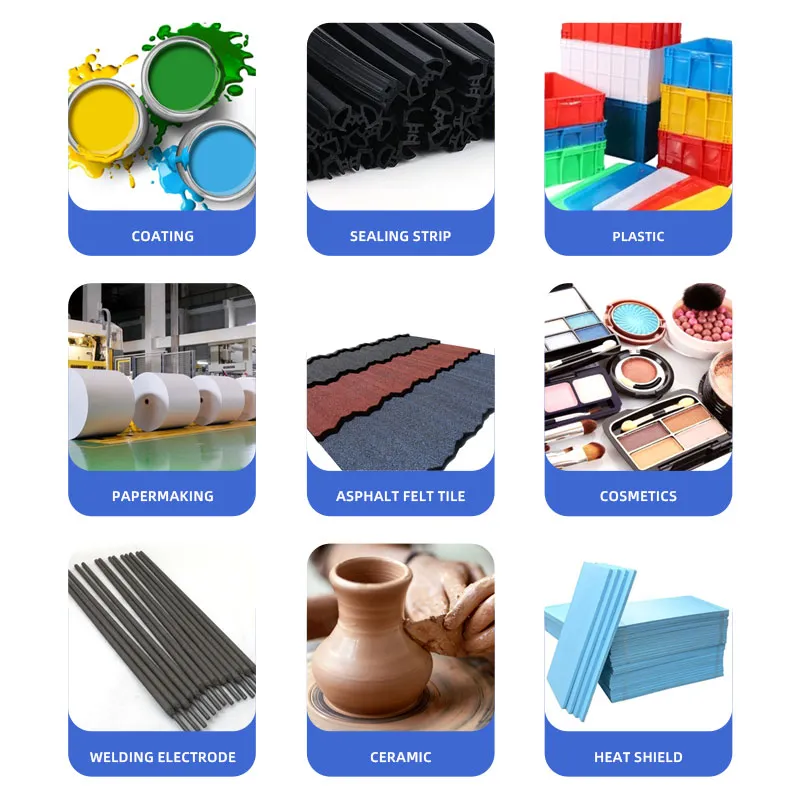
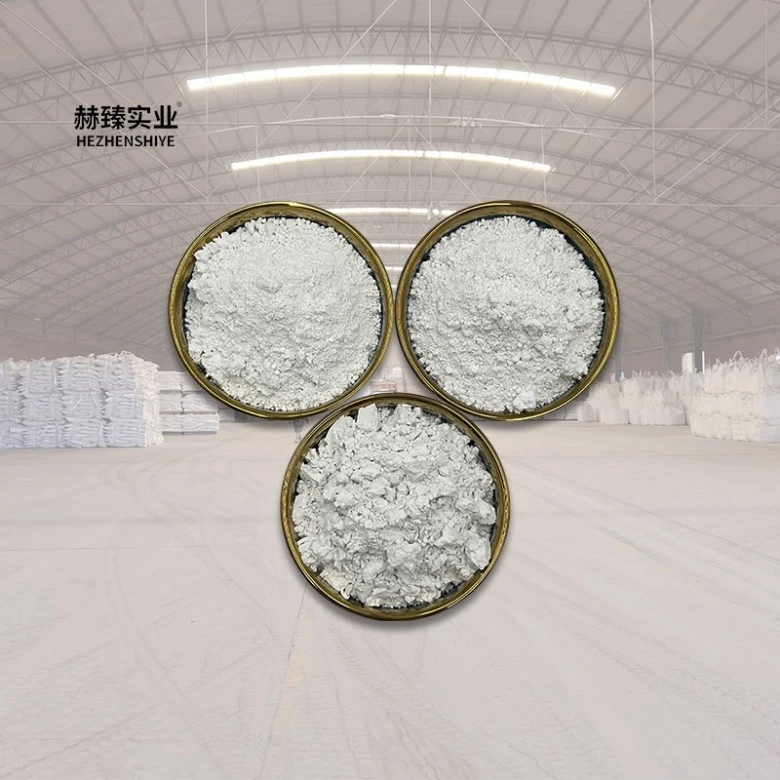
Illustration: State-of-the-art facilities for mica processing and quality assurance.
Our dedication to stringent testing standards, including ISO and relevant ANSI/ASTM protocols, ensures that the service life and performance consistency of our mica products meet and often exceed the demanding requirements of target industries such as petrochemicals, metallurgy, and water supply & drainage. The meticulous control over each stage of manufacturing results in materials offering advantages like enhanced energy saving through insulation and superior corrosion resistance in harsh environments.
Diverse Application Scenarios and Target Industries
The unparalleled properties of ceramic-grade mica powder and synthetic mica sheets make them indispensable across a wide array of industrial applications. Their ability to enhance functional performance contributes significantly to product longevity and efficiency.
Key Application Sectors:
- Paints & Coatings: Mica powder serves as an excellent functional filler in paints and coatings, enhancing weatherability, crack resistance, and barrier properties. Its platy structure creates a tortuous path for moisture and corrosive agents, improving corrosion resistance in industrial coatings and marine paints. It also imparts an elegant pearlescent luster in decorative paints.
- Plastics: Incorporated into thermoplastics and thermosets, mica significantly improves mechanical properties such as flexural modulus, tensile strength, and heat deflection temperature. It also reduces shrinkage and warping, making it ideal for automotive components, electrical insulation parts, and high-temperature engineering plastics. The high aspect ratio reduces gas permeability, enhancing barrier functions in packaging.
- Rubber: In rubber compounds, mica powder improves stiffness, dimensional stability, and reduces gas permeability. It enhances tear strength and abrasion resistance, finding use in automotive tires, industrial belts, and seals.
- Cosmetics: Due to its natural sheen, smooth texture, and inertness, fine mica powder is a fundamental ingredient in cosmetics. It provides shimmer in eyeshadows, foundation, and lipsticks, acts as a filler, and enhances spreadability without irritation.
- Ceramics: As a ceramic-grade filler, mica improves the thermal shock resistance and dimensional stability of ceramic bodies, especially in refractories and high-temperature insulators.
- Electronics and Electrical Insulation: Synthetic mica sheets, with their superior dielectric strength and high thermal resistance, are critical in manufacturing capacitors, high-voltage insulation, heating elements, and as thermal barriers in consumer electronics, automotive power components, and industrial furnaces. Their stable performance at extreme temperatures ensures long service life and reliable operation.
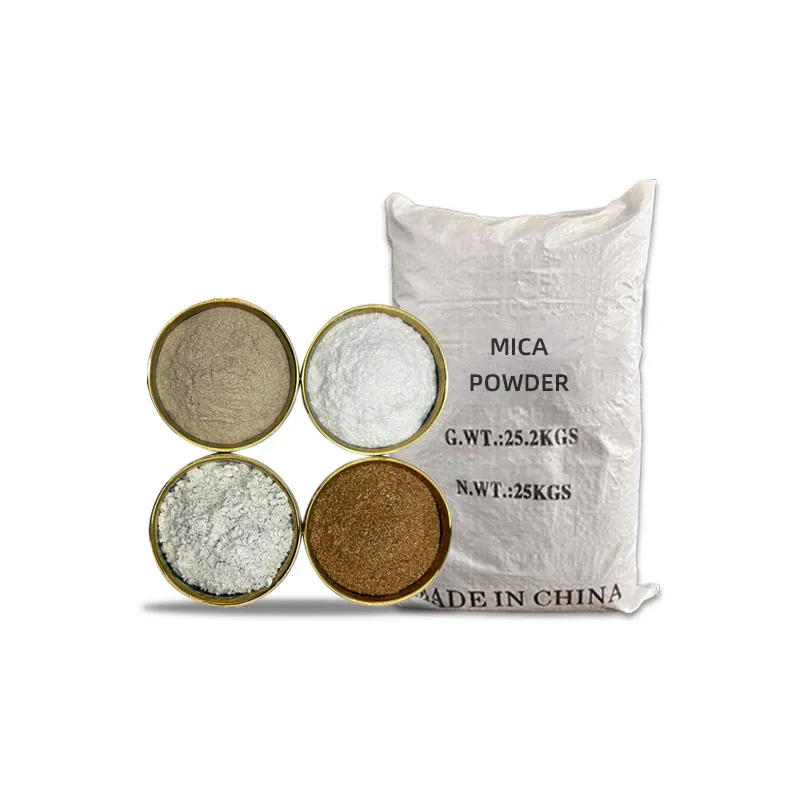
Illustration: Diverse applications highlighting the versatility of mica in various industries.
Target Industries and Specific Advantages:
Our products serve critical functions across several core industrial sectors:
- Petrochemical: In this sector, corrosion resistance is paramount. Mica-filled coatings protect pipelines, storage tanks, and structural steel from aggressive chemicals and harsh environmental conditions, significantly extending asset life and reducing maintenance costs.
- Metallurgy: High-temperature stability and electrical insulation properties are crucial. Synthetic mica sheets are used in induction furnaces, electric arc furnaces, and other high-temperature metallurgical processes as reliable insulation and protection against thermal runaway.
- Water Supply & Drainage: For piping and infrastructure, durable and corrosion-resistant coatings are essential. Mica powders enhance the impermeability and mechanical strength of protective linings, ensuring system integrity and energy saving through reduced leakage and degradation.
Technical Advantages and Performance Enhancements
The incorporation of Ceramic-grade mica powder and synthetic mica sheets are used for filling in paints coatings plastics rubber and cosmetics delivers a multitude of technical advantages that translate into significant performance enhancements for end products.
- Enhanced Mechanical Properties: Due to their lamellar structure and high aspect ratio, mica particles provide excellent reinforcement, increasing flexural strength, tensile strength, and modulus in polymer composites. They effectively bridge cracks, preventing propagation and improving impact resistance.
- Superior Thermal Stability: Both natural and synthetic mica exhibit high decomposition temperatures. Synthetic mica, especially fluorophlogopite, can withstand temperatures up to 1200°C, making it ideal for extreme thermal environments where other materials would fail. This property is critical for components in furnaces, heating elements, and high-temperature electrical insulation.
- Exceptional Electrical Insulation: Mica possesses outstanding dielectric strength and low dielectric loss, making it an excellent insulator. Synthetic mica, being free of impurities found in natural mica, offers even greater and more consistent electrical insulating properties, crucial for high-voltage and high-frequency applications.
- Barrier Properties and Corrosion Resistance: The platy structure of mica creates a tortuous path for gas and liquid permeation. This significantly enhances the barrier properties of coatings and plastics against moisture, oxygen, and corrosive chemicals, leading to superior corrosion resistance and extended product life in harsh conditions.
- Dimensional Stability: Mica fillers reduce thermal expansion and contraction in polymeric systems, contributing to improved dimensional stability, especially in applications subjected to temperature fluctuations. This minimizes warping and ensures precise component fit.
- Fire Retardancy: Mica is inherently non-combustible and can act as a partial fire retardant, improving the flame resistance of polymer composites by forming a char layer that insulates the underlying material.
- UV Resistance and Weatherability: In coatings, mica's reflective properties and chemical inertness provide enhanced UV resistance, protecting the binder from degradation and maintaining color stability and film integrity over long periods.
Vendor Comparison and Selection Criteria
Selecting the right supplier for ceramic-grade mica powder and synthetic mica sheets is paramount for ensuring consistent product quality and reliable supply chains. Prospective clients should evaluate vendors based on several critical criteria beyond just price.
Key Vendor Evaluation Factors:
| Criterion | Importance Level | Description and Our Commitment |
|---|---|---|
| Product Quality & Purity | Critical | Consistent particle size, chemical purity, and aspect ratio. Our products adhere to strict specifications, verified by independent lab testing. |
| Technical Expertise | High | Deep understanding of mica applications and material science. We offer expert technical support for product integration and optimization. |
| Certifications & Compliance | High | Adherence to international standards (e.g., ISO 9001, REACH, RoHS). Our facility is ISO certified, ensuring quality management. |
| Customization Capabilities | Moderate-High | Ability to tailor particle size, surface treatment, or sheet dimensions. We excel in developing bespoke solutions for unique applications. |
| Supply Chain Reliability | High | Consistent material availability and on-time delivery. Robust logistics and inventory management ensure uninterrupted supply. |
| After-Sales Support | High | Responsive customer service, technical assistance, and warranty. We stand by our products with comprehensive post-purchase support. |
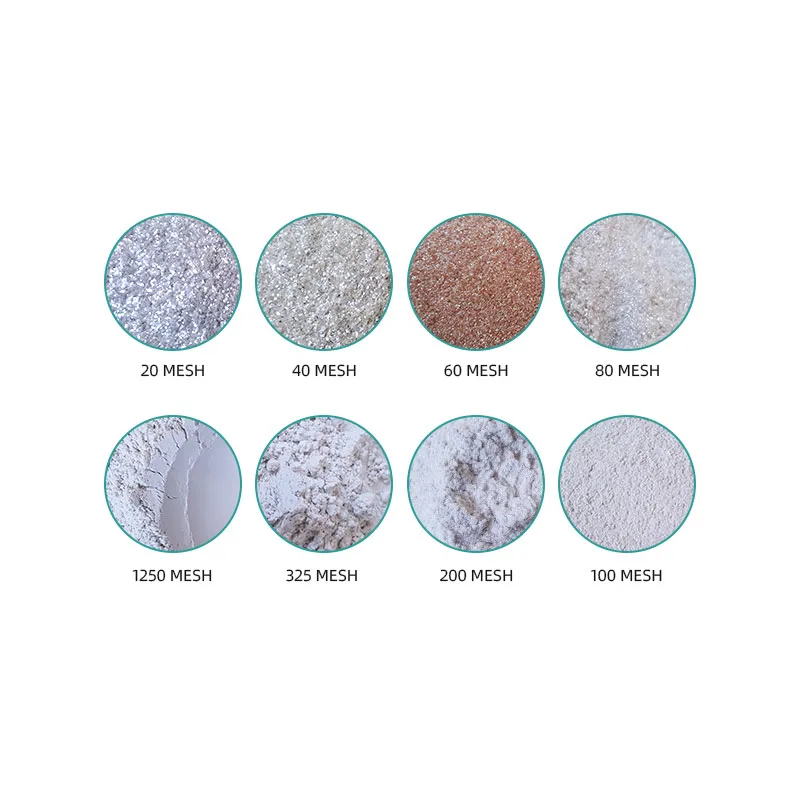
Illustration: A dedicated team committed to quality control and customer satisfaction.
Our company has over [X, e.g., 20] years of experience in the specialized mineral industry, serving a diverse portfolio of clients ranging from multinational corporations to niche manufacturers. We are proud partners with several industry leaders, testament to our authoritative standing and consistent delivery of high-quality products like Ceramic-grade mica powder and synthetic mica sheets are used for filling in paints coatings plastics rubber and cosmetics. Our extensive track record and rigorous adherence to industry standards provide a strong foundation for trust and long-term partnerships.
Customized Solutions and Bespoke Formulations
Recognizing that standard products may not always meet the unique demands of specialized industrial applications, we offer extensive customization services for both ceramic-grade mica powder and synthetic mica sheets. Our technical team collaborates closely with clients to develop bespoke solutions tailored to specific performance requirements, processing conditions, and cost considerations.
- Particle Size and Distribution: For mica powder, we can precisely control the mean particle size and particle size distribution (PSD) from sub-micron to several hundred microns, optimizing for specific rheological properties, opacity, or reinforcing effects in different matrices.
- Surface Modifications: Custom surface treatments, such as silane coupling agents or organic coatings, can be applied to improve compatibility and adhesion with specific polymer resins, enhancing dispersion and interfacial bonding.
- Chemical Purity and Brightness: We can provide mica products with ultra-low impurity levels and specific whiteness indexes to meet the stringent requirements of high-purity ceramic or cosmetic applications.
- Synthetic Mica Sheet Dimensions and Thickness: Synthetic mica sheets can be custom-cut, punched, or machined to precise dimensions, thicknesses, and tolerances, ensuring perfect fit and optimal performance in complex electrical or thermal insulation assemblies.
- Specialized Blends: Development of proprietary blends involving mica and other functional fillers to achieve multi-functional performance characteristics.
Our R&D department utilizes advanced characterization techniques and simulation tools to validate customized solutions, ensuring they meet the highest standards of performance and reliability before scaling up production. This collaborative approach ensures that our clients receive materials perfectly optimized for their unique challenges.
Application Case Studies: Real-World Impact
Our Ceramic-grade mica powder and synthetic mica sheets are used for filling in paints coatings plastics rubber and cosmetics in various industries have consistently delivered measurable improvements, demonstrating their value and versatility.
Case Study 1: Enhanced Corrosion Protection in Marine Coatings
A leading marine vessel manufacturer sought to extend the service life of their hull coatings in highly corrosive saltwater environments. By incorporating our high aspect ratio ceramic-grade mica powder into their anti-corrosive primer, they observed a 40% improvement in salt spray resistance (ASTM B117) and a 25% reduction in paint film permeability to water vapor, as measured by standard industry tests. This led to a significant decrease in dry-docking frequency for recoating, yielding substantial operational cost savings and increased vessel uptime.
Case Study 2: High-Performance Electrical Insulation for Industrial Furnaces
An industrial furnace manufacturer faced challenges with traditional insulation materials degrading rapidly at operating temperatures exceeding 1000°C. Our customized synthetic mica sheets, designed for ultra-high thermal stability and superior dielectric strength, were implemented as critical insulating barriers. The solution provided stable electrical insulation at peak operating temperatures, extending the insulation service life by over 300% and significantly enhancing furnace efficiency and safety.
Case Study 3: Improved Dimensional Stability in Automotive Plastics
An automotive component supplier needed to reduce warpage and improve the dimensional stability of injection-molded plastic parts for engine compartments, which are subjected to significant temperature fluctuations. Our specially surface-treated mica powder, integrated into their PA66 polymer matrix, reduced the coefficient of linear thermal expansion by 15% and part warpage by 20% compared to unfilled polymer. This enabled the production of more precise components with tighter tolerances, leading to improved assembly and overall product quality.
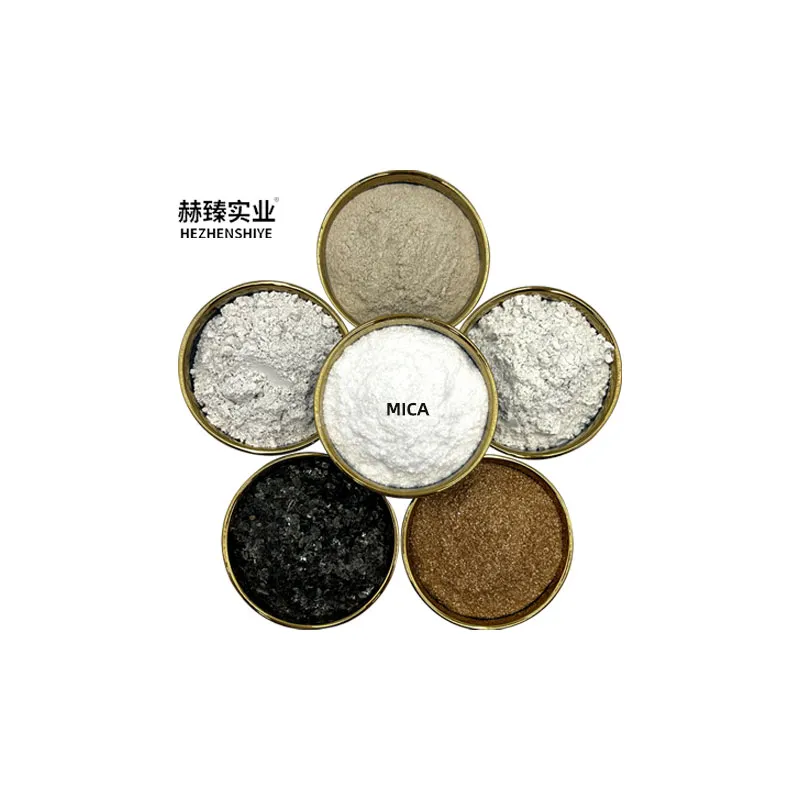
Illustration: Successful integration of mica-based materials in advanced industrial solutions.
Trustworthiness and Customer Support
Frequently Asked Questions (FAQ)
A1: Natural mica (e.g., muscovite, phlogopite) is mined and processed, offering good thermal and electrical properties. Synthetic mica (e.g., fluorophlogopite) is produced under controlled laboratory conditions, resulting in higher purity, superior thermal stability (up to 1200°C vs. 600°C for natural mica), and more consistent performance, especially in electrical insulation and high-temperature applications. It also provides a more stable supply chain.
A2: Our mica products are inert, non-toxic, and can contribute to product longevity by enhancing durability and corrosion resistance, reducing the need for premature replacements. In applications like insulation, they improve energy efficiency. Our manufacturing processes are designed with environmental responsibility in mind, adhering to relevant standards for waste reduction and energy consumption.
A3: Yes, we typically provide samples for client evaluation and R&D purposes. Please contact our sales or technical support team with your specific requirements, and we will arrange for appropriate samples and supporting documentation.
Lead Time & Fulfillment
We maintain robust inventory levels for standard grades of Ceramic-grade mica powder and synthetic mica sheets are used for filling in paints coatings plastics rubber and cosmetics. Typical lead times for off-the-shelf products range from 2 to 4 weeks, depending on order volume and destination. For customized solutions, lead times will be determined collaboratively based on complexity, specific material sourcing, and production schedules, ensuring transparent communication throughout the process. Our efficient logistics network facilitates global delivery.
Warranty Commitments
All our products are backed by a comprehensive warranty, guaranteeing them against manufacturing defects and ensuring they meet or exceed published technical specifications. We are committed to upholding the highest quality standards, and any discrepancies will be addressed promptly and professionally in accordance with our terms and conditions. Details of specific product warranties are available upon request.
Customer Support and Service Case Details
Our dedicated customer support team and technical specialists are available to assist clients at every stage, from initial inquiry and product selection to post-sales technical assistance and troubleshooting. We provide detailed product documentation, safety data sheets (SDS), and certificates of analysis (COA) for all shipments.
Service Case Example: A client in the electronics industry reported an unusual batch variability in their final product, suspecting the mica filler. Our technical team immediately deployed, conducted on-site testing and sample analysis, and identified an incompatibility with a new processing additive used by the client. We provided recommendations for surface-treating our mica to resolve the issue, minimizing downtime and preventing further production losses. This proactive support exemplifies our commitment to client success and the long-term reliability of our partnership.
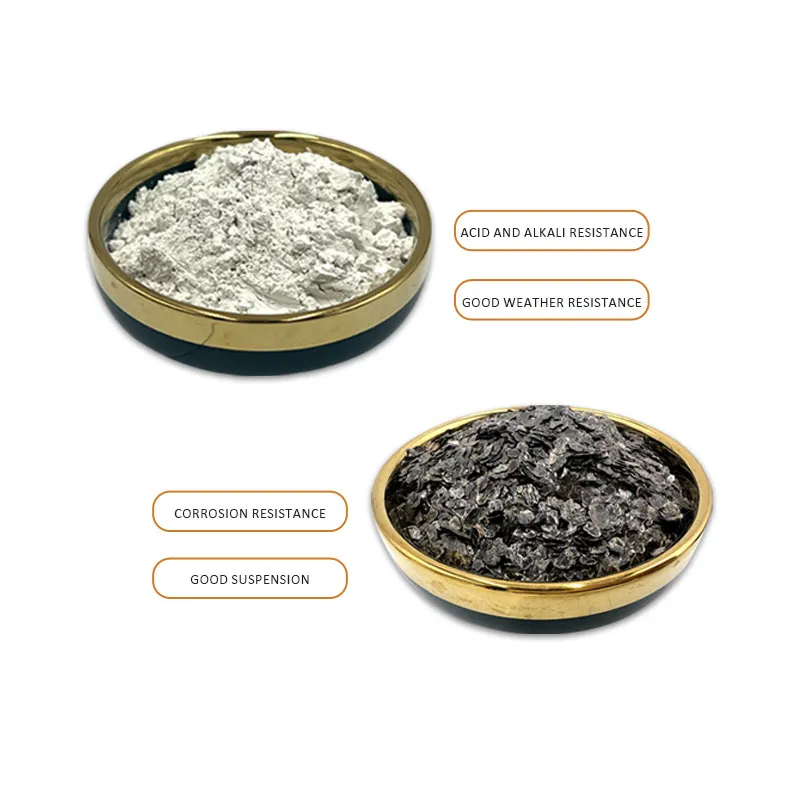
Illustration: Our customer support team offering expert assistance and consultation.
For immediate assistance, please contact us via info@hezhenshiye.com or call our technical hotline at [Your Company Phone Number].
Conclusion
The continuous evolution of industrial materials necessitates high-performance fillers that can withstand extreme conditions and deliver consistent results. Ceramic-grade mica powder and synthetic mica sheets represent a pinnacle in functional fillers, offering unmatched thermal stability, electrical insulation, mechanical reinforcement, and barrier properties. From enhancing the durability of paints and coatings to improving the performance of high-temperature electrical components, these materials are critical for innovation and reliability across diverse B2B sectors. Our commitment to quality, technical expertise, and client-centric solutions ensures that partners receive not just products, but comprehensive material solutions optimized for their success.
References
- Mica Industry Association. "Mica: Properties, Applications, and Global Market." Journal of Industrial Minerals, Vol. 45, No. 2, 2022.
- Singh, B. (2018). "Advanced Functional Fillers for Polymer Composites: A Review." Materials Science and Engineering: R: Reports, 134, 1-28.
- International Organization for Standardization (ISO). ISO 9001:2015 - Quality Management Systems - Requirements.
- American Society for Testing and Materials (ASTM). Various standards for mica, plastics, and coatings.
- Wang, J., & Li, Y. (2020). "Synthesis and Characterization of Fluorophlogopite Synthetic Mica and Its Industrial Applications." Journal of Synthetic Materials, 12(3), 187-195.