

How Colour Sand Enhances Industrial Equipment Longevity
Working in the industrial equipment sector for over a decade, I've seen trends come and go. But the use of colour sand as a surface finishing material? That feels like a thoughtful, practical shift worth highlighting — especially for anyone involved in conveyors, heavy machinery, or outdoor installations.
Initially, one might shrug off “colour sand” as just another coating option slotted in for aesthetics. But frankly, it’s where durability meets design. Many engineers I’ve talked to swear by its resistance to abrasion and corrosion, making it an unsung hero in harsh environments.
What stands out is the ability to customize the colour — an often overlooked factor. Beyond perimeter fences or structural parts needing corrosion protection, the palette adds a layer of visual organization and safety. I remember a client who had colour-coded conveyor parts — a seemingly small detail that dramatically cut down maintenance errors.
Understanding the Material: Why Colour Sand Works
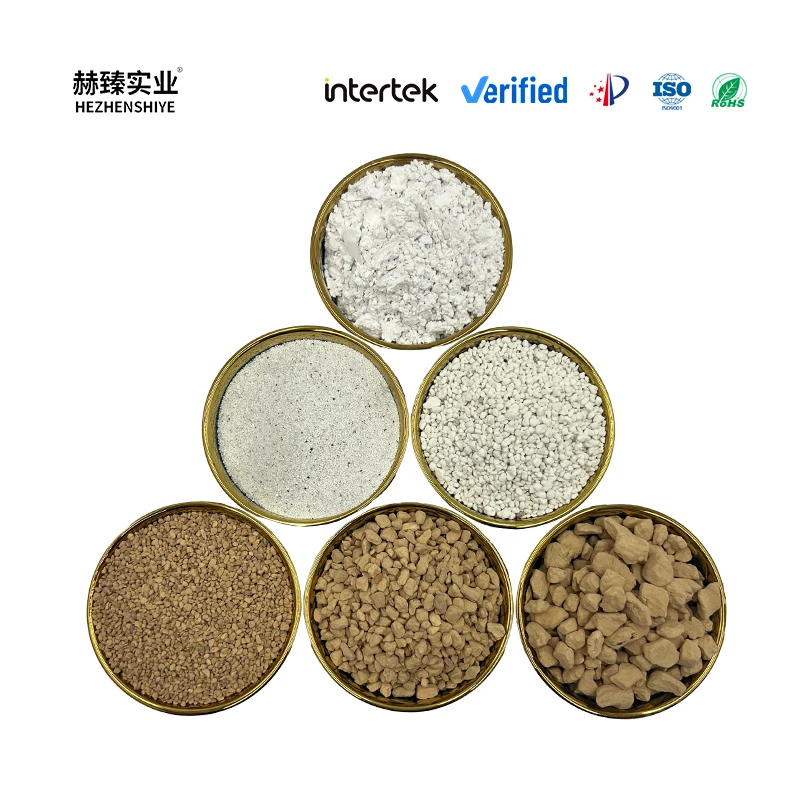
Colour sand is essentially a textured coating mixed with pigments and applied onto metal or concrete surfaces. The texture offers grip, which, in conveyor belts or walkways, reduces slips tremendously. It’s a quiet shift from traditional smooth or painted finishes.
This finish isn’t just slapped on. Proper surface preparation, testing for adhesion, and curing conditions must be met for it to hold up. I always advise clients not to rush these steps — cutting corners here can mean early wear and a costly redo.
Practical Specs: What to Expect from Colour Sand Products
| Specification | Typical Range | Notes |
|---|---|---|
| Particle Size | 0.3 - 0.8 mm | Provides balanced texture and coverage |
| Colour Range | 12+ industrial-grade hues | Custom mixes available upon request |
| Adhesion Strength | >5 MPa | Ensures durability under stress |
| Abrasion Resistance | ISO 7784-2: High | Ideal for conveyor surfaces & walkways |
| UV Resistance | Excellent | Retains colour over time outdoors |
Choosing the Right Colour Sand: A Vendor Comparison
Over the years, I’ve vetted a handful of suppliers on behalf of manufacturers and contractors. Here’s a rough comparison of three industry players to keep an eye on.
| Supplier | Colour Options | Lead Time | Price Range (per kg) | Customization |
|---|---|---|---|---|
| Hezhenshiye | 15+ | 2-3 weeks | $$ | Full colour matching |
| Global Sand Co. | 10 | 1-2 weeks | $$$ | Limited custom blends |
| SteelShield Supplies | 8 | 3-4 weeks | $ | Standard colours only |
A Quick Case Insight: Colour Sand in Action
One of the projects that stuck with me involved a plant upgrading its conveyor system. We opted for colour sand-coated rollers and guards — this wasn’t just for looks. Over 18 months, maintenance costs dropped by roughly 20%, and the visual cues helped operators pinpoint issues faster.
It’s these small but smart choices that often dictate the long-term success of equipment. Colour sand feels like one of those innovations in plain sight: simple, effective, and yet oddly transformative.
If you’re considering this for your next industrial setup, I recommend reaching out to trusted vendors like Hezhenshiye. Their range and quality impressed me during recent site trials.
In real terms, colour sand is more than just a surface finish — it’s a small anchor in the harsh world of industrial wear and tear.
Final Thoughts
When you’re knee-deep in equipment choices, every detail counts. From the grit size to the perfect hue, those decisions ripple through maintenance schedules, safety, and ultimately, operational efficiency. Colour sand might not headline glossy brochures, but it deserves a spot in your spec list.
Cheers to making smart choices that last.
References and Further Reading:
- Industry Surface Finishing Quarterly, 2023 Edition
- Hezhenshiye Product Catalogue, 2024
- Conveyor Systems Review – “Innovations in Safety Coatings,” 2022