

Diatomaceous Earth Price Per Ton: A Comprehensive Guide
Understanding the diatomaceous earth price per ton is crucial for businesses across various industries, from filtration to agriculture. This article will delve into the factors influencing the cost, current market trends, different grades available, and how to source quality diatomaceous earth from a reputable supplier like Hezhenshiye. We’ll cover everything you need to know to make informed purchasing decisions.

Factors Influencing Diatomaceous Earth Price Per Ton
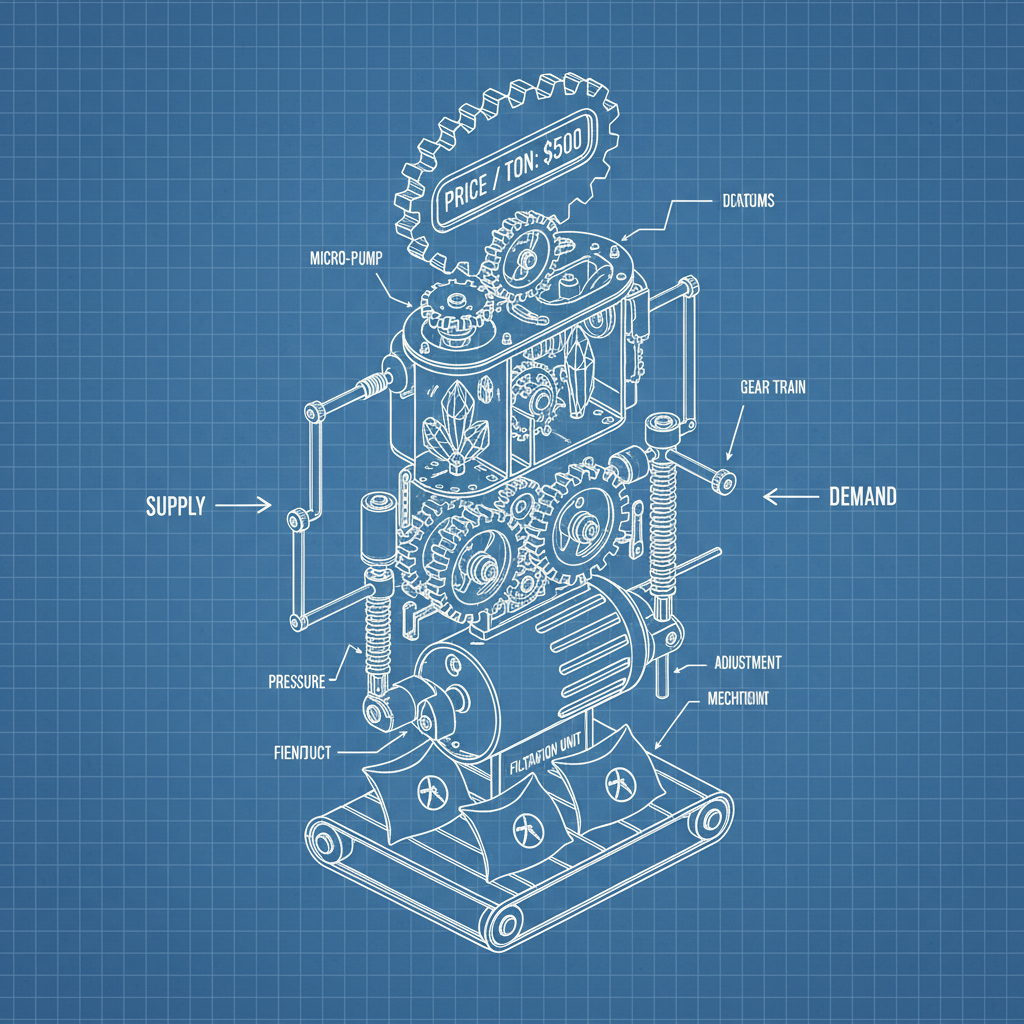
Several key factors determine the diatomaceous earth price per ton. The most significant is the grade of diatomaceous earth. Food-grade diatomaceous earth, requiring stringent processing and quality control, is naturally more expensive than industrial-grade. The mining location and associated transportation costs also play a substantial role. Demand and supply dynamics, geopolitical factors, and even the cost of energy used in processing can all impact the final price. Furthermore, the purity level, particle size, and moisture content are critical specifications that affect cost.
Key Influencers: Grade, Mining Location, Transportation, Demand, Purity, Particle Size, Moisture Content
Understanding Different Grades & Their Impact on Price
Diatomaceous earth is categorized into several grades, each with a specific application and price point. Food-grade diatomaceous earth, used in human and animal consumption, is the most expensive due to the rigorous quality standards it must meet. Filter-grade DE is used in water and beverage filtration and falls into a mid-range price bracket. Industrial-grade DE, used in applications like cat litter or insecticide carriers, is the most affordable. The finer the particle size and the higher the purity, the higher the cost within each grade. Hezhenshiye offers a variety of grades to suit diverse needs.
Grade Comparison:
• Food Grade: Highest purity, highest price.
• Filter Grade: Moderate purity, mid-range price.
• Industrial Grade: Lower purity, lowest price.
Current Market Trends: Diatomaceous Earth Price Analysis
The global diatomaceous earth market has seen fluctuations in recent years. As of late 2023/early 2024, the price per ton generally ranges from $300 to $800, but this can vary significantly. Increased demand from the food and beverage industries, coupled with logistical challenges and rising energy costs, have contributed to price increases. However, new mining operations and technological advancements in processing are helping to stabilize prices. Monitoring market reports and establishing relationships with reliable suppliers are crucial for securing competitive pricing.
Choosing a Reliable Supplier: Hezhenshiye
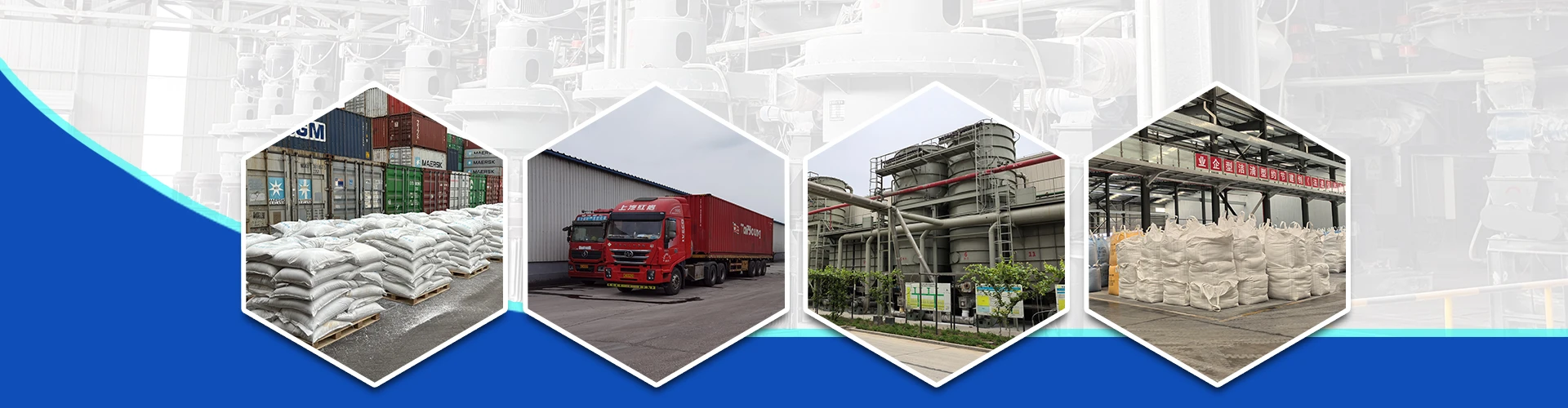
Sourcing diatomaceous earth from a reputable supplier like Hezhenshiye is paramount for ensuring quality and consistency. We offer a wide range of diatomaceous earth grades, competitive pricing, and reliable supply chains. Our commitment to quality control and adherence to industry standards guarantees you receive a product that meets your specific requirements. We also offer customized packaging and logistics solutions.
Optimizing Your Diatomaceous Earth Purchase
To optimize your diatomaceous earth purchase, consider your specific application carefully. Determine the required grade, particle size, and purity level. Request samples from multiple suppliers, including Hezhenshiye, and conduct thorough testing. Negotiate pricing based on volume and long-term contracts. Finally, prioritize suppliers with robust quality control processes and reliable logistics networks.
Conclusion: Navigating the Diatomaceous Earth Market
Understanding the diatomaceous earth price per ton requires careful consideration of grade, market trends, and supplier reliability. By partnering with a trusted provider like Hezhenshiye, you can ensure access to high-quality diatomaceous earth at competitive prices, optimizing your operational efficiency and achieving your business goals.
Frequently Asked Questions (FAQs)
What factors cause fluctuations in diatomaceous earth prices?
Several factors contribute to price fluctuations. Primarily, demand and supply dynamics play a significant role. Increased demand from industries like food & beverage, agriculture, and filtration can drive prices up. Conversely, increased mining capacity or a surplus in supply can lower prices. Transportation costs, influenced by fuel prices and logistical challenges, also heavily impact the final price. Geopolitical factors and energy costs involved in processing are other influencing factors. Monitoring these factors is crucial for predicting price trends.
How does particle size affect the price of diatomaceous earth?
Generally, finer particle sizes command a higher price. This is because producing diatomaceous earth with consistently small particle sizes requires more intensive processing and advanced milling techniques. Finer particles offer greater surface area, enhancing their effectiveness in applications like filtration and absorption. However, the optimal particle size varies depending on the intended application, so it’s important to specify your requirements when sourcing.
What are the advantages of sourcing from Hezhenshiye?
Hezhenshiye offers several advantages. We provide a consistent supply of high-quality diatomaceous earth across various grades. We have competitive pricing and are willing to negotiate based on volume. We offer customized packaging and logistics solutions to meet your specific needs. Our commitment to quality control and adherence to industry standards ensure you receive a reliable product. And our experienced team provides excellent customer support.
Is diatomaceous earth environmentally friendly?
Yes, diatomaceous earth is considered a naturally occurring and environmentally friendly material. It’s derived from fossilized diatoms, a type of algae, and is non-toxic to humans and animals. It biodegrades over time and does not contribute to soil or water pollution. However, mining operations should be conducted responsibly to minimize environmental impact.