

What Makes Draw Sand Indispensable in Industrial Casting?
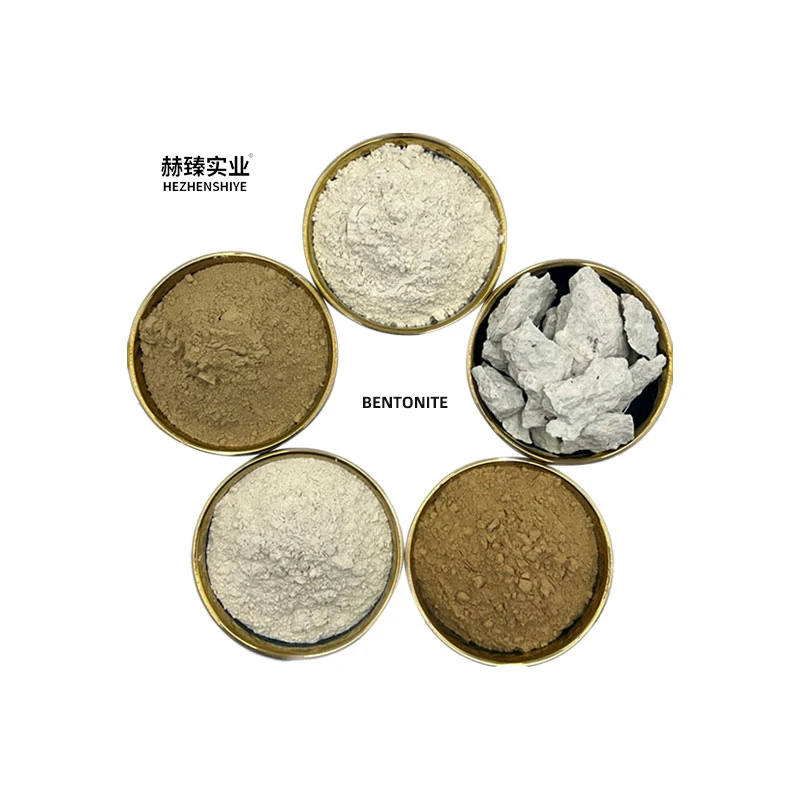
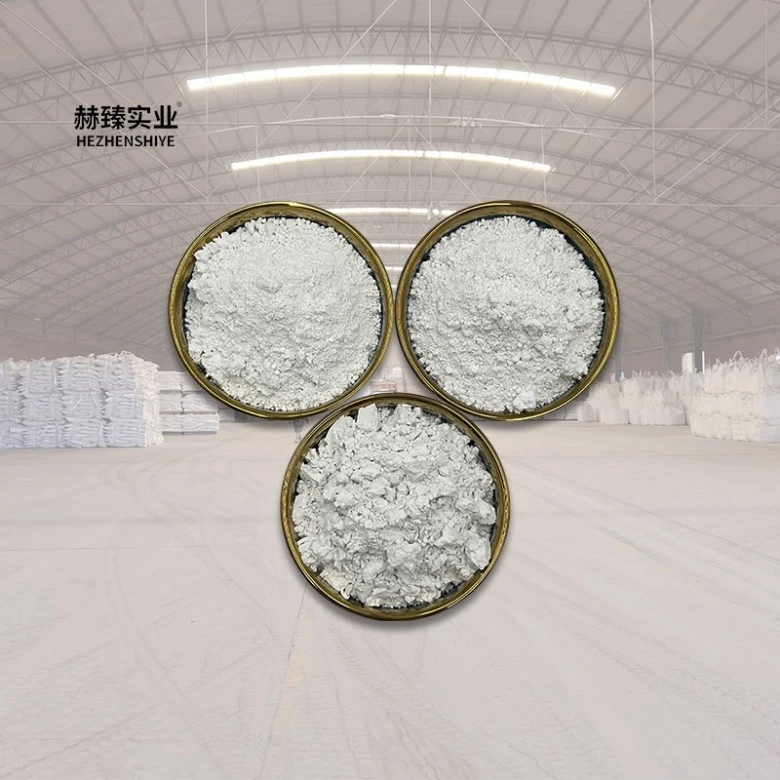
After years working around the industrial equipment and foundry sector, I can say with some confidence that draw sand still holds a vital spot in the casting and molding process. Oddly enough, despite advancements in synthetic materials, the humble draw sand’s unique characteristics keep it as a go-to choice for many foundries worldwide.
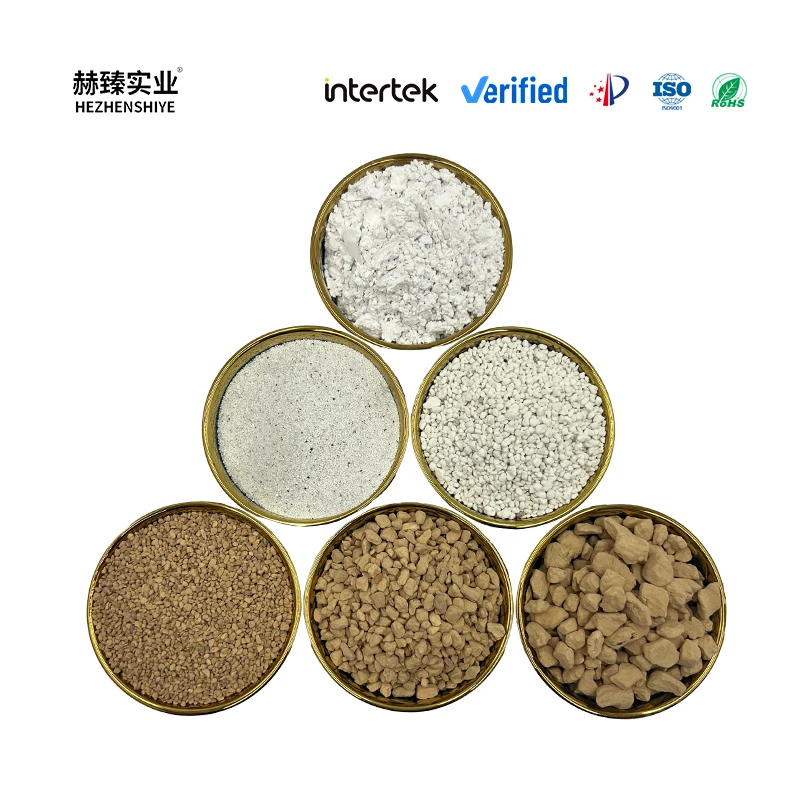
From what I’ve observed firsthand, draw sand's composition and physical properties make it resist the intense heat and mechanical stress foundries throw at them. It’s not just any sand — the grain size, clay content, and moisture balance all have to be almost perfect. Too coarse, and the molds lose detail; too fine, and the sand gets flaky, losing its structural integrity.
Draw Sand Specifications: What You Should Know
Most suppliers provide specs, sure. But the ones I trust usually offer a detailed breakdown, which isn’t always the case in the cheaper options floating around. Here’s a rough look at what quality draw sand looks like on paper (and real use):
| Specification | Value | Unit |
|---|---|---|
| Silica (SiO₂) Content | 85-92 | % |
| Clay Content | 3-7 | % |
| Grain Fineness Number (GFN) | 50-60 | |
| Moisture Content | 2-5 | % |
| Clay Type | Bentonite |
The grain fineness number, for instance, might not mean much until you see it firsthand—getting the right texture controls permeability and strength, which makes a difference in repeatability and quality of the castings.
Choosing the Right Vendor for Your Draw Sand Needs
Now, this is where things sometimes get sticky. We all want sand that’s consistent, easy to work with, and competitively priced, right? In the several years I’ve dealt with various suppliers, I noticed a clear divide between vendors who truly understand the nuances of foundry sand and those... well, just moving product.
| Vendor | Silica Content (%) | Clay Content (%) | Moisture Control | Price Range (USD/ton) |
|---|---|---|---|---|
| Hezhenshiye | 90 | 4 | Strict & Consistent | $40–$50 |
| Generic Supplier A | 85 | 7 | Variable | $35–$45 |
| Local Mine Supplier | 88 | 5 | Low Control | $30–$42 |
Personally, I’ve found vendors like Hezhenshiye (click their link up top) tend to be more proactive about testing and quality control, which for a foundry can literally save hours of troubleshooting and headaches. Of course, budget plays its role — I get that. But quality rarely disappoints when it comes to castings that need tight tolerances.
Real-World Insights: How Draw Sand Made a Difference
I recall a mid-sized foundry I worked with last year. They’d been struggling with frequent mold failures which were eating away at production time. After switching to a higher-grade draw sand, adjustments to moisture content, and a slight tweak in sand mixing, they saw a near 25% drop in defects within a couple of weeks. It might sound small, but in real terms, that meant shutting down production less often and shipping orders on schedule. There's always more to do, but that was a win.
Draw sand might not sound glamorous, but it’s the backbone for quality molds. If you treat the material and your supplier seriously, you’ll likely avoid some of the classic pitfalls that caught me off guard early in my career.
So, whether you’re new to the field or been around the block — draw sand remains one of those unsung heroes worth your attention.
Wrapping Up
In the end, good draw sand isn’t just a raw material. It’s a partner in precision, repeatability, and ultimately, profitability. Keep an eye on specs, test often, and don’t hesitate to ask your vendor hard questions.
Happy casting!
References & Reflections:
- Industry case studies and personal field experience.
- Supplier specification sheets analyzed over several years.
- Discussions with foundry engineers on material performance.