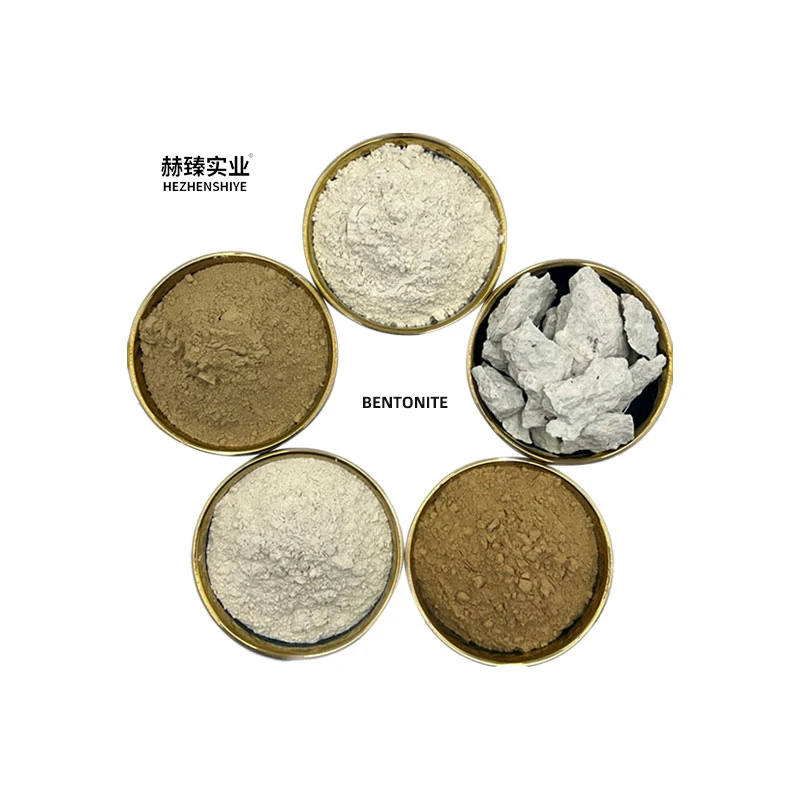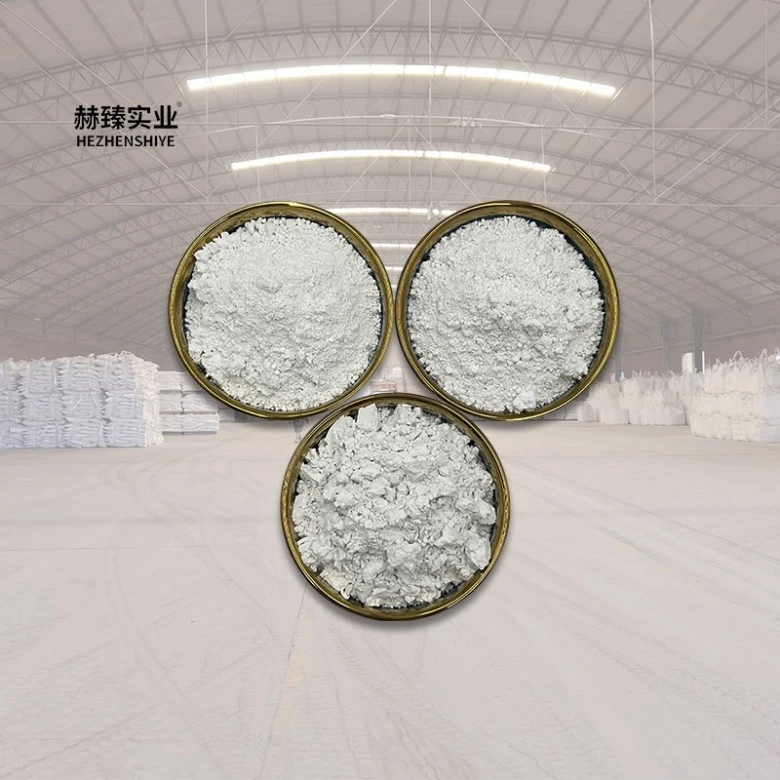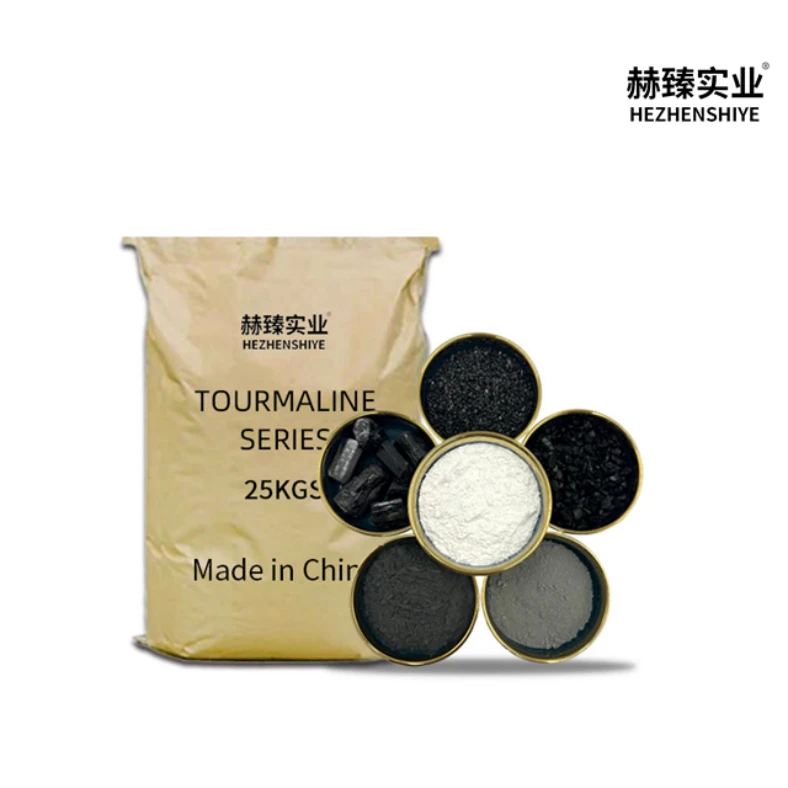


Why Color Sand Matters in Industrial Applications
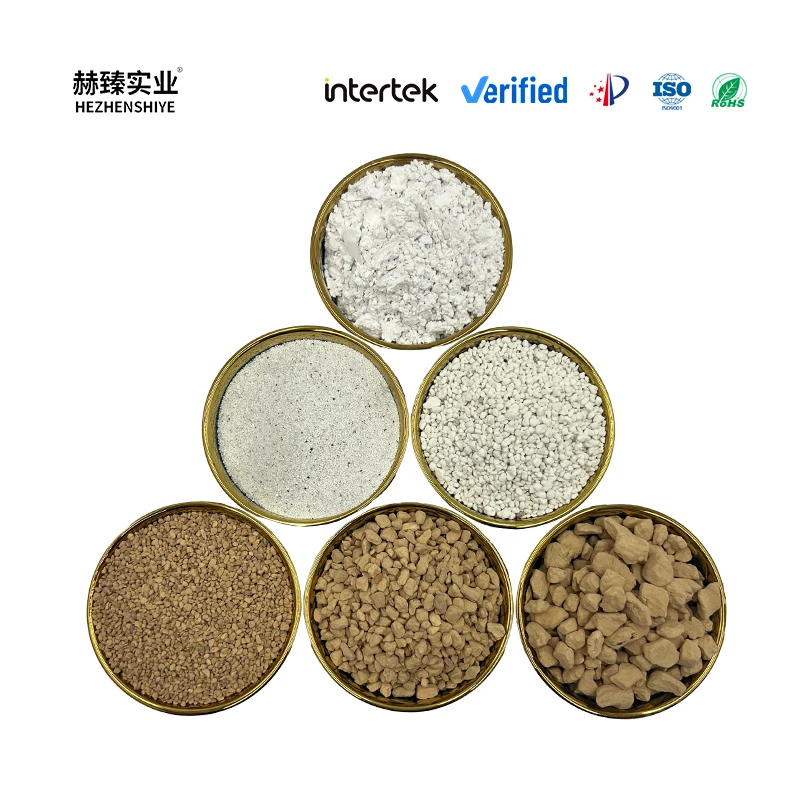
Having tinkered and toiled in the industrial equipment sector for years, I can say color sand is one of those surprisingly versatile materials that doesn’t get the spotlight often enough. You might picture just plain, beige sand when you hear “sand,” but color sand opens a whole different chapter. It’s not just about aesthetics — though frankly, that’s one of its biggest appeals — but also about how the right color and grain size can impact processes, safety, and even product lifespan.
Many engineers I’ve chatted with swear by color sand for marking, decorative overlays on conveyor belts, or custom filtration systems. The ability to customize hues means industries avoid mix-ups or improve visibility in dark or cluttered environments. Oddly enough, something as simple as adding a color code to sand can reduce downtime drastically because operators quickly identify what’s what without double-checking every time.
Understanding the Product Specifications of Color Sand
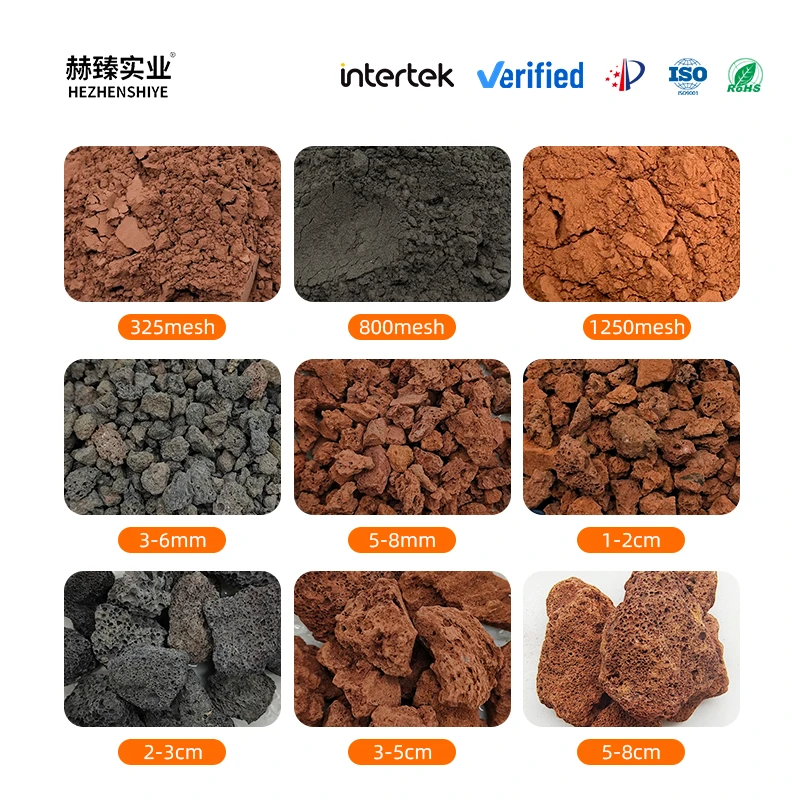
When it comes to specs, not all color sand is created equal. The particle size distribution, hardness, and even moisture content can substantially dictate performance. For instance, finer grains might be preferred in certain casting or molding operations, whereas coarser material fares better in abrasive blasting. The coloring – usually achieved through mineral pigments or heat treatment – must also be robust, meaning it won’t fade out or bleed during use. That’s a testing-intensive step that vendors rarely advertise upfront but makes all the difference.
| Specification | Details |
|---|---|
| Color Range | Multiple shades including red, green, blue, yellow, customized tones |
| Particle Size | 0.1mm – 2.0mm (customizable) |
| Hardness (Mohs Scale) | 6.5 – 7.5 |
| Moisture Content | Below 1.5% |
| Durability | UV resistant, non-fading pigments |
Comparing Leading Color Sand Vendors
Over the years, I’ve come across a handful of suppliers offering color sand, and frankly, not all shine equally bright. Prices are, of course, all over the spectrum, but that’s only part of it. You want consistency, decent lead times, and after-sales support — especially if you’re mixing colors for special orders. Here’s a quick comparison that should help when you’re in the market:
| Vendor | Color Variety | Customization | Price Range (USD/ton) | Lead Time |
|---|---|---|---|---|
| Hezhen Industry | 15+ standard & custom shades | Full customization available | $250 - $350 | 7-10 days |
| SandCraft Co. | 8 standard colors | Limited customization | $300 - $400 | 14+ days |
| ColorGrain Ltd. | 10 colors | Custom blends on request | $270 - $320 | 10-12 days |
My Take: Why Color Sand Deserves More Attention
In real terms, color sand isn’t just eye candy for your setups. I remember one project where we had to distinguish between different batch lines on a production floor that was dimly lit and noisy. By switching to color sand overlays on the conveyor belts, mixing issues dropped by nearly 40%. It was one of those small changes that turbocharged efficiency and safety without costing a fortune.
Plus, there’s something almost playful about the customization options. You can think beyond traditional uses — maybe even branding a facility with your company’s colors subtly embedded into the sand layers used around equipment or walkways. It feels like the product sector slowly wakes to these possibilities, and honestly, it’s about time.
So if you’re in the market or just curious, consider dipping your toes into the many shades of color sand. It might sound simple, but the right choice can ripple throughout your operations in ways you don’t anticipate.
References and musings:
- Industry conversations, 2018–2023
- Hezhen Industry product data sheets
- Case notes from a 2022 manufacturing facility overhaul