

Diatomaceous Earth: A Comprehensive Guide to its Uses and Benefits
Diatomaceous earth (DE) is a naturally occurring sedimentary rock composed of fossilized remains of diatoms, a type of hard-shelled algae. This versatile material boasts a wide range of applications, from pest control to filtration and beyond. This article provides an in-depth exploration of diatomaceous earth, its properties, uses, and sourcing, offering valuable insights for both individuals and businesses. Understanding the different grades and applications of DE is key to maximizing its potential.
What is Diatomaceous Earth and How is it Formed?
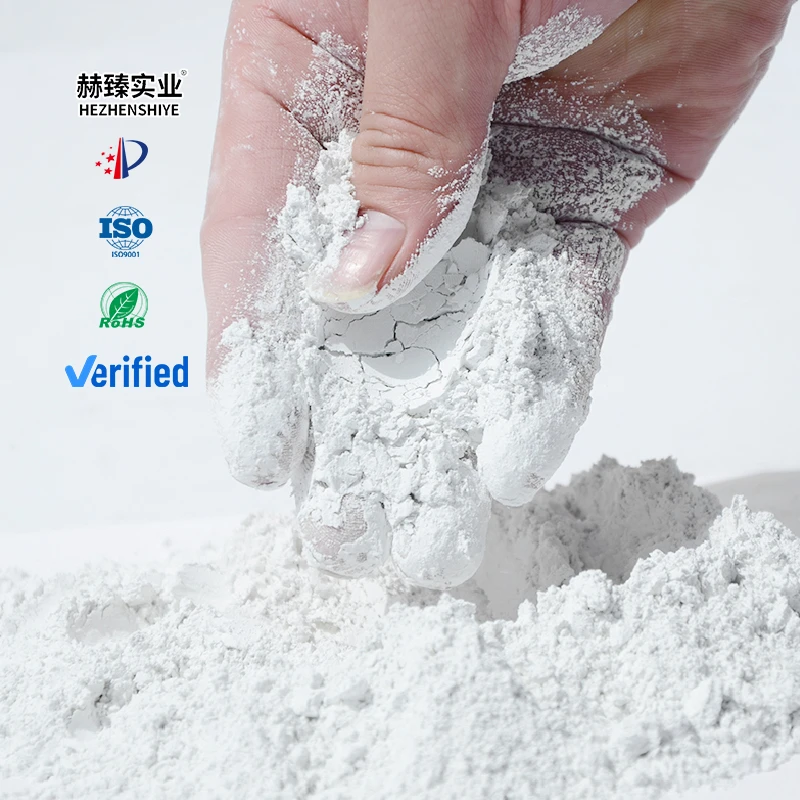
Diatomaceous earth is formed over millions of years as diatoms die and their silica shells accumulate at the bottom of lakes and oceans. These shells, microscopic in size, gradually compress and solidify into a soft, sedimentary rock. The resulting material is incredibly porous, giving it unique absorbent and abrasive properties. There are two main types of diatomaceous earth: food-grade and industrial-grade. Food-grade DE is specifically processed to be safe for consumption, while industrial-grade DE is used in a variety of applications where human or animal ingestion isn’t a concern. Hezhen Shiye provides both food and industrial grade diatomaceous earth for various applications.
Key Highlights: Diatomaceous earth is incredibly porous, giving it unique absorbent and abrasive properties. Food-grade DE is safe for consumption, industrial-grade is not.
Common Applications of Diatomaceous Earth
The unique properties of diatomaceous earth make it a valuable asset in diverse industries. In agriculture, it’s used as a natural insecticide, controlling pests like fleas, ticks, and bed bugs without harmful chemicals. It's also a popular soil amendment, improving aeration and water retention. In filtration, DE is used to filter water, beer, wine, and other liquids, removing impurities and clarifying the final product. Furthermore, it’s used as an absorbent for spills, a component in cat litter, and even as a mild abrasive in polishing compounds. Hezhen Shiye caters to a wide range of these applications with varying grades of diatomaceous earth.
Diatomaceous Earth Applications:
• Natural Insecticide
• Soil Amendment
• Liquid Filtration
• Spill Absorbent
Food Grade vs. Industrial Grade Diatomaceous Earth
Choosing the correct grade of diatomaceous earth is crucial for your specific application. Food-grade DE is produced under strict quality control measures to ensure it's free of harmful contaminants and safe for human and animal consumption. It's often used as a dietary supplement for livestock or as a natural remedy for intestinal parasites. Industrial-grade DE, while also effective for many purposes, is not processed to the same standards and should not be ingested. The primary difference lies in the purity and processing standards applied during manufacturing.
Sourcing High-Quality Diatomaceous Earth
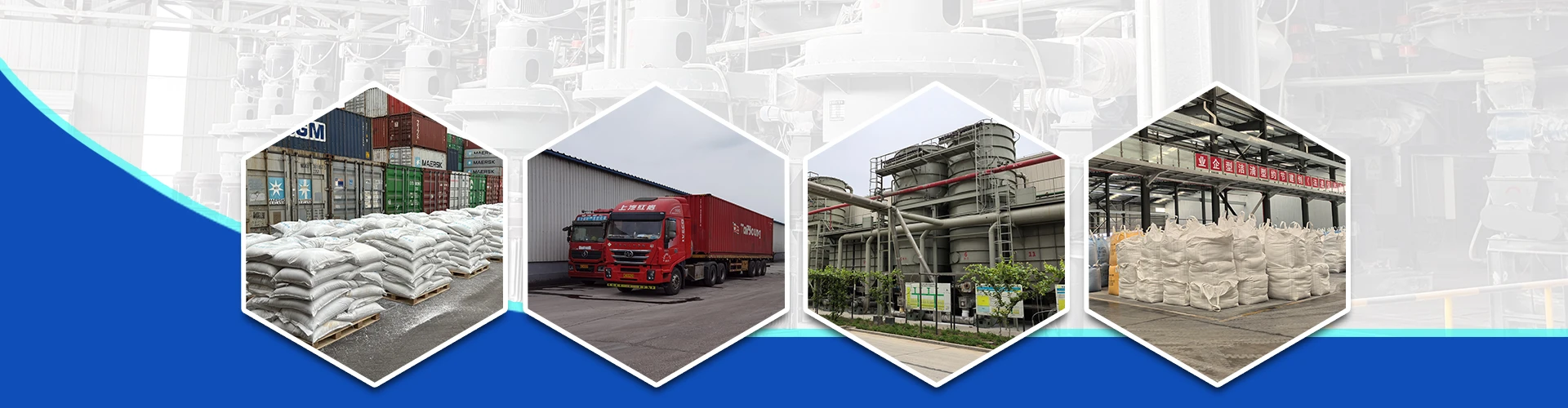
When sourcing diatomaceous earth, it's essential to choose a reputable supplier that prioritizes quality and purity. Consider factors like the source of the DE, the processing methods used, and the supplier’s commitment to quality control. Look for suppliers who provide certificates of analysis to verify the purity and composition of their products. Hezhen Shiye is dedicated to providing consistently high-quality DE products that meet the needs of our diverse clientele.

Product Specifications and Grade Options
Hezhen Shiye offers a range of diatomaceous earth grades to suit diverse applications. Here’s a snapshot of our product specifications:
Conclusion: Embracing the Versatility of Diatomaceous Earth
Diatomaceous earth is a remarkable natural resource with a surprisingly diverse range of applications. From pest control to filtration and beyond, its unique properties make it a valuable asset in numerous industries. By choosing a reliable supplier like Hezhen Shiye, you can ensure you are receiving high-quality DE products that meet your specific needs.
Frequently Asked Questions (FAQs)
Is diatomaceous earth safe for pets?
Food-grade diatomaceous earth is generally considered safe for pets when used as directed. It can be used to control fleas, ticks, and other external parasites. However, it's important to avoid inhaling the dust, as it can irritate the lungs. Always use food-grade DE specifically labeled for pet use, and follow the instructions carefully. Avoid getting it in your pet's eyes. While safe, consult with your veterinarian if you have any concerns.
How does diatomaceous earth kill insects?
Diatomaceous earth doesn't "kill" insects in the traditional sense. Instead, it damages their exoskeletons, causing them to dehydrate and die. The microscopic, abrasive particles of DE scratch the waxy coating that protects insects from moisture loss. This leads to rapid dehydration, effectively eliminating the pests. It is a physical rather than a chemical insecticide, making it a safer alternative to many conventional pest control methods.
Can diatomaceous earth be used in gardens?
Yes, food-grade diatomaceous earth can be a beneficial addition to gardens. It can deter pests like slugs, snails, and aphids. It also improves soil aeration and water retention. However, avoid applying it to flowers that bees frequently visit, as it can harm them. Sprinkle a thin layer around plants or mix it into the soil for best results.