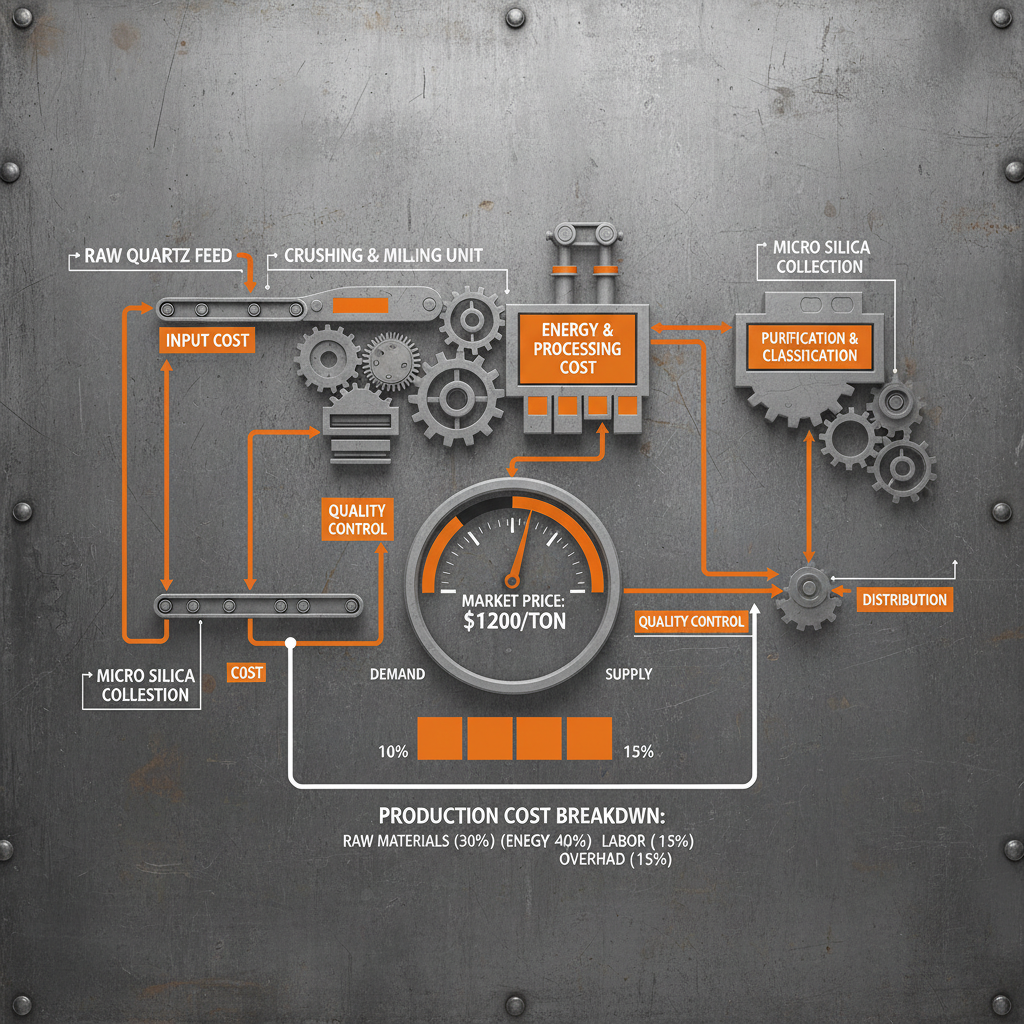
Silica types are fundamental building blocks of our modern world, extending far beyond simple sand. From the glass in our windows and smartphones to the concrete that forms our infrastructure, and even the semiconductors powering our digital lives, different silica forms play critical roles. Understanding these diverse types—crystalline, amorphous, and their various polymorphs—is essential for innovation across numerous industries, impacting global economies and technological advancements. The characteristics of each silica type determine its suitability for specific applications, driving research and development in fields ranging from construction to pharmaceuticals.
Globally, silica’s importance is reflected in its vast production and trade volumes. According to the US Geological Survey, billions of tons of silica sand are mined annually, demonstrating its pervasive use. The ISO standards for silica materials highlight the need for consistent quality and characterization, crucial for international commerce. Challenges exist in sustainable sourcing and minimizing environmental impact during extraction and processing. Overcoming these hurdles is vital for ensuring a continuous and responsible supply of these vital materials.
Silica, in its simplest form, is silicon dioxide (SiO2). The term “silica types” refers to the different crystalline and amorphous forms this compound can take. These variations arise from differences in atomic arrangement, leading to drastically different physical and chemical properties. These properties dictate whether silica is suitable for applications like high-performance computing (requiring ultra-pure silica), construction (utilizing robust silica sand), or even medical implants (demanding biocompatible silica). It’s a cornerstone material addressing modern industrial and humanitarian needs.
Introduction to silica types
The diverse range of silica types impacts numerous sectors, including construction, electronics, and pharmaceuticals. Understanding the specific properties of each type is critical for optimizing performance and innovation. The increasing demand for sustainable materials drives research into environmentally friendly silica sourcing and processing techniques.
Silica’s abundance and relatively low cost make it an attractive material for a wide array of applications. However, responsible extraction and processing are paramount. The development of innovative silica materials, tailored for specific applications, represents a key area of growth and offers significant economic and societal benefits.
Defining Silica Types
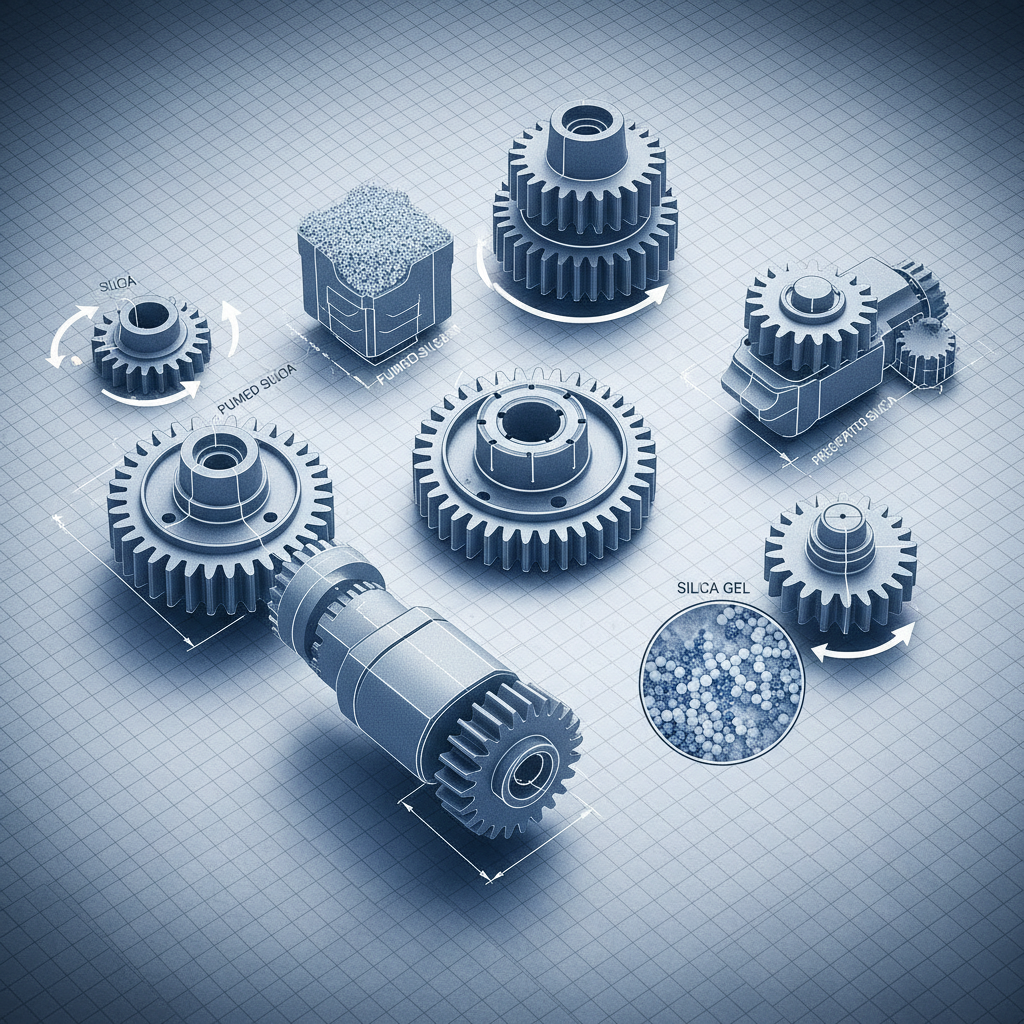
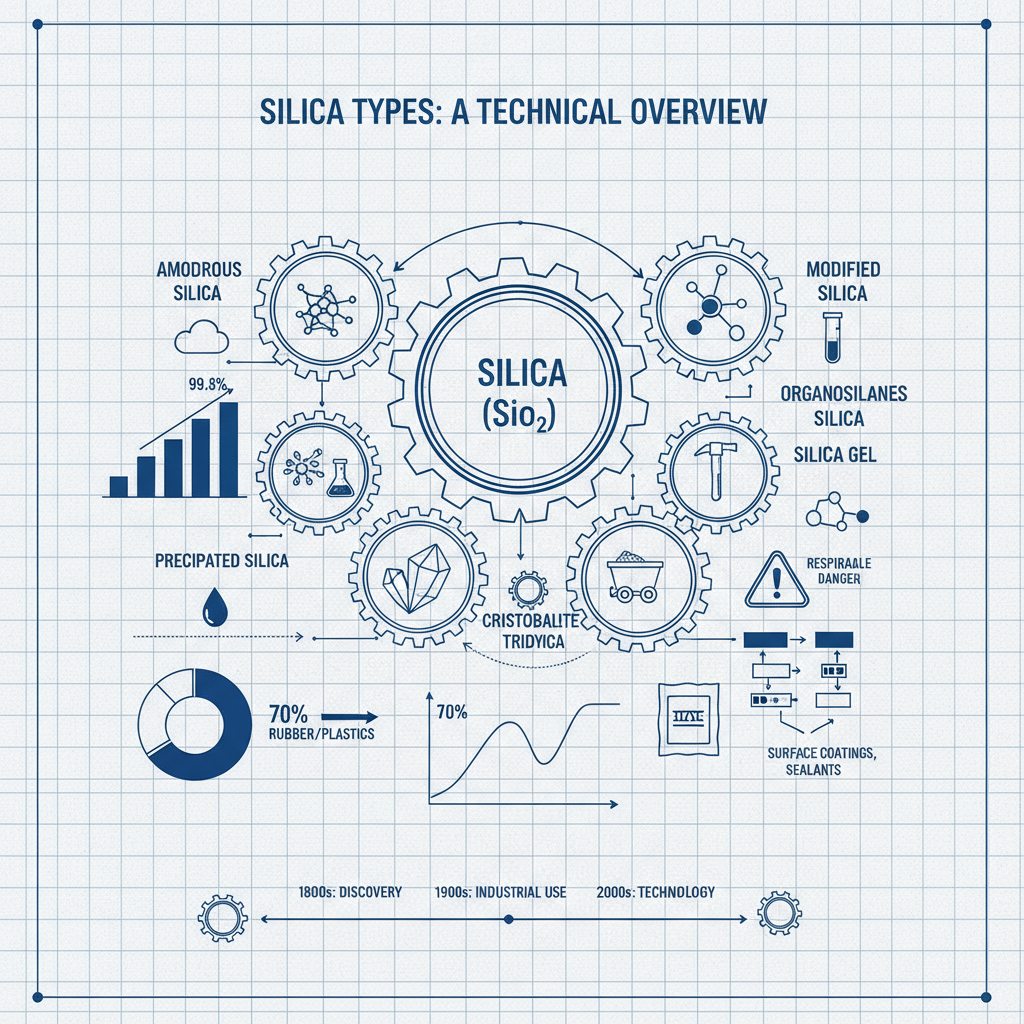
Silica types are classified based on their atomic structure and crystalline arrangement. Crystalline silica, such as quartz, cristobalite, and tridymite, exhibits a highly ordered, repeating structure. Amorphous silica, including silica gel and fused silica, lacks this long-range order, resulting in different properties. These structural differences influence factors like hardness, reactivity, and optical properties.
The distinction between crystalline and amorphous silica is crucial for industrial applications. Crystalline forms are generally stronger and more durable, making them suitable for construction materials. Amorphous forms, with their high surface area, are favored in applications like catalysis and adsorption. Precisely defining these types is essential for quality control and process optimization.
Understanding the polymorphic behavior of silica - its ability to exist in multiple crystalline forms – is also vital. These polymorphs arise under different temperature and pressure conditions, each exhibiting unique properties that determine its suitability for specific applications.
Key Properties of Silica Types
Durability is a defining characteristic of many silica types, particularly crystalline forms like quartz. This resistance to wear and tear makes them ideal for abrasive applications and long-lasting construction materials. The hardness and chemical inertness contribute to their longevity in harsh environments.
Thermal stability is another key property. Fused silica, an amorphous type, boasts an exceptionally high melting point and low thermal expansion, making it crucial in high-temperature applications like furnace linings and semiconductor manufacturing. Different silica types exhibit varied responses to temperature changes, impacting their suitability for specific applications.
Reactivity, or the lack thereof, is important in certain contexts. Some silica types are chemically inert, resisting corrosion and degradation, while others are designed for reactivity in catalytic processes. The surface area and porosity of silica influence its reactivity, making amorphous forms particularly useful in catalysis and adsorption.
Global Applications of Silica Types
The construction industry heavily relies on silica sand for concrete production, a globally significant application. The demand for concrete continues to rise with urbanization, driving the need for sustainable silica sourcing. Silica’s strength and affordability make it a core component in this sector.
In the electronics industry, ultra-pure silica is essential for manufacturing semiconductors and integrated circuits. The demand for high-performance computing and consumer electronics fuels the need for increasingly refined silica materials. This sector requires precise control over silica purity and crystalline structure.
The pharmaceutical industry utilizes silica types in drug delivery systems, excipients, and biomedical devices. Biocompatibility and controlled release properties make silica a valuable material in this field. Ongoing research explores novel applications of silica in targeted drug therapies and regenerative medicine.
Silica Types Application Performance
Advantages and Long-Term Value
The cost-effectiveness of silica, coupled with its abundance, makes it an attractive material for large-scale applications. This affordability translates to lower production costs and more accessible products for consumers. However, this must be balanced with sustainable sourcing practices.
Silica’s inherent stability and durability offer long-term value, reducing the need for frequent replacements and minimizing lifecycle costs. This longevity contributes to both economic savings and environmental benefits. Investing in high-quality silica materials ensures a return on investment over time.
Future Trends in Silica Technology
Nanotechnology is revolutionizing silica applications, enabling the creation of materials with enhanced properties and functionalities. Nano-silica particles are being explored for applications in drug delivery, coatings, and composites. This advancement promises to unlock new possibilities for silica-based materials.
Research into bio-silica, silica produced by biological organisms, offers a sustainable alternative to traditional silica extraction methods. This approach minimizes environmental impact and creates renewable resources. The potential for large-scale bio-silica production is attracting significant interest.
The integration of silica with other materials, such as polymers and metals, is creating hybrid materials with tailored properties. These composites offer a unique combination of strength, flexibility, and functionality, expanding the range of potential applications.
Challenges and Sustainable Solutions
One significant challenge is the environmental impact of silica mining, including habitat destruction and dust pollution. Implementing responsible mining practices, such as land reclamation and dust control measures, is crucial for mitigating these effects. Transparency and accountability in the silica supply chain are also essential.
The energy-intensive nature of silica processing presents another hurdle. Developing energy-efficient processing techniques and utilizing renewable energy sources can significantly reduce the carbon footprint of silica production. Investing in research and development of greener processing methods is a priority.
Ensuring worker safety during silica extraction and processing is paramount. Exposure to crystalline silica dust can cause serious respiratory illnesses. Implementing robust safety protocols and providing adequate personal protective equipment are vital for safeguarding worker health.
Analysis of Silica Types and Sustainable Practices
| Silica Type |
Environmental Impact |
Sustainability Score (1-10) |
Potential Mitigation Strategies |
| Quartz |
Moderate (Mining impact, dust generation) |
6 |
Land reclamation, dust suppression, closed-loop water systems |
| Cristobalite |
High (Requires high-temperature processing) |
4 |
Renewable energy sources, optimized processing techniques |
| Amorphous Silica |
Low (Can be derived from multiple sources) |
8 |
Bio-silica production, recycled silica utilization |
| Fused Silica |
Moderate (Energy-intensive melting process) |
5 |
Electrification of melting process, waste heat recovery |
| Silica Gel |
Low (Often produced as a byproduct) |
7 |
Valorization of byproduct silica, closed-loop solvent systems |
| Bio-Silica |
Very Low (Renewable source, minimal environmental impact) |
9 |
Optimizing biological production pathways, scaling up production capacity |
FAQS
Crystalline silica possesses a highly ordered, repeating atomic structure, resulting in greater hardness and durability, making it suitable for applications like construction. Amorphous silica lacks this long-range order, leading to a higher surface area and reactivity, ideal for catalysis and adsorption. The difference fundamentally dictates how each type interacts with other materials and performs under various conditions.
Particle size significantly influences silica’s properties. Smaller particles have a larger surface area-to-volume ratio, enhancing reactivity and improving dispersion in mixtures. Nanoparticles, in particular, exhibit unique quantum effects and enhanced mechanical strength. Controlling particle size is crucial for tailoring silica for specific applications.
Prolonged exposure to crystalline silica dust can cause silicosis, a serious and irreversible lung disease. It also increases the risk of lung cancer and other respiratory illnesses. Proper ventilation, dust control measures, and the use of respirators are essential for protecting workers in industries involving silica.
Bio-silica is produced by living organisms, such as diatoms and radiolarians, which extract silicon from water and create intricate silica structures. It offers a sustainable alternative to traditional mining, with a lower environmental impact and reduced energy consumption. Bio-silica often exhibits unique morphologies and properties suitable for specialized applications.
Nano-silica is being explored for targeted drug delivery, enhancing drug bioavailability and reducing side effects. It's also used in bone regeneration, wound healing, and as a coating for medical implants to improve biocompatibility. The small size and tunable surface properties of nano-silica make it ideal for these applications.
Companies can prioritize suppliers with responsible mining practices, certifications (like ISO 14001), and a commitment to land reclamation. Utilizing recycled silica materials and investing in bio-silica production are also effective strategies. Transparency in the supply chain and regular audits are vital for ensuring sustainability.
Conclusion
In conclusion, understanding the diverse silica types and their unique properties is crucial for innovation across numerous industries. From construction and electronics to pharmaceuticals and nanotechnology, silica’s versatility and abundance make it an indispensable material. Addressing the environmental and health challenges associated with silica extraction and processing is paramount for ensuring a sustainable future.
Moving forward, continued research into bio-silica production, nano-silica applications, and sustainable sourcing practices will unlock new opportunities and mitigate existing risks. By prioritizing responsible innovation and environmental stewardship, we can harness the full potential of silica types to create a more sustainable and technologically advanced world. Visit our website at www.hezhenshiye.com to learn more about our silica products and services.