

What Makes Fine Sand White So Valued in Industry?
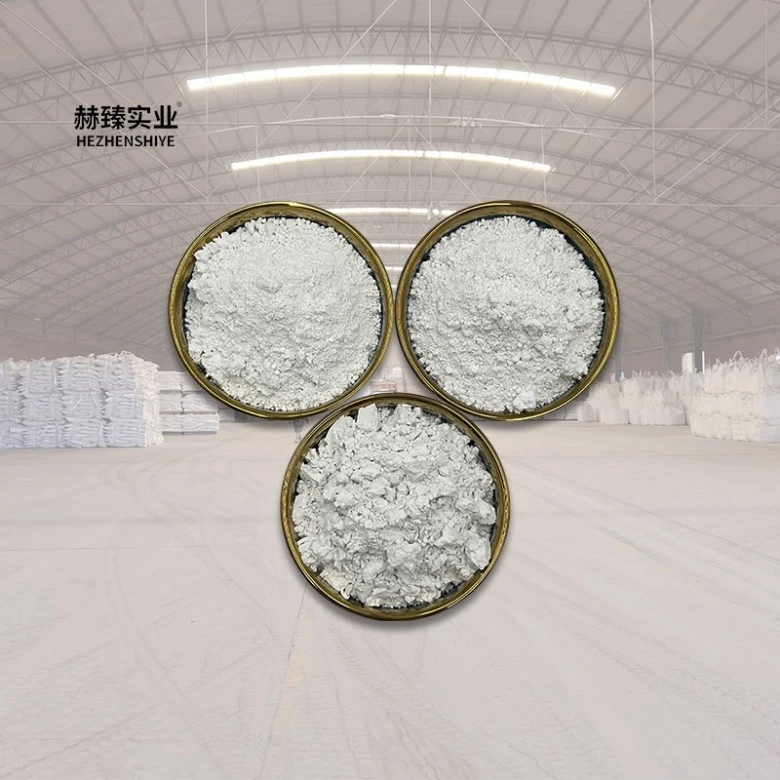
Having worked around industrial materials for quite a while, I can say one thing for certain: fine sand white isn’t just some plain old sand you find on beaches. It feels more like a quietly essential player in a lot of fields—from water filtration to construction to molding. It's the kind of raw material that you don't pay much attention to until you need it done just right.
Oddly enough, the real charm is in its consistency and purity. When many engineers talk about fine white sand, they usually emphasize its silica content and particle uniformity. We once had a site where inconsistent sand quality caused headaches for the filtration systems — suddenly, switching to a reliable fine white sand cleared things right up.
Fine Sand White Product Specifications
| Specification | Details |
|---|---|
| Silica Content (SiO₂) | Approximately 99% |
| Color | Pure white to off-white |
| Grain Size | 0.05 - 0.25 mm (fine sand range) |
| Mohs Hardness | 7 |
| Bulk Density | 1.55 - 1.65 g/cm³ |
| Moisture Content | Less than 0.5% |
Choosing the Right Fine Sand White Supplier: What Sets Them Apart?
Beyond specs, it's the vendor reliability that often makes or breaks your project. From my time in the field, I noticed that just buying cheap sand can sometimes lead to costly delays. Here’s a quick vendor snapshot I put together after working with several suppliers on industrial sand:
| Vendor | Purity (%) | Grain Size Range | Shipping Options | Typical Lead Time |
|---|---|---|---|---|
| Hezhenshiye | 99+ | 0.05 - 0.25 mm | Flexible, bulk & packaged | 1-2 weeks |
| Global Sands Co. | 98.5 | 0.1 - 0.3 mm | Packaged only | 3-4 weeks |
| PureQuartz | 99+ | 0.02 - 0.2 mm | Bulk only | 2 weeks |
Why Fine Sand White Works: A Practical Perspective
If you ask me, the charm of white fine sand lies beyond just purity. In real terms, it’s about reliability on the job site. A friend in filtration once told me that sub-par sand caused clogged filters, which, as you know, isn’t just annoying — it costs downtime, which nobody can afford. With a quality supplier, that’s pretty much a non-issue.
Customization options are often overlooked too. Vendors like Hezhenshiye allow you to specify tight grain size distributions and moisture levels, which can be a big advantage depending on whether you’re in glassmaking, casting, or even specialized landscaping.
Over the years, I’ve seen fine sand go from a "nice to have" to a crucial ingredient in many industrial recipes. You can think of it as that quiet teammate who gets no glory but does a lot of the heavy lifting.
Final Thoughts on Fine Sand White
In summary, when you’re specifying fine sand white for your project, think beyond just color and price. Look for particle consistency, vendor reliability, and the right specs that match your purpose. While it may sound simple, there’s an art and science behind sourcing and applying this humble material effectively.
Sometimes, it’s the subtle details—cleanliness, moisture content, and uniformity—that make all the difference in performance. And frankly, it’s these things you come to appreciate the longer you're in the industry.
Anyway, I’m always curious what others think—there’s always more to learn from how these materials behave on site, after all...
References & Notes
- Industry insights from 15+ years working with silica sands in filtration and construction.
- Vendor data sheets and product testing from leading suppliers including Hezhenshiye.
- Practical experiences managing industrial sand procurement and quality control on multiple projects.