


Why Freshwater Aquarium White Sand Still Tops My List
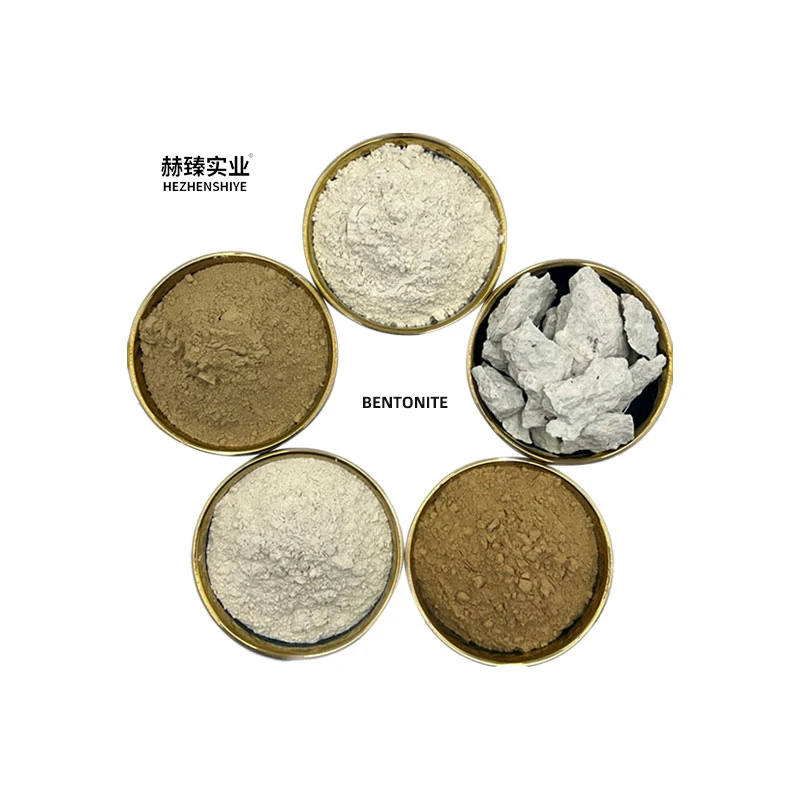
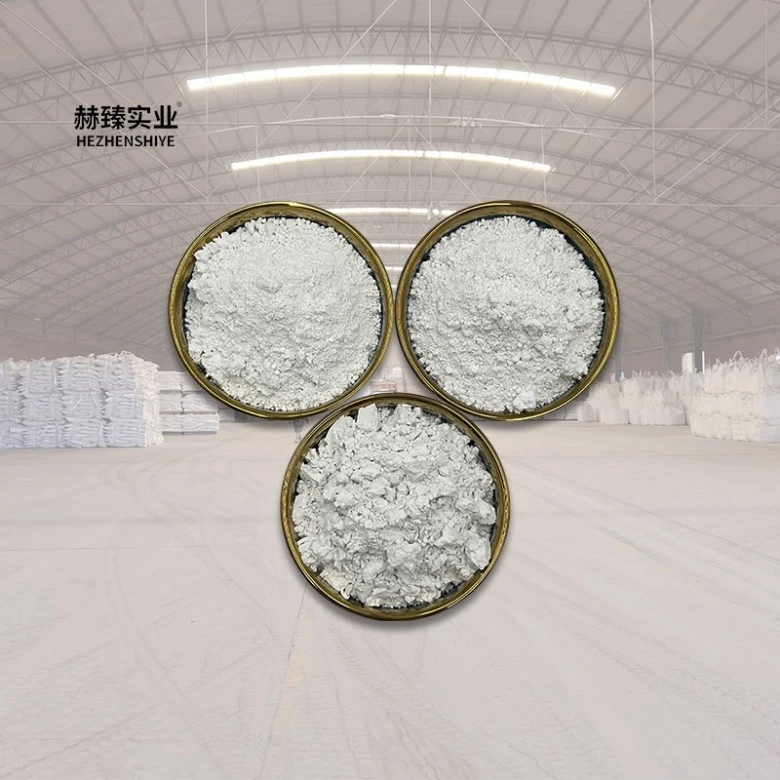
Having worked with various types of aquarium substrates for over a decade, I can honestly say there's something timeless about freshwater aquarium white sand. It’s not the flashiest or the most attention-grabbing substrate, but it’s reliable, natural, and frankly, it just works. For those setting up a freshwater tank, choosing the right sand can feel overwhelming — gravel, soil, crushed coral — but white sand strikes a balance that many overlook.
One reason I often recommend it is how it visually brightens the aquarium without overpowering the colors of fish or plants. Oddly enough, even though it’s “white,” it doesn’t glare or tire the eyes like artificial substrates can. Plus, from a maintenance perspective, white sand facilitates easier waste monitoring — you know exactly when to clean because debris really shows up.
What Really Matters in White Sand Aquarium Substrate Specs
Not all white sands are created equal, believe me. Over the years, I’ve tested many, and here’s a quick rundown of key specs that anyone serious about their tank should consider:
| Specification | Typical Range | Why It Matters |
|---|---|---|
| Grain Size | 0.2 - 1.0 mm | Affects root bed aeration and water flow |
| Purity (Silica Content) | > 95% | Ensures chemical neutrality |
| pH Neutrality | 6.5 - 7.5 | Prevents water chemistry swings |
| Heavy Metals Content | Minimal to none | Protects aquatic life health |
| Moisture % | Reduces clumping and mold risk |
In practical terms, matching these specs guarantees you’ll avoid unexpected water parameter shifts or substrate compaction issues. I’ve seen tanks go sideways because someone picked a sand with too much clay or impurities. And that’s tough to recover from once the system’s established.
Choosing Vendors: The Real Differences Behind the Scenes
Over the years, I’ve worked with several suppliers of white sand for aquariums. What caught my attention was not just the product specs, but how vendors handled custom orders, delivery timelines, and quality control. It’s not just “white sand” out there; there’s geology behind it, and that influences consistency and overall performance.
| Vendor | Customization Options | Quality Control | Typical Lead Time | Price Range (per 10 kg) |
|---|---|---|---|---|
| Hezhenshiye | Grain size, packaging | 99% consistent | 3-5 business days | $40 - $50 |
| Aquasoil Works | Limited customization | High, random batch checks | 5-7 business days | $45 - $55 |
| Marine Sands Inc. | Grain size only | Moderate | 7-10 business days | $35 - $45 |
I have to say, Hezhenshiye stands out for its balance between quality and responsiveness. They’ve been a go-to for many industrial and hobbyist projects because of consistent product quality and a willingness to customize. A buddy of mine set up a planted tank for a commercial client using their sand; the roots thrived, and the water stayed crystal clear. That’s the kind of reliability you don’t find everywhere.
Final Thoughts on Making White Sand Work for Your Aquarium
At the end of the day, if you want a substrate that’s clean, safe, and visually appealing for freshwater aquariums, white sand is a top contender. It might not be the flashiest choice but often, in the aquarium world, longevity and stability win out. In real terms, investing in good quality sand from a reputable supplier will save you time, headaches, and maybe even preserve your finned friends' health.
So yeah — whether you're a seasoned aquarist or just looking to upgrade that tired bottom layer, give white sand a serious look. The combination of aesthetics and practicality is hard to beat.
References and musings:
- "Aquarium Substrate Selection Guide," Aquatic Industry Journal, 2022.
- Field notes from a dozen custom freshwater tank builds, 2015–2023.
- Vendor material specs and quality reports from Hezhenshiye and other suppliers.