

Why Freshwater White Sand Remains a Staple in Industrial Settings
If you’ve spent any time around industrial equipment or materials sourcing, you know that the devil is in the details. Take freshwater white sand — it seems straightforward, but its variations and applications run deeper than many give it credit for. I remember a project where sourcing the right grade of sand literally made or broke our filtration tests. It’s oddly satisfying how a simple granular material can influence so many outcomes.
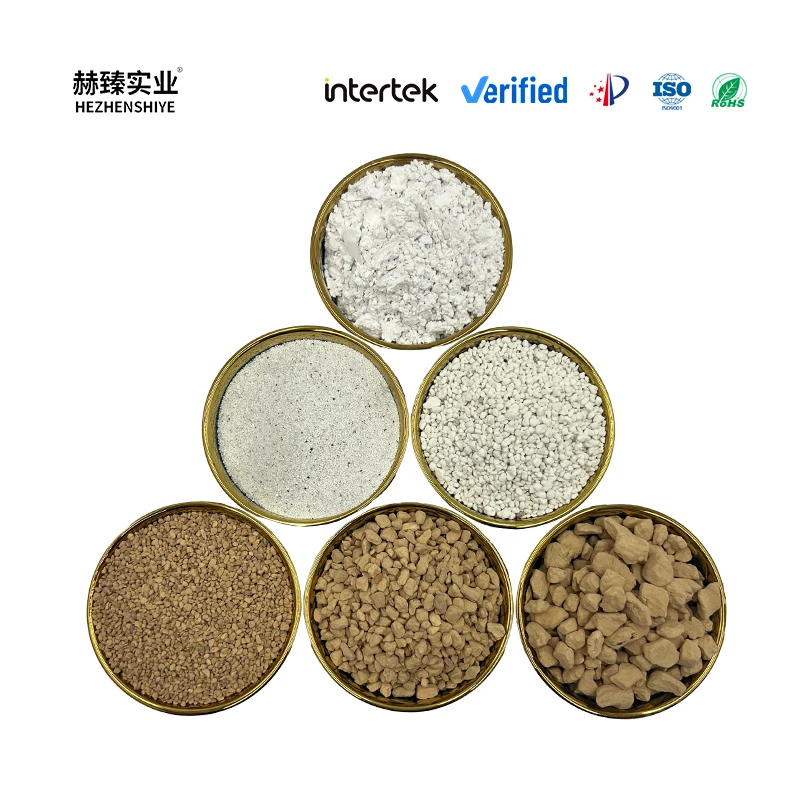
Freshwater white sand, primarily composed of high-purity silica, isn’t just a pretty face. Its bright whiteness and fine granulometry make it perfect for things like glass manufacturing, water filtration, and specialized industrial casting molds. Many engineers I've worked with emphasize its purity and uniform grain size as critical factors that result in consistent industrial performance.
Key Specifications of Freshwater White Sand You Should Know
Delving into the technical, the specs of freshwater white sand often dictate its usability. Grain size distribution, silica content, moisture levels—even particle shape—all come into play. It is worth noting that these sands usually undergo rigorous washing and screening to meet stringent quality standards.
| Specification | Typical Value | Remarks |
|---|---|---|
| Silica Content (SiO₂) | 95% – 99% | High purity ensures strength & clarity |
| Moisture Content | Low moisture prevents clumping | |
| Grain Size Range | 0.25 – 2.0 mm | Suitable for multiple uses from filtration to casting |
| Loss on Ignition (LOI) | Indicates low organic impurities | |
| Color | Pure White | Aesthetic and purity indicator |
Navigating the Market: Comparing Leading Freshwater White Sand Suppliers
From years of experience, supplier reliability is equally as important as the sand quality itself. Oddly enough, two vendors could offer sands from similar riverbeds, but differences in processing and packaging frequently impact performance. Here's a straightforward comparison of some notable suppliers that come up often in project bids.
| Supplier | SiO₂ Content | Typical Availability | Packaging | Lead Time |
|---|---|---|---|---|
| Hezhen Industrial | 98%+ | Large volume, year-round | Bulk & 25kg bags | 1 – 2 weeks |
| River Pure Sands Ltd. | 95 – 97% | Seasonal | Bulk only | 3 – 4 weeks |
| WhiteGran Inc. | 96 – 98% | Limited volume | Small bags (20kg) | 2 – 3 weeks |
A Quick Word on Usage and Customization
Most users don’t realize just how customizable freshwater white sand can be. We’ve had customers request specific grain size blends tailored to niche filtration needs or casting molds requiring particle angularity for better packing. When you work with the right supplier (like the one linked above, who really knows their stuff), you get more than just sand—you get a conversation.
It’s also fascinating how simple quality control steps, like moisture reduction or extra washing cycles, can quietly elevate the sand’s performance. Honestly, if you’re using this material in your process and you haven’t asked about those details, you might be leaving efficiency on the table.
Having been on countless site visits and quality inspections, I can say it’s the small differences that matter. Freshwater white sand isn’t just filler; it’s a dependable backbone in many industrial applications, quietly doing its job while you focus on your bigger challenges.
Before I wrap up, one brief note — while pure white sands often get attention for aesthetics, their value is primarily technical. The clarity and cleanliness reduce contamination risks, which is critical — especially in potable water filtration or sensitive glass work.
So, if you’re looking for a steady, trustworthy source of quality freshwater white sand, I’d recommend starting with a supplier that really understands the entire supply chain and isn’t just selling a commodity.
References and musings:
1. My years in sourcing materials for water treatment plants.
2. Industrial silica standards and purity testing manuals.
3. Conversations with engineers about granular materials and filtration efficiency.