

Drilling operations require precise and reliable materials to ensure efficiency and safety. Hezhen Drilling Briquette, made from calcium-base and sodium-base bentonite, has emerged as a critical solution in the drilling industry. This article delves into the product's features, advantages, technical specifications, and applications, while also highlighting the company behind this innovation.
Understanding Bentonite and Its Role in Drilling
Bentonite, a naturally occurring clay mineral, is renowned for its ability to swell and form a viscous gel when hydrated. This property makes it an ideal component for drilling fluids, as it helps stabilize the wellbore, seal off permeable formations, and carry cuttings to the surface. The Hezhen Drilling Briquette leverages this unique characteristic to optimize drilling performance.
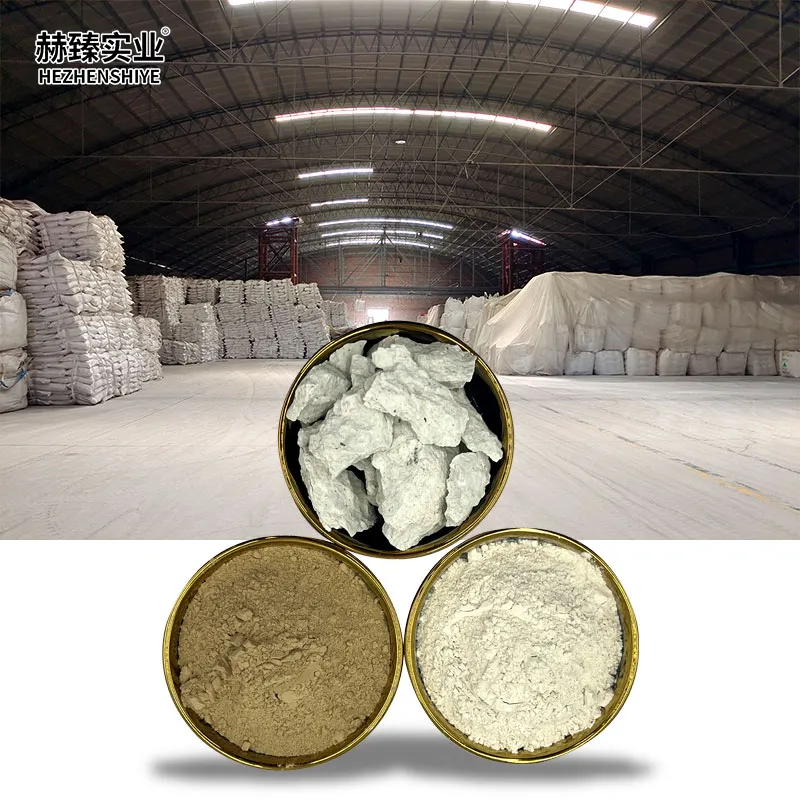
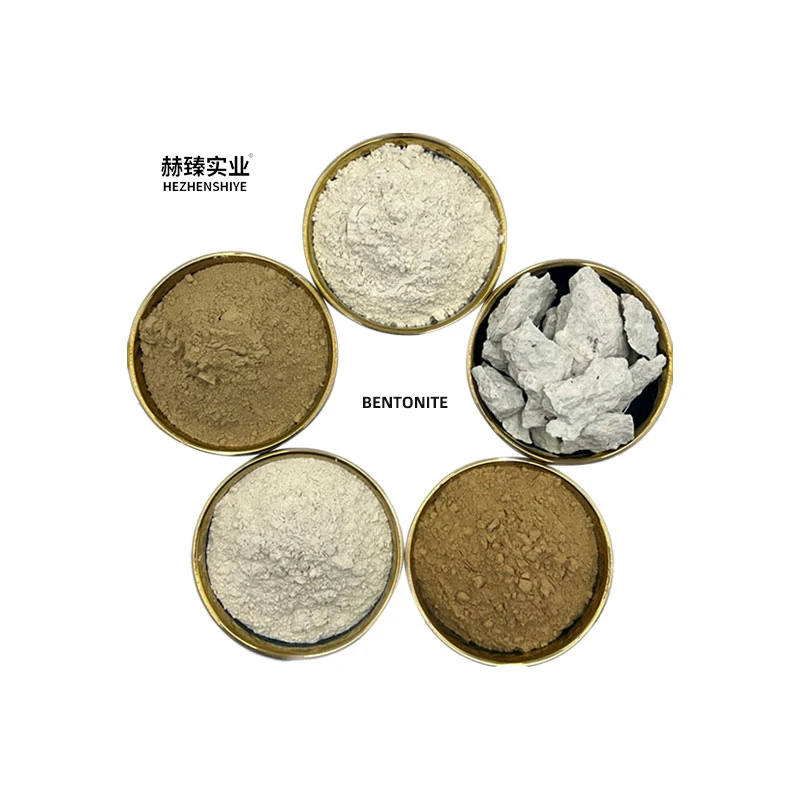
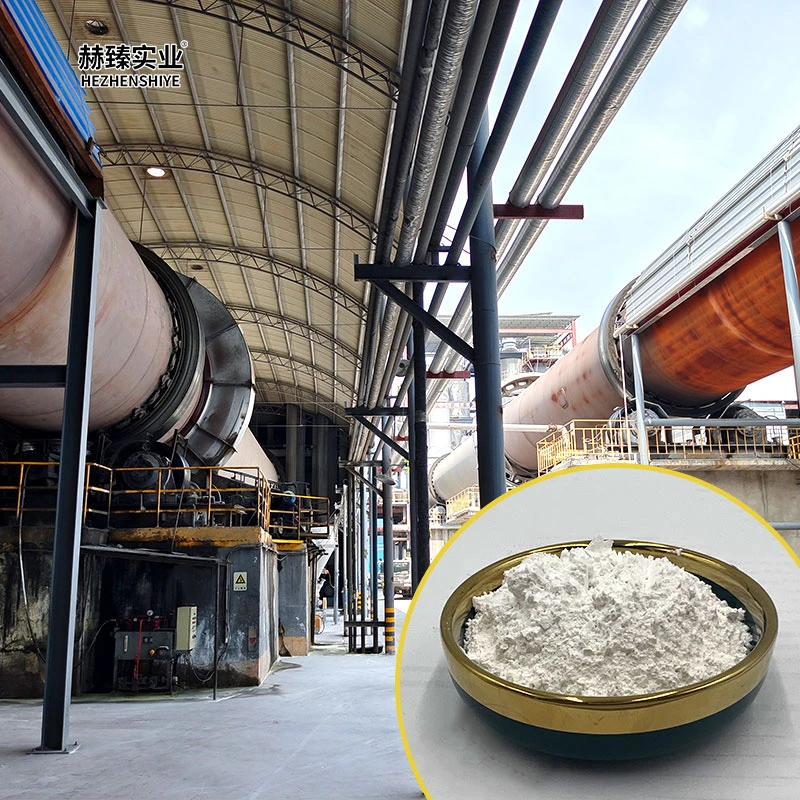
Figure 1: Hezhen Drilling Briquette in action, demonstrating its application in drilling operations.
Advantages of Drilling Briquettes Over Loose Bentonite
Drilling briquettes, made from compressed bentonite powder, offer several advantages over loose bentonite powder. They are easier to handle, transport, and store, reducing the risks associated with dust exposure and spillage. Additionally, briquettes provide a more consistent and predictable performance due to their uniform composition. This makes them a preferred choice for industrial and commercial drilling applications.
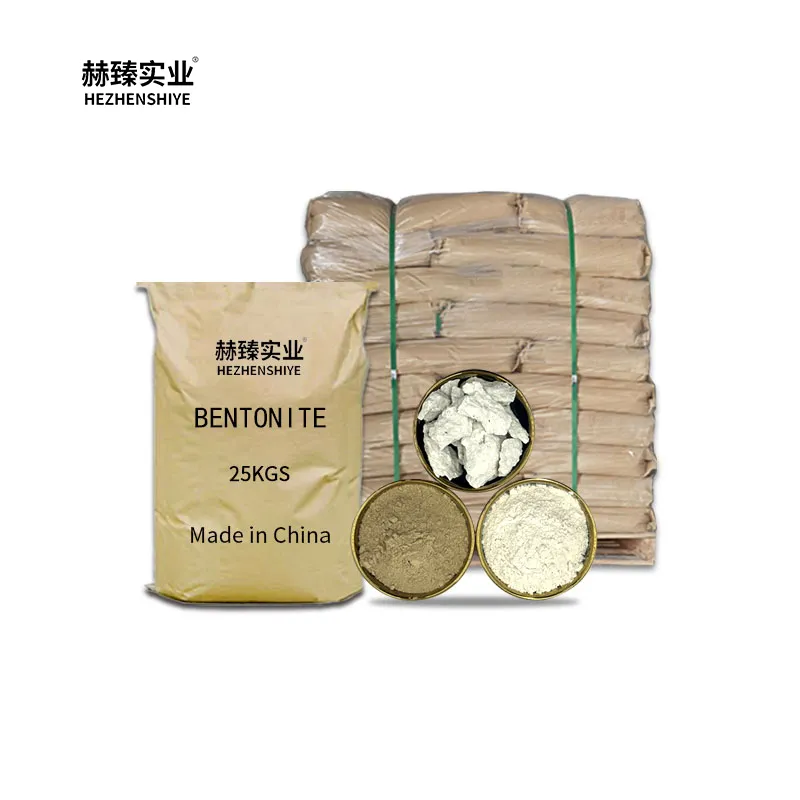
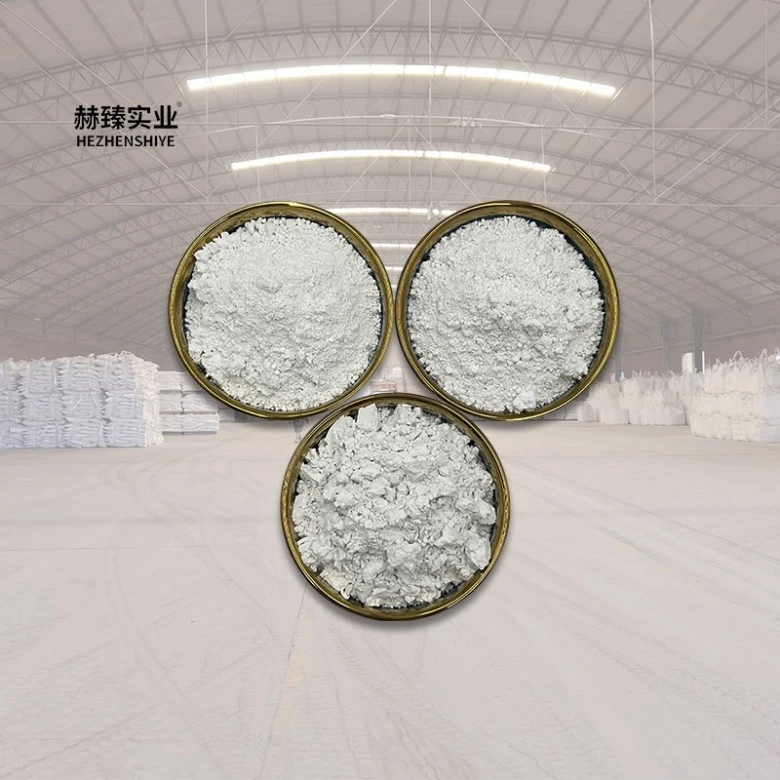
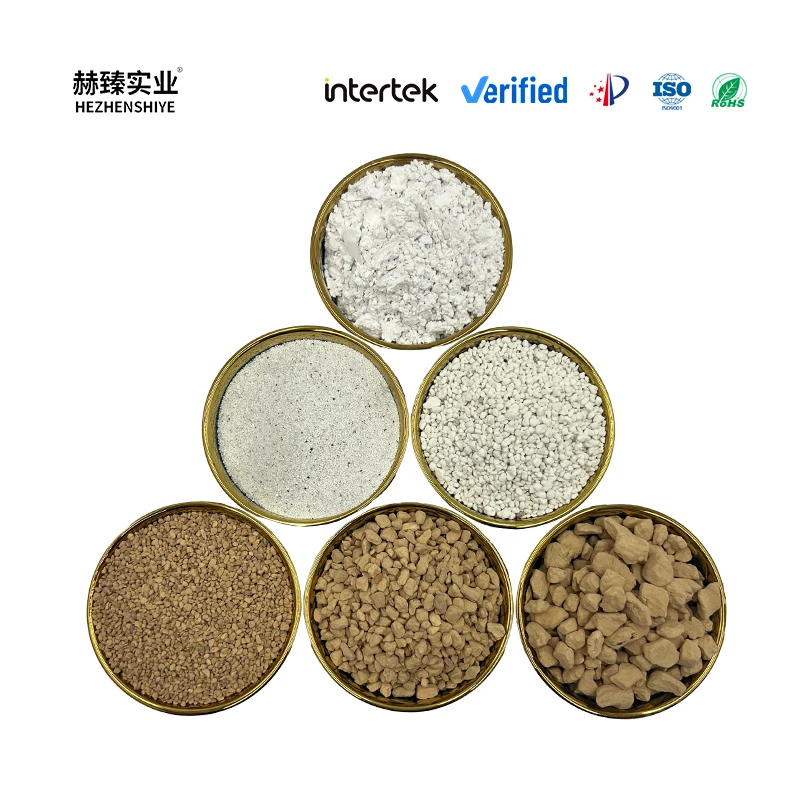
Figure 2: Hezhen Drilling Briquette in different forms, showcasing its versatility.
Calcium-Base vs. Sodium-Base Bentonite: Key Differences
Both calcium-base and sodium-base bentonite briquettes have their unique benefits. Calcium-base bentonite is noted for its high gel strength and temperature stability, making it suitable for deeper and hotter wells. On the other hand, sodium-base bentonite exhibits better fluid loss control and thixotropic properties, which are essential for maintaining wellbore stability in various drilling conditions.
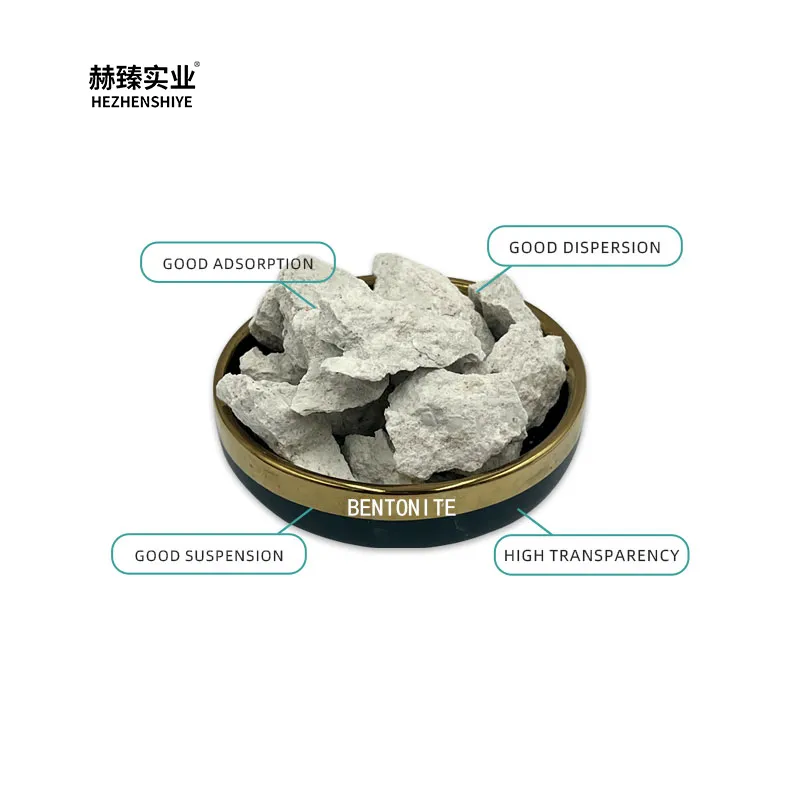
Figure 3: Hezhen Drilling Briquette in different colors, highlighting its adaptability to various drilling environments.
Technical Specifications of Hezhen Drilling Briquette
The Hezhen Drilling Briquette is designed to meet the highest industry standards. Below is a detailed specification table:
| Feature | Details |
|---|---|
| Place of Origin | China |
| Color | White/Yellow |
| Shape | Powder |
| Purity | 90-95% |
| Grade | Industrial Grade, Food Grade |
| Package | 25kg/bag, customized package |
| MOQ | 1kg |
Applications in the Drilling Industry
The Hezhen Drilling Briquette is indispensable for optimizing drilling performance across various scenarios. Its ability to stabilize wellbores and control fluid loss makes it suitable for:
- Deep well drilling
- High-temperature environments
- Permeable formation sealing
- Carrying cuttings to the surface
Company Background: Hebei Hezhen Industry Co., Ltd.
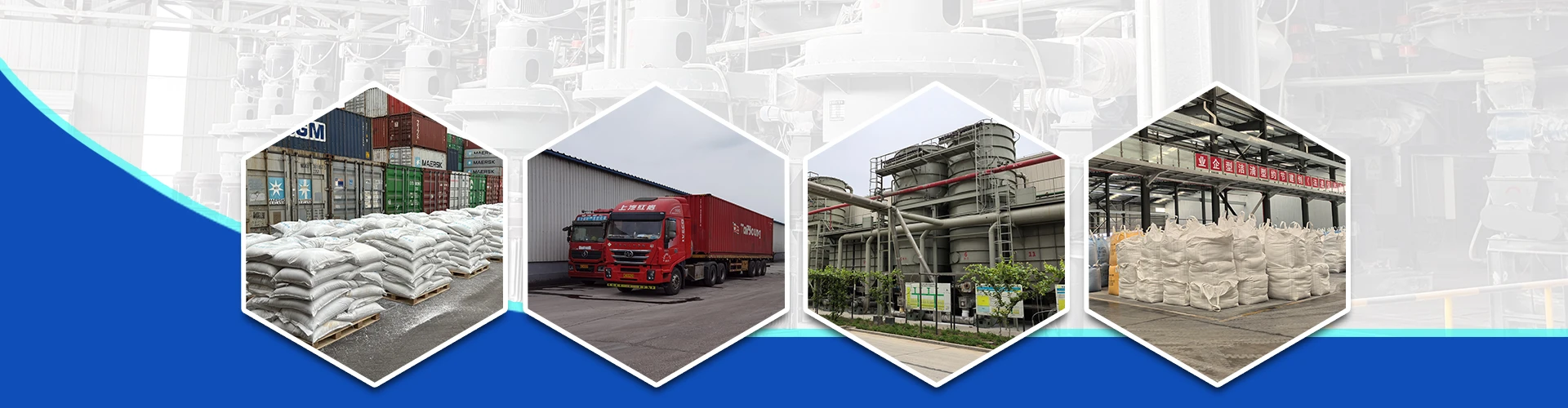
Founded as 石家庄铧邦进出口贸易有限公司(河北赫臻) (Hebei Hezhen Industry Co., Ltd.), the company has established itself as a leader in the production and supply of high-quality drilling materials. With a commitment to innovation and customer satisfaction, Hezhen ensures that its products meet international standards. Their expertise in bentonite drilling mud solutions has made them a trusted partner for industries worldwide.
Ensuring Quality and Reliability
The Hezhen Drilling Briquette undergoes rigorous quality control to ensure consistency and performance. As highlighted by the National Institute of Standards and Technology (NIST), "Standardized testing and measurement are critical for ensuring the reliability of industrial materials" (NIST, 2025). Hezhen's adherence to such principles underscores its commitment to excellence.
Conclusion
The Hezhen Drilling Briquette represents a significant advancement in drilling technology. Its combination of calcium-base and sodium-base bentonite offers unparalleled performance, making it an essential component for modern drilling operations. Whether for deep wells, high-temperature environments, or permeable formations, this product delivers the reliability and efficiency required to meet industry demands.
References
NIST (National Institute of Standards and Technology). (2025). https://www.nist.gov/