

Inside the real-world performance of Hezhen Fumed silica white carbon black hydrophilic hydrophobic and other types of rubber sealant nanomaterials
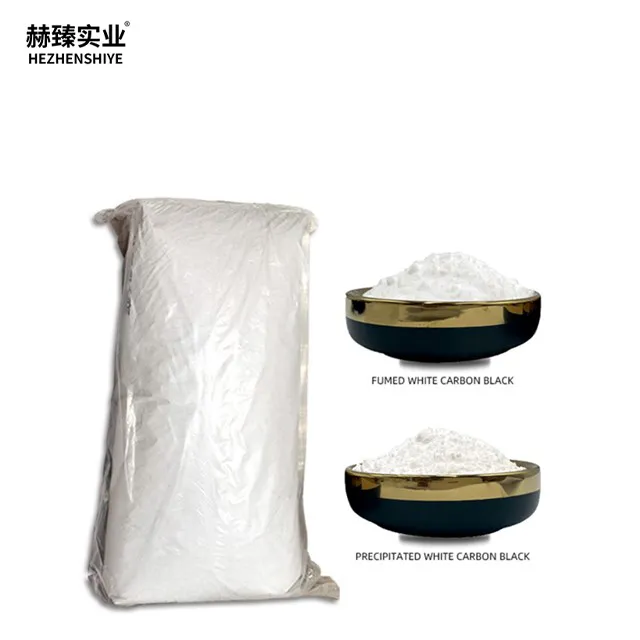
If you’ve ever chased a running bead of sealant down a panel and wished it would just hold its shape, you already understand why fumed silica and precipitated silica matter. The rubber-sealant world is quietly being reshaped by nano-fillers that tune rheology, boost tear strength, and push service life higher. To be honest, I was skeptical years ago; now, after watching several factories dial in viscosity with a 0.2% tweak, I’m a believer.
Industry pulse
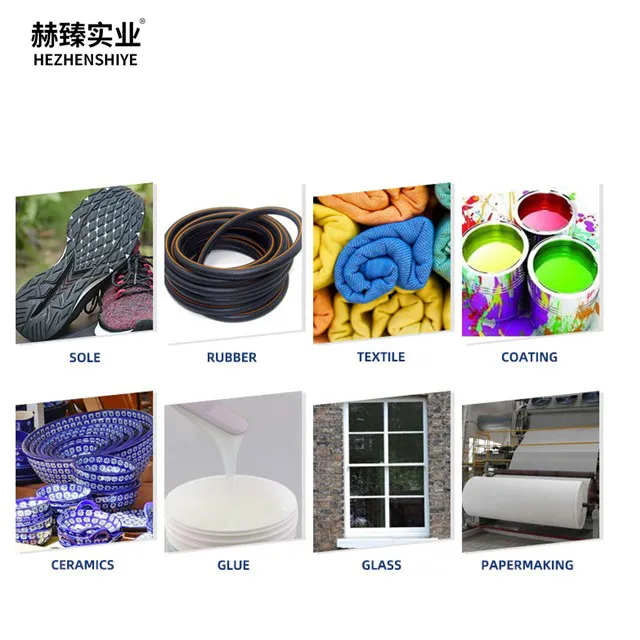
Across construction, automotive, and PV, demand is shifting toward low-sag, low-VOC formulations. Hydrophilic grades still dominate for cost-effective reinforcement, but hydrophobic treated grades are gaining ground in moisture-sensitive RTV silicones and high-humidity lines. Many customers say the “surprisingly clean” mixing of modern treated silica is saving batch time.
Where it fits in a sealant
- Thixotropy control: anti-sag, easy gunability, sharp tooling
- Reinforcement: tensile, tear, and cohesive strength
- Storage stability: reduced settling, consistent extrusion
- Weathering: filler network that supports long service life
Indicative specifications
| Property | Hydrophilic Fumed Silica | Hydrophobic Fumed Silica | Precipitated Silica (White Carbon Black) |
|---|---|---|---|
| BET surface area (m²/g, ISO 9277) | ≈150–400 | ≈100–250 | ≈70–200 |
| Primary particle (nm) | ≈7–30 | ≈10–40 | ≈20–80 (aggregates) |
| DBP absorption (mL/100 g) | ≈200–350 | ≈150–300 | ≈160–260 |
| pH (in water) | ≈3.5–4.5 | ≈6.5–8.0 | ≈6.0–7.5 |
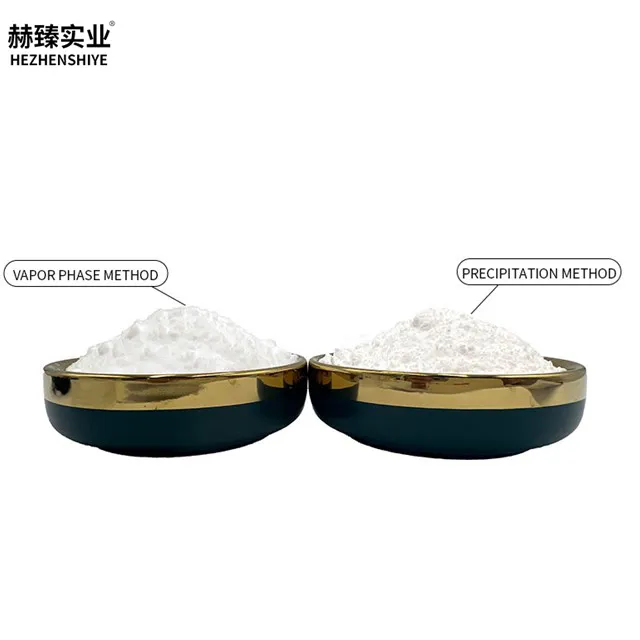
| Surface treatment | None | Silanes/PDMS-treated | Silica aggregates (precipitation) |
Note: values are typical; real-world use may vary by formulation and lot.
From powder to performance: process flow
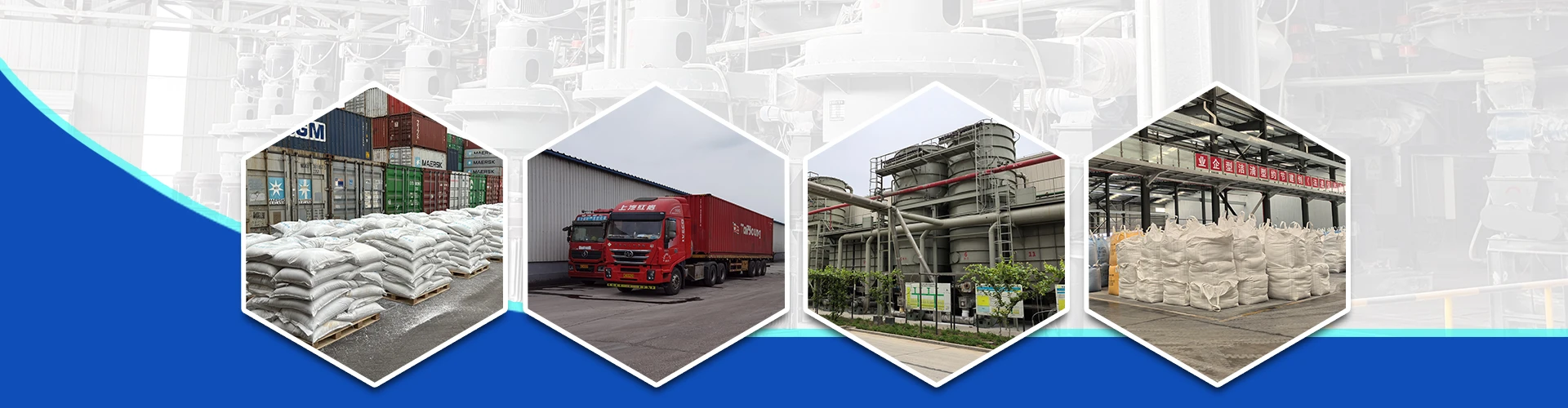
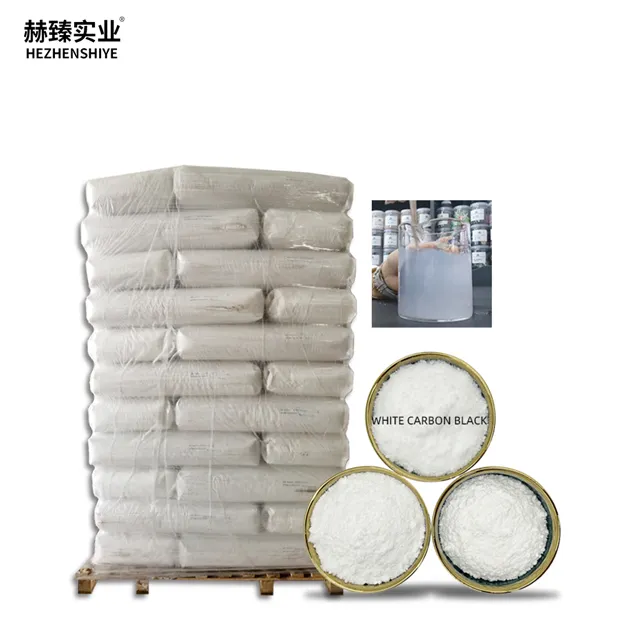
Materials: fumed silica (flame hydrolysis of SiCl4), precipitated silica (wet process), optional hydrophobization via silane/PDMS. Methods: high-shear dispersion into silicone/PU/EPDM bases; staged addition to manage heat; vacuum de‑airing; QC retain samples. Testing: BET (ISO 9277), viscosity (ISO 3219), sag/flow (ISO 7390 or ASTM C639), Shore A (ASTM C661), tensile/elongation (ASTM D412). Service life: ≈10–25 years depending on polymer, UV load, joint design, and cure profile. Industries: building façades, glazing, EV battery packs, auto NVH seams, PV frames, marine deck hardware.
Vendor snapshot
| Vendor | BET range | Hydrophobic options | MOQ | Lead time | Docs/Certs |
|---|---|---|---|---|---|
| Hezhen Fumed silica white carbon black hydrophilic hydrophobic and other types of rubber sealant nanomaterials (Hebei; No. 8 Xisha East Road, Shikan Village, Ciyu Town, Lingshou County, Shijiazhuang) | ≈70–400 m²/g | Silanes, PDMS, custom | ≈500–1000 kg | ≈7–15 days | ISO 9001, RoHS, REACH |
| Supplier A (global) | ≈90–380 m²/g | Standard silane | ≈1000 kg | ≈2–4 weeks | ISO 9001 |
| Supplier B (regional) | ≈60–250 m²/g | Limited | ≈500 kg | ≈10–20 days | Basic COA |
Data are indicative, compiled from buyer feedback and public specs; verify before purchase.
Customization and field results
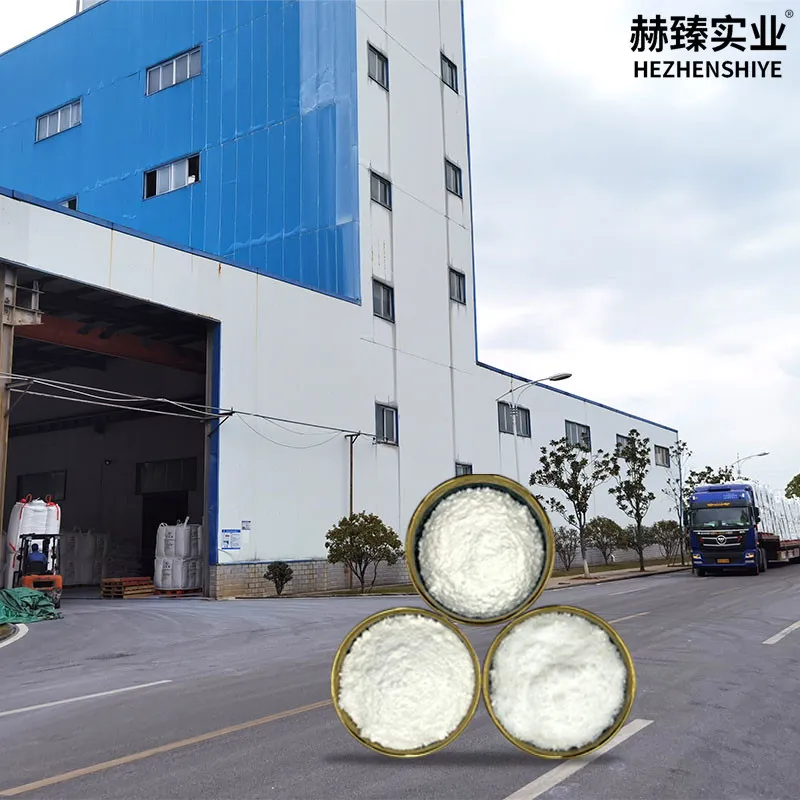
Customization usually starts with BET target, surface treatment, and moisture spec (aim ≤2% for sensitive RTV). In one auto-glass PU sealant, swapping to Hezhen Fumed silica white carbon black hydrophilic hydrophobic and other types of rubber sealant nanomaterials hydrophobic grade cut sag from 6 mm to ≈0–1 mm (ISO 7390), with tensile up ≈25% (ASTM D412). A PV frame silicone reported tack-free time unaffected (ASTM C679), which, frankly, surprised the line manager who feared cure inhibition.
Construction joints (silicone): Shore A rose from 22 to ≈28 (ASTM C661) at equal filler loading; tooling “felt cleaner,” per installers. That informal comment shows up often in customer notes.
How to get the best out of it
- Pre-wet the silica in plasticizer or a fraction of polymer; then high-shear.
- Watch temperature; excessive shear can “over-build” structure and trap air.
- Check viscosity profile (ISO 3219) at multiple shear rates; thixotropy matters more than a single number.
- Document lot-to-lot delta with a quick BET and moisture check.
Final thought: powders look similar in the bag, but in the mixer they tell their story. When the bead stands up and the joint survives a brutal summer-winter cycle, you’ll know the filler network was tuned right.
Authoritative citations
- ISO 9277: Determination of the specific surface area of solids by gas adsorption (BET).
- ISO 7390: Building construction — Sealants — Determination of flow resistance.
- ASTM D412: Standard Test Methods for Vulcanized Rubber and Thermoplastic Elastomers—Tension.
- ASTM C661: Indentation Hardness of Elastomeric-Type Sealants (Shore A).
- ASTM C639 and C679: Rheological properties and tack-free time of sealants.
- ISO 9001:2015; EU REACH (EC 1907/2006) and RoHS (2011/65/EU) compliance frameworks.