

Introduction to High-Performance Silica Anti-Caking Agents and Industry Trends
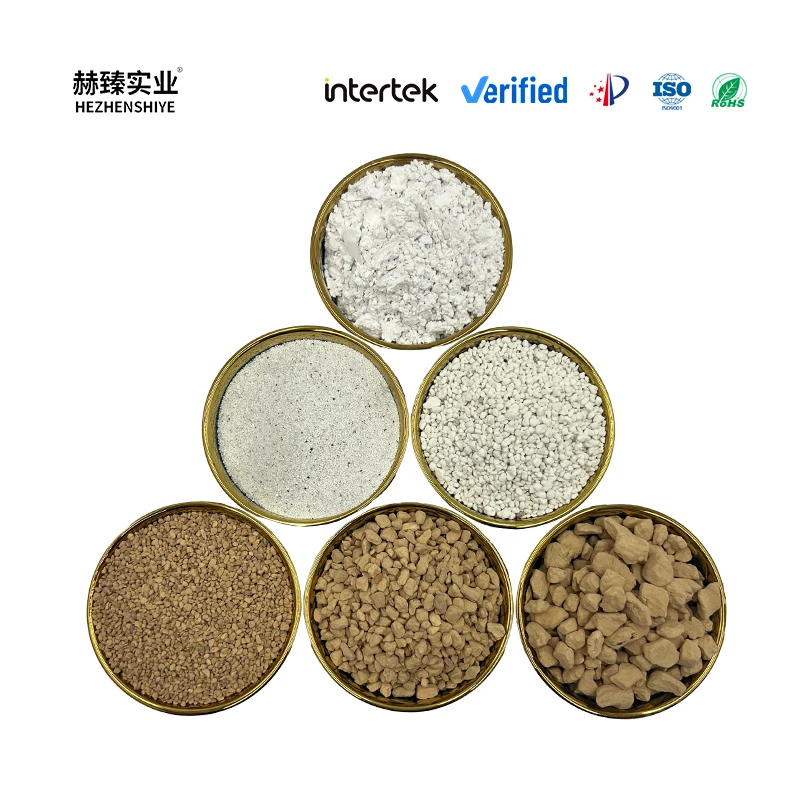
In the rapidly evolving materials science landscape, the performance of fillers and additives critically impacts the quality, processability, and ultimate characteristics of end products. Particularly within the rubber, plastic, and paper coating industries, the challenge of material agglomeration and inconsistent dispersion remains a significant hurdle. Addressing this, Hezhen Silica meteorological precipitation method rubber plastic paper coating filled with anti-caking agent stands out as a leading-edge solution. This specialized precipitated silica is engineered to deliver superior anti-caking properties while enhancing the mechanical and functional attributes of various composite materials.
Current industry trends indicate a strong demand for advanced material additives that not only prevent caking during storage and processing but also contribute positively to sustainability, efficiency, and end-product performance. Manufacturers are increasingly seeking solutions that offer precise particle size distribution, high specific surface area, and controlled oil absorption to optimize rheological properties, reduce processing energy, and improve material handling. The shift towards higher performance composites and coatings, driven by sectors such as automotive, electronics, and specialty packaging, necessitates anti-caking agents that can meet stringent technical specifications without compromising material integrity. Hezhen Silica's innovative approach aligns perfectly with these market dynamics, offering a robust solution for enhancing production workflows and final product quality.
Detailed Manufacturing Process Flow
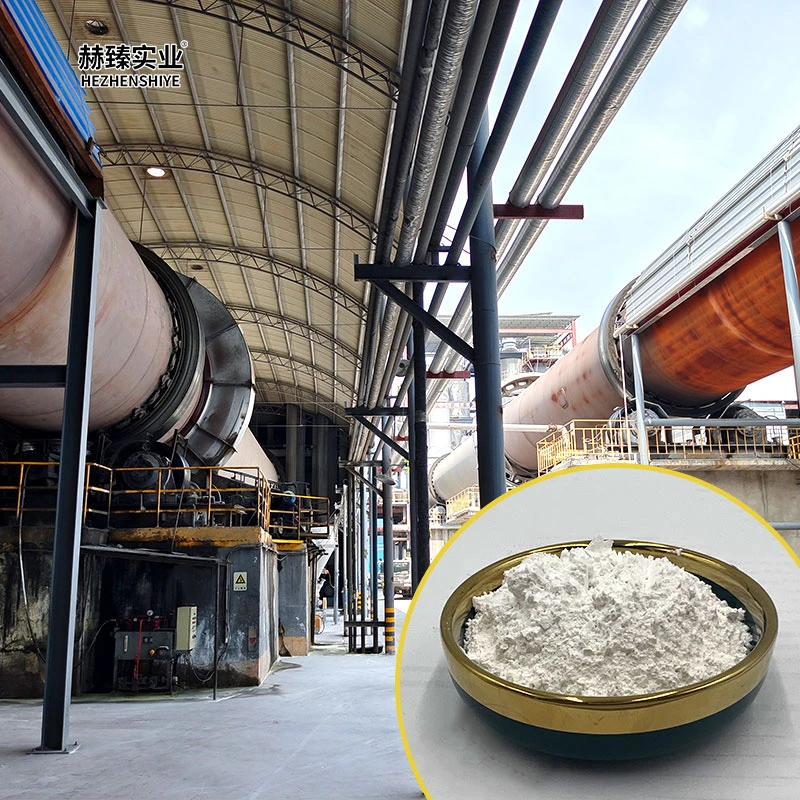
The production of Hezhen Silica meteorological precipitation method rubber plastic paper coating filled with anti-caking agent involves a meticulously controlled chemical synthesis pathway designed to yield amorphous silica with tailored physical and chemical properties. This "meteorological precipitation method" denotes an advanced, proprietary process that precisely manipulates reaction parameters – including temperature, pH, reactant concentration, and agitation speed – to control the nucleation and growth of silica particles, akin to how atmospheric conditions influence weather phenomena. This level of control ensures a highly uniform particle morphology, optimal specific surface area, and desired porosity crucial for its anti-caking and reinforcing functionalities.
Process Steps:
- Raw Material Preparation: High-purity sodium silicate solution (Na2SiO3) and a mineral acid, typically sulfuric acid (H2SO4), are prepared to precise concentrations. These are foundational materials, and their quality significantly influences the final product's characteristics.
- Precipitation Reaction (The "Meteorological" Phase): This is the core of the process. Sodium silicate solution and sulfuric acid are reacted under carefully controlled conditions in a precipitation reactor. The "meteorological" control involves continuous monitoring and adjustment of pH, temperature, and addition rates to ensure homogeneous nucleation and controlled particle growth. This stage determines the primary particle size, aggregate structure, and specific surface area (BET surface area), which are critical for anti-caking efficacy and reinforcement.
- Aging: Post-precipitation, the silica slurry undergoes an aging process. This allows for further particle growth and structural rearrangement, stabilizing the particle morphology and enhancing desired properties such as oil absorption (DBP absorption) and structural integrity.
- Filtration and Washing: The aged silica slurry is filtered to separate the solid silica from the liquid phase. The filter cake is then extensively washed with deionized water to remove soluble salts (e.g., sodium sulfate) and impurities, ensuring high purity of the final product. Thorough washing is crucial to prevent adverse effects on the performance of rubber, plastic, and paper coatings.
- Drying: The purified filter cake is then dried using specialized equipment, often spray dryers or rotary dryers, to achieve the desired moisture content. The drying process is carefully controlled to prevent hard agglomeration and maintain the porous structure of the silica particles.
- Milling and Classification: The dried silica is milled to break down soft agglomerates and achieve the target particle size distribution. Subsequent classification ensures uniformity, removing oversized particles and fines to guarantee consistent performance as an anti-caking agent.
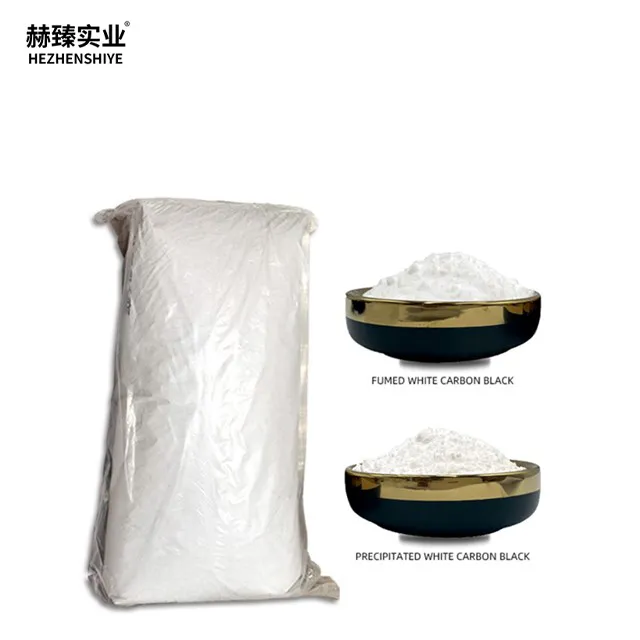
- Quality Control and Packaging: Throughout the process, stringent quality control measures are implemented, adhering to standards such as ISO 9001. Samples are regularly tested against specifications for SiO2 content, BET surface area, DBP absorption, pH, and particle size. The finished product is then packaged in moisture-resistant bags or container111s for delivery.
Testing Standards and Advantages:
All manufacturing stages and final products undergo rigorous testing according to internal protocols and relevant industry standards such as ASTM D6816 (for precipitated silica), ISO 787 (general test methods for pigments and extenders), and specific customer requirements. This ensures consistent quality and performance. The typical service life of materials incorporating Hezhen Silica is significantly extended due to improved material integrity and resistance to degradation.
In target industries like advanced materials for automotive (rubber), packaging (plastics), and high-performance printing (paper), the advantages are clear: improved dispersion leads to energy saving during compounding by reducing mixing times and energy input. Furthermore, by acting as a superior filler and anti-caking agent, it enhances the mechanical strength and durability of the final products, indirectly contributing to corrosion resistance and overall product longevity in demanding environments where the rubber, plastic, or coated paper products are ultimately utilized.
Technical Specifications and Data Visualization
The efficacy of Hezhen Silica meteorological precipitation method rubber plastic paper coating filled with anti-caking agent is defined by a precise set of technical parameters, which are meticulously controlled during its manufacturing. These parameters ensure optimal performance across diverse applications, offering consistent quality for B2B partners. Below is a specification table for a typical grade of Hezhen Silica, followed by a comparative analysis.
Typical Product Specifications for Hezhen Silica
Comparative Performance Analysis: Hezhen Silica vs. Standard Precipitated Silica
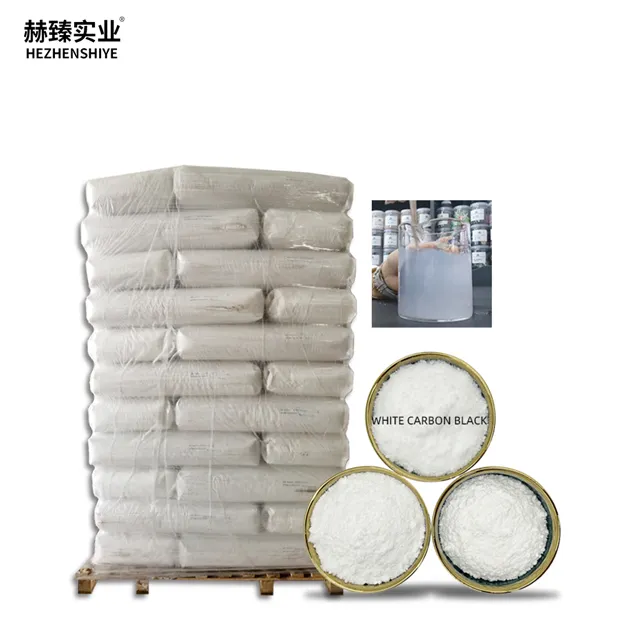
The superior control offered by the "meteorological precipitation method" translates into distinct performance advantages over standard precipitated silicas. This comparison highlights why Hezhen Silica is preferred for demanding applications:
Key Application Scenarios
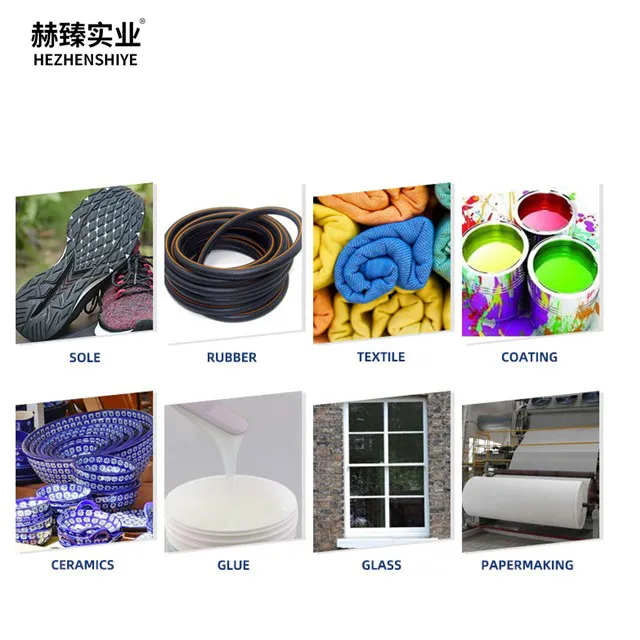
The versatile properties of Hezhen Silica meteorological precipitation method rubber plastic paper coating filled with anti-caking agent make it an indispensable additive across a spectrum of industrial applications. Its ability to prevent caking, improve flow, and enhance mechanical properties addresses critical needs in material processing and product performance.
Rubber Industry Applications:
- Reinforcing Filler: Used in tire compounds (e.g., green tires), industrial rubber products (conveyor belts, hoses), and footwear to improve tensile strength, tear strength, and abrasion resistance, while also reducing rolling resistance in tires for fuel efficiency.
- Processing Aid: Enhances the rheological properties of rubber compounds, leading to easier mixing, calendering, and extrusion, thereby reducing energy consumption and cycle times.
- Anti-Caking Agent: Prevents agglomeration of rubber compounding ingredients during storage and handling, ensuring consistent batch quality.
Plastic Industry Applications:
- Anti-Blocking Agent: Effectively separates layers of plastic films (e.g., BOPP, PE, PVC) during winding and unwinding, crucial for packaging films and agricultural films. Its uniform particle size ensures minimal impact on transparency and surface aesthetics.
- Matting Agent: Provides a controlled matte finish in plastic coatings, films, and sheets, reducing gloss and improving aesthetic appeal for applications like automotive interiors or consumer electronics.
- Flow Aid/Carrier for Masterbatches: Improves the flowability of powdered resins and acts as an excellent carrier for liquid or solid masterbatches, ensuring uniform distribution of additives in the polymer matrix.
- Reinforcing Filler: Can improve the mechanical properties of certain plastic composites, contributing to higher stiffness and heat deflection temperature.
Paper Coating Applications:
- Anti-Caking in Coating Formulations: Prevents the caking of pigments and other dry components in paper coating formulations, ensuring smooth, lump-free slurries and consistent coating application.
- Printability Enhancer: Improves ink receptivity, ink setting time, and overall print quality for coated papers used in magazines, brochures, and packaging. Its fine particle size and high porosity create a desirable surface texture.
- Surface Modification: Contributes to properties like brightness, opacity, and surface smoothness, which are critical for high-quality printing and aesthetic appeal of specialty papers.
Technical Advantages of Hezhen Silica
The "meteorological precipitation method" imparts unique and substantial advantages to Hezhen Silica meteorological precipitation method rubber plastic paper coating filled with anti-caking agent, setting it apart from conventional silica products. These technical superiorities translate directly into enhanced product performance and operational efficiencies for our B2B clients.
- Superior Anti-Caking Performance: The finely controlled particle size distribution and unique surface chemistry minimize particle-to-particle attraction, effectively preventing agglomeration and ensuring excellent flowability of powders and granular materials. This is paramount for consistent dosing and mixing in high-volume production.
- Enhanced Mechanical Properties: As a reinforcing filler, Hezhen Silica significantly improves the tensile strength, tear strength, and abrasion resistance of rubber and plastic compounds. Its optimal surface area and structure allow for strong interfacial adhesion with polymer matrices.
- Improved Processing Efficiency: The consistent particle morphology and high dispersibility lead to easier incorporation and uniform distribution within complex formulations. This reduces mixing times, lowers energy consumption during processing (e.g., extrusion, calendering), and minimizes equipment wear, contributing to overall energy saving.
- High Purity and Consistency: Rigorous quality control throughout the "meteorological precipitation method" ensures minimal impurities and batch-to-batch consistency. This reliability is crucial for industries with strict product specifications and performance requirements.
- Optimized Surface Characteristics: The precisely engineered surface allows for better interaction with various polymer systems and coating binders, leading to superior adhesion and improved final product characteristics such as surface smoothness, printability, and reduced blocking in films.
- Versatility Across Applications: With customizable grades, Hezhen Silica can be tailored to specific requirements, whether it's for high-performance tires, anti-blocking plastic films, or premium coated papers, demonstrating its adaptability and broad utility.
- Contribution to Product Longevity: By enhancing material integrity and preventing degradation mechanisms like micro-cracking due to poor filler dispersion, Hezhen Silica indirectly contributes to increased product service life and improved resistance to environmental factors, including those leading to corrosion in certain applications of rubber or plastic components.
Vendor Comparison and Customized Solutions
Choosing the right supplier for critical raw materials like precipitated silica is a strategic decision for B2B enterprises. While numerous vendors offer silica products, the distinctions often lie in manufacturing precision, technical support, and the ability to provide tailored solutions. Hezhen stands out through its commitment to the "meteorological precipitation method" and comprehensive client engagement.
Key Factors for Vendor Comparison:
- Manufacturing Expertise and Consistency: Hezhen's proprietary precipitation method ensures tighter control over particle morphology and surface chemistry, leading to superior and more consistent product quality compared to suppliers using conventional processes. This directly impacts your product performance and reduces batch-to-batch variability.
- Technical Support and R&D Capabilities: Beyond product delivery, Hezhen offers in-depth technical consultancy, collaborating with clients on formulation optimization and problem-solving. Our R&D team continuously innovates to meet emerging industry demands.
- Certifications and Quality Assurance: Adherence to international standards like ISO 9001, coupled with robust internal QC, provides assurance of product safety and reliability. Hezhen's commitment to quality is verifiable through comprehensive documentation.
- Supply Chain Reliability: A robust and efficient supply chain ensures timely delivery and minimizes disruptions, a critical factor for continuous production lines. Hezhen has a proven track record of reliable logistics.
- Cost-in-Use Value: While initial pricing might be a consideration, evaluating the total cost of ownership, including processing efficiencies, reduced waste, and enhanced end-product quality derived from superior anti-caking agents, often demonstrates the long-term economic benefits of partnering with a premium supplier like Hezhen.
Customized Solutions for Specific Needs:
Recognizing that no two applications are identical, Hezhen specializes in providing tailored versions of Hezhen Silica meteorological precipitation method rubber plastic paper coating filled with anti-caking agent. Our technical team works closely with clients to understand their precise requirements and develops silica grades optimized for specific matrices and desired end-product properties. This includes:
- Particle Size Tuning: Adjusting the average primary particle size and distribution to optimize for properties like transparency (finer particles), matting effect (larger particles), or reinforcement (specific particle morphologies).
- Specific Surface Area (BET) Modification: Controlling the surface area to influence oil absorption, rheology, and reinforcing capabilities for various rubber and plastic compounds.
- Surface Treatment: Offering silane-treated or other chemically modified silica to enhance compatibility and dispersion in hydrophobic polymer systems, leading to stronger interfacial bonding and improved mechanical properties.
- Oil Absorption (DBP) Adjustment: Tailoring DBP absorption to manage viscosity and processability in liquid and paste formulations, crucial for coatings and masterbatches.
This bespoke approach ensures that clients receive a product perfectly suited to their manufacturing processes and performance objectives, offering a significant competitive edge.
Application Case Studies
Hezhen Silica's commitment to quality and innovation has led to successful partnerships across various industries. Here are illustrative examples of how Hezhen Silica meteorological precipitation method rubber plastic paper coating filled with anti-caking agent has delivered tangible benefits to our clients.
Case Study 1: Enhanced Tire Compound Processability
Client: A leading global tire manufacturer.
Challenge: The client faced issues with inconsistent mixing and high energy consumption during the compounding of their silica-reinforced green tire formulations, often leading to variability in final tire performance.
Solution: Hezhen provided a customized grade of silica with optimized particle size and DBP absorption, specifically designed for improved dispersion and rheology in high-performance rubber matrices. The uniform morphology of Hezhen Silica reduced localized high-viscosity regions within the compound.
Result: Implementation of Hezhen Silica led to a 15% reduction in mixing time and a 10% decrease in energy consumption per batch. The resulting tire compounds exhibited superior homogeneity, leading to more consistent vulcanization and a 5% improvement in rolling resistance, directly impacting fuel efficiency and meeting stringent environmental standards.
Case Study 2: Eliminating Blocking in Agricultural Plastic Films
Client: A major producer of agricultural greenhouse films.
Challenge: The client was experiencing significant "blocking" issues where layers of their PE film would stick together after extrusion and during storage on rolls, leading to production delays and material waste when films tore upon unwinding.
Solution: Hezhen's technical team recommended a specific grade of silica, engineered for uniform particle size and minimal dust, to act as an effective anti-blocking agent. The silica particles create microscopic surface roughness, preventing direct film-to-film contact without compromising film clarity or mechanical properties.
Result: The adoption of Hezhen Silica virtually eliminated blocking incidents, reducing production downtime by 20% and material waste by 8%. The client reported smoother unwinding operations and improved product handling, enhancing their supply chain efficiency and product reliability in the field.
Case Study 3: Improving Print Quality for High-End Packaging Paper
Client: A specialty paper mill focusing on luxury packaging and high-fidelity printing.
Challenge: The client sought to improve the print definition and ink absorption characteristics of their coated papers, particularly for high-resolution graphics, while ensuring the coating formulation remained stable without caking of pigment components.
Solution: Hezhen provided a micronized grade of silica, acting as both an anti-caking agent for the dry components of the coating slurry and a functional pigment. Its high porosity and fine particle size created an optimal surface topography for ink retention and fast drying, without adverse effects on coating viscosity.
Result: The paper mill observed a significant improvement in print sharpness, color vibrancy, and ink gloss. Ink setting time was reduced by 12%, allowing for faster printing speeds. Furthermore, the coating preparation process became more reliable due to the anti-caking properties of Hezhen Silica, ensuring consistent coating quality across all production runs.
Trustworthiness & Support ( Assurance)
Hezhen is dedicated to building lasting relationships with our B2B partners based on transparency, reliability, and superior service. Our commitment to Google (Expertise, Experience, Authoritativeness, Trustworthiness) standards is reflected in every aspect of our operations, from product development to post-sales support.
Frequently Asked Questions (FAQ)
- Q1: How does Hezhen Silica specifically address caking issues?
- A1: Our "meteorological precipitation method" precisely controls particle size and surface properties, creating silica particles with low surface energy and high porosity. These particles effectively coat other materials, reducing inter-particle forces and moisture absorption, thereby preventing agglomeration and promoting free flow. This is particularly effective for powder-form materials in rubber, plastic, and paper coating applications.
- Q2: Can Hezhen Silica be integrated into existing production lines without major modifications?
- A2: Yes, Hezhen Silica is designed for seamless integration. Its excellent dispersibility and consistent quality minimize the need for significant process adjustments. Our technical support team can provide guidance on optimal incorporation methods and dosage rates for your specific equipment and formulations.
- Q3: What certifications does Hezhen hold for its products?
- A3: Hezhen operates under an ISO 9001 certified Quality Management System, ensuring consistent product quality and process reliability. Our products also comply with relevant REACH regulations and other industry-specific environmental and safety standards, where applicable.
Lead Time and Fulfillment
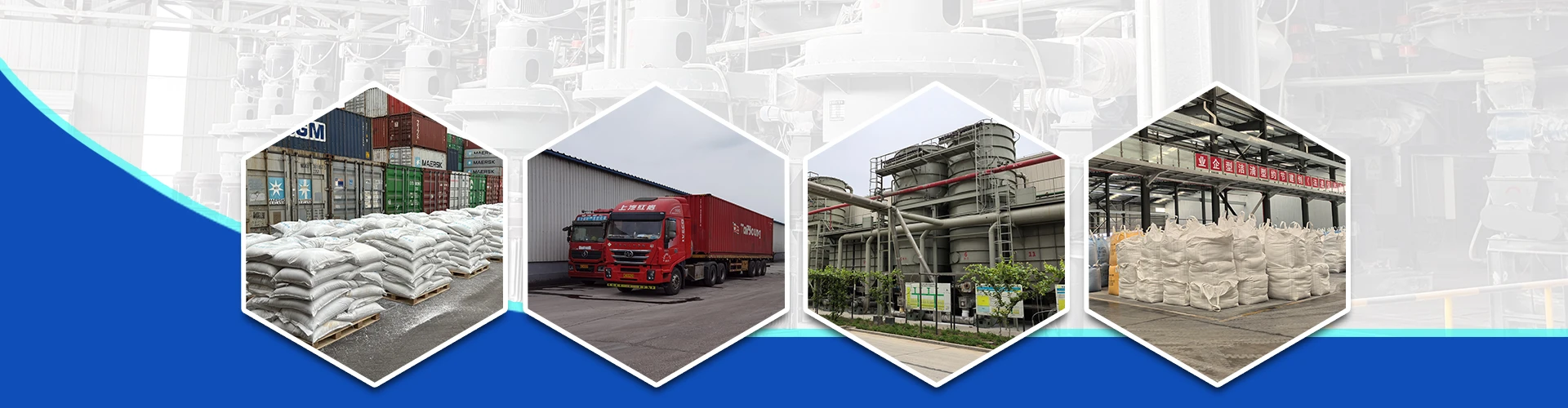
Hezhen maintains efficient production capabilities and robust logistics networks to ensure timely delivery. Standard lead times typically range from 2-4 weeks, depending on order volume and specific customization requirements. We work closely with clients to plan production and shipping schedules to align with their operational needs, offering flexible fulfillment options including FOB, CIF, and DDU terms.
Warranty Commitments
Hezhen guarantees that all Hezhen Silica meteorological precipitation method rubber plastic paper coating filled with anti-caking agent products meet the specified technical parameters and are free from manufacturing defects. Our standard warranty covers product quality and performance as per agreed specifications. In the unlikely event of any deviation, our dedicated customer service team will promptly investigate and provide appropriate resolutions, including replacement or credit, in accordance with our terms and conditions.
Customer Support and Technical Assistance
Our commitment extends beyond sales. Hezhen provides comprehensive after-sales support, including:
- Dedicated technical specialists for application guidance and troubleshooting.
- Access to our R&D laboratory for advanced material analysis and co-development.
- Provision of detailed product data sheets, safety data sheets (SDS), and certification documents.
- Regular follow-ups to ensure optimal product performance and client satisfaction.
We pride ourselves on responsive communication and building long-term, trustworthy partnerships.
Conclusion
The demand for high-performance additives that enhance material properties and streamline manufacturing processes continues to grow across critical B2B sectors. Hezhen Silica meteorological precipitation method rubber plastic paper coating filled with anti-caking agent represents the pinnacle of innovation in precipitated silica technology. Its unique manufacturing process ensures unparalleled consistency, superior anti-caking functionality, and significant performance enhancements in rubber, plastic, and paper coating applications. By mitigating agglomeration, improving dispersion, and boosting mechanical characteristics, Hezhen Silica empowers manufacturers to achieve higher product quality, increased operational efficiency, and a stronger competitive position in the market. Partner with Hezhen to leverage cutting-edge material science for your advanced application needs.
References
- ASTM D6816-02(2018)e1, Standard Test Method for Determining the Physical Properties of Precipitated Silica for use in Rubber and Plastics.
- ISO 9001:2015, Quality management systems — Requirements.
- Wagner, M. P. (1976). Reinforcing Silicas and Silicates. Rubber Chemistry and Technology, 49(5), 1167-1181.
- Bergna, H. E. (2006). The Colloid Chemistry of Silica. American Chemical Society.
- Plastics Additives Handbook. (2017). Edited by H. Zweifel, R. D. Maier, & M. Schiller. Hanser Publications.
- Smook, G. A. (2002). Handbook for Pulp and Paper Technologists. Tappi Press.
- Wang, M. J., & Zhang, P. (2012). Silica Reinforcement in Rubber. In Advances in Polymer Science (Vol. 250, pp. 1-63). Springer.