

Mineral fiber is back: what I learned testing the new sepiolite–brucite blend
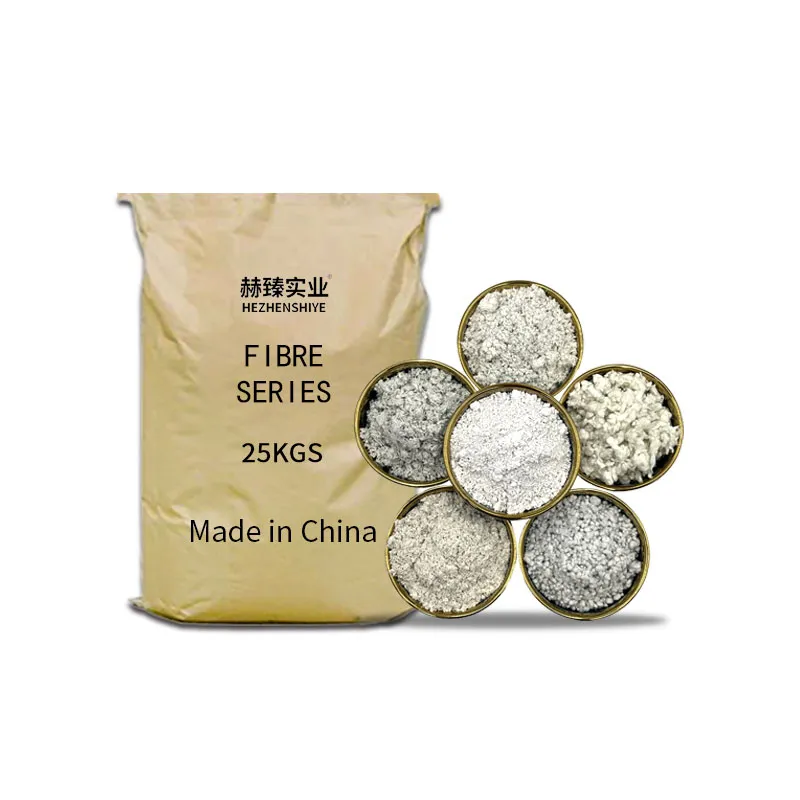
I’ve been poking around factories and fire labs for years, and the material that keeps coming up in quiet conversations lately is Hezhen Sepiolite brucite fiber for heat and fire insulation. It’s mineral, it’s clean-burning (or rather, non-burning), and, to be honest, it behaves better than I expected in prolonged heat soak tests.
Why the industry is pivoting to mineral fibers
Regulatory pressure on smoke toxicity and PFAS-laden binders is real. OEMs in EV, construction, and petrochem want A1 non-combustibility, low smoke, and traceable sourcing. Sepiolite (a hydrous magnesium silicate) paired with brucite (Mg(OH)₂) ticks those boxes: it resists flame, releases minimal smoke, and keeps thermal conductivity in the “sane” range for passive fire protection. Many customers say the consistency is the surprise—batch to batch, it just behaves.
How it’s made (short version)
- Raw materials: high-purity sepiolite clay; magnesium hydroxide for the brucite phase; deionized water; low-alkali inorganic binder (often sodium silicate or similar).
- Process flow: ore selection → wet milling → fiberization and brucite dispersion → pH control and deagglomeration → wet-lay forming → low-temp curing → precision drying and calendaring.
- QC and testing: thermal conductivity by ASTM C177; non-combustibility ISO 1182; reaction-to-fire EN 13501-1 (target A1); surface burning ASTM E84/UL 723; density and fiber length distribution per internal SOPs; chloride and sulfate content by ion chromatography.
- Service life: around 10–20 years in building envelopes; ≈5–10 years in hot industrial duty, depending on cycling and contaminants.
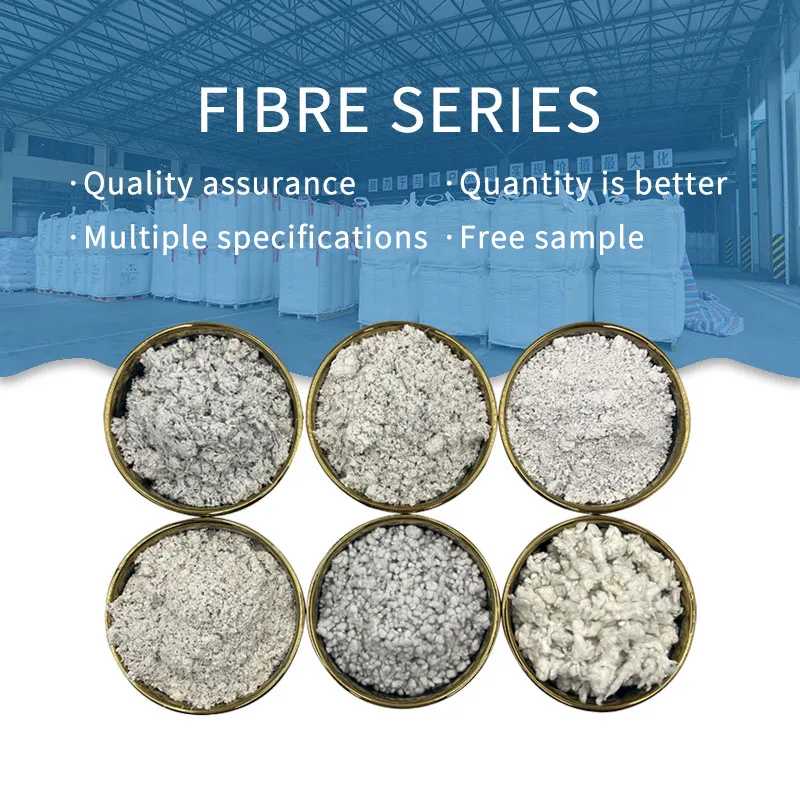
Key specifications (typical values)
| Thermal conductivity λ (25–200°C) | ≈0.060–0.085 W/m·K (ASTM C177) |
| Continuous service temperature | 650–800°C; short peaks up to ≈1000°C (real-world use may vary) |
| Reaction-to-fire | EN 13501-1 A1 (target), ISO 1182 non-combustible |
| Density (bulk board/mat) | 90–180 kg/m³ (customizable up to ≈300 kg/m³) |
| Fiber length (D50) | 3–12 mm; fine fraction |
| Moisture / pH | |
| Chloride content | |
| Formats | Mats, preformed boards, rolled blankets; 3–30 mm common |
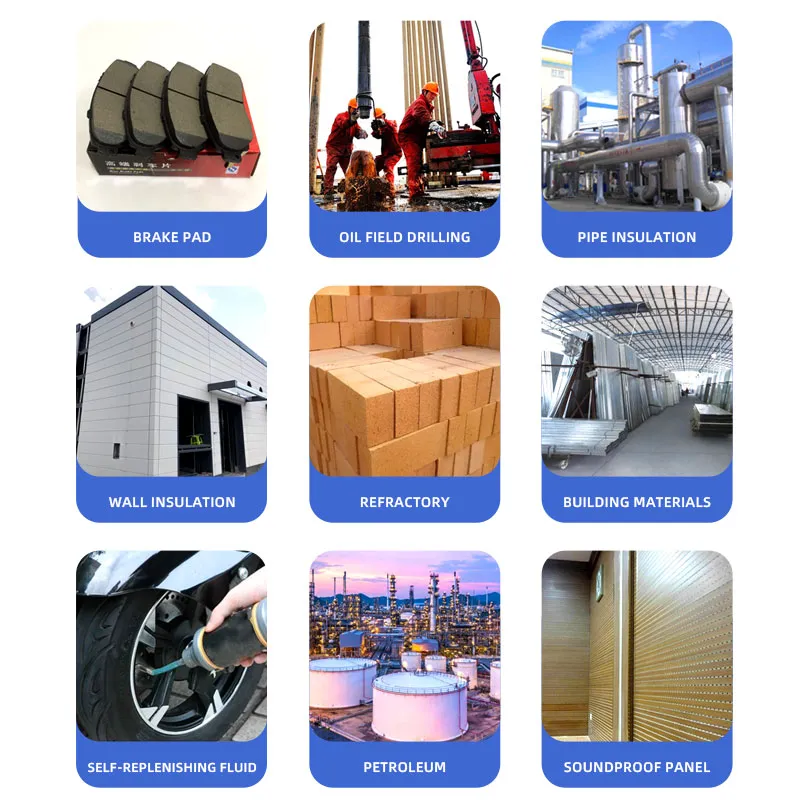
Where it’s being used
- Passive fire protection in walls, shafts, cable trays, and steel encasements (A1 class targets).
- EV and stationary battery packs as thermal barriers and fire propagation delay layers.
- Industrial furnaces, kilns, ducts; petrochemical pipe racks; power-plant HRSG casings.
- Marine and rail interiors needing low smoke/tox and robust heat soak performance.
Advantages I noticed
Low smoke, steady λ at elevated temperatures, and—surprisingly—good machinability. It seems that edge fray is less than glass fiber at equal density, which installers like. Also, the mineral matrix shrugs off many oils and salts.
Vendor comparison (quick glance)
| Material | Thermal λ (25°C) | Max temp (cont.) | Fire class | Notes |
| Hezhen Sepiolite brucite fiber for heat and fire insulation | ≈0.06–0.08 W/m·K | 650–800°C | A1 (target) | Low smoke; mineral; customizable density |
| Rock wool (typ.) | ≈0.035–0.045 | ≈600–700°C | A1 | Good cost; may slump at high temp |
| Ceramic fiber (RCF/ASW) | ≈0.10–0.14 | 1000–1200°C | Non-comb. | Higher temp; handling precautions |
| Glass fiber | ≈0.032–0.040 | ≈260–540°C | A1/A2 | Affordable; softening at mid temps |
Customization, logistics, and origin
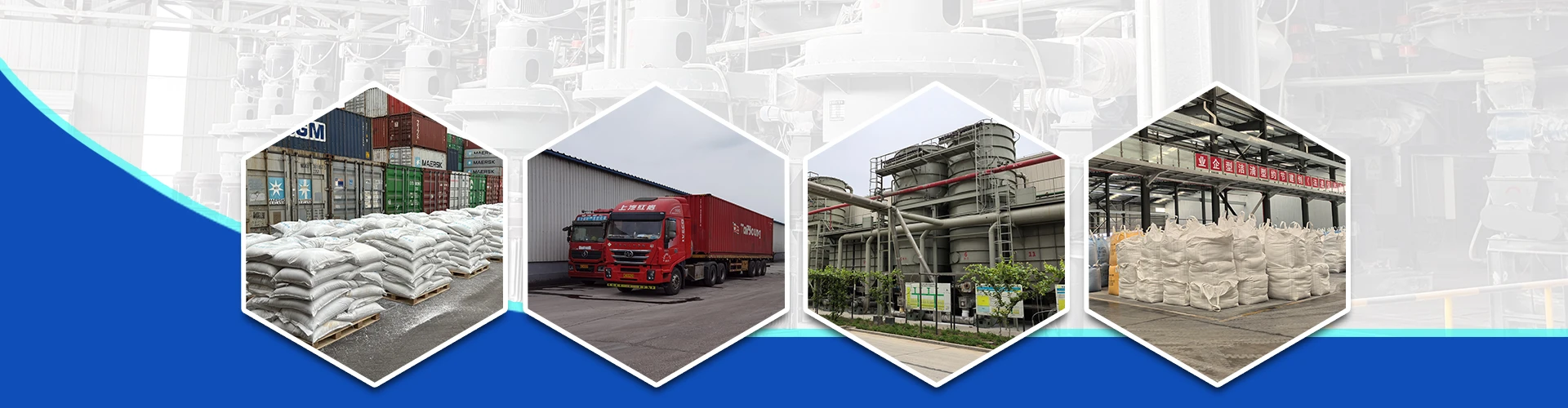
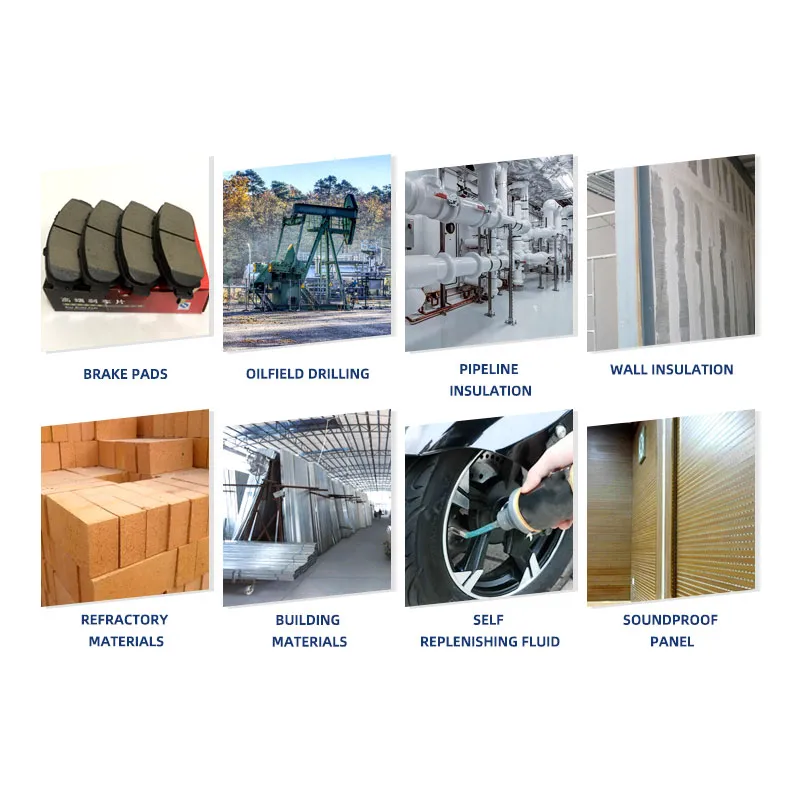
Hezhen offers density, thickness, hydrophobizing, and roll/board formats on request. Typical lead times are 2–4 weeks. Origin: No. 8 Xisha East Road, Shikan Village, Ciyu Town, Lingshou County, Shijiazhuang City, Hebei Province. Certificates commonly supplied: ISO 9001, REACH/RoHS statements, and third-party fire reports (ask for the latest—vendors update them quietly).
Field results (two quick cases)
- Lithium battery pack firewall: 8 mm board of Hezhen Sepiolite brucite fiber for heat and fire insulation delayed thermal propagation by ≈12–15 min versus control glass fiber mat; peak back-surface temp drop ≈85°C under 600°C flame (lab rig; not a certification).
- Steel column box-out: 20 mm composite wrap achieved A1 reaction-to-fire and E84 Class A with FSI
Installation notes
- Cut with carbide knife; dust is generally low but wear a P2/P3 mask—good practice.
- Use stainless or galvanized anchors; chloride content is low, but chemistry on-site can bite.
- Seal edges with compatible inorganic binder if exposed to washdown or salt spray.
Bottom line? For high-temperature, low-smoke insulation where compliance is non-negotiable, Hezhen Sepiolite brucite fiber for heat and fire insulation earns a place on the spec sheet. Actually, it’s already on a few of mine.
Authoritative citations
- ISO 1182: Reaction to fire tests for products—Non-combustibility test. iso.org
- EN 13501-1: Fire classification of construction products and building elements. cencenelec.eu
- ASTM C177: Standard Test Method for Steady-State Heat Flux Measurements and Thermal Transmission Properties by Means of the Guarded-Hot-Plate Apparatus. astm.org
- ASTM E84 / UL 723: Standard Test Method for Surface Burning Characteristics of Building Materials. astm.org / ul.com
- GB 8624: Classification for burning behavior of building materials and products. standardization administration of China
- ISO 9001: Quality management systems—Requirements. iso.org