


Why Hezhen Sodium montmorillonite powder for feed filling of concrete coating is quietly winning over coating engineers
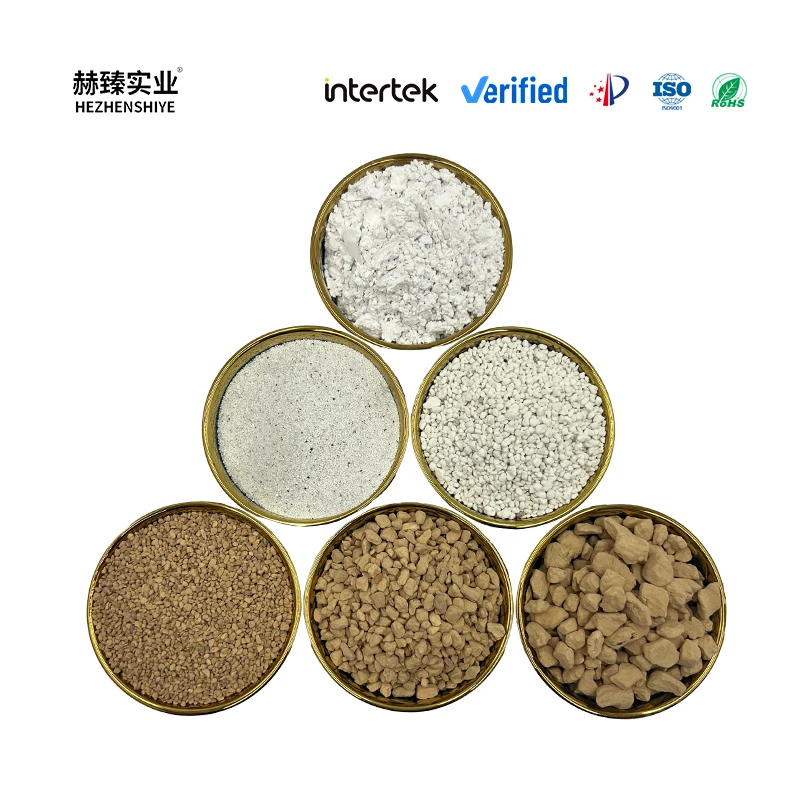
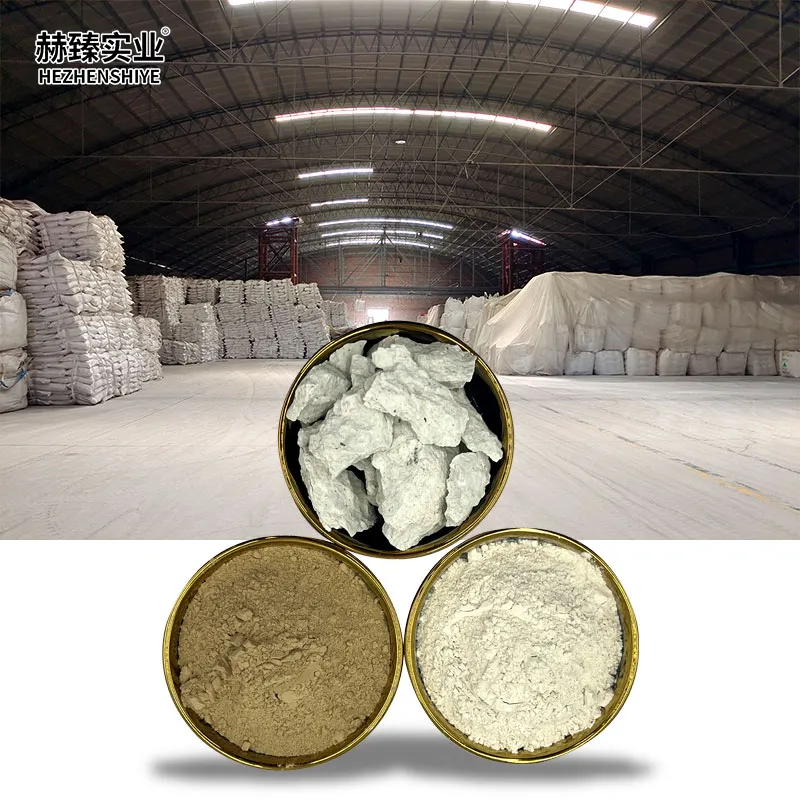
I’ve been around concrete coatings long enough to see fads come and go. This isn’t one of them. Sodium montmorillonite—when used as a smart feed filler—has become a practical way to stretch polymer binders, tighten pore structure, and tame moisture ingress. Hezhen’s material, sourced from No. 8 Xisha East Road, Shikan Village, Ciyu Town, Lingshou County, Shijiazhuang City, Hebei Province, is part of that shift from “more resin” to “better microstructure.”
What’s driving the trend
- Durability pressure: owners want 10–15 year envelopes, not 3–5.
- Moisture control: fewer blistered coatings; tighter chloride resistance.
- Sustainability: reduce polymer load while keeping performance steady (or better).
To be honest, many customers say the biggest surprise is smoother trowel feel and less sagging at the same solids. That’s the platelet rheology doing its thing.
Product snapshot and typical specs
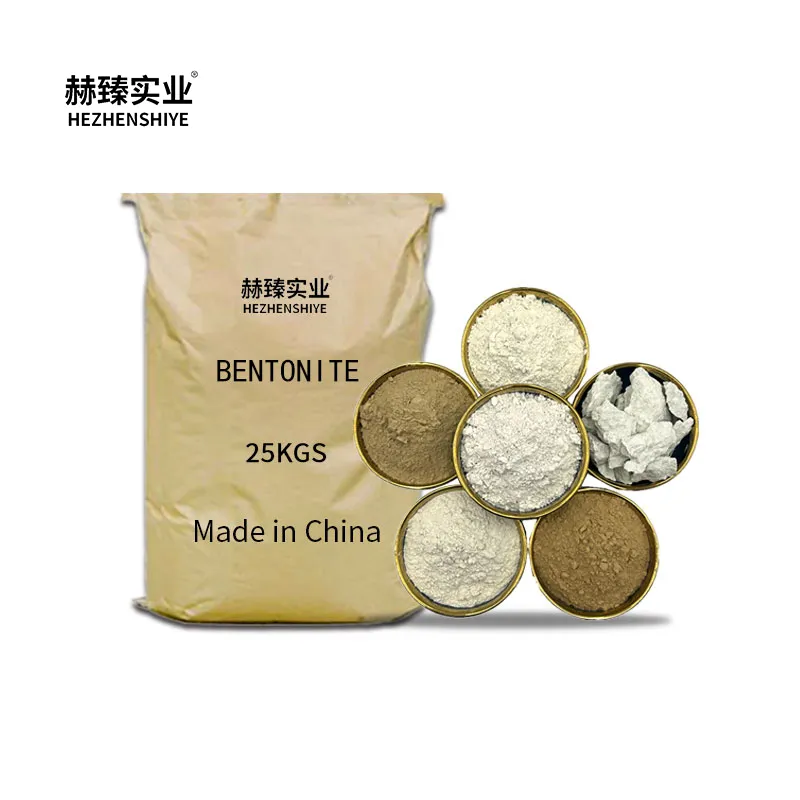
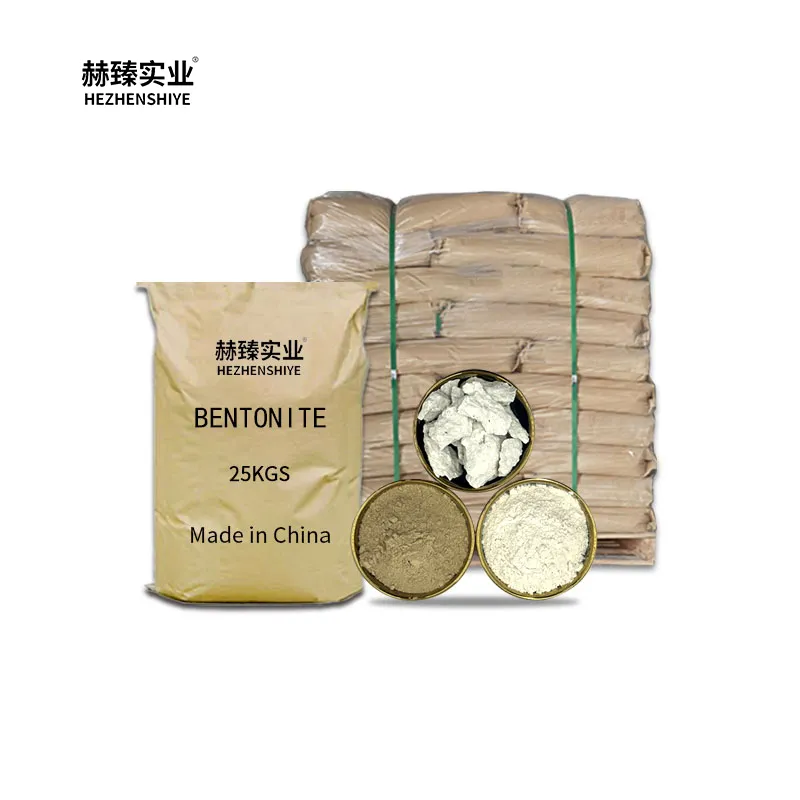
Below are indicative values for Hezhen Sodium montmorillonite powder for feed filling of concrete coating in coating-grade formulations (real-world use may vary):
| Property | Spec (≈) | Test method |
|---|---|---|
| Cation exchange capacity | 75–95 meq/100 g | GB/T 23514 |
| Median particle size (D50) | 8–15 μm | Laser diffraction (ISO 13320) |
| Moisture | ≤10% | GB/T 19587 |
| Swelling index | ≥20 mL/2 g | API RP 13B-1 (adapted) |
How it’s used (process flow)
Materials: polymer coating base (epoxy, polyurethane, or polymer-modified cement), cementitious filler, water/solvent, Hezhen Sodium montmorillonite powder for feed filling of concrete coating, defoamer, dispersant.
- Dry blend: Pre-mix 1.0–3.0% powder by total solids with cement/filler for 2–3 min.
- Wet dispersion: Add to resin/water phase under high shear (800–1200 rpm) for 5–8 min.
- Let-down: Adjust viscosity; target thixotropic index 3–5 (ASTM D2196, adapted).
- Application: Roll/spray at 0.3–0.8 mm per coat; recoat per TDS.
- QC tests: ASTM C1585 sorptivity, ASTM C1202 RCPT, ISO 7783 vapor transmission.
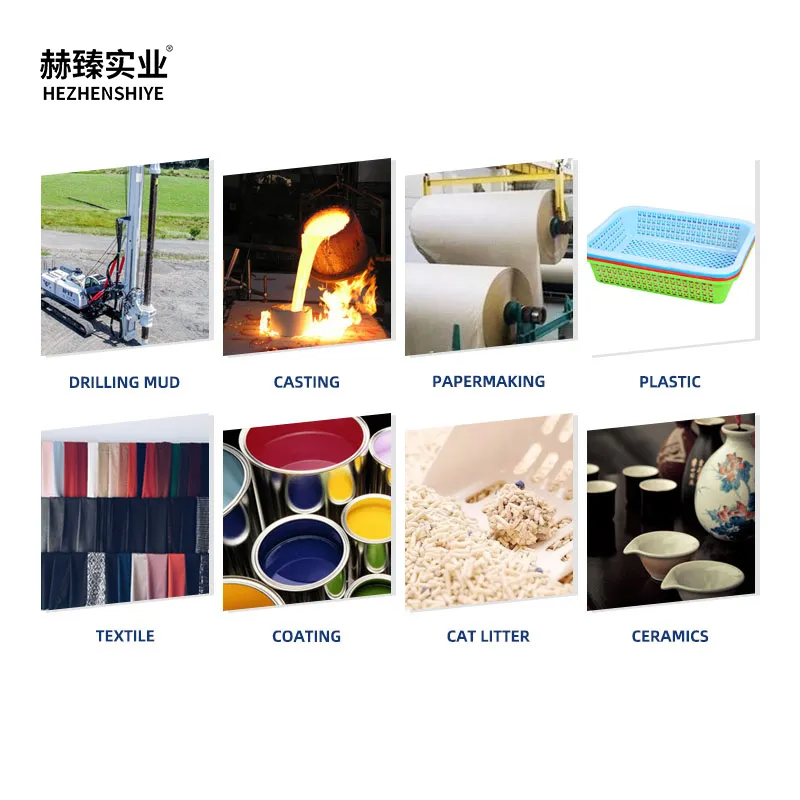
Observed performance deltas against control coatings: water absorption 25–35% (ASTM C642), RCPT charge passed 20–40% (ASTM C1202), abrasion loss 15–25% (ASTM C944), freeze–thaw scaling one rating step (ASTM C672). Service life extension ≈ 5–8 years in temperate exposures, provided correct film build and prep. Industries: parking structures, podium decks, food plants (topcoat dependent), water features, coastal façades.
Vendor snapshot (what buyers compare)
| Vendor | Typical dosage | Viscosity control | Moisture barrier effect | Certifications |
|---|---|---|---|---|
| Hezhen (Hebei) | 1.0–3.0% | Stable, low sag | Moderate–high (≈25–35% water uptake drop) | ISO 9001; RoHS screening |
| Vendor A (Imported) | 1.5–3.5% | Good, slightly higher shear needed | Moderate (≈20–30%) | ISO 9001/14001 |
| Vendor B (Local) | 0.8–2.0% | Variable batch to batch | Light (≈10–18%) | Factory QC only |
Customization and practical notes
- Surface treatment: organo-modified grade available for solventborne PU/epoxy.
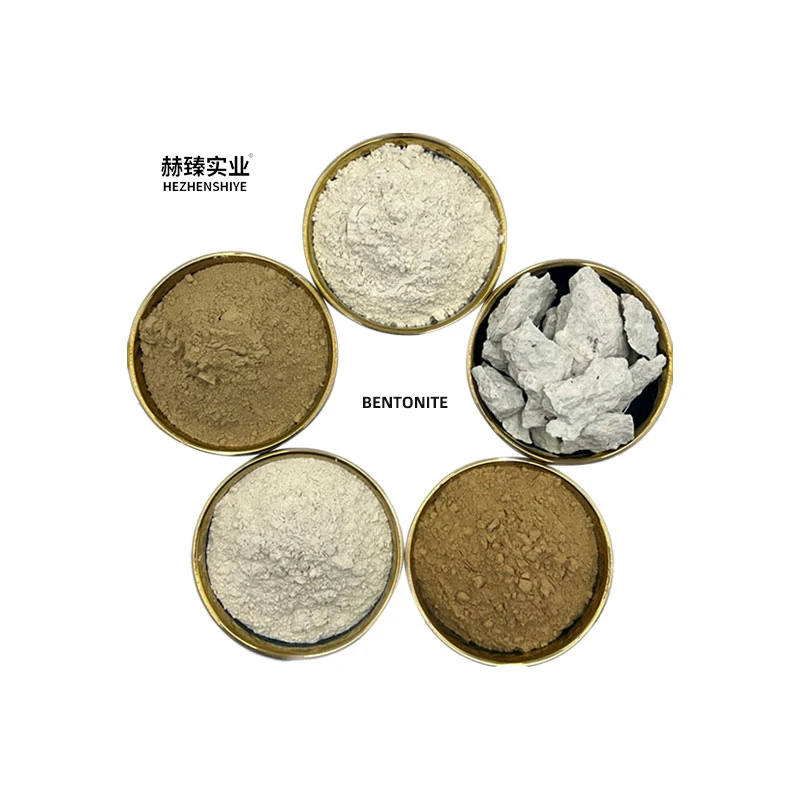
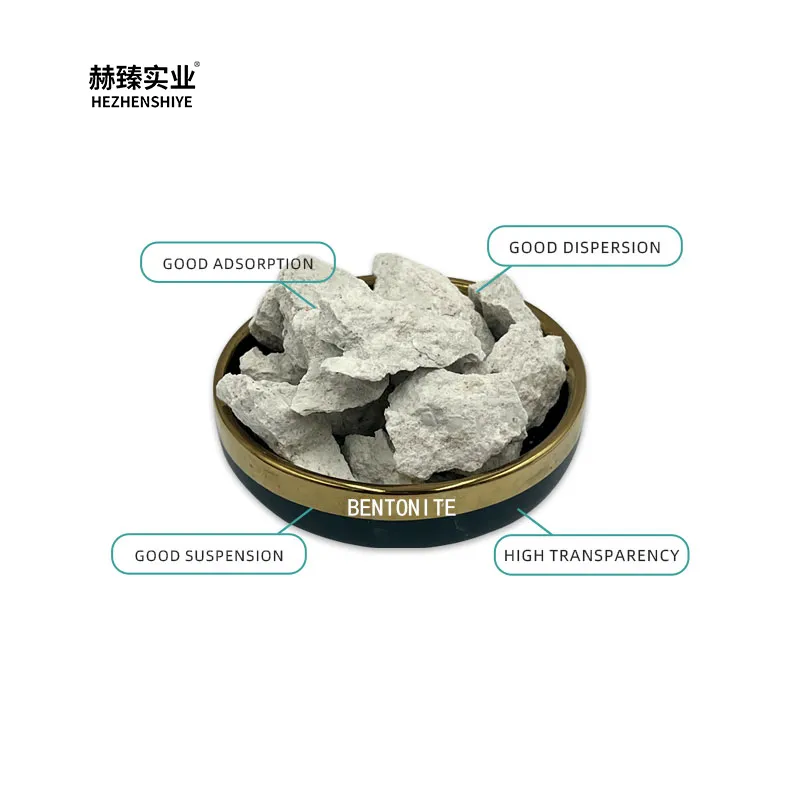
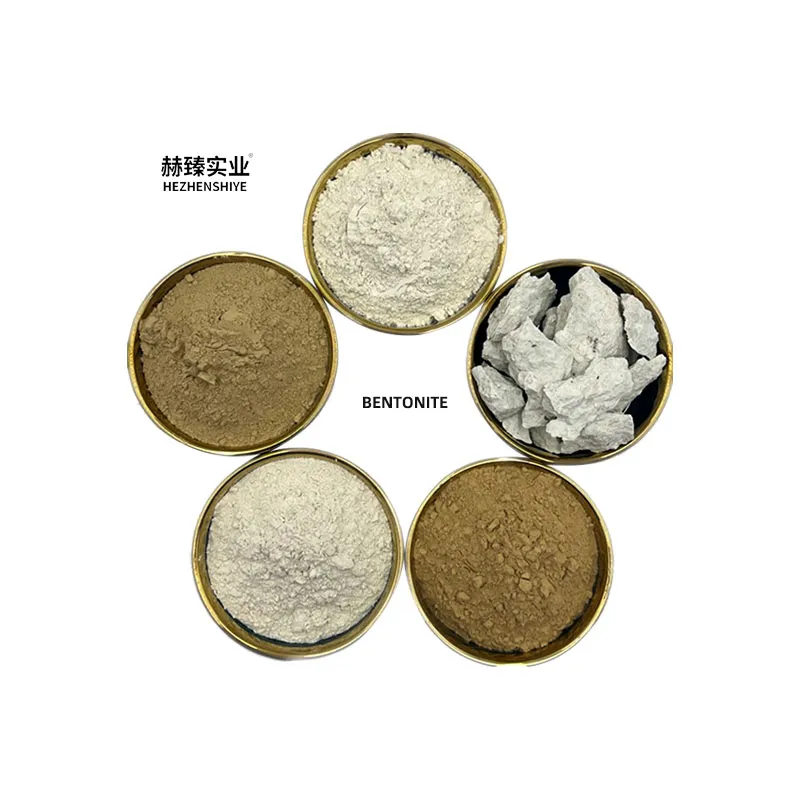
- Color: off-white/gray; tint impact is minor but test light colors.
- Food-adjacent zones: choose compliant topcoats; the filler itself is inorganic.
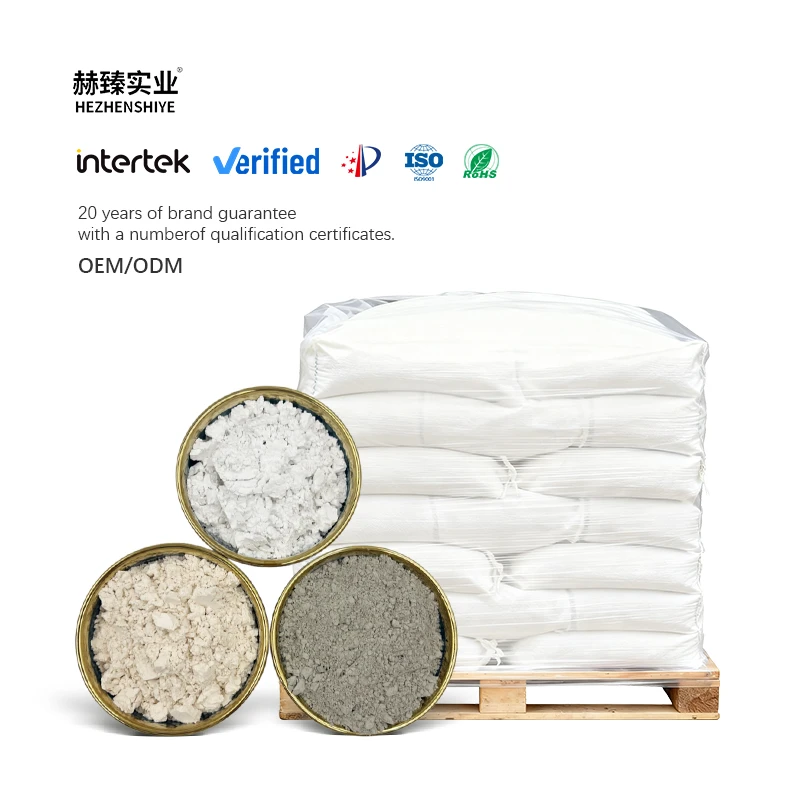
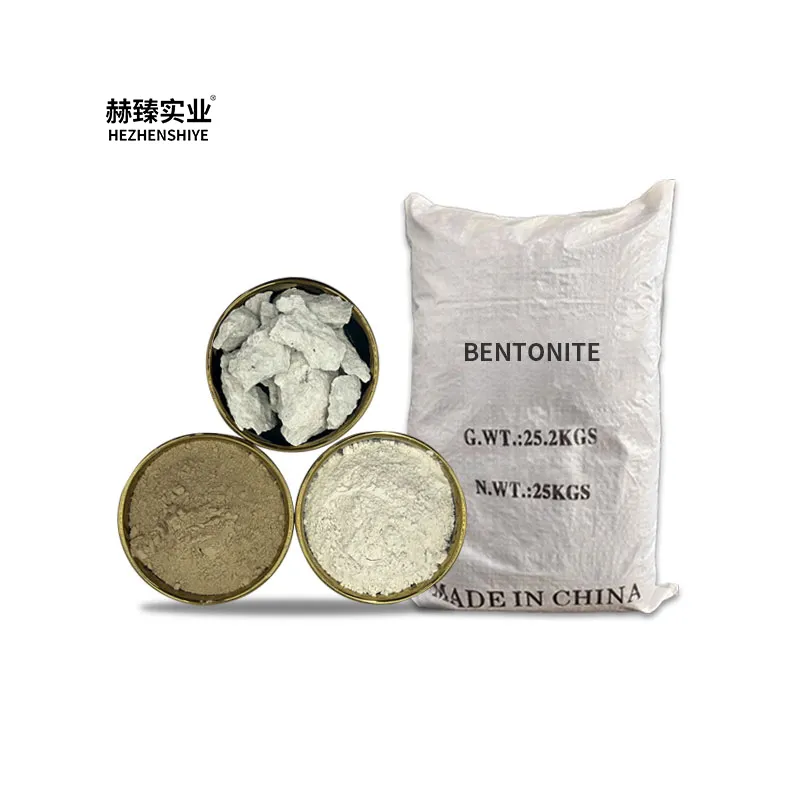
- Packaging: 25 kg bags; store dry; break agglomerates before dispersion.
Mini case: coastal parking deck
A contractor blended Hezhen Sodium montmorillonite powder for feed filling of concrete coating at 2% into a waterborne epoxy primer and PMMA topcoat system. After 28 days, RCPT dropped from 1600 to 980 coulombs (ASTM C1202) and blistering at control joints disappeared through a humid summer. “Application felt creamier; edge cut-ins were cleaner,” the foreman told me—unsolicited, which says a lot.
Standards, testing, and compliance
Design to EN 1504-2 for surface protection. Validate with ASTM C1585 (sorptivity), ASTM C642 (absorption), ASTM C1202 (chloride), ISO 7783 (vapor), and ASTM C672 (freeze–thaw). For façade breathability, check SD-values against spec. Hezhen reports ISO 9001-driven QC and can share batch COAs on request.
References
- ASTM C1585: Standard Test Method for Measurement of Rate of Absorption of Water by Hydraulic-Cement Concretes.
- ASTM C1202: Electrical Indication of Concrete’s Ability to Resist Chloride Ion Penetration.
- EN 1504-2: Products and systems for the protection and repair of concrete structures — Surface protection systems.
- ISO 7783: Paints and varnishes — Water-vapour transmission properties.
- ASTM C642 and ASTM C944/C944M: Density, Absorption; Abrasion Resistance of Concrete.