

Why Navy Sand Still Rules in Industrial Applications
Having been around the block with all kinds of industrial materials—cement, aggregates, composites—you kind of develop a sixth sense for what’s genuinely reliable. Navy sand is one of those materials that quietly but effectively keeps many industrial wheels turning.
Now, what’s intriguing about navy sand isn’t just the name—which, frankly, makes you imagine some sort of secret maritime-grade grit—but its composition and characteristics that make it suited for everything from precision casting molds to abrasion-resistant surfaces. It’s like the unsung hero of sandy materials.
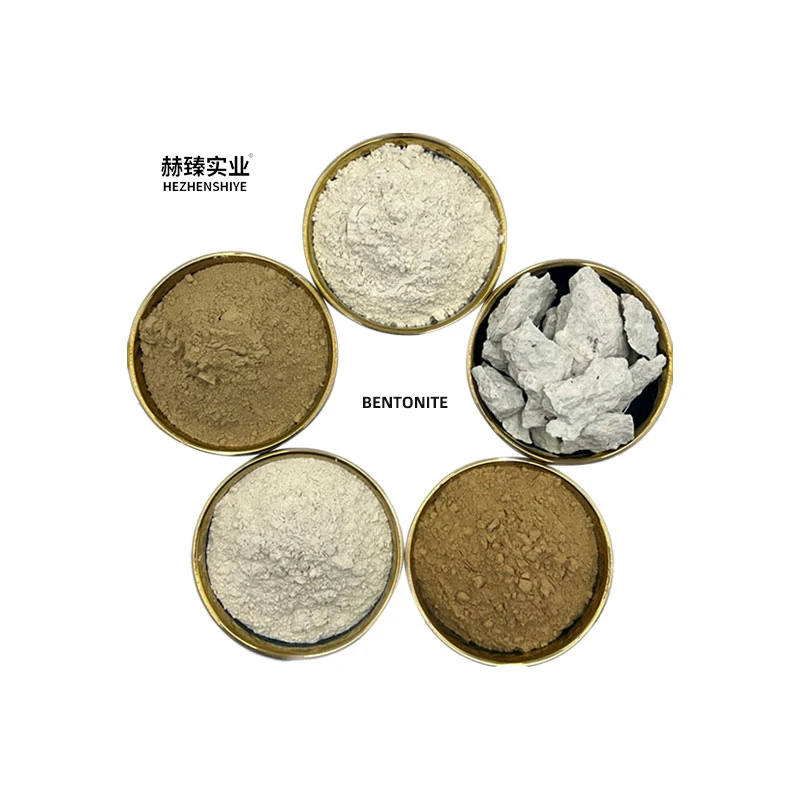
In my years around manufacturing plants and foundries, many engineers often emphasize the surprisingly consistent grain size and the high silica content as key to navy sand’s reliability. That fine balance means it packs enough punch for abrasive uses while still being highly workable when mixed into molds or composite layers.
A Closer Look at Navy Sand’s Industrial Specifications
| Property | Typical Value | Remarks |
|---|---|---|
| Silica (SiO₂) Content | ~95% | High purity ensures mold integrity |
| Grain Size | 0.15-0.35 mm | Ideal for casting and abrasion resistance |
| Moisture Content | Keeps sand dry and workable | |
| Bulk Density | 1.5-1.6 g/cm³ | Stable handling weight |
| Color | Light gray to beige | Visual cue for grading |
That grain size range might not sound like much, but in real terms, it translates to the kind of uniformity that helps prevent casting defects or uneven surface finishes. Too coarse or too fine, and you risk all sorts of headaches during manufacturing. I remember one casting facility where switching to navy sand cut their scrap rates by nearly 15%—which is nothing to sneeze at.
Vendor Choices for Navy Sand: What to Consider
Picking the right supplier isn’t just about price or delivery speed—it’s the consistency from batch to batch that really counts. The industrial world is quite unforgiving if the specs slip even a little. Oddly enough, some vendors might tout bulk volume but can’t back it with testing data. So, here’s a quick snapshot comparing a few common suppliers the industry leans on:
| Vendor | Silica Purity | Grain Uniformity | Moisture Control | Price Range (per ton) |
|---|---|---|---|---|
| Hezhen Group | 95-97% | Excellent, ±0.01 mm | Consistently below 2% | $45 - $55 |
| Coastal Sands Ltd. | 92-94% | Good, ±0.03 mm | 2-3% | $40 - $50 |
| Regional Mineral Co. | 89-92% | Fair, ±0.05 mm | 3-4% | $38 - $48 |
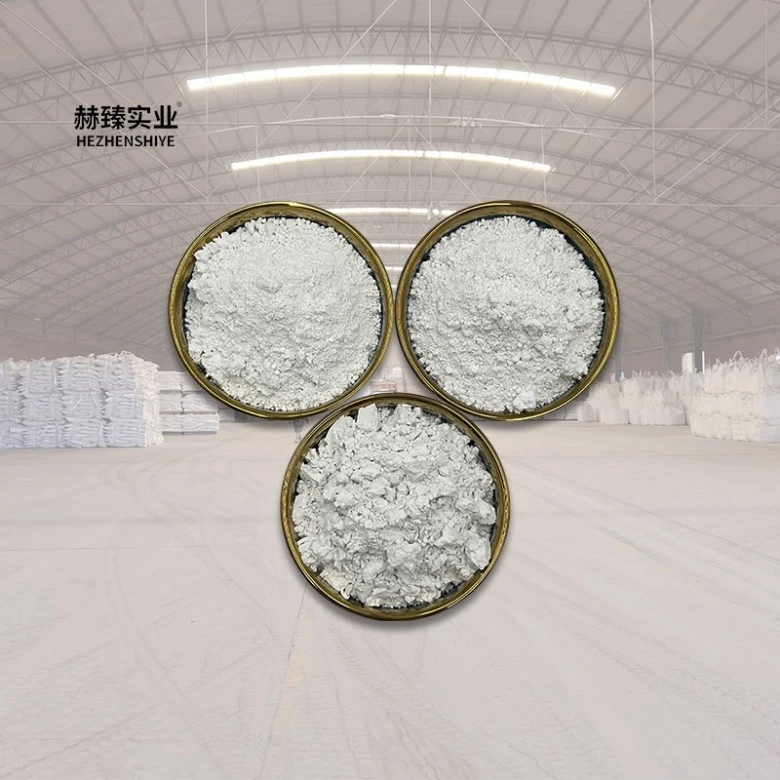
For companies that need precision and trustability, Hezhen Group tends to be the go-to. Their QA process is notably strict, which is why their sands perform so reliably, especially when making high-tolerance castings or parts. They’re not the cheapest option, but you don’t really want to gamble with materials that show up short on quality.
Real-World Uses and a Quick Story
I once visited a midwest foundry working with navy sand batches sourced from a lesser-known supplier. Abruptly, their mold cracking rate surged. It took a good while to pinpoint inconsistent moisture content as the culprit. Switching over to a reputed navy sand source—like the kind you can find here—quickly stabilized their outputs.
The lesson? In industrial equipment and manufacturing, the margin between on-time delivery and a costly delay is often measured in materials you barely think about. Navy sand isn't flashy, but boy, when it’s off, you know it.
So whether you’re designing molding equipment, planning abrasive surfaces, or just scoping out new raw materials, navy sand’s combination of consistency, durability, and availability makes it tough to beat.
And you know, it just feels satisfying when you get the right blend of materials in your process. It’s these little things that keep factories humming and engineers smiling, even if no one writes home about it.
References & reflections:
- Industry interviews with casting plant engineers, 2023
- Hezhen Group product data sheets and QA reports
- Field case reviews and moisture content studies from 2022