


Why Different Coloured Sand Matters in Industry
Having spent a fair chunk of my years around industrial materials and equipment, I’ve seen how something as humble as sand can suddenly become a key player—especially when coloured sand enters the scene. Now, you might think “sand is sand,” but it’s more than a filler or abrasive. Different coloured sand brings both function and a surprising splash of style to industrial uses.
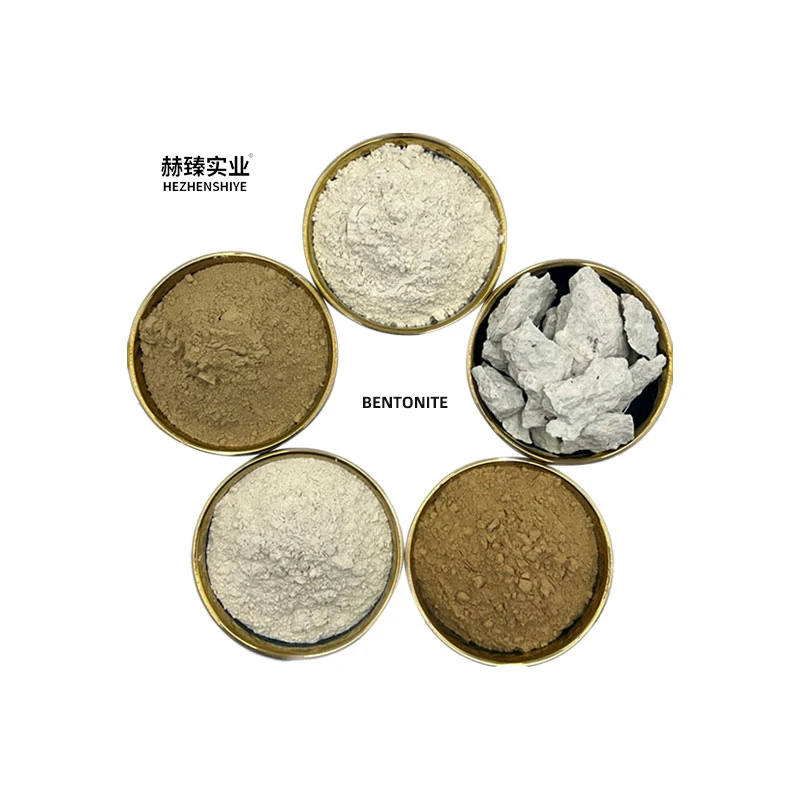
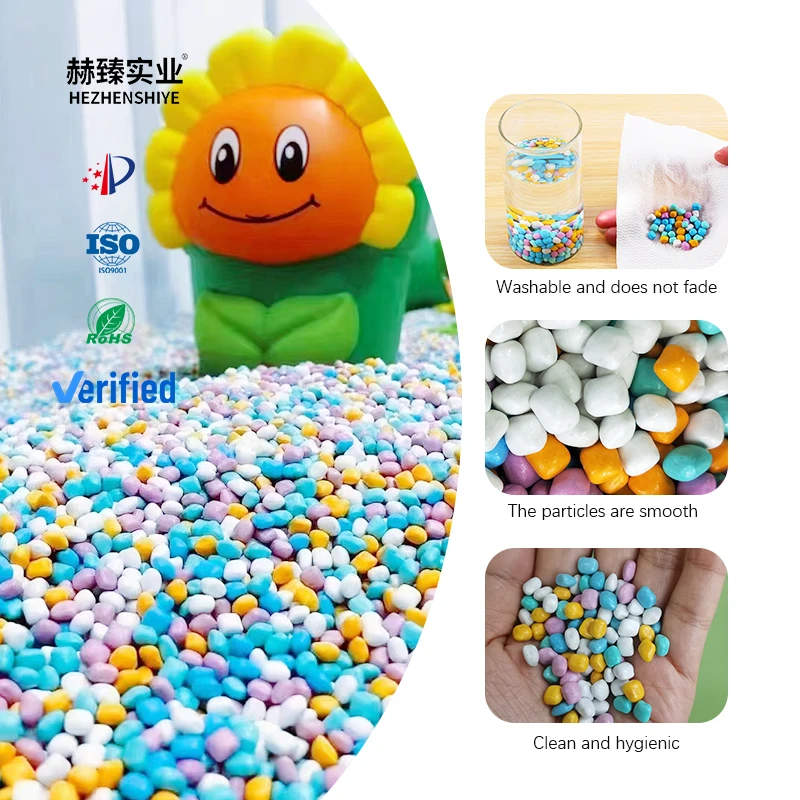
Oddly enough, coloured sand isn’t just for arts and crafts or those fancy zen gardens we sometimes see on office desks. In real terms, it’s a valuable resource crafted carefully to meet specific needs—whether it’s used in filtration systems, specialized concrete mixes, or decorative concrete finishes that actually need to last.
What Sets Coloured Sand Apart in Product Design and Use
Let me take you through some of the specs that matter and why you’d consider selecting coloured sand over plain silica or quartz variants. First, coloured sand can be tailored in grain size, shape, and hardness, which plays a surprisingly huge role depending on your application.
For instance, some projects demand fine, consistent grains with high durability, which coloured sand can satisfy better than regular sand—especially when enhanced with mineral pigments for colour stability. The pigment itself needs to withstand UV exposure and chemical interactions without fading or breaking down. That’s key for outdoor applications or industrial surfaces exposed to harsh conditions.
| Specification | Typical Value | Notes |
|---|---|---|
| Grain Size | 0.5 - 2 mm | Fine to medium grains, consistent sizing preferred |
| Colour Range | Red, Green, Yellow, Blue, White, and more | Varies by pigment and base mineral |
| Hardness (Mohs scale) | 6 - 7 | Suitable for abrasive and surface finishing use |
| Moisture Content | Less than 2% | Ensures consistent mixing and flowability |
| pH Level | 6.5 – 8.5 | Neutral to slightly alkaline, safe for most uses |
Choosing Your coloured sand Supplier: A Quick Comparison
Now, if you’re thinking about sourcing some coloured sand, here’s a brief vendor snapshot I put together. It’s based on feedback from installers, industry peers, and of course, my own experience inspecting sites.
| Vendor | Colour Variety | Moisture Control | Bulk Pricing | Lead Time |
|---|---|---|---|---|
| HeZhen Shiye | Wide (10+ shades) | Excellent moisture control | Competitive for large orders | Typically 7-14 days |
| SandCo Ltd. | Moderate (5-6 colours) | Fair, some batch variance noticed | Above average | 2-3 weeks |
| ColorGrains Inc. | Extensive (15+ shades) | Good, though often higher moisture | Premium pricing | 10-12 days |
A Quick Story: When Colours Made the Difference
One project I remember involved a landscaping firm trying to create a series of outdoor play areas with differing themes. They opted for different coloured sand for safety surfacing mixes — not only did it meet durability specs but it made each zone clearly distinct, aiding children and supervisors alike. The suppliers’ consistency in colour and grain size ensured the surfaces weren’t slippery or uneven, which, frankly, is crucial in playgrounds.
This customer swore by the quality control from their sand supplier, which turned out to be the folks at HeZhen Shiye. It’s the kind of positive ripple effect that keeps industries moving. I suppose it’s easy to overlook something like sand until it just... works.
In the end, selecting the right coloured sand comes down to balancing performance with specifics—grain size, pigment stability, and delivery logistics. For those on-site, these small yet impactful differences quickly add up. And even after all these years, I still find the nuances of coloured sand fascinating.
References:
1. Industrial usage reports, 2023
2. Vendor quality feedback, 2022–2024
3. Personal industry experience