

The Subtle Art and Science of Sand Rangoli Colour
2025.11.28
Why Sand Rangoli Colour Still Matters in an Industrial Age
If you've spent any time in the world of industrial materials or decorative pigments, you know there’s a fascinating overlap of tradition and technology shaping products like sand rangoli colour. Sure, rangoli is an ancient art form — colorful, ephemeral, and celebrated during festivals. But behind those vibrantly dusted floors are pigments that have to perform in surprisingly demanding ways. I remember during my first large-scale project supplying coloured sand for a cultural exhibition how important consistent hue and durability were. It wasn’t just about prettiness. The sand had to resist fading under bright lights, be safe for indoor use, and — oddly enough — be easy to clean later. This was no beach sand with some dye slapped on it.Understanding the Product: What Makes Quality Sand Rangoli Colour?
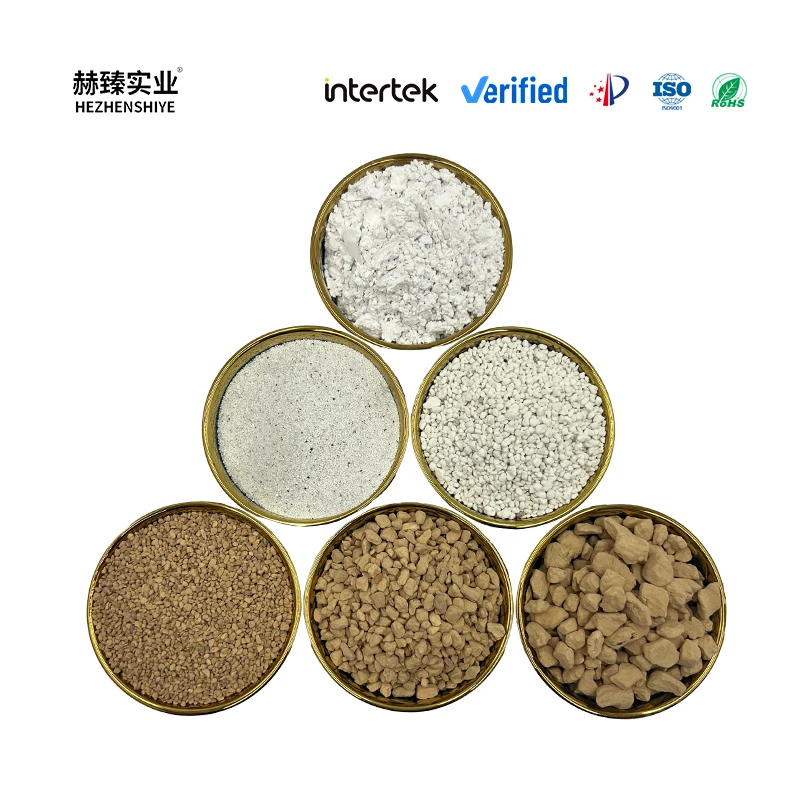
At its core, quality sand rangoli colour is a mix of finely processed sand combined with non-toxic, weatherproof pigments. The grain size is crucial — too coarse, and the design appears rough and patchy; too fine, and it might blow away or clog up cleaning systems. Many engineers and artisans swear by a medium grain, roughly under 0.5 mm, balancing adherence and spreadability. The pigments today come from industrial-grade dyes, often inorganic for longevity, mixed using methods that ensure deep penetration rather than surface coating — which just flakes off. I’ve seen suppliers lab-test heat stability and lightfastness to make sure those colors hold up for days, sometimes weeks, outdoors. Let’s look at some typical specifications you might expect:| Specification | Detail |
|---|---|
| Grain Size | 0.3 - 0.5 mm (medium) |
| Pigment Type | Inorganic heat-stable dyes |
| Colorfastness Rating | Grade 7+ (outdoor exposure) |
| Non-toxicity | Certified safe for indoor/outdoor use |
| Packaging | 25 kg sacks or custom bulk options |
Vendor Choices: Navigating the Market for Rangoli Sand Colours
Choosing the right vendor is not trivial. I’ve seen buyers get swayed by price, only to regret it down the line when the sand didn’t perform in real-world application — fading in sunlight or washing away with the slightest breeze. Here’s a quick comparison I put together from some well-known suppliers, including Hezhenshiye (who, honestly, have been impressing me lately):| Vendor | Color Range | Durability | Price (per 25kg) | Customization |
|---|---|---|---|---|
| Hezhenshiye | 30+ vibrant hues | High (tested UV & weather) | $45 | Available on request |
| ColorTradition Co. | 15 standard shades | Medium | $38 | Limited |
| BrightArts Supplies | 20 bright pigments | Medium to High | $50 | Some customization |
Final Thoughts on Sand Rangoli Colour
So, in real terms, why fuss over sand rangoli colour in an industrial setting? Well — its applications go beyond the obvious festival floors. From architectural landscaping accents to educational models, and even industrial floor marking in creative setups, sand rangoli colour is a niche with quietly humbling demands. If you’re venturing into this world, my advice is to think durability and grain specs first, then color. Also, remember that these pigments have a personality — some are matte, some glossy, some very dusty. It pays off to test a sample before a big project. I guess at the end of the day, it’s like any material — the better you know it, the more creative you can be with it. Just don’t underestimate the power of a well-made coloured sand from a supplier who’s been around the block. Thanks for reading — I hope some of my years scrabbling behind industrial palettes give you a sense of what’s really going on when you pick up that bag of rangoli sand. References:- Industry pigment testing protocols, Journal of Material Sciences, 2021.
- Hezhenshiye product datasheets and durability studies, internal 2023 reports.
- Personal field notes and client feedback, 2018–2023 projects.