Aerosil silica powder, also known as fumed silica, is a versatile material with a significant impact across numerous industries globally. Its unique properties – high surface area, reinforcing ability, and thickening effects – make it indispensable in applications ranging from paints and coatings to adhesives and pharmaceuticals. Understanding its production, properties, and applications is crucial for innovation and optimization in these sectors, driving efficiency and enhancing product performance. This detailed overview aims to provide a comprehensive understanding of aerosil silica powder, its current uses, and future potential.
The global demand for aerosil silica powder is steadily increasing, driven by growth in end-use industries such as construction, automotive, and personal care. According to market research reports, the global fumed silica market is projected to reach several billion dollars in the coming years, with a consistent annual growth rate. This escalating demand underscores the importance of sustainable production methods and continuous innovation in application development. Challenges include ensuring consistent quality, addressing environmental concerns related to manufacturing processes, and exploring new applications to fully leverage the material’s capabilities.
Aerosil silica powder represents a cornerstone of modern material science. Its ability to enhance the performance characteristics of a wide variety of products positions it as a key enabling ingredient in diverse fields. From improving the durability of paints to enhancing the flowability of powders, its impact on daily life is substantial and continues to expand as new research uncovers further potential.

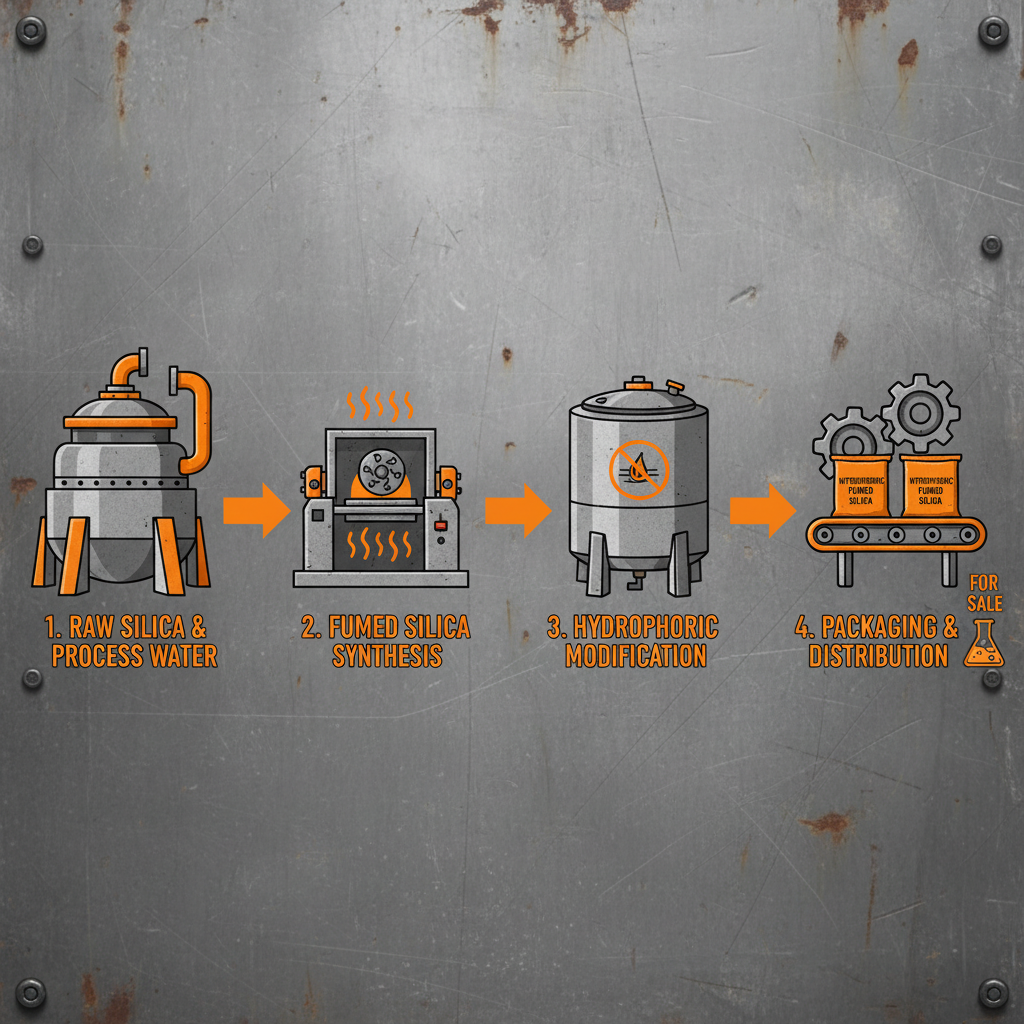
Aerosil silica powder is a synthetic amorphous silica, manufactured through flame hydrolysis of silicon tetrachloride. This process creates extremely fine, spherical particles with a very high surface area. The resulting powder is incredibly versatile, acting as a thickening agent, thixotropic agent, anti-settling agent, and reinforcing filler. aerosil silica powder plays a vital role in improving the properties of numerous products.
Its widespread adoption stems from its ability to enhance a product's stability, durability, and overall performance. From enhancing the texture of cosmetics to boosting the strength of adhesives, its impact is widespread. Understanding the nuances of its properties and applications is fundamental for product developers and manufacturers across various industries.
Aerosil silica powder typically has a particle size range of 7-40 nanometers. This incredibly small size is what contributes to its high surface area and exceptional properties. Different grades are available to suit specific applications, with varying particle sizes influencing factors like viscosity and reinforcement strength. Controlling particle size distribution is crucial for achieving optimal performance in the final product.
Aerosil silica powder significantly increases the viscosity of liquids, even at low concentrations. This is due to the formation of a three-dimensional network structure created by the high-surface-area particles. This thickening effect is often non-Newtonian, meaning the viscosity changes with shear rate, making it ideal for applications like paints, adhesives, and sealants where thixotropy is desired.
While generally considered safe, aerosil silica powder is a fine particulate material and can cause respiratory irritation if inhaled. It's crucial to handle it with appropriate personal protective equipment, including a dust mask or respirator, and ensure adequate ventilation in the work area. Safety Data Sheets (SDS) provide detailed information on handling and safety precautions.
Aerosil silica powder stands apart from other forms of silica due to its method of production and resulting properties. Unlike precipitated silica, which is produced in solution, aerosil is manufactured via flame hydrolysis, creating incredibly fine, amorphous particles with an exceptionally high surface area. This leads to superior performance in applications requiring thickening, reinforcement, or flow control.
In cosmetics, aerosil silica powder is widely used as a thickening agent in creams and lotions, a flow aid in powders, and an anti-caking agent in makeup. It also provides a smooth, silky feel and can help to control shine. Its ability to enhance texture and stability makes it a crucial ingredient in numerous cosmetic formulations.
Aerosil silica powder has a long shelf life if stored properly. It is typically stable for several years when kept in a dry, well-ventilated area, away from moisture and direct sunlight. However, exposure to humidity can cause the particles to agglomerate, reducing their effectiveness. Proper storage is key to maintaining its quality and performance.
In summary, aerosil silica powder is a remarkably versatile material playing a vital role in a multitude of industries. Its unique properties, stemming from its nanoscale structure and high surface area, provide solutions to complex challenges in areas ranging from construction and automotive to pharmaceuticals and cosmetics. The ability to enhance performance, durability, and sustainability makes it a crucial component in modern manufacturing.
Looking ahead, ongoing research into sustainable production methods and novel applications promises to further expand the potential of this exceptional material. Continued innovation will drive its adoption in emerging technologies and solidify its position as a cornerstone of material science. For more information about aerosil silica powder and its applications, please visit our website.