

Tourmaline’s Role in Modern Industrial Equipment
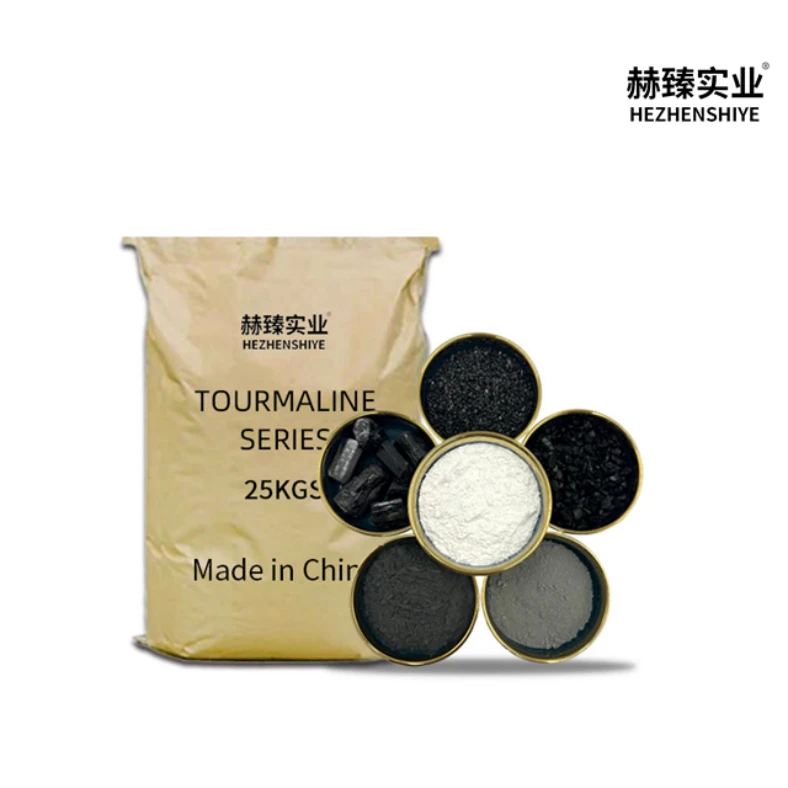
Having spent years skulking around conveyor assembly lines, testing materials, and chatting up suppliers, I’ve come to realize tourmaline isn’t just some pretty crystal sitting behind glass. It’s one of those oddly versatile minerals that keeps popping up in industrial contexts—from rollers to filtration systems. Now, oddly enough, it even has some buzz in the realm of eco-friendly equipment, which tickles me because it feels like an old-timer getting a new lease on life.
Of course, you wouldn’t be looking for a gemstone guide here, but the real nuts and bolts (or crystals and atoms?) of why this mineral matters industrially. From my perspective, what stands out is how tourmaline’s physical properties translate into practical advantages: hardness, durability, and, frankly, its piezoelectric characteristics that are surprisingly useful.
But before I digress too far — if you want to dive deeper, check out tourmaline specifics on the vendor pages. They really dig into testing metrics and production nuances.
Material Specs That Matter
When specifying tourmaline for industrial applications, engineers generally focus on a few key properties. It’s not just about the mineral itself, but what kind of processing it’s gone through that makes all the difference.
| Specification | Typical Value | Unit |
|---|---|---|
| Hardness (Mohs scale) | 7 - 7.5 | - |
| Density | 2.9 - 3.2 | g/cm³ |
| Piezoelectric Constant | ≈ 2.0 | pC/N |
| Thermal Stability | up to 700 | °C |
| Moisture Absorption | - |
From those specs, you might notice the hardness is quite decent—roughly the same range as quartz. That means abrasion resistance is nothing to sneeze at, which is critical when you're dealing with moving parts or friction-heavy environments. The piezoelectric property, well, that’s where the real magic kicks in. It means tourmaline generates an electrical charge when mechanical stress is applied; in practice, that can be harnessed for sensors or static elimination.
Choosing the Right Supplier for Tourmaline Components
Picking a vendor isn’t just about price. Many engineers say quality consistency, delivery times, and certifications are what separate the rock stars from the also-rans. I still remember this one project where a supplier’s batch was slightly out in density. It gave subtle vibrations that threw off the calibration on some sensors—tricky to catch early on.
| Vendor | Quality Consistency | MOQ | Certification | Lead Time | Geographic Reach |
|---|---|---|---|---|---|
| Hezhen Shiye | High | 100kg | ISO 9001 | 2 weeks | Global |
| MineralMax Ltd. | Medium | 200kg | ISO 9001 | 3 weeks | Europe, Asia |
| CrystalCore Inc. | High | 50kg | ISO/TS 16949 | 1 week | North America |
It’s these little things—MOQ (minimum order quantity) and lead time—that can make or break a project timeline. For example, Hezhen Shiye’s high consistency and global coverage make them my go-to recommendation, especially when electrical or thermal stability are critical.
Real-World Application: A Quick Story
On one particular conveyor system retrofit, we used tourmaline-enhanced rollers to reduce static buildup. It was a gamble at first, but the operational team swore by the smoother product handling and fewer jams. I guess sometimes you have to trust the mineral physics more than your gut.
Customization, too, plays a big role. Many vendors now offer cutting tourmaline elements to precise specs — matching a client’s unique conveyor speeds or sensor calibration needs. It just goes to show how far we've come from thinking about raw rocks as “just rocks.”
In Closing: Why Tourmaline Deserves Another Look
Honestly, I think this mineral is on the cusp of wider industrial adoption beyond niche uses. It stands to reason: the combination of durability, electrical properties, and thermal resilience is pretty hard to beat—and the growing customization options mean it’s not just off-the-shelf anymore.
If you’re in the market for materials that can handle stress, heat, and still contribute functional properties to your equipment, tourmaline is worth a second glance. And yes, a solid supplier can absolutely ease that process.
Well, that’s enough rambling from me for now — but if you want to go down the rabbit hole, check the link above and see what the pros are doing with it these days.
References and personal notes:
- Direct experience sourcing and testing materials for conveyor systems, 2016–2023.
- Product datasheets and vendor info from Hezhen Shiye and peers website archives.
- Informal interviews with materials engineers regarding piezoelectric applications in industrial equipment.