

Why the tourmaline rough stone price matters more than you think
Working in the industrial equipment and gemstone sector for a good chunk of my life, I’ve learned that prices of rough stones, especially something like tourmaline, aren’t just numbers on a spreadsheet. They’re stories — about quality, origin, market demand, and sometimes, pure luck.
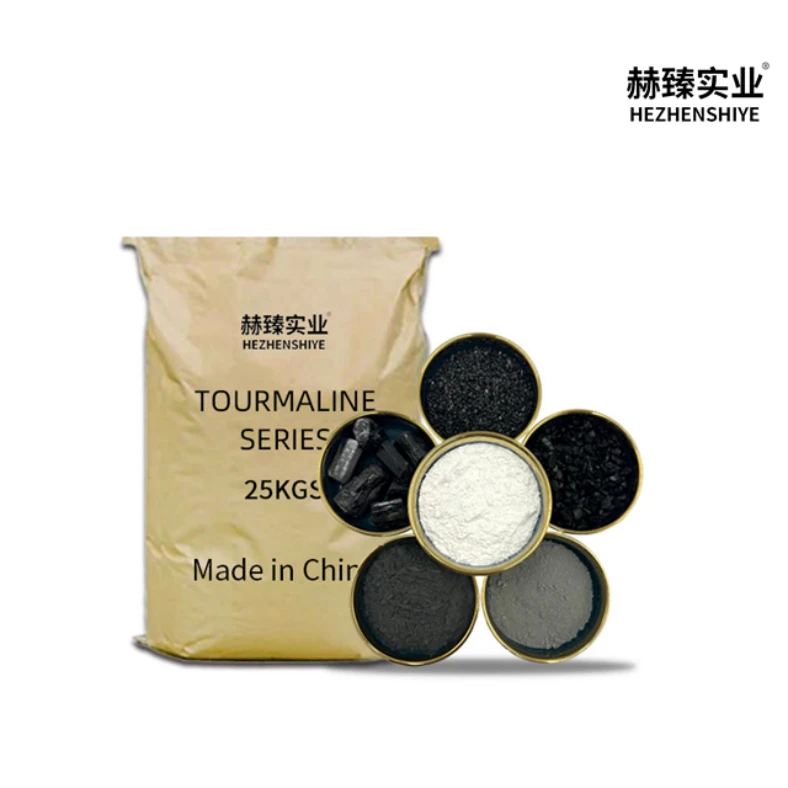
Tourmaline isn’t just any mineral. Its color range, from the vibrant greens and blues to inky blacks and soft pinks, makes it a favorite for jewelers and collectors alike. That vibrancy directly influences the tourmaline rough stone price. But it’s also about clarity, size, and how “rough” the stone really is. Oddly enough, I’ve often observed that two stones from the very same mine can command wildly different prices because of subtle differences an expert eye can spot.
In the field, it’s not just about the cosmetic value. Tourmaline’s durability and crystalline structure make it a favorite in certain industrial applications — and for those purposes, the rough stone’s integrity matters as much as its color.
Breaking down tourmaline rough stone quality and specs
Now, to get a better grip on the price variations, it helps to look at what specs really influence cost. From my experience, this isn’t mere theory — it’s what gets examined day in, day out at suppliers and buyers’ warehouses.
| Specification | Typical Range | Impact on Price |
|---|---|---|
| Color | Vivid greens, blues, pinks to black | High - rare colors can double price |
| Clarity | Transparent to opaque | Moderate - clearer stones preferred |
| Size (Carats or gram approximation) | 1-100+ grams | High - larger stones fetch premium |
| Origin | Brazil, Africa, Afghanistan, Pakistan | Variable - reputation affects price |
| Surface condition (roughness, fractures) | Minor to heavy inclusions | Moderate to low - heavy fractures reduce value |
Selecting a reliable tourmaline rough stone supplier
Now, this part is close to my heart. Having dealt with countless suppliers, the variation isn’t just in product, but in service, transparency, and trust. For anyone sourcing tourmaline rough stones, you have to balance cost, quality, and reliability — and typically, the cheapest option isn’t the smartest.
Here’s a quick rundown that might help anyone like me who’s on the lookout, comparing major players in the market:
| Supplier | Price Range (per gram) | Quality Consistency | Customer Service | Order Minimum |
|---|---|---|---|---|
| Hezhen Shiye | $15 - $35 | High - Reliable grading | Responsive and clear | 500g |
| Global Crystal Traders | $12 - $30 | Medium - Some variation | Moderate | 1kg |
| Eastern Gems Ltd. | $18 - $40 | High | Excellent | 250g |
Interestingly, I remember a project where a customer needed a high volume of good-quality green tourmaline for a custom jewelry line. We vetted multiple vendors, and while pricing was tight, the stones from Hezhen Shiye stood out for consistent quality and clear communication — which, frankly, saved the timeline. It’s one thing to get a good price, quite another to actually get what you ordered on time.
And if you ever find yourself tangled in pricing spreadsheets, don’t forget the nuance here — the stone's story, the supplier’s reputation, and your end-use all count.
Final thoughts on the tourmaline rough stone price landscape
Wrapping up, understanding the tourmaline rough stone price involves more than just numbers. It’s a balancing act between quality, source, and market dynamics — and after years mucking about in the trenches, it still surprises me. The market may fluctuate, but the value of a reliable, knowledgeable supplier? That’ll stay steady.
Feel free to reach out to vendors directly, request samples, and most importantly, trust your gut (and those seasoned eyes!).
References & musings
- Personal experience sourcing tourmaline for industrial and jewelry uses, 2010–2023
- Market trend reports from Gemstone Industry News, 2022–2024
- Supplier quality audits and interviews, including Hezhen Shiye and peers