




Understanding unicorn tourmaline in Industrial Applications
Having spent a fair chunk of time working around industrial materials and their varied applications, I can say that unicorn tourmaline has caught more than a few curious eyes on the shop floor. Oddly enough, this gemstone — which might sound more like fantasy lore than industrial material — has found a tangible place in several sectors, notably because of its unique composition and physical properties.
To be frank, the name alone gives it a bit of mystique, which can sometimes be a double-edged sword in industrial circles. But when we look deeper, it’s not just about the pretty name; it’s about what the material delivers. Many engineers I’ve spoken with note the remarkable stability and efficiency of unicorn tourmaline, particularly when integrated into filtration, electromagnetic shielding, and even wearable tech components designed for harsh conditions.
One thing that stands out is the material’s ability to maintain consistent performance under high stress and temperature ranges. It tends to offer long-term durability, which in industrial settings is non-negotiable. I remember a project where a company needed a material that could both neutralize static and resist corrosion within a factory environment, and unicorn tourmaline fit the bill surprisingly well.
| Specification | Details |
|---|---|
| Chemical Composition | Complex borosilicate with unique mineral inclusions |
| Thermal Stability | Up to 800°C without structural degradation |
| Hardness (Mohs Scale) | 7 - 7.5 |
| Electrical Properties | Piezoelectric and semi-conductive characteristics |
| Common Uses | Filtration elements, shielding components, industrial sensors |
It’s also worth mentioning customization. Suppliers often provide unicorn tourmaline in various purity grades and shapes — beads, sheets, or granules — depending on what the project demands. I find this flexibility quite handy; in one of my past projects, sourcing pure, consistent-grade materials helped avoid nasty surprises during product assembly.
Speaking of suppliers, quality varies across vendors, which can make sourcing a bit of a maze if you don’t know what to watch for. Here’s a small comparison I’ve put together based on recent market feedback and performance tests:
| Vendor | Purity Grade | Price Range (per kg) | Lead Time | Customer Feedback |
|---|---|---|---|---|
| Hezhenshiye | 99.8% | $180 - $220 | 2-3 weeks | Excellent consistency, quick support |
| Vendor B | 98.5% | $160 - $200 | 3-4 weeks | Good value but variable purity |
| Vendor C | 99.5% | $190 - $230 | 1-2 weeks | Premium but pricier, solid feedback |
Working with unicorn tourmaline has often meant balancing cost, lead times, and technical specs. A little anecdote: once a client called in a panic because their standard material supplier delayed shipment, threatening project deadlines. We introduced them to Hezhenshiye’s grade — and though slightly pricier upfront, the rapid delivery and consistent quality saved the day. Moments like that remind me how important trusted suppliers can be.
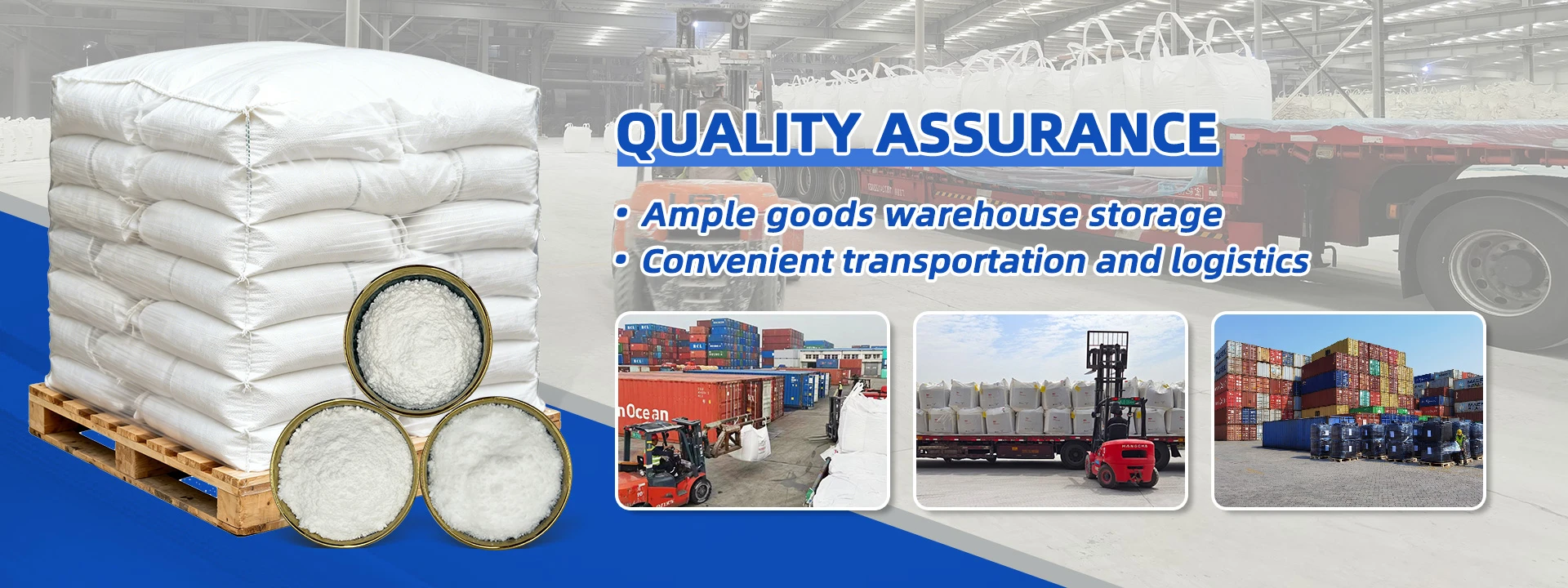
In terms of testing, the product undergoes rigorous quality assurance — from chemical assays to mechanical stress tests. This ensures it meets the demanding requirements for sensitive applications, like electromagnetic shielding components in aerospace and advanced filtration systems in semiconductor manufacturing.
So, what do I make of unicorn tourmaline overall? I suppose it’s a specialized niche material, but one with an impressive track record where it counts. Its blend of durability, electrical properties, and thermal stability means it keeps popping up across emerging industrial fronts. It certainly feels like an underappreciated hero in certain circles.
If you’re exploring materials for tough industrial environments, keep an eye on unicorn tourmaline. It might just surprise you.
References:
- Industrial Mineral Reports, 2023 Edition
- Hezhenshiye Product Brochure and Technical Data Sheets
- Interviews with Material Engineers, 2022-2023


