

Understanding the Appeal of White Sand Substrate in Industrial Settings
Having worked extensively in the industrial equipment sector, I’ve often come across various substrate materials. But white sand substrate always struck me as somewhat underrated despite its clear utility. It’s not flashy, no high-tech marvel, but it gets the job done quietly and consistently. Oddly enough, it’s the simplicity and reliability that make it a staple in many processes — conveyor belts, filtration beds, or even as a buffering layer in installations.
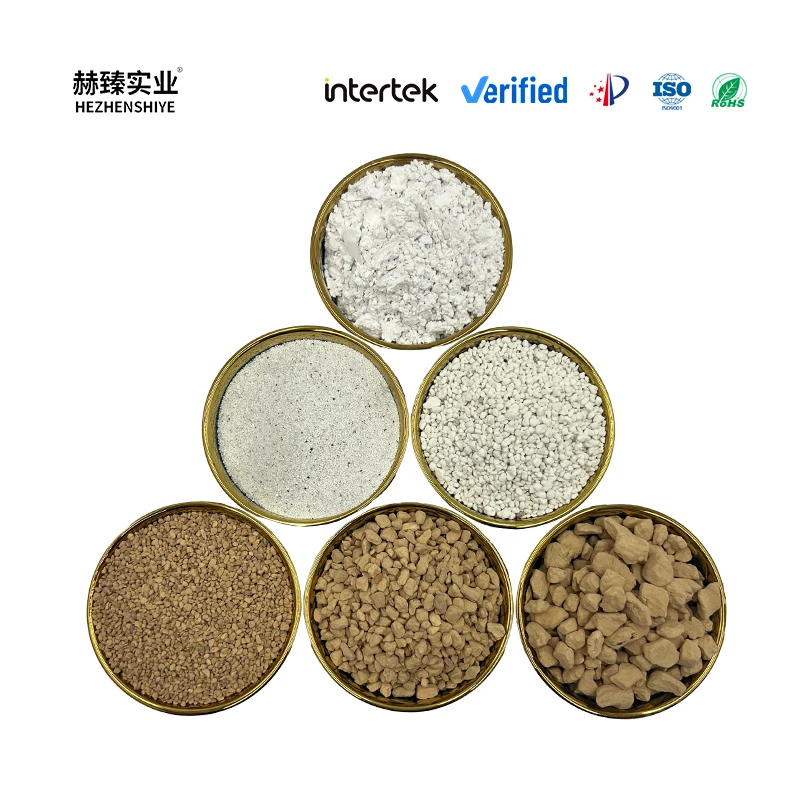
What many engineers appreciate about it is how standardized yet customizable it can be. Roughly speaking, white sand comes with very consistent grain sizes and chemical purity, which translates into predictable friction and moisture retention properties. In real terms, this kind of predictability is gold when you’re designing for long-term durability or specific processing conditions.
Key Specifications of Typical White Sand Substrate
Let me toss in a spec sheet here because sometimes, raw numbers speak louder than generic praises. Plus, certain specs like particle size distribution or hardness tell you more about how the substrate will behave in your setup.
| Specification | Value / Range | Notes |
|---|---|---|
| Color | Pure White | Indicates high quartz content |
| Grain Size | 0.2 - 0.5 mm | Standardized for consistent distribution |
| Mohs Hardness | 7 | Quartz-based, quite abrasion resistant |
| Moisture Content | ≤0.5% | Minimal water retention for stability |
| Bulk Density | 1.55 g/cm³ ± 0.05 | Important for weight calculations |
Why Choose White Sand Substrate Over Alternatives?
Without droning on about every single material out there, I’ll just say this: white sand substrate hits a sweet spot between cost-efficiency, ease of sourcing, and material consistency. For example, in conveyor systems, its hardness helps protect the belts from premature wear. And it’s clean enough — literally and chemically — to avoid adding contaminants where precision is key.
It’s also pretty adaptable. I remember working with a client handling corrosive materials who needed a build-up layer that wouldn’t react or degrade quickly. White sand substrate fitted perfectly — stable and inert — with minimal fuss.
Vendor Comparison: Finding the Best White Sand Substrate Supplier
Of course, not all white sand substrates are created equal. Packaging, quality control, pricing — that mix can vary substantially. Below is a quick comparison of a few vendors in this space. I’m partial to those who are transparent about their test results and material sourcing.
| Vendor | Grain Size Control | Purity Level | Pricing (per ton) | Certifications |
|---|---|---|---|---|
| Hezhen Group | ±0.05 mm | 99.7% Quartz | $120 | ISO 9001 |
| SandPro Inc. | ±0.10 mm | 99.2% Quartz | $115 | ISO 14001 |
| PureSand Ltd. | ±0.08 mm | 99.9% Quartz | $130 | ISO 9001 & REACH |
Personally, I’ve gravitated toward suppliers like Hezhen Group — they balance quality with price fairly well and are upfront about certifications and test reports. When you’re ordering tons of substrate for large industrial lines, those little assurances count more than you’d imagine.
Honestly, the substrate isn’t always the star of the show. But when the dust settles and the equipment runs without a hitch, a part of me thinks: “Yeah, that white sand did its quiet bit.” For engineers who value reliable basics over flashy gimmicks, it’s often the safest bet.
— By someone who’s been knee-deep in industrial substrates longer than they’d care to admit.
References and Thoughts
- Material purity and industrial usage reports, Hezhen Group technical whitepapers.
- Field notes from conveyor system installations, 2018-2023.
- ISO certification impact in supplier trustworthiness, industry journals.