

Why Green Colored Sand is a Game-Changer in Industrial Casting
2025.11.15
Why Green Colored Sand Still Matters in Modern Foundries
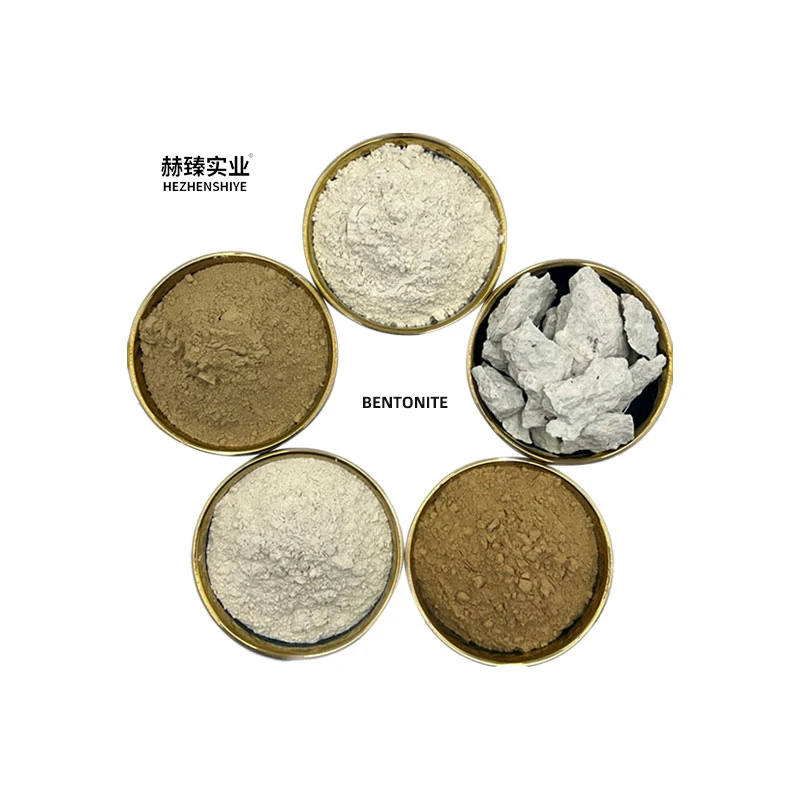
If you’ve ever spent time in a foundry or worked with molding sands, you soon appreciate that not all sand is created equal. Among the many types, green colored sand holds a special place. Frankly, it’s one of those old-school yet persistently reliable materials in the casting world. This sand isn’t ‘green’ because it’s eco-friendly — although, ironically, some components now trend toward sustainability — but because it’s used in a “wet” or moist state during casting. The green tint often comes from added clays or the natural color of the sand blended in. Whenever I talk to engineers or supervisors, they often mention how this green sand is the unsung hero behind countless metal molds, especially for iron and steel castings. Back when I started, the most dependable green sand mixes were those with a balanced blend of silica sand, bentonite clay, and water — the classic triad. Over the years, tweaks to the composition, like different clay types or grain sizes, have helped optimize everything from mold strength to gas permeability. It’s kind of like tuning a recipe until you get that perfect crust on a pie — only this crust holds molten metal.Typical Product Specifications of Green Colored Sand
People often ask me what exactly goes into a “good” green colored sand mix. There’s no one-size-fits-all, of course, but here’s a rough overview of typical specs that we’ve seen work well on the shop floor:| Specification | Typical Range | Remarks |
|---|---|---|
| Silica Sand (SiO2) | 85–92% | Clean, angular grains preferred |
| Bentonite Clay | 6–10% | Acts as binder, improves strength |
| Moisture Content | 3–5% | Ensures moldability without brittleness |
| Green Color Source | Natural clay or mineral additives | Typically no artificial dyes |
| Grain Size (Fineness Modulus) | 2.5–3.0 | Balances permeability and surface finish |
Comparing Top Vendors of Green Colored Sand
Now if you’re shopping for green colored sand suppliers — and by the way, many seasoned operators prefer consistent, tested brands — it helps to know how they stack up. Below is a light comparison I’ve pulled together based on my industrial experience and feedback from colleagues.| Vendor | Quality Consistency | Customization Options | Typical Pricing | Lead Times |
|---|---|---|---|---|
| Hezhen Shiye | Excellent - stable batch to batch | Yes, tailored blends available | Mid-range | 2-3 weeks |
| GreenSand Co. | Good, occasional variance | Limited | Economical | 1-2 weeks |
| ClayMaster Industries | High, especially on bentonite content | Yes, but premium cost | High-end | 3-4 weeks |
Final Thoughts and Field Insights
Casting with green colored sand might feel old-fashioned to some, but its resilience and adaptability keep it firmly relevant. The mix of moisture, binder, and grain characteristics lets you tailor molds for all sorts of tricky shapes and metals. I recall visiting a customer’s plant recently where subtle adjustments in their green sand recipe improved yield and cut down on scrap remarkably. Sometimes the answer isn’t flashy new materials — it’s trusting the basics. If there’s one takeaway here, it’s that adopting the right green sand product, understanding its specs, and maintaining good supplier relationships is half the battle won. And when you do that? Your castings get cleaner, your downtime shrinks, and your metallurgists smile a bit more — trust me on that. Thanks for sticking with me through this. There’s always more to discuss on sands and molds but, well, that’s another cup of coffee. References:1. "Foundry Sand Testing and Optimization," Industrial Foundry Journal, 2022.
2. Personal interviews with foundry engineers, 2023.
3. Technical datasheets from Hezhen Shiye.