

The Role of White Sand for Terrarium Success
After spending more years than I care to admit knee-deep in industrial supplies and talking substrate options with reptile aficionados, I’ve come to appreciate the simple marvel of white sand for terrariums. It feels like an unsung hero, doesn’t it? People fuss over plants, lighting, humidity, and all sorts of bells and whistles, but the base—dare I say, the foundation—often gets overlooked. That’s where white sand steps in.
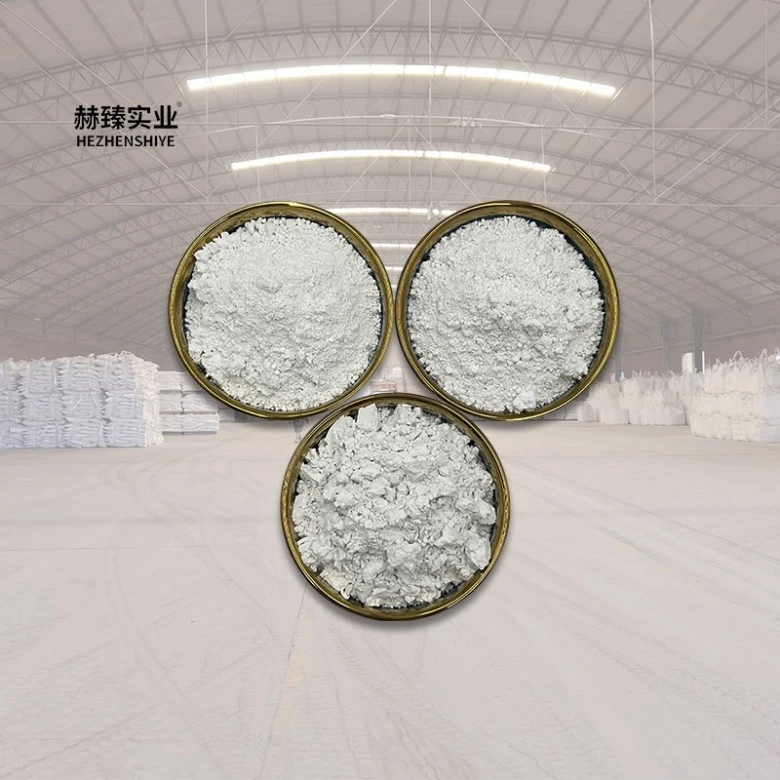
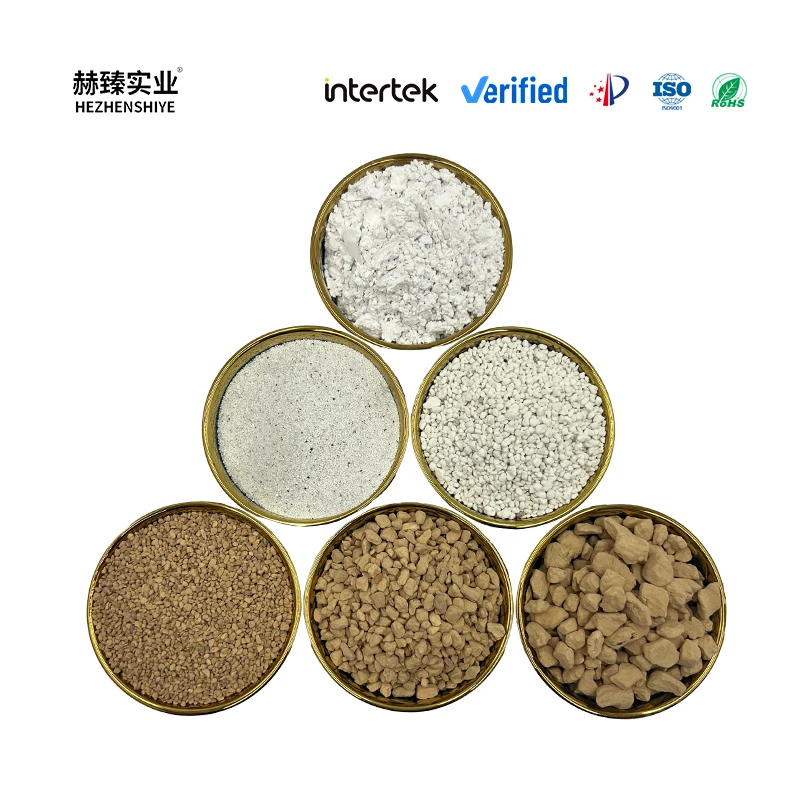
Why white sand, you ask? Well, it’s more than just a crisp aesthetic choice. Think of it as the quiet undercurrent in a well-curated habitat: it manages moisture better than many substrates, it’s often chemically neutral, and when sourced well, it’s pure enough to avoid any harmful contaminants—which, trust me, matters a lot when you have critters that spend half the day sprawled out on the surface.
White Sand for Terrarium: Key Specifications to Consider
Over time, I've noticed that the specs tell a story just as compelling as the look. White sand isn’t just “sand”; it has texture, grain size, purity, and origin—all of which impact your terrarium’s environment. For example, too fine and you risk compaction and poor aeration; too coarse and it doesn't hold moisture well. This little table below sums up the ideal specs I recommend based on hands-on experience and supplier data:
| Specification | Ideal Range/Value | Why It Matters |
|---|---|---|
| Grain Size | 0.5 mm – 1.5 mm | Balances drainage and moisture retention |
| Purity (Silica Content) | ≥ 95% | Ensures minimal contaminants/toxins |
| pH Level | 6.5 – 7.5 (neutral) | Maintains stable, safe environment for flora/fauna |
| Color | Bright white, consistent | Enhances natural light reflection, improves visibility |
| Packaging | Bulk bags (20-50 kg) | Cost-effective for both hobbyists and pros |
Picking the Right White Sand Vendor
Oddly enough, the difference between a good and a not-so-great supplier can be night and day when it comes to white sand. I remember a customer—let's call him Mark—who sourced his first batch of sand from a local landscaping supplier and ended up with a mix that was too coarse and loaded with iron particles. Needless to say, his terrarium ecosystem struggled, and so did his patience.
On the flip side, vendors specializing in terrarium-grade sands often go through rigorous testing and provide detailed specs upfront. Here’s a quick vendor comparison I put together from my industry contacts and a few product trials:
| Vendor | Purity (%) | Grain Size (mm) | Packaging Options | Price (per 20kg) |
|---|---|---|---|---|
| Hezhen Shiye | ≥ 97% | 0.5 – 1.25 | 20kg / 50kg bags | $45 |
| Local Landscaping | 85-90% | 1.0 – 3.0 (irregular) | Bulk loose / small bags | $25 |
| Generic Online Retailer | 90-95% | 0.8 – 1.5 | 5kg / 10kg bags | $50 |
Prices listed are approximate and can vary with order size and delivery location.
Final Thoughts on White Sand in Terrariums
To close off, I’ll say this: no substrate is perfect for every setup, but white sand has a quietly commanding presence in the world of terrariums. It’s affordable, reliable, and somehow effortlessly stylish. When paired with the right plants and critters, it elevates a simple enclosure to something more natural and inviting.
I remember once helping a new hobbyist who felt overwhelmed by options but decided on white sand—and it transformed his terrarium from a dusty corner into a vibrant little world. Those moments still catch me by surprise, honestly.
If you’re considering upgrading or setting up anew, thinking about the substrate should definitely be on your radar. And if you want my two cents for sourcing, white sand from specialized suppliers often pays off in the long run.
- Real-world feedback from terrarium hobbyists and reptile experts.
- Industry product specs from leading sand suppliers (Hezhen Shiye data sheets).
- Personal experience sourcing and testing substrates over the last decade.