


Why White Sand Makes a Difference in Your Fish Tank
2025.11.30
Why White Sand for Fish Tank Is a Popular Choice Among Aquarists
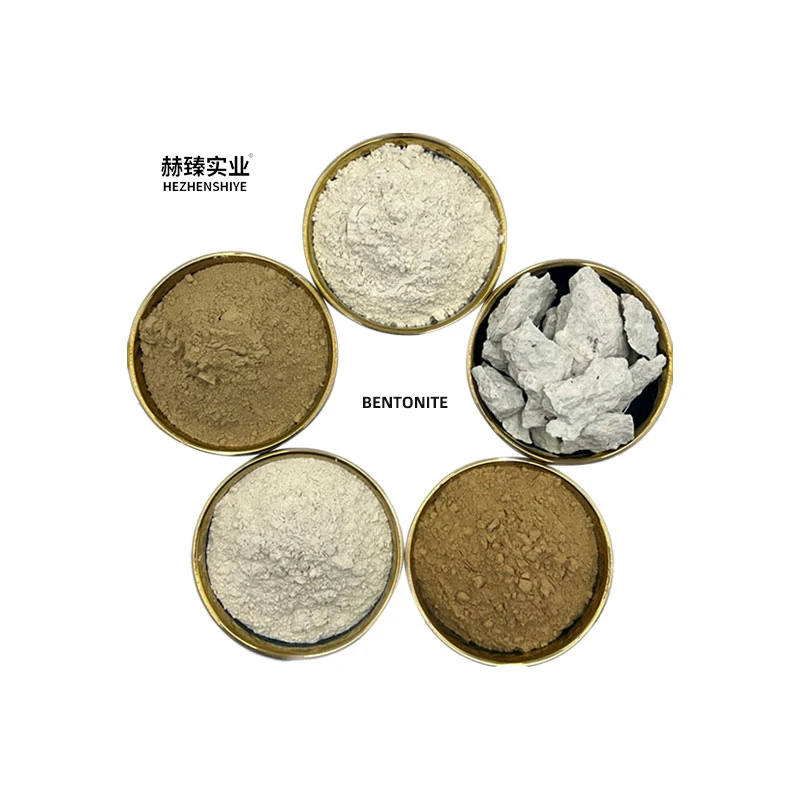
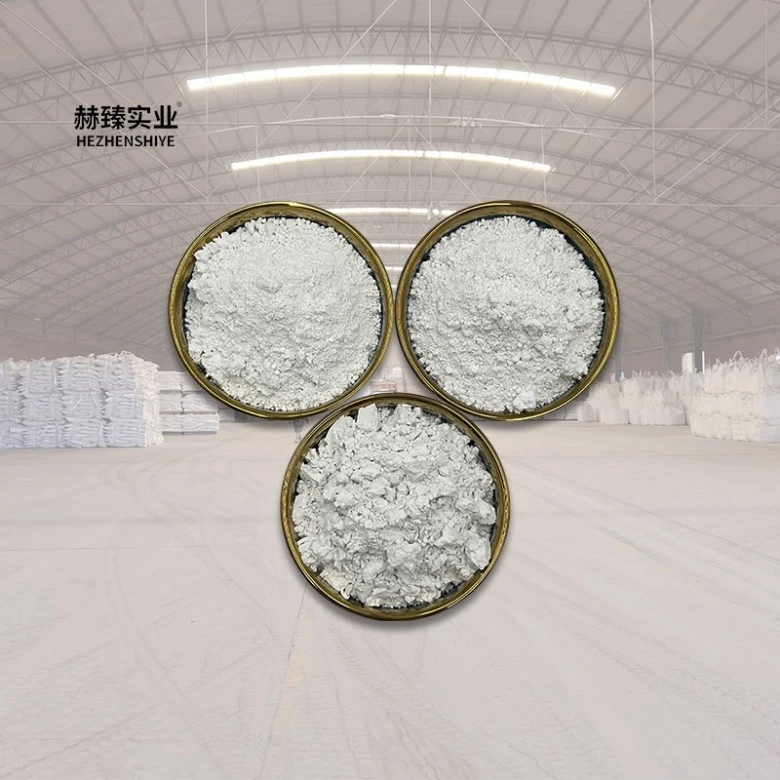
If you’ve ever peeked behind the scenes at a professional aquarist’s setup or even visited a well-designed home aquarium, you might have noticed this quiet star of the show: white sand. It’s not just about aesthetics—though, I’ll admit, that bright, natural look really can transform a tank’s vibe—but there’s a lot going on underneath the surface. White sand is more than a pretty face in the aquarium world; it plays a part in water chemistry, fish behavior, and even maintenance routines. From my years in the industrial equipment sector and a fair share of personal aquarium tinkering, I can tell you, choosing the right substrate isn’t just for show. Many engineers and hobbyists alike swear by white sand because it balances practical needs with style. Oddly enough, the substrate quietly affects how the whole aquatic environment performs. The white sand for fish tank acts like a giant filter bed, providing surface area for beneficial bacteria that help break down waste and keep water quality stable. And because it’s light-colored, it reflects light better, which can help plants photosynthesize more effectively and show off your fish’s vivid colors.What to Look for When Choosing White Sand
Not all white sands are created equal, and this is where things get interesting. In real terms, the grain size, purity, and source all matter. For instance, washed silica sand commonly used in industrial filtration makes a fantastic aquarium substrate due to its inert qualities—meaning it won’t mess with your pH levels. I’ve seen tanks fail spectacularly because someone grabbed beach sand that had all kinds of minerals and shells in it. Best avoided. Here’s a quick overview of specs you should mind:| Specification | Typical Range | Notes |
|---|---|---|
| Grain Size | 0.2 - 1.5 mm | Fine enough for plant roots; coarse enough to avoid compaction |
| Purity (Silica Content) | > 95% | High purity prevents chemical leaching |
| pH Neutrality | 6.5 - 7.5 | Doesn't alter water chemistry significantly |
| Color Consistency | Pure White to Off-White | Important for aesthetic appeal over time |
Comparing Leading White Sand Suppliers
Having sourced white sand for multiple aquascaping projects, I can say the vendor choice is crucial. Some suppliers treat the sand to improve cleanliness, others offer different grain size options, and let’s not forget price and shipping reliability. The following table breaks down a few popular sources people in the aquarium community trust the most:| Vendor | Grain Size Available | Purity | Price (per 10kg) | Additional Features |
|---|---|---|---|---|
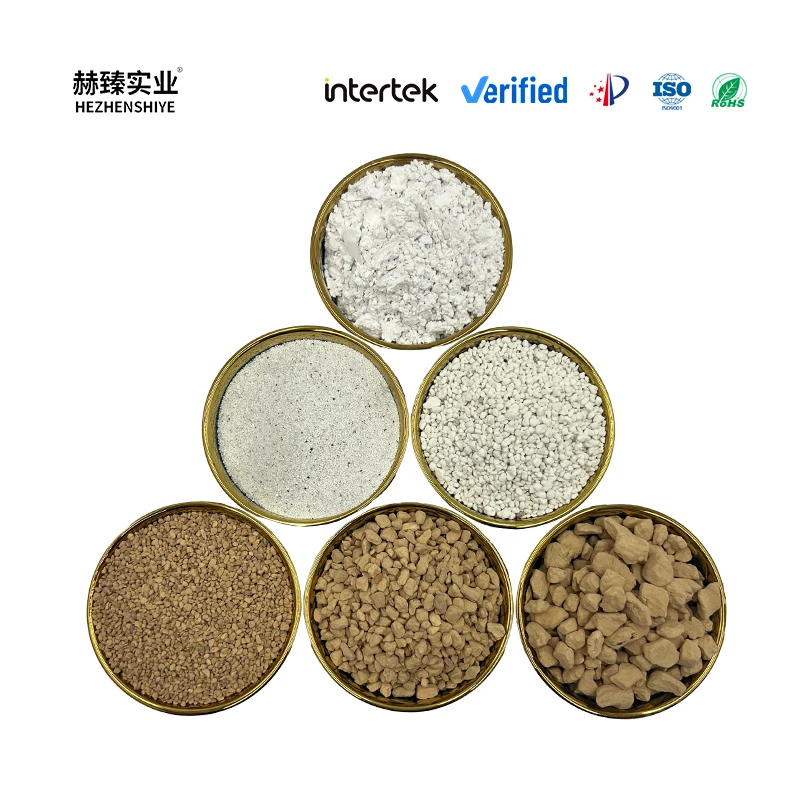
| Hezhenshiye | 0.3-1.0 mm | > 98% | $18 | Factory washed, fully inert |
| AquaPure Sand Co. | 0.2-0.8 mm | > 95% | $22 | Eco-certified, sanitized |
| Marine Sands Ltd. | 0.4-1.5 mm | > 90% | $16 | Affordable bulk options |
A Quick Story From the Field
I remember setting up a community tank in a client’s office once—it was cramped quarters, and the owner was skeptical about what substrate to use. We went with a white sand sourced from the supplier above, which they had on hand and recommended. After a few weeks, the improvement was obvious. The fish seemed calmer, the plants thrived, and the water stayed crystal clear without too much fiddling on my part. Sometimes it’s these simple choices—like picking the right white sand—that make the difference between a frustrating setup and one that just hums along. In truth, white sand might not be the flashiest component of an aquarium, but its role is underrated. It supports the ecosystem quietly, shapes the look of your underwater world, and yes... makes maintenance a smidge easier for the keen observer. Whether you’re a seasoned aquarist or just dipping your toes into the hobby, keeping substrate quality in mind pays off in more ways than one. And when it comes to white sand for fish tank, trust the experience of specialists who understand purity and consistency.References and notes:
- Aquarium substrate basics – Journal of Aquatic Sciences, 2021
- User reviews and industry forums, 2022–2023
- Technical specs from Hezhenshiye product datasheets, 2024