




As manufacturers worldwide continue to raise the bar on process efficiency, cost control, and product consistency, diatomite remains one of the most practical mineral raw materials available to industry. Filtration media, architectural and industrial coatings, plastics, rubber, paper, adhesives, construction materials, and agricultural inputs all rely on diatomite grades that can be matched to formulation conditions and end-use requirements. For importers and distributors, a dependable diatomite range also makes it easier to serve customers across several markets from a single supply source.
Diatomite is a naturally occurring, silica-rich mineral formed from the fossilized remains of diatoms. It is supplied in natural (uncalcined), calcined, and flux-calcined forms, in fine, medium, and coarse particle-size ranges and in white, off-white, and pink shades. High porosity, low bulk density, and chemical inertness give manufacturers more flexibility when developing a new formulation, matching an existing process, or maintaining consistent performance across different product lines.
Grade Selection for Different Process Requirements:
Grade selection is usually more complex than choosing a product name. A filter-aid user may need high permeability together with sharp clarity of the filtrate, while a paint formulator may focus on matting effect, brightness, and controlled oil absorption. A plastics or rubber processor may evaluate dispersion, bulk density, and the effect on mechanical properties. A construction-material producer may look at thermal conductivity, compressive strength, and fire behavior in the finished board or block. Paper, adhesive, and agricultural users each have their own expectations for retention, absorbency, or carrier behavior.
For these reasons, buyers should consider the complete application rather than grade alone. Product type, binder or carrier system, dosage, mixing and dosing equipment, processing temperature, exposure conditions, and the required finished specification can all influence the result. Our team can discuss these factors before an order is confirmed, helping customers identify a suitable grade for evaluation.

Supporting Consistent Production:
Batch-to-batch consistency is a key concern for industrial manufacturers. Variation in permeability, particle-size distribution, brightness, or moisture content can lead to visible differences between production runs, additional adjustment work, and unnecessary material waste. Stable permeability, controlled moisture, and uniform color support predictable filtration cycles and help manufacturers establish a more repeatable process.
A stable sourcing program should include more than a product name. Buyers may need information about the available grade, application suitability, packaging, sample policy, order quantity, and quality-control process. Clear communication at the quotation stage helps both sides understand the technical and commercial requirements before production begins.
Suitable for a Broad Range of Industries:
تعدد استخدامات diatomite is one reason it is widely considered by buyers in multiple industries. Filtration users may apply suitable grades to beer, wine, juice, edible oil, water, and swimming-pool filtration. Coating and paint producers may use it as a matting and functional filler in architectural, industrial, and wood coatings. Plastic, rubber, and adhesive processors may apply it as a functional filler or anti-blocking agent. Construction-material manufacturers may use it in insulation boards, lightweight blocks, and fire-resistant systems, while agricultural suppliers may use it as a soil conditioner, carrier, or natural silica source.
Each industry has different technical expectations, and no single grade should be assumed to suit every application. A detailed application discussion and a small-scale test can help reduce sourcing risk before a larger order is placed. For distributors, the broad application range makes it possible to support filtration, coating, plastic, construction, and agricultural customers in the same region without treating every inquiry as a separate sourcing project.
Practical Support for Overseas Buyers:
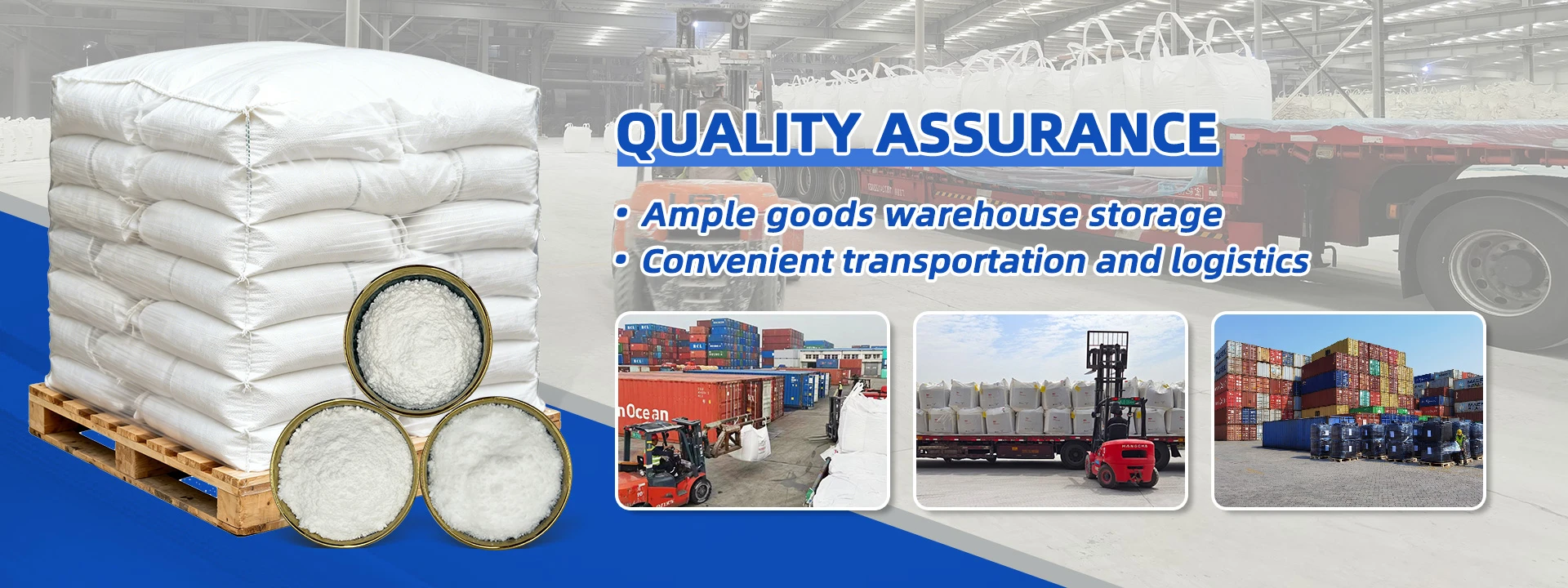
International sourcing involves product information, communication, packaging, documentation, and shipment coordination. Buyers may need to compare grades, confirm the intended use, review the available package, and estimate the quantity required for a trial or regular production. They may also need to confirm labeling, palletization, and delivery details before the goods leave our facility.
Our sales team works with importers, distributors, and manufacturers to organize these discussions. Customers can provide their target application, required grade, estimated quantity, destination market, and preferred packaging. If a reference sample, existing specification, or current supplier document is available, that information helps make the discussion more specific. Samples may also be considered when the buyer needs to test permeability, brightness, absorption, or compatibility in the intended system.

What Buyers Should Confirm Before Ordering:
Target Grade and End Use
The intended application is the starting point, but the process conditions are equally important. A filter aid for a beverage line may be evaluated differently from a filler for coatings, a plastic compound, or an insulation board. Providing this information helps the supplier recommend a more relevant grade.
Estimated Order Quantity
A customer ordering samples or a trial batch may have different packaging and delivery needs from a distributor planning a regular container shipment. Buyers should also consider whether the material will be purchased as a one-time project item or as part of a recurring supply program.
Storage and Handling
Diatomite is a light, dusty powder, so the receiving warehouse should have a clear process for identifying different grades, keeping material dry, and controlling dust during unloading and transfer. Special labeling, pallet, or documentation requirements should be communicated before the order is finalized. Users should also review the safety data sheet and apply the dust controls required by their own local regulations.
Sample or Small-Scale Trial
A sample helps the technical team review particle-size distribution, permeability, brightness, absorption, and filtration behavior under their own conditions. Laboratory or production testing remains the buyer's responsibility, because the same grade may behave differently in different carriers, dosages, and processing environments.
Long-Term Value for Industrial Sourcing:
A reliable diatomite supplier should be able to discuss both the immediate order and the buyer's longer-term requirements. For repeat customers, maintaining a clear record of the selected grade, application, package, and approval sample makes future purchasing more efficient and gives purchasing and production teams a shared reference.
A well-organized supply relationship can reduce duplicated communication and help both sides identify changes earlier. This is particularly useful for distributors and manufacturers serving several product lines.
For specifications, samples, or a quotation, please contact our sales team and share your target application, required grade, estimated quantity, destination market, and preferred packaging. We will review your requirements and discuss the next step for your project.


