

Iron Oxide Pigments The Colorful Backbone of Modern Industry
2026.05.14
Iron oxide pigments are among the most widely used and versatile inorganic colorants in the world. These simple compounds, made from iron and oxygen, have been coloring human creations for thousands of years, from ancient cave paintings to modern skyscrapers. Today, they remain essential across countless industries, valued for their exceptional stability, vibrant hues, and eco-friendly properties.
What Are Iron Oxide Pigments?
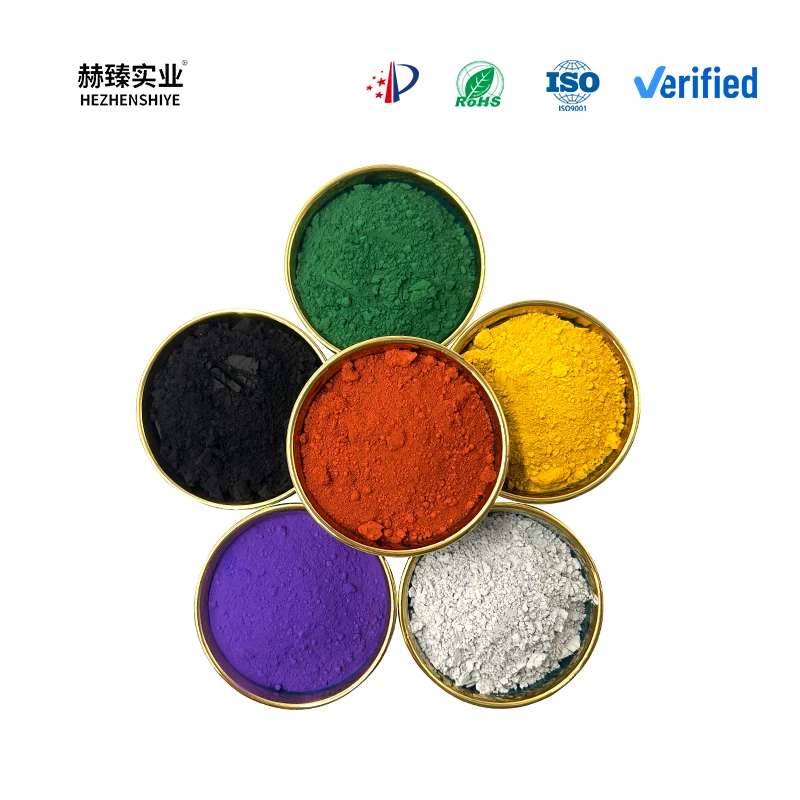
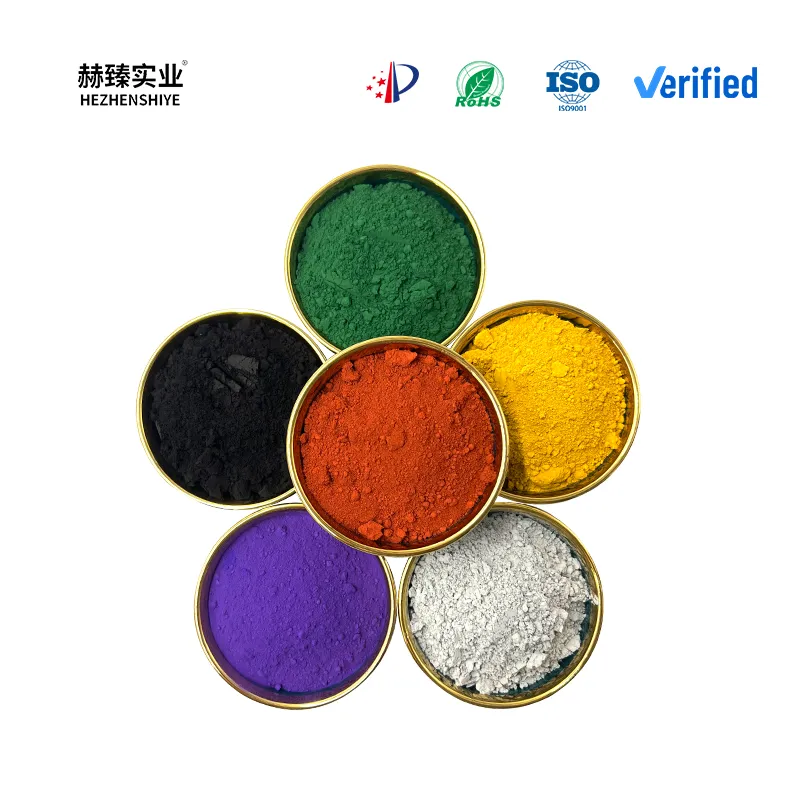
Iron oxide pigments are inorganic compounds composed primarily of iron and oxygen. They occur naturally in the Earth's crust but are also produced synthetically for industrial use. The most common types come in four main colors—red, yellow, black, and brown—each derived from specific chemical forms:
- Iron Oxide Red (Fe₂O₃): The most abundant form, accounting for about 50% of total iron oxide pigment production. It offers bright, warm red tones with excellent heat resistance.
- Iron Oxide Yellow (FeOOH): A hydrated iron oxide with soft, golden-yellow shades, ideal for creating natural earthy color palettes.
- Iron Oxide Black (Fe₃O₄): Also known as magnetite, it provides deep, intense black color with magnetic properties.
- Iron Oxide Brown: A blend of red, yellow, and black oxides, offering rich, earthy brown shades widely used in construction and coatings.
Key Properties That Make Them Indispensable
What sets iron oxide pigments apart from other colorants is their remarkable combination of physical and chemical stability:1. Exceptional Light & Weather Resistance
Unlike organic dyes that fade over time, iron oxides maintain their color vibrancy even after decades of exposure to sunlight, rain, and extreme temperatures. Buildings painted with iron oxide pigments retain their original color for 20+ years, making them perfect for outdoor applications.2. Chemical Stability
These pigments are highly resistant to alkalis, acids, and most industrial chemicals. They remain stable in cement, lime, and other alkaline construction materials without affecting structural integrity. They also don't dissolve in water, oils, or common solvents.3. Heat Resistance
Iron oxides maintain their color at high temperatures. Red oxides stay stable above 300°C, while yellow oxides begin changing color only above 130°C. This makes them suitable for plastics, ceramics, and high-temperature coatings.4. Non-Toxic & Eco-Friendly
A major advantage is their safety. Iron oxides are non-toxic, odorless, and environmentally friendly. They're approved for use in food packaging, cosmetics, and toys, meeting strict global safety standards.5. Excellent Coloring Strength
Despite being cost-effective, iron oxides have high tinting power—small amounts effectively color large volumes of base materials. This efficiency reduces material usage and production costs.Wide-Ranging Industrial Applications
Iron oxide pigments' versatility makes them essential in numerous sectors:Construction Industry
The largest consumer, using over 60% of production. They color concrete, bricks, roofing tiles, and paving stones. Colored concrete structures resist fading and weathering, reducing maintenance needs.Paints & Coatings
Used in architectural coatings, automotive finishes, industrial protective coatings, and marine paints. They provide corrosion resistance while maintaining color stability.Plastics & Rubber
Added to thermoplastics, thermosets, and rubber products for durable coloring. Products like plastic containers, toys, and automotive parts retain vibrant colors without fading.Ceramics & Glass
Color ceramics, tiles, and glass products. In glass manufacturing, they create colored glass that absorbs UV and infrared radiation.Other Uses
Found in paper, ink, cosmetics, and even as colorants in some foods (E172). Their safety and stability make them ideal for these sensitive applications.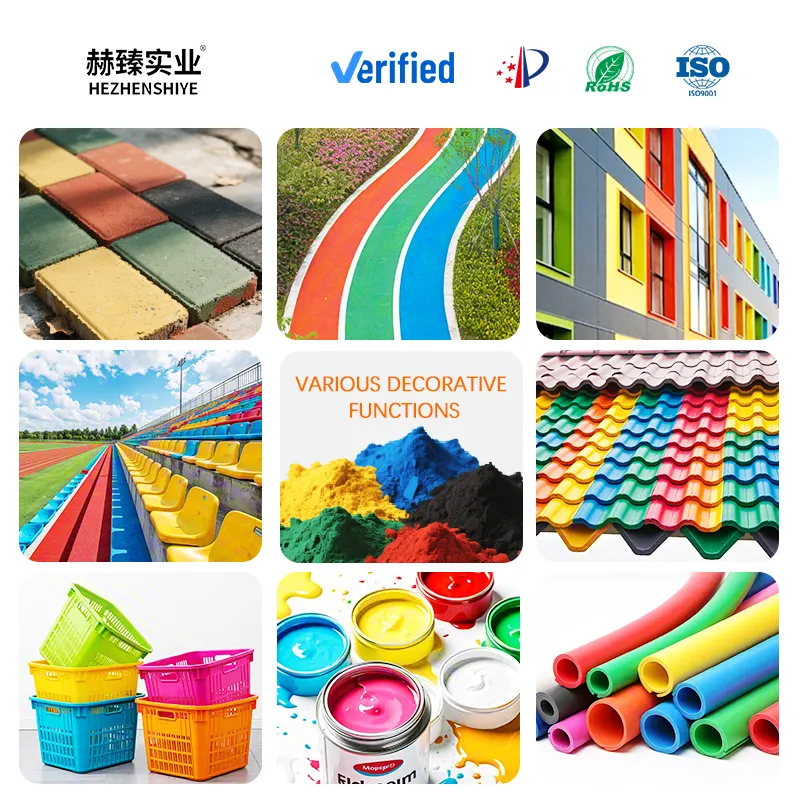
Natural vs. Synthetic Production
Iron oxide pigments come from two sources:- Natural Iron Oxides: Mined from mineral deposits like hematite and magnetite. They offer earthy tones but have less consistent quality.
- Synthetic Iron Oxides: Chemically produced under controlled conditions. They provide purer colors, better consistency, and higher performance—accounting for over 98% of modern industrial use.
Why Choose Iron Oxide Pigments?
Compared to alternatives, they offer unmatched benefits:- Cost-Effective: More affordable than many organic or specialty pigments.
- Durable: Longer lifespan means fewer replacements and lower long-term costs.
- Sustainable: Non-toxic, chemically stable, and often made from recycled iron materials.
- Versatile: Works with almost any material and maintains quality across applications.