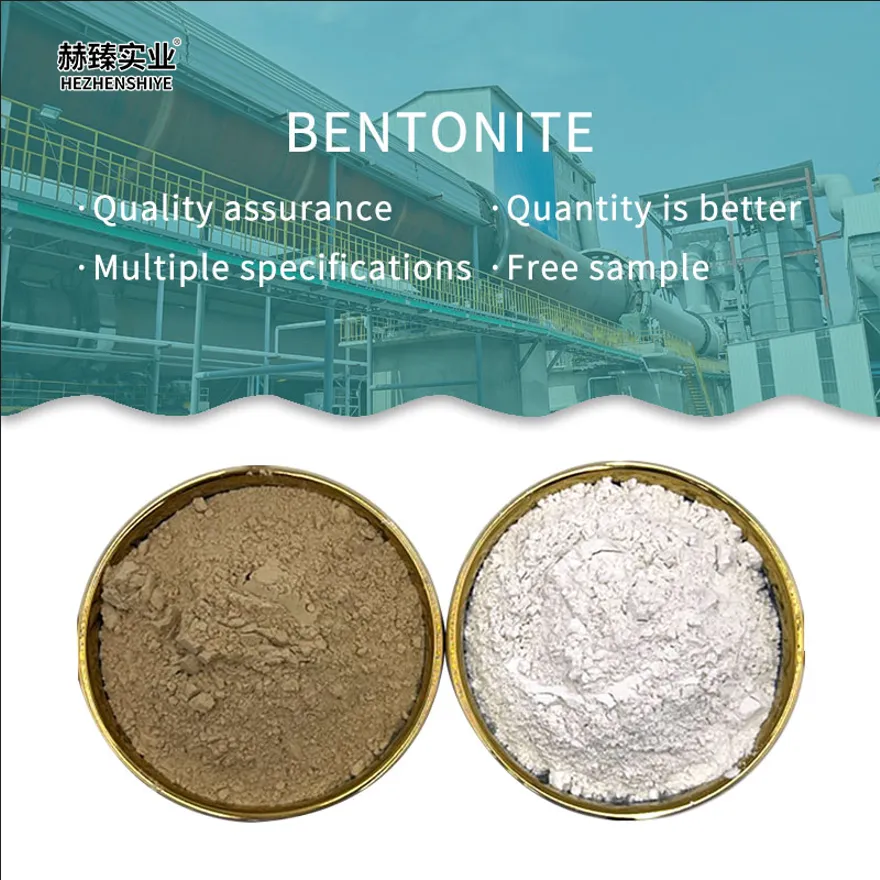
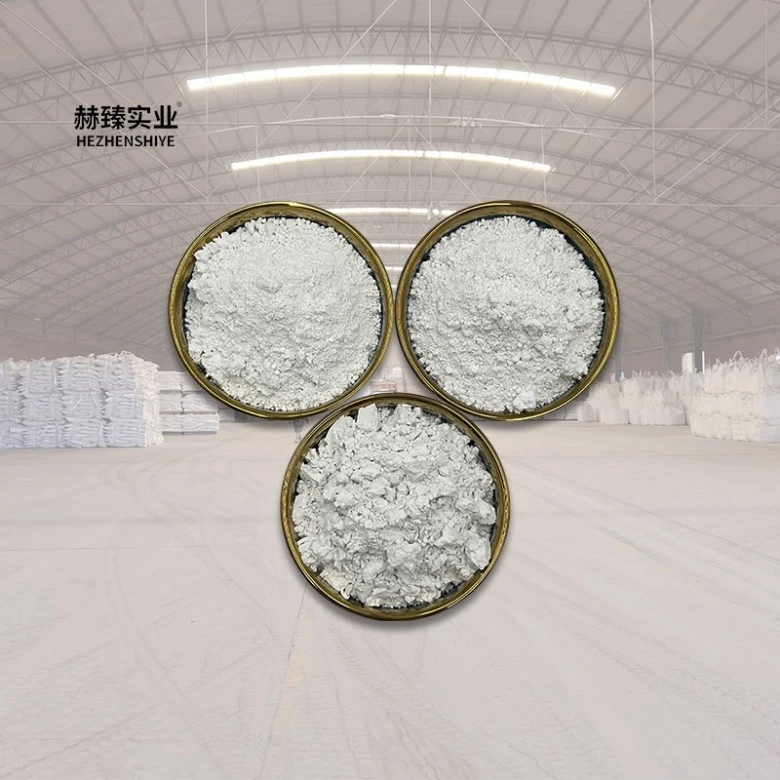
This mineral-based coating, enriched with calcium compounds, serves a paradoxical role. In agriculture, it acts as a protective shield for granular fertilizers: its fine, porous layer locks in nutrients, preventing moisture-induced clumping and premature nutrient runoff. Farmers benefit from consistent crop uptake and reduced waste. Simultaneously, the coating’s thermally stable calcium carbonate properties are harnessed in metal casting. Applied to molds, it forms a non-stick barrier that ensures seamless metal flow and flawless surface finishes, slashing rejection rates in automotive and machinery parts production.
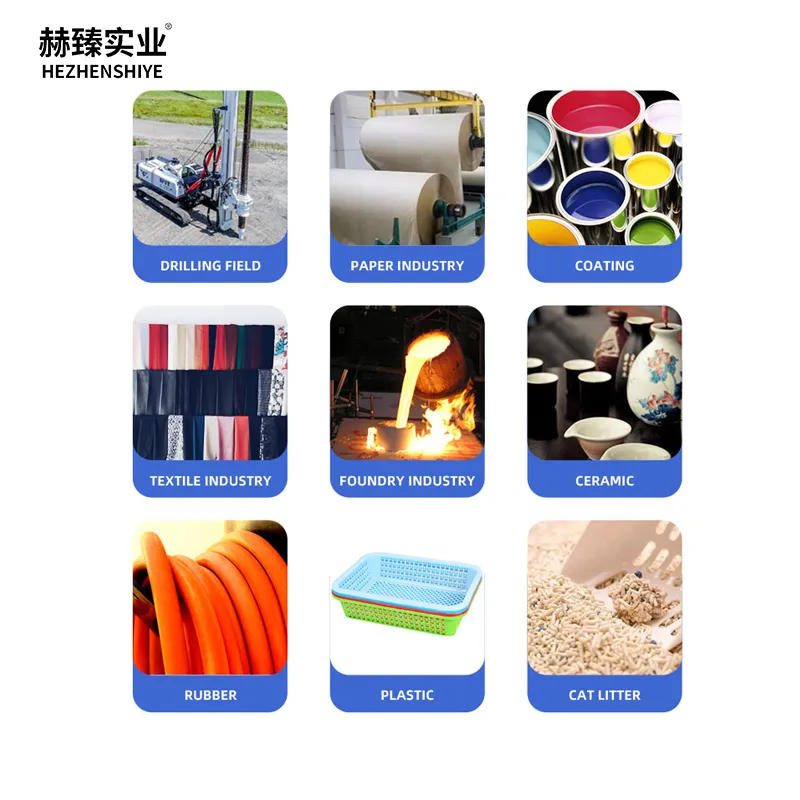
A vivid yellow variant of sodium-activated bentonite clay is the backbone of stable drilling operations. When mixed with water, it swells into a viscous, shear-thinning gel that seals porous rock formations and balances borehole pressure. This “drilling mud” suspends rock cuttings, cools bits, and prevents well collapses—critical for safe, efficient hydrocarbon or geothermal energy extraction. Its self-healing properties, which reseal fissures on contact, reduce costly downtime. Post-use, the clay’s inert, non-hazardous nature simplifies waste disposal.
These minerals epitomize smart resource utilization. A single mineral source (e.g., limestone for calcium, volcanic ash for bentonite) is transformed through processing to address distinct industrial challenges. By enhancing crop yields, refining manufacturing quality, and enabling sustainable energy extraction, they prove that innovation often lies in adapting nature’s building blocks for modern demands. As industries prioritize resilience and efficiency, such dual-purpose minerals will remain cornerstones of progress.
In the iron and steel metallurgy sector, bentonite powder is most widely applied as a binding agent in iron ore pelletizing, a critical pre-treatment process for blast furnace ironmaking. Iron ore fines, which cannot be directly fed into blast furnaces, need to be processed into uniform, high-strength pellets through pelletizing, and bentonite powder serves as the optimal binder to hold ore particles together. When mixed with iron ore fines, water and other additives, bentonite powder swells and forms a viscous, adhesive film that coats each ore particle, creating strong interparticle bonds that ensure pellets maintain integrity during transportation, drying, preheating and high-temperature roasting. The binding performance of bentonite powder directly determines the drop strength, compressive strength and thermal stability of iron ore pellets, which are key indicators affecting blast furnace permeability and smelting efficiency. High-quality bentonite powder ensures pellets do not crack or break under mechanical stress and high heat, maintaining a loose and permeable material layer in the blast furnace, which promotes smooth gas flow, accelerates reduction reactions and improves iron output and quality.
The application of bentonite powder in iron ore pelletizing also significantly improves the thermal stability of pellets, a vital property for withstanding extreme temperature changes in the pelletizing rotary kiln and blast furnace. Bentonite powder retains its structural integrity at high temperatures, preventing pellets from softening, sticking or pulverizing during heating and reduction processes. This thermal stability ensures pellets maintain their shape and porosity, facilitating the full contact between iron ore and reducing gases, thus speeding up the reduction of iron oxides and lowering energy consumption in the smelting process. Additionally, bentonite powder helps regulate the porosity of finished pellets, balancing mechanical strength and gas permeability to create an optimal internal structure for efficient reduction. Metallurgical plants rely on bentonite powder to produce qualified iron ore pellets that meet the strict requirements of modern large-scale blast furnaces, laying a solid foundation for efficient and stable ironmaking operations.
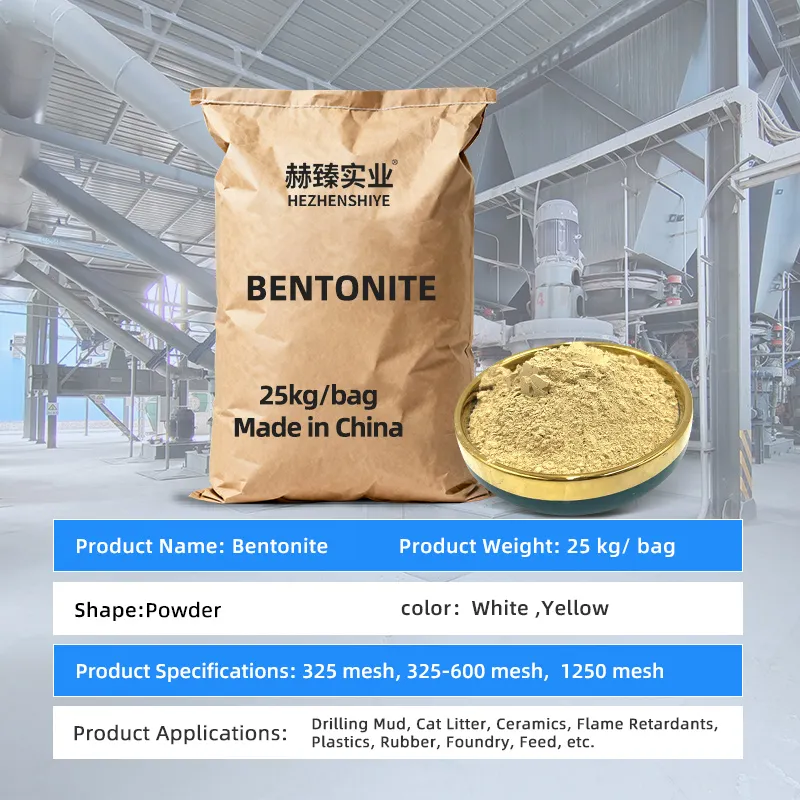
Beyond iron ore pelletizing, bentonite powder acts as an effective fluxing and slag modifying agent in steelmaking processes, including converter steelmaking, electric arc furnace steelmaking and secondary refining. In steelmaking, molten iron contains harmful impurities such as sulfur, phosphorus and silicon, which need to be removed through slagging reactions, and bentonite powder assists in optimizing slag properties to enhance impurity removal efficiency. Bentonite powder can lower the melting point of metallurgical slag, promote the formation of fluid, homogeneous slag that fully wraps and absorbs impurities, and accelerate the separation of slag and molten steel. Its chemical inertness ensures it does not introduce harmful elements into the molten steel, avoiding secondary pollution and guaranteeing the purity of finished steel products. Bentonite powder also improves the viscosity and fluidity of slag, preventing slag splashing during steelmaking and protecting furnace linings from erosion, thus extending the service life of metallurgical furnaces and reducing maintenance costs.
Bentonite powder plays a key role in desulfurization and dephosphorization processes in metallurgical production, two critical steps for producing high-purity steel and non-ferrous metals. Sulfur and phosphorus are harmful impurities that cause brittleness and poor mechanical properties in metallurgical products, and efficient removal of these impurities is essential for meeting industrial quality standards. Bentonite powder, when used as a component of desulfurization and dephosphorization fluxes, enhances the adsorption and fixation capacity of slag for sulfur and phosphorus ions, promoting their transfer from molten metal to slag phase. Its unique layered structure provides a large specific surface area for chemical reactions, boosting the reaction rate and impurity removal rate, and reducing the consumption of expensive fluxing materials such as lime and fluorite. The use of bentonite powder in refining processes not only improves the purity of molten metal but also shortens refining time, enhancing the overall efficiency of steelmaking and non-ferrous metal smelting lines.
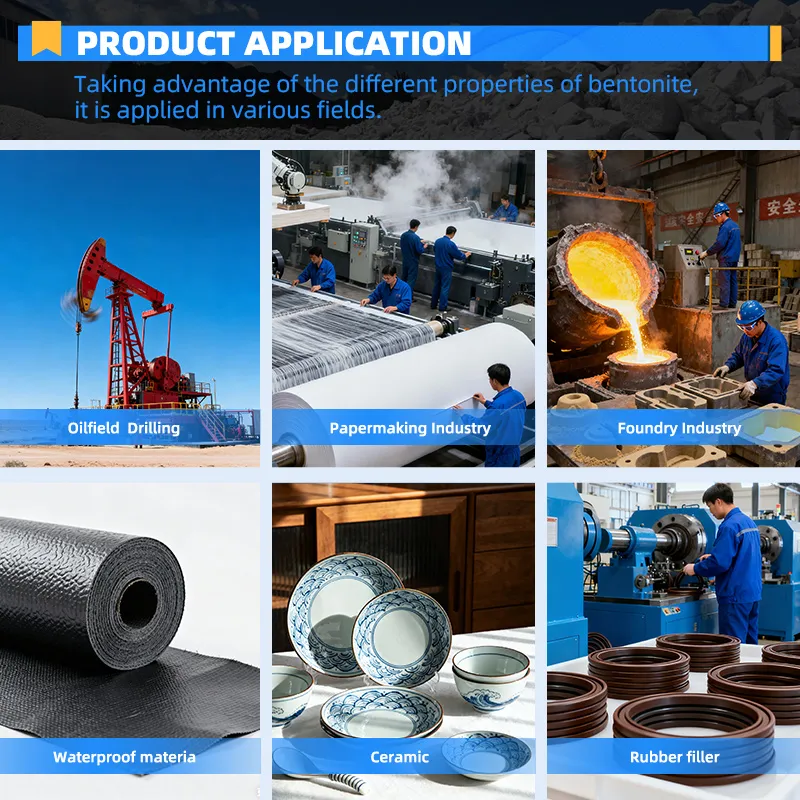
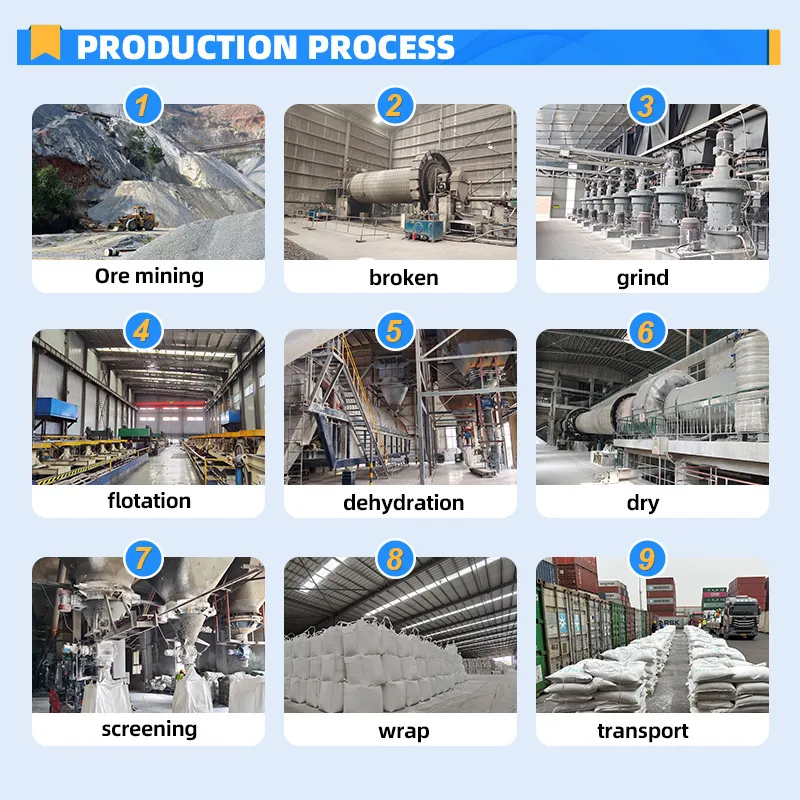
In non-ferrous metallurgy, including the smelting of copper, aluminum, zinc, lead and other non-ferrous metals, bentonite powder serves as a versatile auxiliary material with multiple application scenarios. For copper smelting, bentonite powder is used as a binder for copper concentrate briquetting, improving the strength of concentrate briquettes and ensuring stable feeding into smelting furnaces. It also modifies slag properties in copper converters, promoting the separation of matte and slag, reducing metal loss in slag and improving the recovery rate of copper. In aluminum smelting, bentonite powder is added to electrolyte systems to adjust electrolyte viscosity and fluidity, stabilizing electrolytic cell conditions, reducing energy consumption and improving the quality of electrolytic aluminum. For zinc and lead smelting, bentonite powder assists in dust collection and waste residue treatment, adsorbing heavy metal particles and toxic substances in flue gas and slag, reducing environmental pollution and realizing resource recycling.
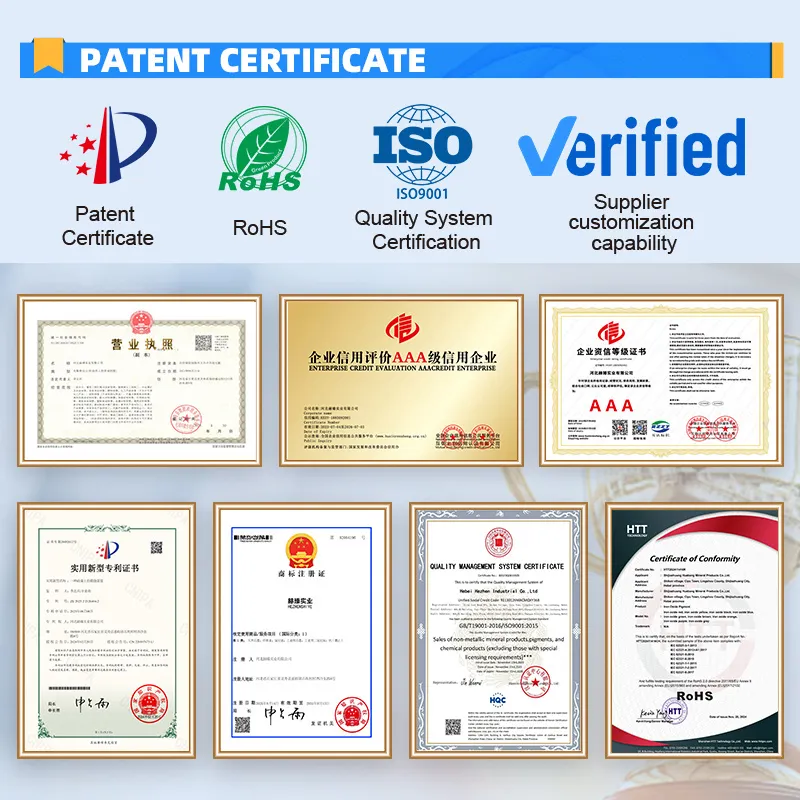
Bentonite powder is also widely used in metallurgical waste treatment and resource recycling, a crucial part of sustainable metallurgical production. Metallurgical production generates a large amount of solid waste such as blast furnace slag, steelmaking slag, dust and sludge, which contain recyclable metal resources and require harmless treatment. Bentonite powder’s strong adsorption and binding properties make it an ideal material for stabilizing and solidifying metallurgical waste, immobilizing heavy metal ions and harmful substances in waste residues to prevent leaching and environmental contamination. It can also be used as a binder for briquetting metallurgical dust and sludge, turning fine waste particles into reusable briquettes that can be reintroduced into smelting furnaces, recovering residual metal resources and reducing waste discharge. This application of bentonite powder helps metallurgical plants achieve waste reduction, resource recycling and environmental protection, while creating additional economic benefits.

The thermal stability of bentonite powder is a core advantage that supports its wide application in high-temperature metallurgical environments. Metallurgical processes involve extreme temperatures ranging from hundreds to thousands of degrees Celsius, and ordinary binding and fluxing materials are prone to decomposition, melting or failure under such conditions. Bentonite powder, with its stable crystal structure, maintains its physical and chemical properties at high temperatures, retaining binding, adsorption and fluxing effects without decomposing into harmful substances. This high thermal stability ensures bentonite powder performs consistently throughout the entire smelting process, from low-temperature pelletizing to high-temperature roasting and molten metal refining, without losing functionality or causing adverse effects on metallurgical reactions. It also resists erosion from high-temperature molten slag and gas, ensuring long-term stable performance in harsh metallurgical working conditions.
The chemical inertness of bentonite powder is another critical property that makes it suitable for metallurgical applications, as it does not react with molten metal, slag or other metallurgical additives to introduce unwanted impurities. Metallurgical production has extremely strict requirements for material purity, and even trace amounts of harmful elements can degrade the quality of finished steel and non-ferrous metals. Bentonite powder, after purification and processing, has low content of impurities such as sulfur, phosphorus, alkali metals and heavy metals, ensuring it does not contaminate molten metal during use. Its chemical stability also prevents it from reacting violently with other fluxes, ensuring the stability of metallurgical reaction systems and making process control more accurate and reliable. This inertness makes bentonite powder compatible with various metallurgical raw materials and additives, expanding its application scope across different metallurgical processes.
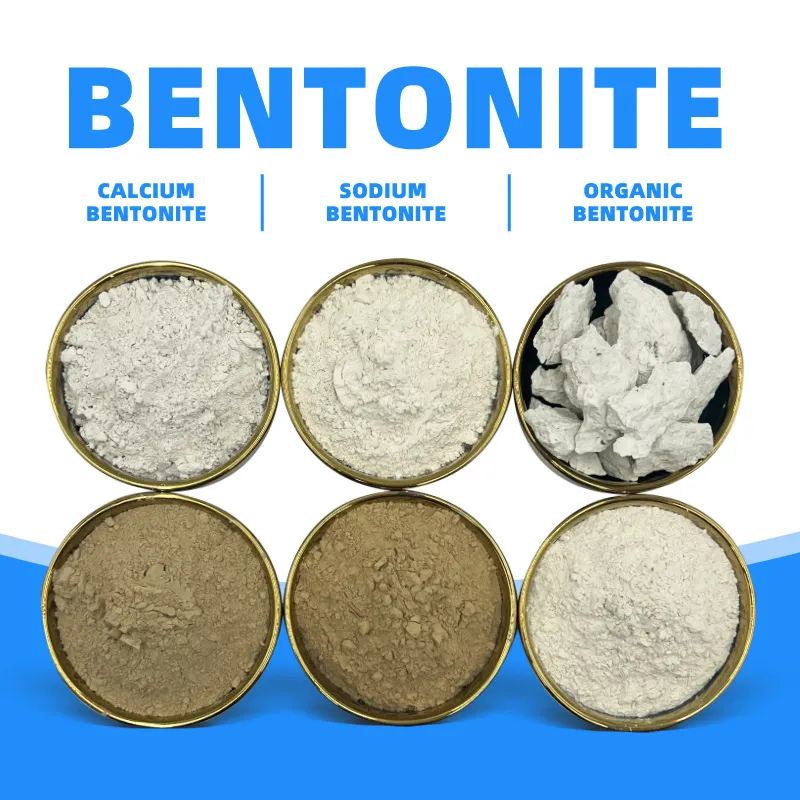
Different grades of bentonite powder are processed to meet the diverse needs of the metallurgy industry, with each grade formulated to deliver targeted performance for specific metallurgical applications. Sodium bentonite powder, with superior swelling capacity, binding strength and thermal stability, is the preferred grade for iron ore pelletizing, providing high-strength pellets and meeting the strict requirements of blast furnace ironmaking. Its strong water absorption and adhesion ensure uniform binding of ore particles, even for fine-grained iron ore concentrates. Calcium bentonite powder, with moderate binding performance and good chemical stability, is suitable for steelmaking slag modification and non-ferrous metal smelting, offering cost-effective performance for medium-demand metallurgical processes. Activated bentonite powder, processed to enhance adsorption and fluxing properties, is used in high-purity metal refining and metallurgical waste treatment, delivering efficient impurity removal and waste stabilization effects.


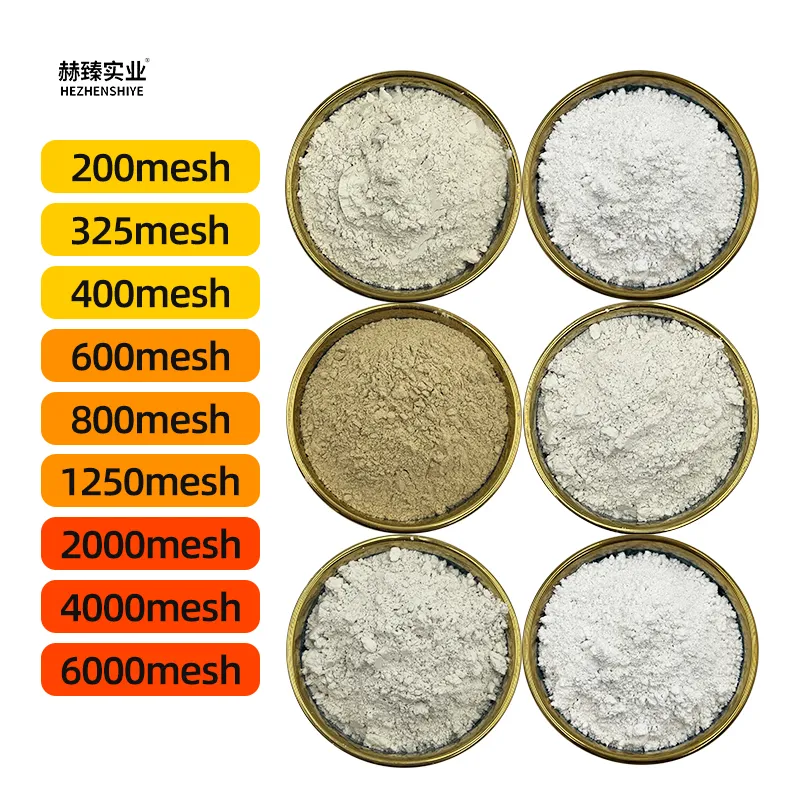
Processing and quality control of bentonite powder for metallurgical use follow stringent industrial standards to ensure consistent performance in complex smelting environments. Raw bentonite ore is extracted from high-quality mineral deposits, then crushed, ground into ultra-fine powder and purified through multiple processes to remove impurities such as quartz, feldspar, organic matter and harmful elements. The particle size of bentonite powder is precisely controlled, as finer particles ensure better dispersion, larger contact area and stronger binding or adsorption effects in metallurgical mixtures. Purified bentonite powder undergoes comprehensive testing for swelling index, binding capacity, thermal stability, impurity content and pH value, with only batches meeting metallurgical grade specifications approved for use. This strict quality control guarantees that bentonite powder performs reliably in every metallurgical process, avoiding production fluctuations caused by material quality issues.





 ব্যানার পিডিএফ
 একটি উদ্ধৃতি পেতে