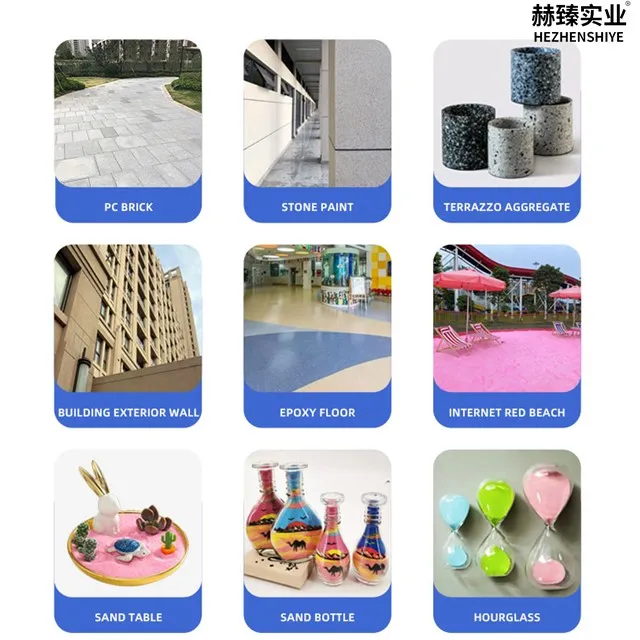
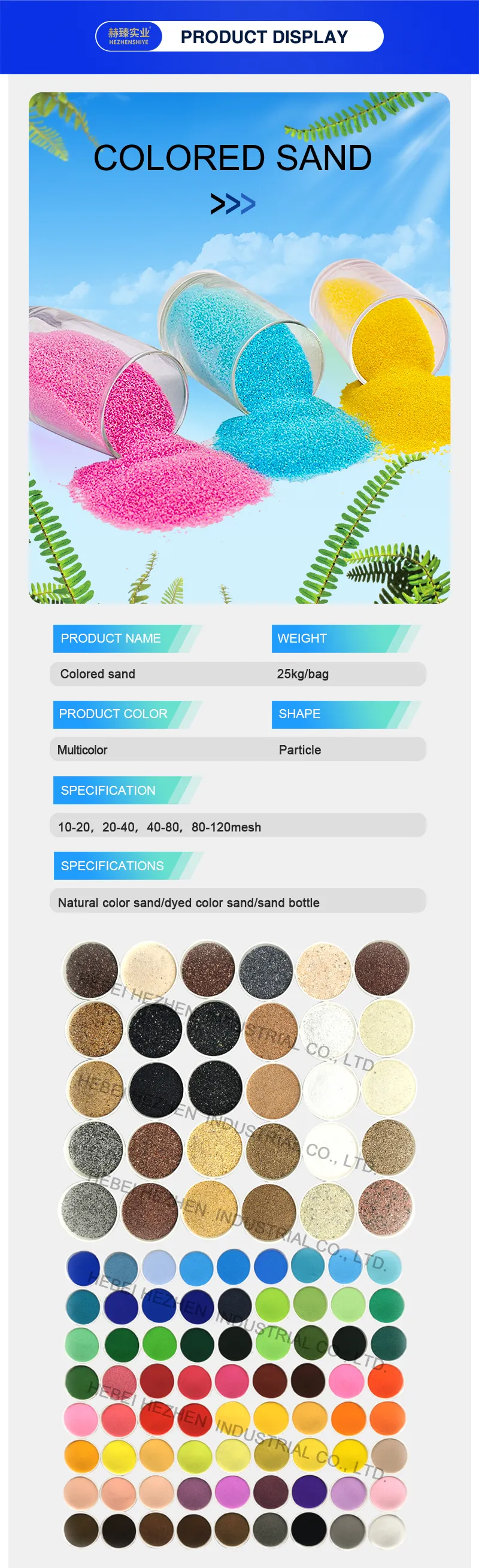
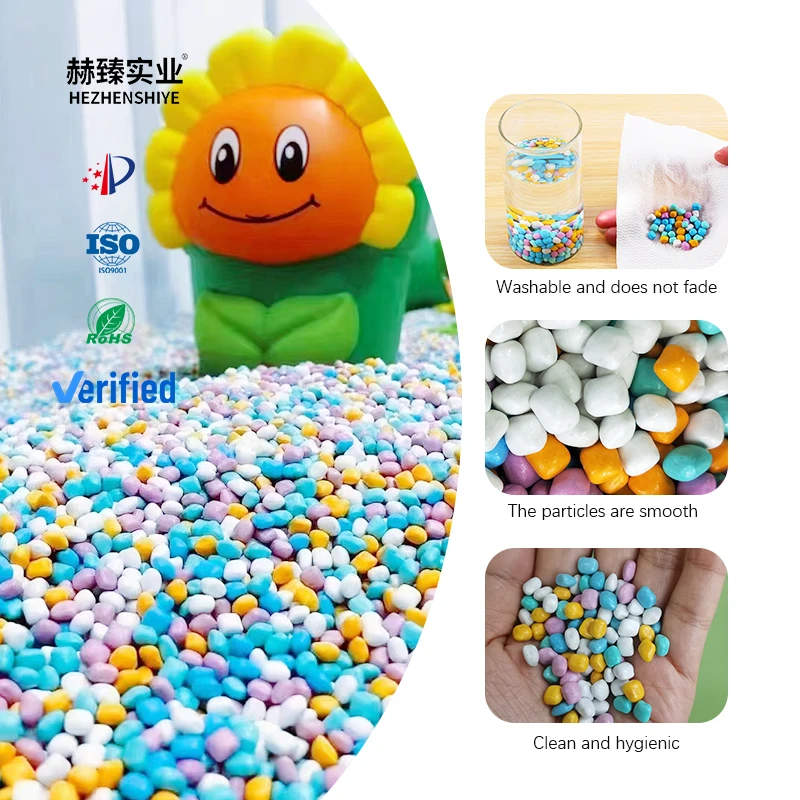
Interior spaces benefit greatly from versatility of colored sand. Homeowners often choose to incorporate sand-based artworks into their decor, where layers of different sand shades create landscapes, abstract designs, or even portraits. These pieces hang above fireplaces, beside sofas, or in hallways, becoming conversation starters as guests marvel at detailed craftsmanship. Some opt for sand-infused wall coatings, which add subtle texture and color variation, turning plain walls into focal points that complement furniture and textiles.
Public areas also embrace charm of colored sand. Malls, hotels, and office lobbies feature large-scale sand murals that reflect local culture or brand identity. These installations use thousands of grains in coordinated shades to form bold images or delicate patterns, welcoming visitors with visual appeal. Playgrounds often use colored sand in activity areas, where children can build, sift, and create to their hearts’ content, enjoying tactile experience of grains slipping through fingers while surrounded by bright, cheerful tones.
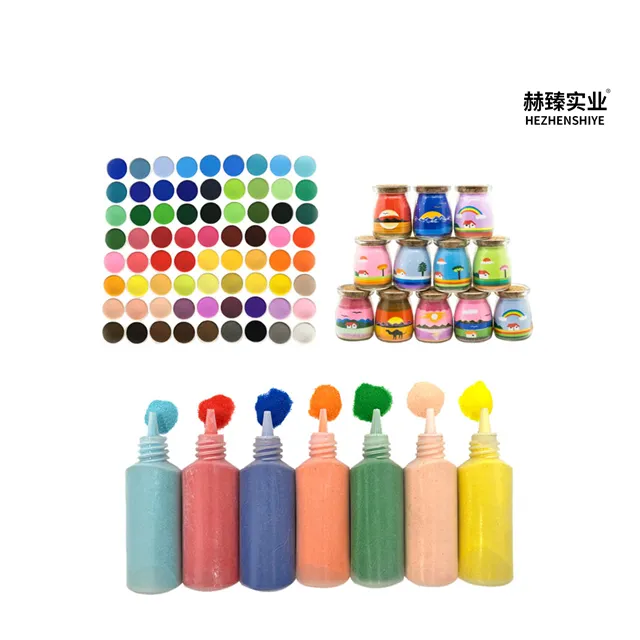
Craft enthusiasts find endless possibilities in colored sand. Hobbyists create small-scale sand art in glass jars, arranging layers of contrasting or complementary sand colors to form miniature scenes or geometric patterns. These jars make thoughtful gifts or decorative accents for shelves and desks. Others use sand to embellish greeting cards, scrapbooks, or jewelry boxes, adding unique touch that sets handmade items apart from mass-produced ones. Sand can also be mixed with adhesives to form decorative borders or shapes on various surfaces, from wood to paper.
Outdoor spaces are not left behind when it comes to colored sand’s charm. Gardeners use sand to line flower beds, creating defined edges that highlight vibrant blooms. Pathways made of colored sand and gravel add visual interest to yards, guiding visitors through different sections of garden while complementing natural surroundings. Some even create outdoor sand art installations that change with light, as sun’s rays hit sand grains and reflect different shades throughout day.
Colored sand’s appeal lies in its remarkable ability to adapt to diverse styles and purposes, seamlessly fitting into both modern and traditional aesthetics alike. Whether used in bold, statement-making artworks that dominate a room or subtle, understated accents that add quiet charm, it brings distinct sense of creativity and joy to every project. Its soft, granular texture and rich, varied hues make it a favorite among those who love to create—amateurs and seasoned creators alike—since it allows for endless experimentation with color combinations, layer thicknesses, and application methods, fostering deep personal expression. From large-scale professional artworks displayed in galleries to small DIY crafts crafted at home, from intricate indoor decor that elevates living spaces to sprawling outdoor landscapes that enhance garden beauty, colored sand continues to inspire and delight, proving that tiny sand grains can make truly significant impact on any environment.
Artists often experiment with wide range of application techniques to fully maximize colored sand’s unique potential, leveraging its texture and color vibrancy to create one-of-a-kind pieces. Some use fine brushes to carefully spread sand across canvas or wood surfaces, building up thin layers to create smooth color gradients or delicate textured effects that catch light in different ways. Others rely on free-flowing pouring methods, tilting surfaces to guide sand into organic shapes and patterns that feel natural and dynamic, letting each grain settle where it may to add element of spontaneity. Stencils are also incredibly popular, helping crafters and artists achieve precise geometric designs, intricate motifs, or even detailed silhouettes that perfectly showcase sand’s vibrant hues and contrast between shades. No matter the technique employed, end result is always unique—each sand grain falls in slightly different position, and subtle variations in sand texture add depth, making every creation truly one-of-a-kind and impossible to replicate exactly.
Schools and community centers frequently incorporate colored sand into educational activities, using it as engaging tool to teach children about color mixing, texture variation, and creative expression in hands-on way. Kids eagerly enjoy sorting sand by shade, arranging grains into color families, and combining different sand colors to create entirely new hues—learning basic color theory without feeling like traditional lessons. They also use sand to make art projects that they can take home, such as layered sand jars, sand paintings, or small decorative figurines adorned with sand, turning learning into fun, memorable experience. These activities not only foster creativity and imagination but also help develop fine motor skills as children manipulate small sand grains, along with attention to detail as they focus on precise arrangements. This makes colored sand a valuable and versatile tool in learning environments, bridging gap between education and creativity seamlessly.
Event planners also regularly turn to colored sand for special occasions, drawn to its ability to add unique, personalized touch and create lasting visual impressions. Weddings often feature heartfelt sand ceremonies, where couples mix two different colored sands—each representing their individual personalities or backgrounds—into single decorative container, symbolizing union of two lives and creation of shared future. Birthday parties and cultural festivals use colored sand to decorate venues, from sprinkling sand along table edges to creating large floor murals or backdrop installations, crafting festive atmospheres that delight guests of all ages. Even corporate events and brand activations incorporate sand art installations, using carefully chosen color schemes that align with brand identities to add creative flair, serve as photo backdrops, or even engage attendees in interactive sand art stations, making events more memorable and engaging for everyone present.
Colored sand’s enduring popularity stems from its unbeatable combination of simplicity and versatility, making it accessible and appealing to people from all walks of life. It requires no complex tools, expensive equipment, or specialized skills to use—all one needs is imagination and basic materials to start creating, opening door to creativity for everyone from professional artists to casual crafters, from children to adults. Its ability to transform ordinary spaces and simple projects with minimal effort and maximum impact ensures that it will remain a beloved material for years to come. Whether used to create something beautiful to display, decorate a space to reflect personal style, teach valuable lessons in educational settings, or add charm to special events, colored sand continues to bring vibrant color and genuine joy to people’s lives, solidifying its place as timeless creative medium.
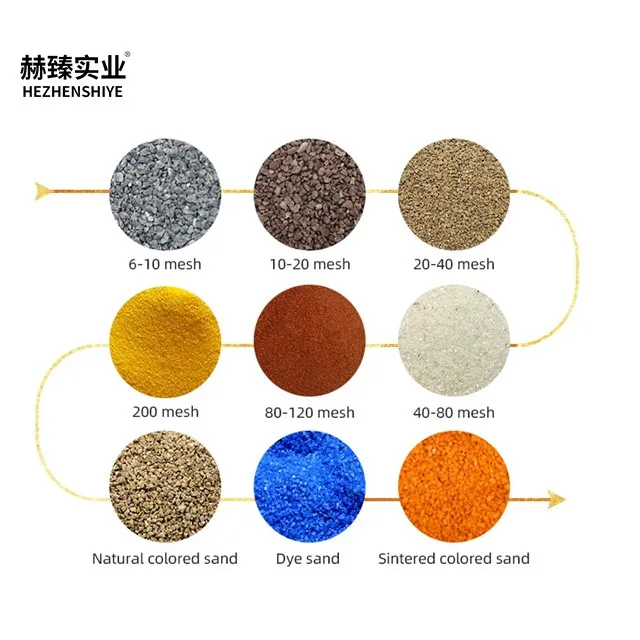
Different sand types offer varying textures and finishes, adding to colored sand’s appeal. Fine-grained sand works well for detailed artworks and smooth coatings, while coarser sand adds texture to outdoor paths and decorative pieces. Some sands have matte finishes, while others shine slightly in light, giving creators even more options to customize their projects. This variety ensures that there is perfect colored sand for every idea and application.





 Banner PDF
 Get A Quote