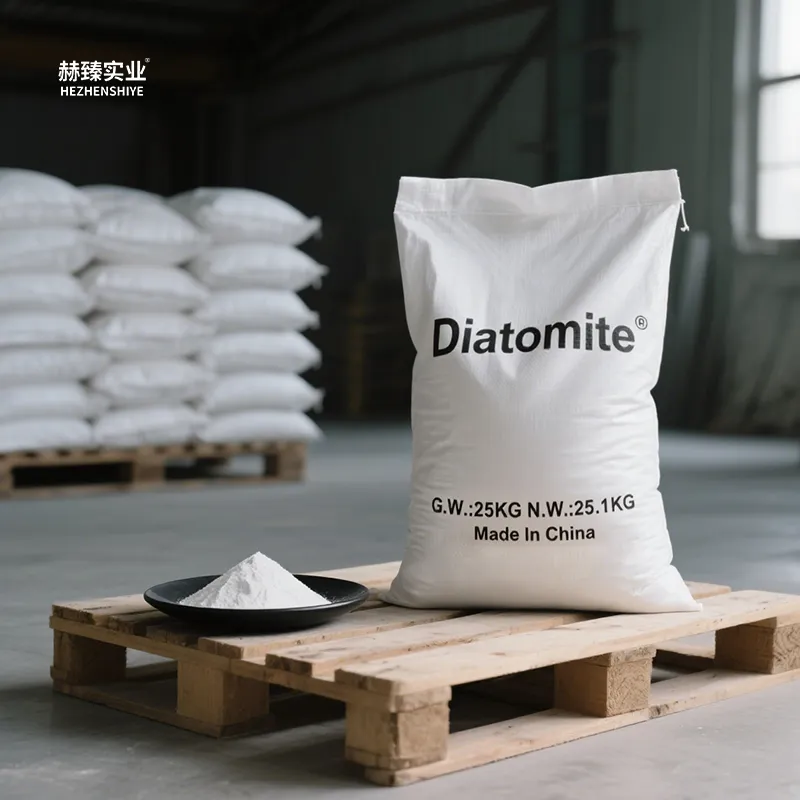
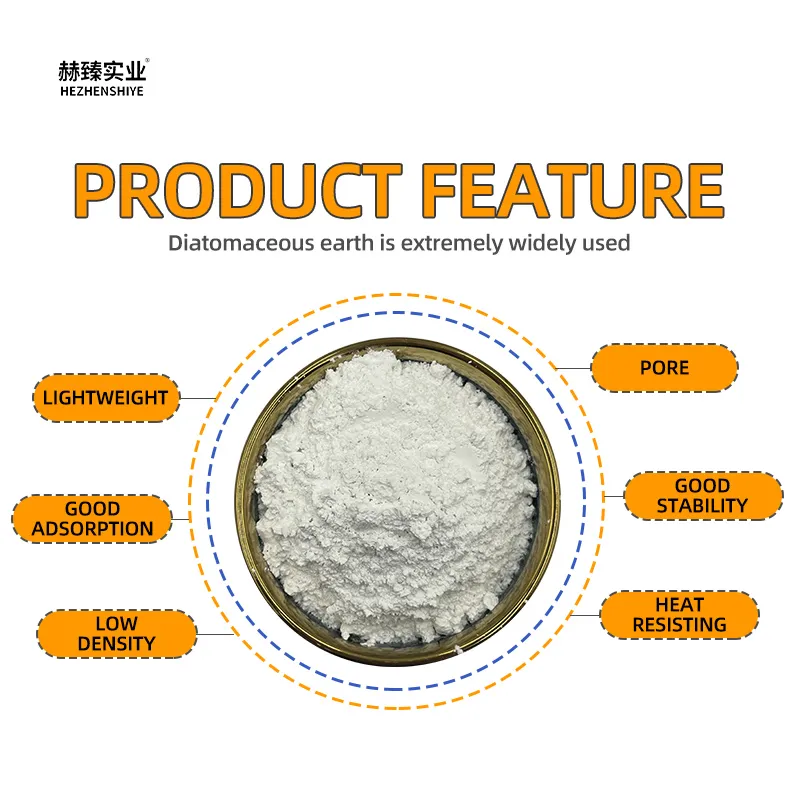
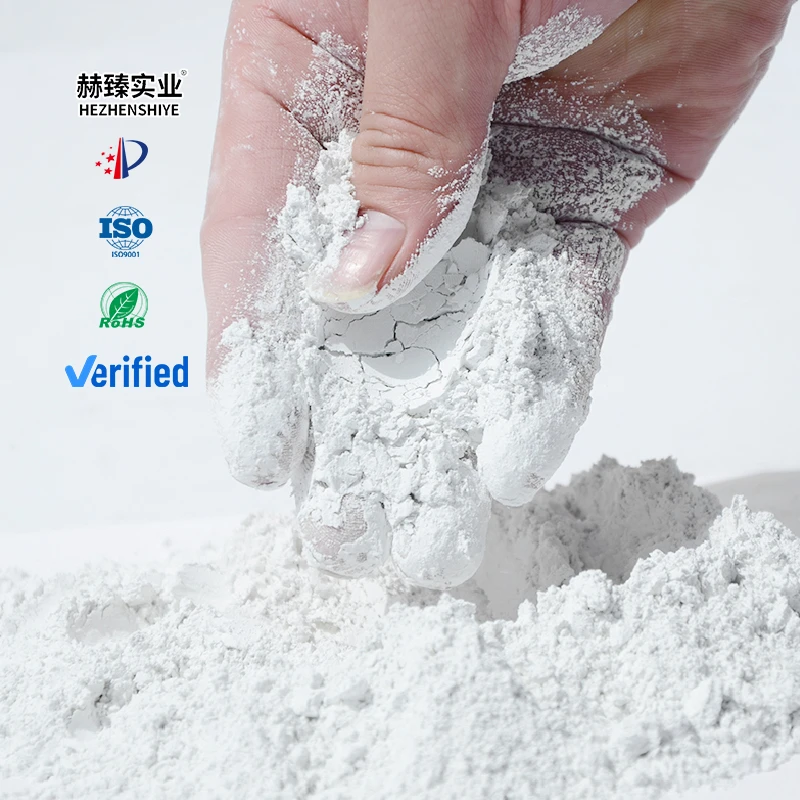
Industrial adsorption benefits greatly from diatomaceous earth powder’s strong and selective adsorption capacity, making it a go-to material in multiple pollution control and preservation scenarios. In factories producing chemicals or electronics, where volatile organic compounds and fine dust are common byproducts, powder is packed into cylindrical filters installed in exhaust systems. As exhaust gases pass through these filters, powder traps harmful compounds and dust particles in its pores, releasing cleaner air that improves overall air quality in workshops and meets emission regulations. In large storage warehouses for textiles, leather products and even wooden furniture, workers place breathable bags filled with diatomaceous earth powder on shelves and in corners. These bags continuously absorb excess moisture from air, keeping humidity at optimal levels to prevent mold growth, mildew formation and material deterioration—especially crucial for high-value fabrics and leather goods. In machine repair workshops and auto service centers, where oil spills are inevitable, powder is quickly sprinkled on affected areas. It immediately absorbs excess oil, turning slippery pools into dry, easy-to-sweep powder piles, making cleanup faster and avoiding workplace slip hazards. A key advantage is that adsorption capacity of powder remains stable even in high-humidity environments like coastal factories or moderate-temperature settings such as indoor warehouses, ensuring long-term effectiveness without frequent replacement.
As plastic filling, diatomaceous earth powder serves as both cost-effective additive and performance enhancer, addressing key pain points in plastic production. When mixed into plastic resins—whether polyethylene, polypropylene or PVC—during the extrusion or injection molding process, powder particles disperse evenly to form reinforced composite materials. This mixing increases tensile strength, making plastics more resistant to stretching and tearing, and boosts hardness, so products are less likely to deform under pressure or impact. For plastic pipes used in water supply systems, which often come into contact with chemicals like chlorine, powder improves chemical resistance by creating a barrier that slows corrosion, extending service life even in treated water environments. For plastic toys and household items, which require precise dimensions, powder reduces shrinkage that occurs during cooling after molding, ensuring consistent product size accuracy and reducing defect rates. It also enhances heat resistance of plastics, allowing products like food storage containers (excluding direct food contact) and industrial plastic bins to withstand higher temperatures without softening or warping—ideal for use near heaters or in warm manufacturing environments. Compared to expensive synthetic fillers, diatomaceous earth powder cuts raw material costs while delivering comparable or better performance.
Ceramic toughening relies heavily on diatomaceous earth powder to improve both quality and production efficiency of ceramic products. When added to ceramic raw materials like clay and feldspar, powder acts as a fluxing agent that reduces sintering temperature by hundreds of degrees. This not only saves significant energy costs but also shortens sintering time, allowing ceramic factories to increase production output without expanding kiln capacity. The porous structure of powder creates tiny, evenly distributed air pockets within the ceramic matrix during sintering. These air pockets act as shock absorbers, increasing overall toughness and reducing brittleness—so ceramic tiles are far less likely to crack when dropped during transportation or installation, and ceramic tableware can withstand minor impacts in daily use. For ceramic tableware and decorative ceramics, powder also improves surface smoothness by filling small gaps in the clay, reducing glaze defects like pinholes and uneven coloring, which enhances product appearance and market appeal. For industrial ceramics like refractory bricks used in steel mills and glass factories, powder boosts thermal shock resistance. This means bricks can withstand sudden temperature changes—such as when cold air enters a hot kiln—without cracking, maintaining structural integrity in extreme high-temperature environments.
Pulp modification uses diatomaceous earth powder to enhance key properties of paper, making it suitable for diverse applications from printing to packaging. When added to pulp—whether wood pulp for high-quality paper or recycled pulp for cost-effective products—during the beating or papermaking process, powder adheres to fiber surfaces to improve paper opacity. This opacity ensures that ink applied to one side does not show through to the other, a critical requirement for books, magazines and marketing brochures. It also improves paper’s printing adaptability by creating a smooth surface that allows ink to dry faster and adhere better, reducing smudging in both laser and inkjet printing. For tissue paper, a popular consumer product, powder increases water absorption capacity by leveraging its porous structure, making paper more effective for cleaning up spills or drying hands. For heavy-duty packaging paper used in corrugated cartons, powder adds stiffness and compressive strength, allowing cartons to hold heavier items like appliances or industrial parts without collapsing during shipping. Additionally, powder reduces pulp consumption per ton of paper by acting as a filler, lowering raw material costs for paper mills while maintaining product quality.
Asphalt strengthening with diatomaceous earth powder is a proven method to improve road performance and durability, addressing common issues like rutting and cracking. When mixed into hot asphalt mixtures at construction sites, powder particles interlock with asphalt and aggregate (like stone and sand) to increase high-temperature stability. This stability prevents roads from softening and forming ruts in hot summer months, especially on busy highways with constant heavy truck traffic. It also enhances low-temperature flexibility by reducing asphalt’s tendency to become brittle in cold winter, minimizing the formation of small cracks that can expand into potholes over time. Powder improves adhesion between asphalt binder and aggregate particles, creating a tighter bond that resists wear and tear from traffic, rain and snow. Roads made with this modified asphalt have a service life that can be extended by several years, reducing the frequency of costly repairs and repaving projects. Beyond performance benefits, powder also improves workability of asphalt mixtures, making them easier to spread and compact with standard paving machinery. This speeds up construction进度, reducing traffic disruptions during road work—an important consideration for urban areas and busy corridors.
Soundproof materials and waterproof coatings also use diatomaceous earth powder effectively, leveraging its porous structure for specialized performance. In soundproof applications, such as office partitions, recording studio walls and home theater rooms, powder is integrated into soundproof panels made from fiberboard or foam. As sound waves hit these panels, they penetrate the surface and get trapped in powder’s pores, where sound energy is converted into minimal heat energy, significantly reducing noise transmission between spaces. For residential and commercial buildings, mixing powder into wall putty before applying to interior walls creates a basic soundproof layer that blocks outdoor noise like traffic or construction. In waterproof coatings for building roofs, basements and foundation walls, powder acts as a gap-filling agent. When added to acrylic or bituminous coatings, it fills tiny voids in the coating matrix, forming a dense, impermeable waterproof layer that repels water. It also improves adhesion of coatings to concrete and masonry surfaces, preventing peeling and delamination that can lead to water leakage. Coatings with powder added also gain enhanced UV resistance, allowing them to withstand years of direct sunlight without breaking down, maintaining reliable waterproof performance in all weather conditions.





 Banner PDF
 Get A Quote