




Product Introduction
Diatomite, also sold as diatomaceous earth or kieselguhr, is the accumulated shell of diatoms deposited in a lake or shallow sea and mined millions of years later. The material is milled, dried and classified, but the geometry survives: each particle is a perforated frustule rather than a solid grain. The pores through the shell wall and the void inside it mean most of the bulk volume is air, which is why the powder is so light for its volume, why it insulates, and why it holds liquid so well.
The silica itself is amorphous hydrated silica. That word matters more than the purity figure, and it is the first thing a serious buyer should ask about.
Three forms reach the market. Natural diatomite is dried and classified only. Straight-calcined material is heated without a flux to burn off organic matter and brighten the color. Flux-calcined material is heated with a flux, which fuses the fine structure into a stronger and more permeable skeleton and takes the color to white. These are not three purities of one product; they are three materials with different internal architecture and different behaviour in service.
The structural point has a second consequence. Natural and straight-calcined diatomite keep the amorphous structure. Flux calcination, at temperatures above roughly a thousand degrees, forms cristobalite, a crystalline phase. Respirable crystalline silica is a regulated and classified carcinogen, while amorphous silica is not, so a buyer who specifies "white, high permeability, high purity" may be specifying a flux-calcined grade and should ask the phase question in the same breath.

Product Advantages
It filters by depth, not just by surface. A diatomite cake traps particles through its whole thickness, including inside the frustules, so it holds far more contaminant before it blinds than a thin surface membrane of the same area. That is why it is used as a polish filter as much as a primary one.
Clarity and flow are separate numbers. For any given grade, finer material gives clearer filtrate and slower flow. Grade selection is the trade between the two, which is why the permeability of a filter aid matters more than its particle size description.
High void volume for its weight. The same property serves absorption, matting, extended insulation and liquid carriers. A powder that is mostly air is a powder that takes up a large volume of oil, solvent or active ingredient without becoming a paste.
Chemically inert in the right conditions. Silica resists most acids and does not react with the product being filtered, which matters for pH-sensitive beverages and for oils that would pick up metal from a reactive medium. It does not resist strong alkali, and that is worth knowing before it is used on a caustic stream.
Low thermal conductivity. Diatomite brick, block and back-up insulation rely on the same void structure to slow heat transfer. It is an insulator rather than a high-temperature refractory, and it is chosen where weight and conductivity matter more than service temperature.
Mildly abrasive. The silica skeleton will wear pump internals and nozzles over time. That is a feature in polishing compounds and a cost to plan for in a filtration loop.

Where It Is Used
- Beverage and edible oil filtration: beer, wine, juice, syrup and cooking oil, as body feed and as pre-coat.
- Water treatment: municipal and industrial filtration, swimming pool filtration, and waste-water polishing.
- Paints and coatings: matting agent, extender for titanium dioxide, and a rheology control that does not add gloss.
- Plastics and rubber: anti-block in film, functional filler, and a carrier in silicone and specialty compounds.
- Absorbents and carriers: industrial spill control, floor absorbent, pet litter, and a carrier for liquid agricultural inputs.
- Insulation and refractories: insulating brick, back-up insulation and lightweight shapes.
- Polishes and mild abrasives: metal polish, and historic use in dental and jewellery compounds.
How Every Shipment Is Checked
A mineral that varies by seam cannot be sold on a single certificate issued once a year. The checks below run on every production lot, and each one exists because of a specific failure it prevents.
Incoming ore. Each incoming lot is checked for source seam, color, moisture and foreign matter, because the deposit changes across the pit and a seam that looks the same in the stockpile can differ in structure. Overburden and organic debris are rejected at this stage, not at the mill.
In process. Calcination records are kept per run, since temperature and residence time decide both whiteness and phase. Classification settings are recorded with the run, and iron contamination is controlled through the grinding and conveying line, because a single rust particle shows up as a speck in a white filler batch.
Batch release. Before a lot is released, the numbers that actually drive behaviour are measured: silica content on an ignited basis, moisture, bulk density, residue on the finest sieve, and whiteness. For filter grades, permeability is measured as well, because two lots with identical chemistry and different permeability will behave differently on the same filter. A retained sample of every lot is kept, so a complaint months later can be compared against the material that was actually shipped rather than against a specification sheet.
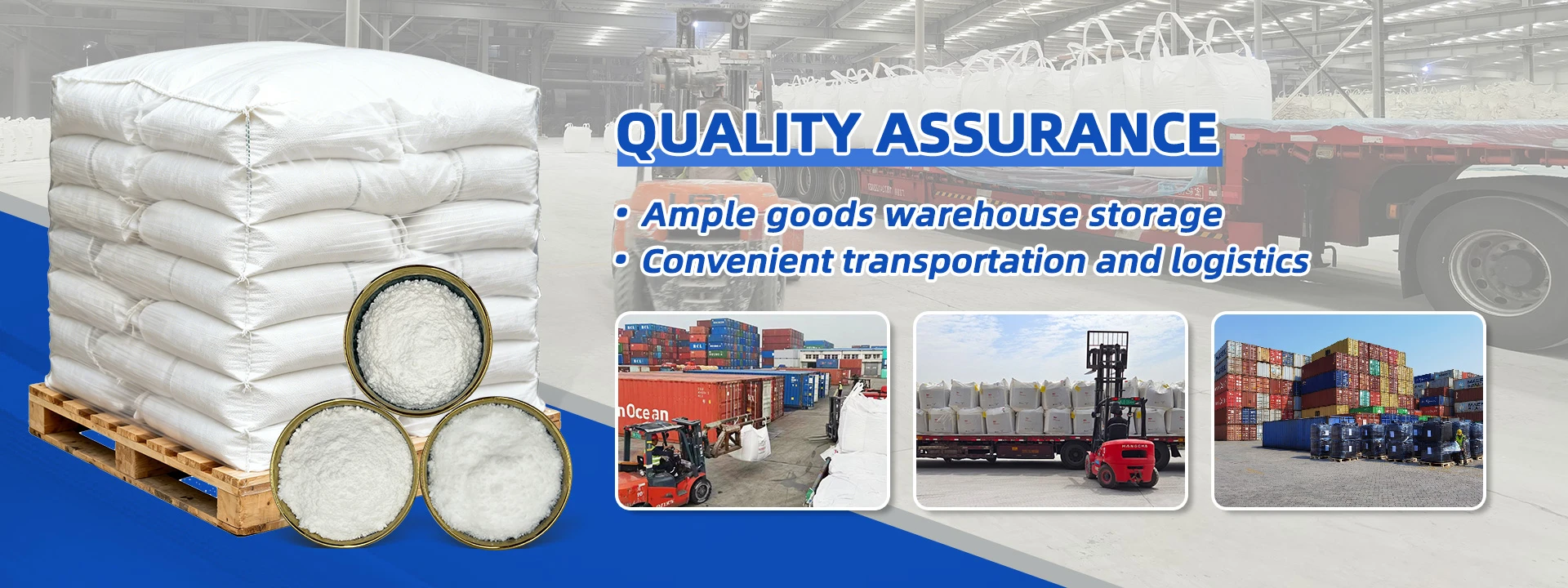
Packing and shipment. Liner integrity is checked before filling and again after sealing, because moisture pickup in a paper sack is the most common cause of caking on arrival. Net weight is verified against the packing list, and the label is checked against the certificate of analysis for lot number and grade, since a mislabeled pallet becomes a customer's process upset. Container condition, pallet count and seal number are recorded and photographed at loading.
The purpose of all of it is simple: the buyer should be able to open a bag from any lot and get the behaviour the certificate promised, not an average of the year.
Request a Grade, Not a Price List
Send the application, the liquid or polymer involved, and the result you need to hit, whether that is filtrate clarity, flow rate, matting level or absorption capacity. We will confirm which form suits it, natural, straight-calcined or flux-calcined, and we will say when a phase declaration is needed for your market. If a cheaper grade would do the job, that is the grade we will quote.


