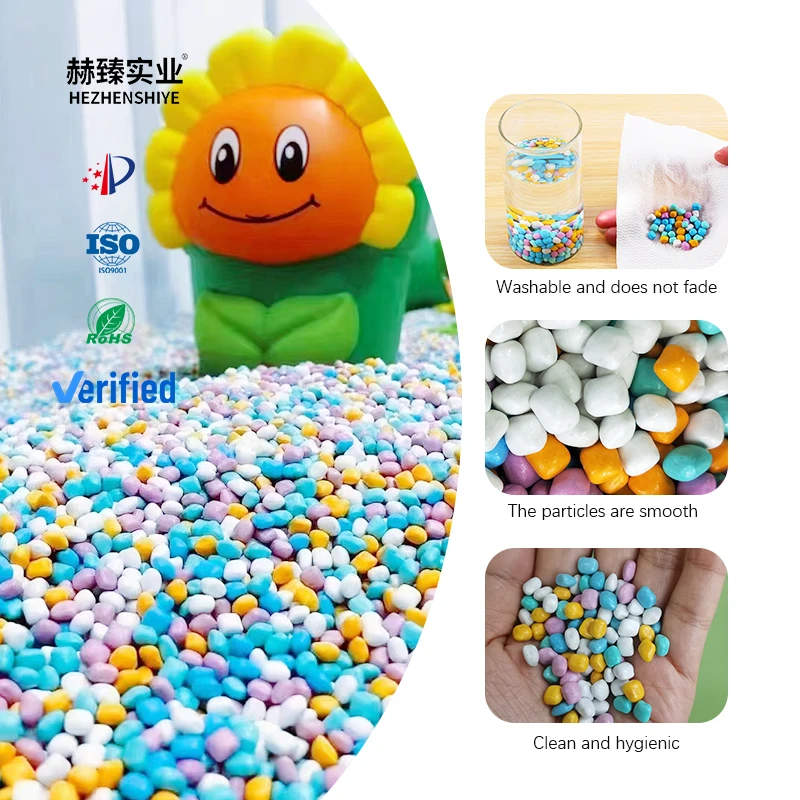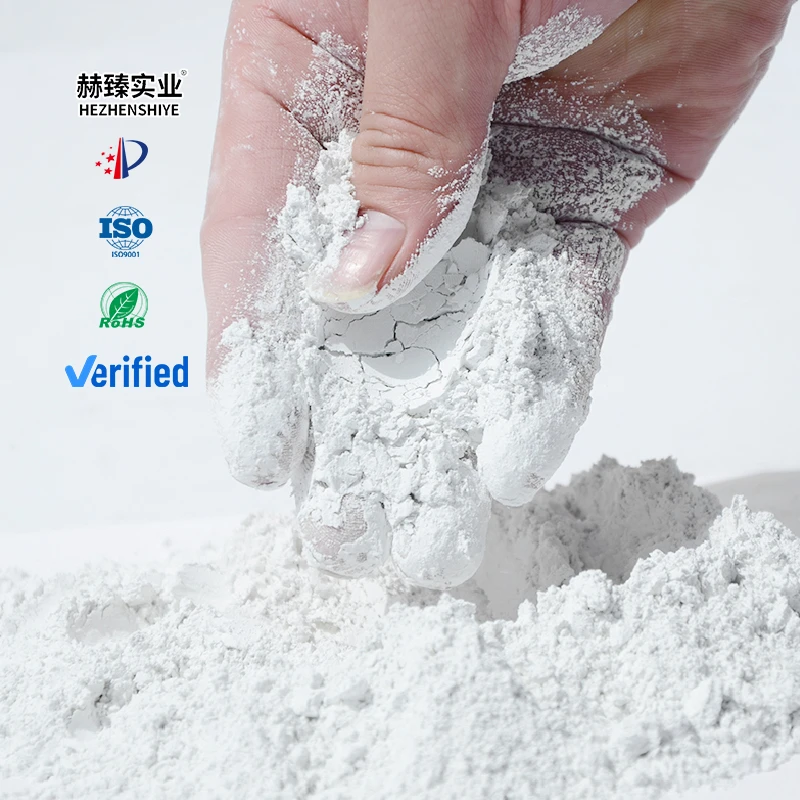



Talcum powder is a magnesium silicate mineral primarily composed of hydrated magnesium silicate.Known as the softest mineral on Earth, it possesses unique properties such as superior lubricity, anti-sticking, heat resistance, and exceptional chemical stability.
1. The Formation of Talc: A Geological Legacy
Talc is formed through the hydrothermal alteration of magnesium-rich rocks (such as dolomite or ultramafic rocks). Under specific temperature and pressure conditions, silica-bearing fluids react with magnesium, gradually crystallizing into a layered structure. This sheet-like (lamellar) morphology is what gives talcum powder its signature "silky" feel and functional slip.
2. Key Properties of Talc: Why is it so versatile?
The superior performance of talc stems from the unique crystal structure and chemical composition of talc mineral.
Lubricity and Softness: Talc has the lowest hardness among natural minerals (Mohs hardness 1), with a smooth and greasy feel when touched. Its layered sheet structure allows layers to slide easily against each other, making it an excellent natural lubricant.
Chemical Inertness: Talc is chemically stable, insoluble in water, dilute acids, and most organic solvents. It does not react with most substances, has good acid and alkali resistance, and is non-toxic, odorless, and environmentally friendly, ensuring safety in various applications.
Heat Resistance: Talc has excellent heat resistance, with a melting point of up to 1500℃. It can maintain its structural stability at high temperatures, not easily decomposing or losing its properties, making it suitable for high-temperature processing scenarios.
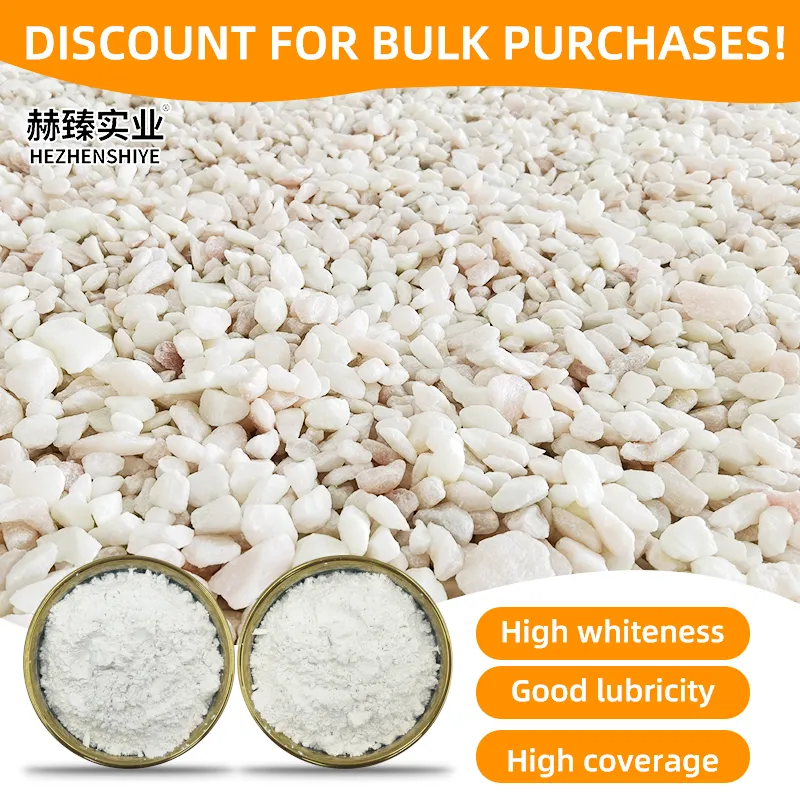
Covering Power and Whiteness: High-purity talc has high whiteness (up to 90% or more) and good covering power. When added to products, it can improve the whiteness and opacity of the products, and enhance the surface smoothness.
Reinforcement and Modification: When mixed with polymers (such as plastics, rubber), talc can improve the mechanical properties of the products, including tensile strength, impact strength, and rigidity, while reducing shrinkage and improving dimensional stability.
These properties work synergistically, making talc a widely used material. It can be used as a lubricant, filler, reinforcing agent, or whitening agent to meet the diverse functional needs of various industries.
Talc has wide applications and is deeply integrated into all sectors of the national economy, playing an irreplaceable role in industry, manufacturing, and people's livelihoods.
3. The Wide Range of Uses of Talc
3.1 Plastics and Rubber Industry (Core Applications)
Talc's excellent reinforcement, lubricity, and dimensional stability make it an ideal filler and modifier for plastics and rubber:
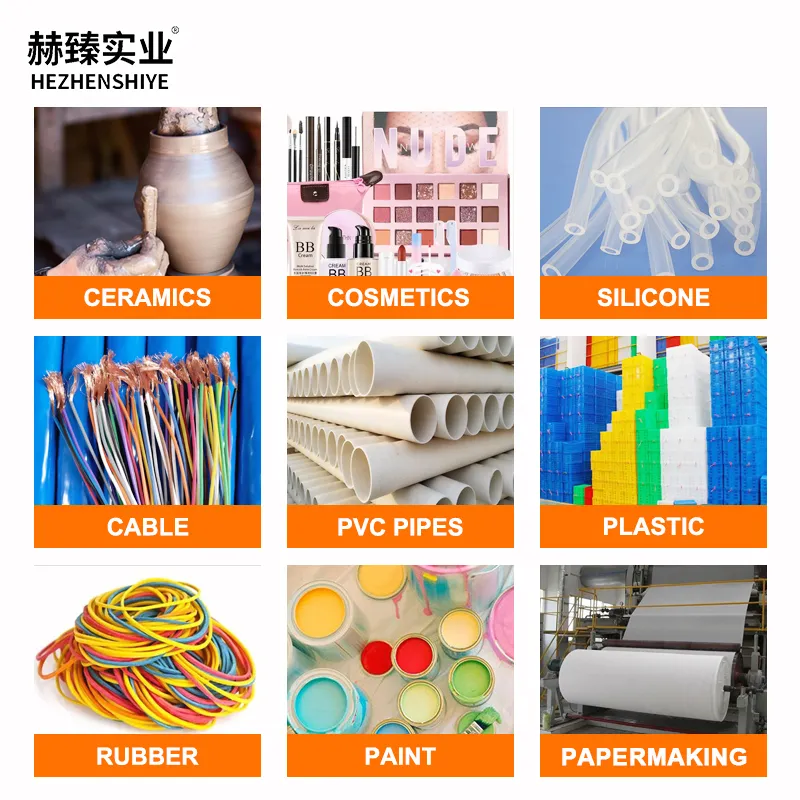
Plastics Industry: Added to polypropylene (PP), polyethylene (PE), PVC, and other plastics, it improves the rigidity, heat resistance, and impact resistance of plastic products, reduces production costs, and is widely used in automotive parts, household appliances, and packaging materials.
Rubber Industry: Used as a filler and lubricant in rubber products, it improves the processing performance of rubber, enhances wear resistance and aging resistance, and is applied in tires, hoses, seals, and other products.
3.2 Cosmetics and Personal Care
Talc's softness, whiteness, and non-toxicity make it a common ingredient in cosmetics and personal care products:
Cosmetics: Used in face powder, blush, eyeshadow, and other products, it absorbs oil, improves the smoothness of the product, and enhances the adhesion of the makeup, making the makeup more long-lasting.
Personal Care: Added to talcum powder, body lotion, and soap, it has a refreshing and oil-absorbing effect, relieves skin friction, and keeps the skin dry and comfortable.
3.3 Paper and Pulp Industry
With its good covering power, whiteness, and ink absorption, talc has important applications in the paper industry:
Paper Coating: Used as a coating pigment, it improves the surface smoothness, whiteness, and printability of paper, making the printed text and patterns clearer.
Paper Filling: Added to the pulp, it reduces the amount of wood pulp used, lowers production costs, and improves the opacity and stiffness of paper, suitable for printing paper, packaging paper, and cultural paper.
3.4 Pharmaceuticals and Food Industry
Due to its non-toxicity, chemical inertness, and lubricity, talc is widely used in the pharmaceutical and food industries:
Pharmaceutical Industry: Used as a pharmaceutical excipient, it acts as a lubricant and glidant in tablet production, preventing the tablet from adhering to the mold and improving the fluidity of the powder.
Food Industry: Used as a food additive (food-grade talc), it is used as an anti-caking agent and lubricant in food processing, such as in flour, seasonings, and candy, to prevent caking and improve processing performance.
3.5 Other Industries
Ceramics Industry: Added to ceramic raw materials, it improves the plasticity and sinterability of the ceramic body, reduces the firing temperature, and enhances the gloss and toughness of the ceramic products.
Paint and Coating Industry: Used as a filler in paints and coatings, it improves the hiding power, weather resistance, and wear resistance of the coating, and reduces the cost of the coating.
Metallurgical Industry: Used as a mold release agent in metal casting, it prevents the molten metal from adhering to the mold, ensuring the surface quality of the castings.
4. How to Choose High-Quality Talc?
Talc quality varies greatly. Its performance depends on key indicators such as talc content, whiteness, and particle size. The following aspects should be considered when selecting talc:
Talc Content: Higher content (preferably above 90%) results in superior performance. High-purity products are suitable for high-end applications such as cosmetics, pharmaceuticals, and food processing.
Whiteness: Whiteness is an important indicator for talc used in cosmetics, paper, and paints. High-quality talc should have a whiteness of 85% or more, with uniform color and no obvious impurities.
Particle Size and Distribution: The particle size and distribution affect the performance of talc in different applications. Fine-particle talc is suitable for cosmetics and pharmaceuticals, while medium-particle talc is suitable for plastics and rubber. Uniform particle size distribution ensures stable product performance.
Impurity Content: Low impurity content (especially heavy metals such as lead and arsenic) is crucial, especially for food, pharmaceutical, and cosmetic-grade talc. It must meet relevant national and international standards.
Processing Technology: Products processed using advanced purification, grinding, and classification processes are preferred to ensure uniform particle size, high purity, and no secondary pollution.
Compliance Certification: Select suppliers with ISO9001 or other system certifications; food/pharmaceutical/cosmetic grade products must have corresponding safety certifications, and exported products must comply with international standards such as FDA and EU regulations.
5. Comparison of Talc with Other Similar Materials
Talc, kaolin, calcium carbonate, and mica each have their own strengths and applications: Kaolin has good plasticity and whiteness, making it more suitable for ceramics and paper coating, but it lacks the lubricity and heat resistance of talc; Calcium carbonate has high cost-effectiveness and good filling properties, but its reinforcement and heat resistance are inferior to talc, making it more suitable for low-end plastic and coating products; Mica has excellent heat resistance and electrical insulation, but its softness and lubricity are weaker than talc, so it is more suitable for electrical insulation materials, while talc is more versatile in lubrication, filling, and reinforcement. Material selection depends on specific needs; in applications requiring lubricity, softness, heat resistance, and reinforcement, talc's advantages are unparalleled.
Conclusion: Talc – A Natural Multifunctional Material for Modern Industry
From improving the performance of plastic products to enhancing the quality of cosmetics, from reducing production costs in the paper industry to ensuring the safety of pharmaceuticals, talc, with its natural source and multifunctional properties, has become an indispensable material in modern society.
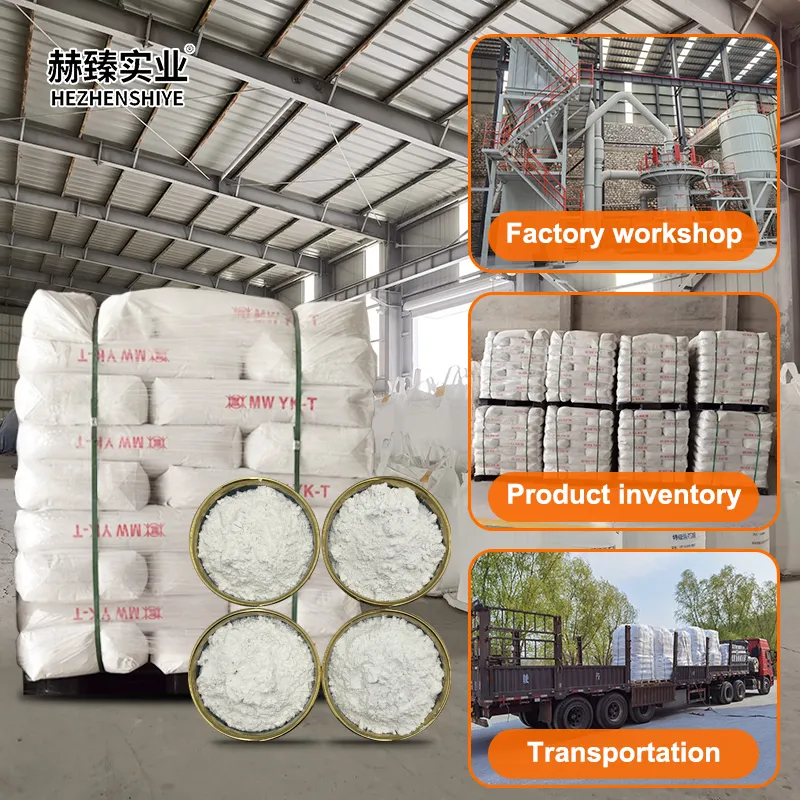
As a professional supplier with abundant mineral resources and advanced processing technology, we can provide customized solutions for plastics, cosmetics, pharmaceuticals, paper, and other fields. Our products have passed rigorous quality inspections and international compliance certifications, ensuring reliability and stability.
Whether you need cosmetic-grade talc, plastic reinforcement talc, pharmaceutical excipients, or paper coating talc, our team is dedicated to providing you with personalized service and free samples to help you find the most suitable talc product. We sincerely look forward to cooperating with you to create a more efficient, high-quality, and sustainable future!