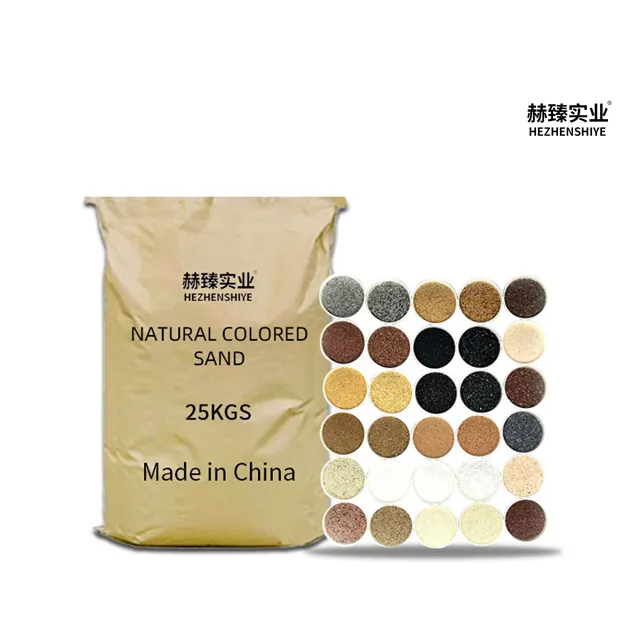
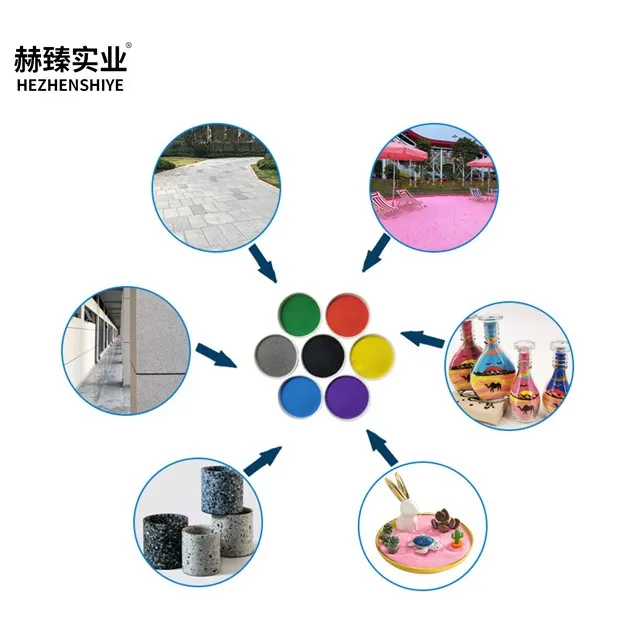
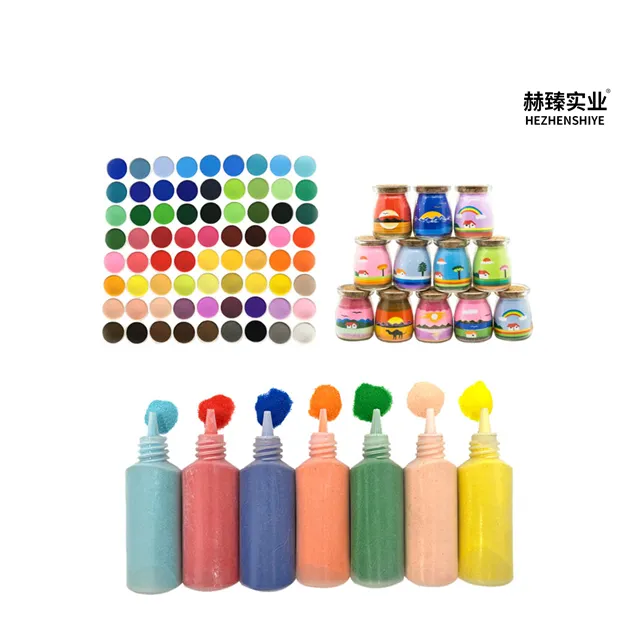
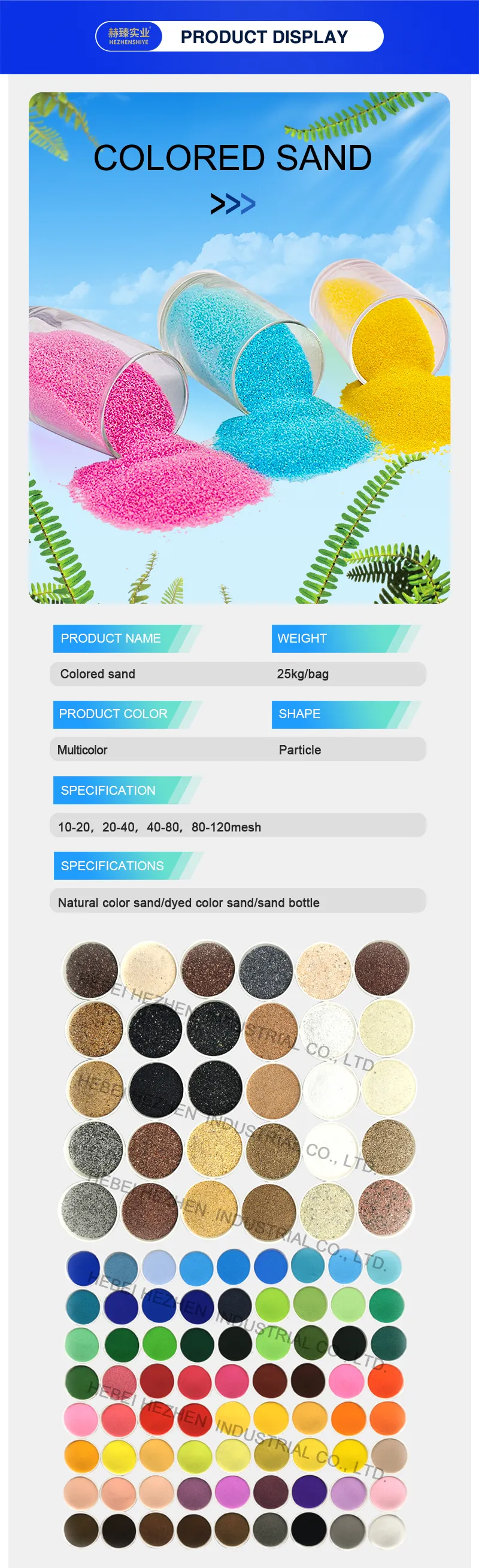
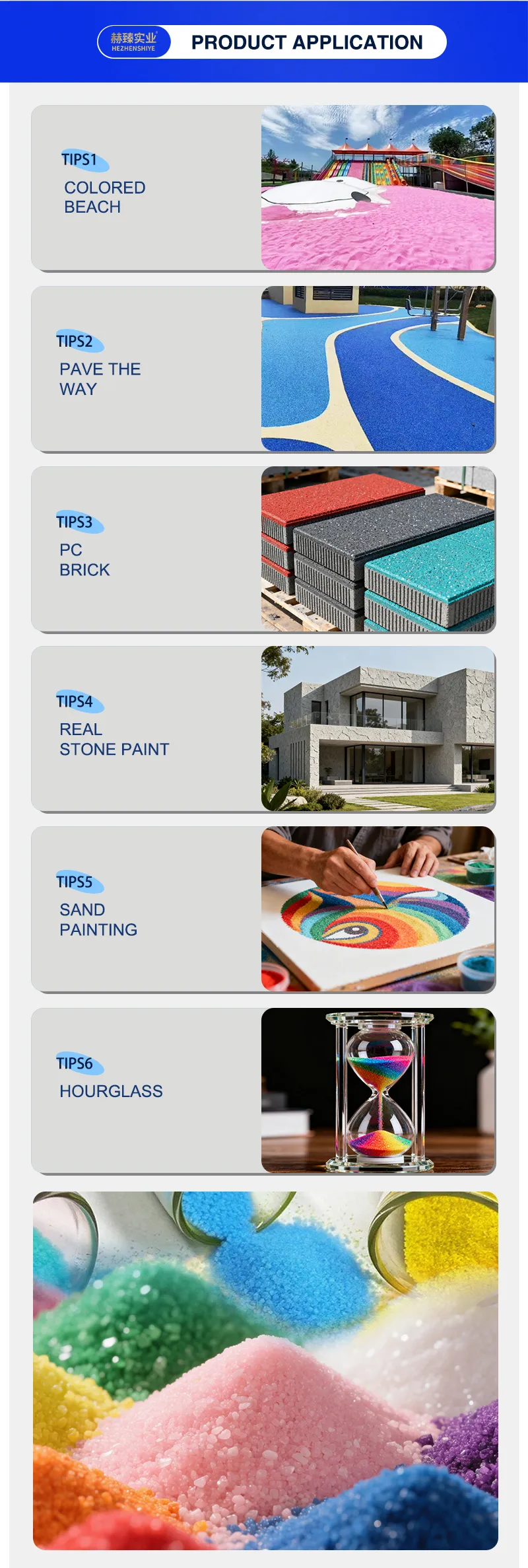
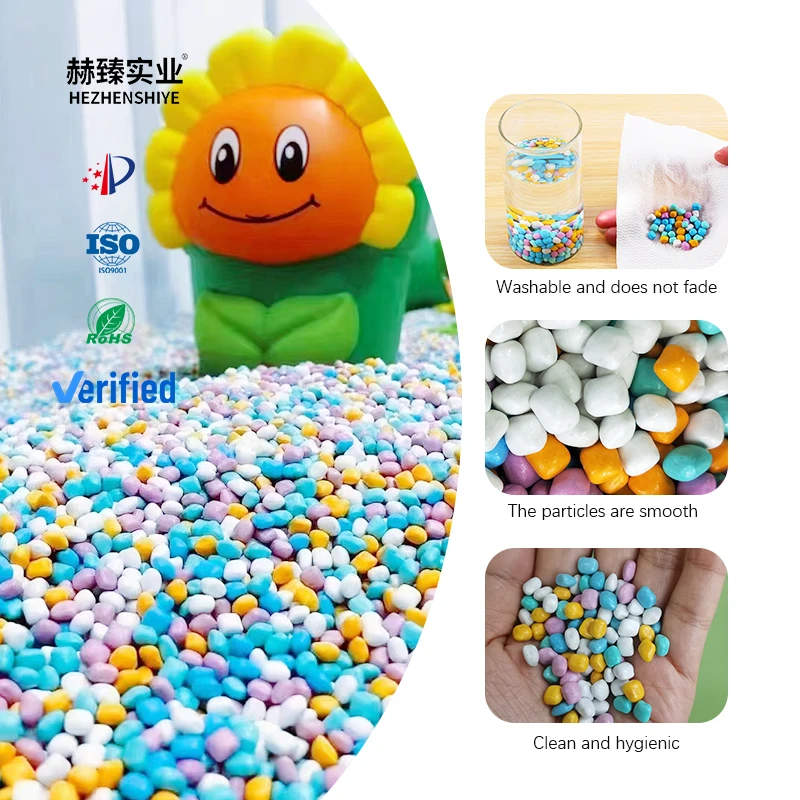
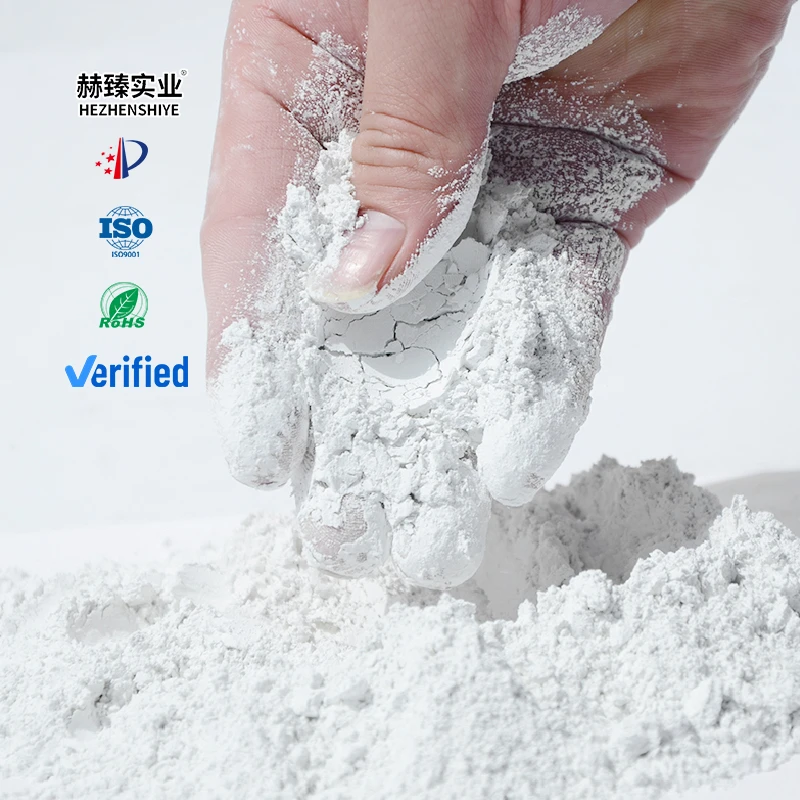
For children’s sand painting, colored sand transforms creativity into tangible art. Safe, washable, and available in a spectrum of colors, it inspires tactile learning and artistic expression through textured play. Parents and educators appreciate its mess-free application and ease of cleanup.
In scenic landscaping, colored sand adds naturalistic beauty to gardens, parks, or themed environments. Used to mimic riverbeds, desert landscapes, or vibrant floral accents, it complements plantings and hardscapes, creating immersive, visually striking spaces. Its weather-resistant properties maintain color integrity over time, reducing maintenance needs.
From industrial to recreational uses, colored sand bridges functionality and aesthetics, proving indispensable in both practical and imaginative applications.
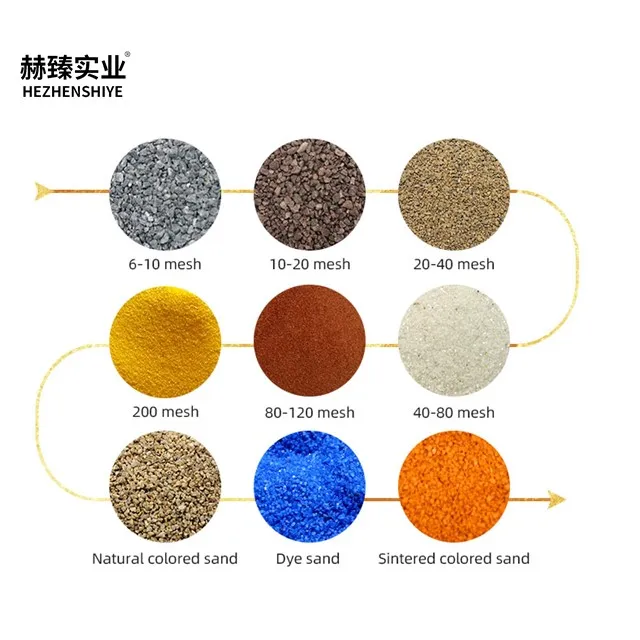
Resource innovation of Colored Sand lays the foundation for its sustainability, combining natural mineral refinement with circular economy recycling to avoid resource waste. Natural colored sand is categorized by geological formation, each type boasting unique traits: fluvial sedimentary sand, shaped by centuries of river erosion, features uniform particles and soft hues—such as amber sand from river basins, ideal for delicate cultural crafts and indoor decoration; desert weathered sand, stained by iron oxide and wind abrasion, exhibits exceptional weather resistance—like rust-red sand from arid regions, perfect for outdoor landscape revitalization; mountain rock weathered sand, formed by alpine temperature fluctuations, carries natural luster and hardness—such as emerald sand from forested mountains, suitable for high-traffic architectural surfaces. Extraction of natural colored sand adheres to strict ecological protocols: fluvial sand is harvested from shallow riverbanks without disturbing aquatic habitats, with harvested areas replanted with native grasses; desert sand collection is limited to stable dune zones to prevent desertification; mountain sand is excavated manually to protect alpine vegetation. Synthetic colored sand amplifies circular economy impact by repurposing industrial byproducts: discarded ceramic tiles are crushed and coated to create terracotta-hued sand with cultural texture; waste glass from construction demolition is melted and granulated to produce transparent or tinted sand with crystalline clarity; metallurgical slag is purified and pigmented to form wear-resistant black sand. This dual-resource model not only enriches colored sand diversity but also diverts massive amounts of waste from landfills, reducing reliance on virgin materials and cutting carbon emissions.
Production processes of Colored Sand undergo eco-friendly upgrading to preserve core properties while minimizing environmental footprint. For natural colored sand, processing focuses on physical refinement to retain natural texture and color stability: solar-powered drying replaces fossil fuel heating, preserving mineral luster without altering hue; ultrasonic cleaning with recycled water removes dust and impurities, reducing water waste by relying on closed-loop systems; gentle grading techniques—using wind sifting instead of mechanical crushing—ensure particle uniformity without damaging natural grain structures. Key innovations in natural sand processing include texture customization, where adjustable sifting speeds create fine sand for crafts, medium sand for coatings, and coarse sand for construction. Synthetic colored sand production prioritizes non-toxicity and performance: ceramic tile sand uses bio-based binders derived from corn starch to bond pigments, ensuring safety for indoor use; waste glass sand undergoes plasma surface treatment to enhance pigment adhesion, boosting color retention even in direct sunlight; slag-based sand uses magnetic separation to eliminate contaminants, meeting safety standards for public spaces. Advanced technologies like intelligent color matching systems and 3D printing-compatible formulations further elevate value: intelligent systems adjust pigment ratios to create custom hues tailored to project needs; 3D printing sand enables direct fabrication of decorative components, reducing material waste and streamlining installation. These processes ensure colored sand meets eco-friendly production standards while delivering consistent performance across applications.
Core properties of Colored Sand—forged by resource traits and precision processing—align perfectly with demands of sustainable living and diverse applications. Natural texture retention stands as its most distinctive attribute: fluvial sand retains smooth, rounded edges from river erosion, creating soft tactile surfaces for crafts and indoor spaces; desert sand carries rough, wind-scoured grains that enhance grip for outdoor paving; mountain sand features crystalline flecks that catch light, adding depth to architectural decoration. Color stability is proven through real-world use: desert red sand used in coastal landscapes resists salt spray and sunlight without fading; synthetic terracotta sand applied to building exteriors withstands rain and temperature swings, maintaining consistent hue for years. Eco-compatibility is inherent: natural sand biodegrades into soil over time, supporting plant growth in landscape projects; synthetic sand is fully recyclable, with waste sand repurposed into new colored sand or construction aggregates. Durability makes colored sand suitable for high-demand scenarios: slag-based black sand used in industrial floors resists heavy machinery wear; mountain emerald sand mixed into concrete prevents cracking, extending building lifespan. Versatility shines through its ability to blend with diverse materials—concrete, mortar, paint, epoxy resin, and clay—adapting to spraying, paving, casting, and bonding techniques. These properties make colored sand a universal material, transitioning seamlessly from delicate crafts to heavy-duty industrial applications.
Smart city construction integrates Colored Sand to create functional, sustainable urban spaces that balance technology with nature. Permeable colored sand mixtures form the backbone of stormwater management systems: blended with porous aggregates, they pave sidewalks, plazas, and parking lots, allowing rainwater to infiltrate the ground instead of causing flooding. This approach not only reduces urban waterlogging but also replenishes groundwater, aligning with sustainable living goals. Light-reflective colored sand enhances energy efficiency in urban lighting: pale-hued variants embedded in pathway materials absorb sunlight during the day and emit soft illumination at night, reducing reliance on artificial streetlights and cutting energy consumption. Traffic-calming zones use contrasting colored sand to improve safety and aesthetics: warm-toned sand marks pedestrian crosswalks and bike lanes, increasing visibility for drivers while adding natural texture that complements urban greenery. Urban renewal projects leverage colored sand to revitalize aging districts: natural sand mixtures restore historical building facades, matching original materials for authenticity; synthetic sand with consistent coloration unifies streetscape elements—bench surfaces, planter edges, and mural backgrounds—creating cohesive, inviting public areas. Smart city planners value colored sand’s ability to merge functionality with sustainability, turning concrete-heavy urban spaces into healthier, more resilient environments.
Landscape revitalization relies on Colored Sand to restore ecosystems while enhancing aesthetic appeal, creating spaces that thrive in harmony with nature. Wetland restoration projects use fine-grained fluvial sand to line water channels, mimicking natural riverbed textures that support aquatic life and filter runoff. These restored wetlands improve water quality and provide habitats for native species, demonstrating colored sand’s role in ecological recovery. Coastal landscape protection uses salt-tolerant desert sand to rebuild eroded dunes: mixed with native grasses, the sand stabilizes shorelines against wave action while blending seamlessly with natural beach environments. Urban parks and greenways utilize diverse colored sand variants to define zones and guide visitors: warm amber sand lines walking trails, blending with wildflowers and shrubs; cool emerald sand edges ponds and fountains, creating visual contrast that highlights water features. Botanical gardens employ neutral-toned natural sand to showcase plant collections: surrounding delicate flowers and succulents, the sand draws attention to foliage without overwhelming it, while its drainage properties prevent root rot. Rooftop gardens and vertical landscapes use lightweight colored sand mixtures: low-density variants reduce structural load while providing natural drainage, transforming underutilized urban spaces into green retreats. Landscape architects emphasize that colored sand’s natural texture and color stability allow designs to age gracefully, requiring minimal maintenance while retaining their intended ecological and aesthetic value.
Architectural decoration uses Colored Sand to enhance building identity, durability, and sustainability, merging beauty with performance. Green building projects specify eco-friendly colored sand for exterior walls: natural sand mixed with low-VOC binders creates textured coatings that reflect sunlight, reducing indoor cooling needs and lowering energy consumption. These coatings also resist wind and rain, extending building lifespan and reducing maintenance costs. Historical building restoration depends on matched natural colored sand to preserve authenticity: sand sourced from local geological formations blends seamlessly with original stone or plaster, ensuring repairs are indistinguishable from the original structure. For example, restoration of ancient city walls uses local amber fluvial sand, matching the weathered hue and grain size of the original masonry. Interior design leverages colored sand’s versatility to create unique spaces: fine-grained emerald sand mixed into plaster forms feature walls with subtle color variations, adding warmth to living rooms and offices; sandblasted glass infused with colored sand elements serves as room dividers, diffusing light and creating privacy. Commercial spaces—retail stores, hotels, and co-working areas—use custom-hued synthetic sand to reinforce brand identity: floor inlays, wall accents, and even ceiling panels incorporate sand to create memorable visual experiences that resonate with customers. Architects note that colored sand’s ability to combine sustainability with aesthetics makes it a key material in modern building design, where environmental responsibility and visual appeal are equally important.
Cultural craft innovation embraces Colored Sand as a sustainable medium that honors traditions while adapting to modern tastes. Artisanal workshops create handcrafted decor using natural colored sand: layered sand art in glass vessels showcases the material’s diverse hues—amber, rust-red, emerald—with each layer reflecting the unique geological origin of the sand. These pieces are popular among eco-conscious consumers seeking one-of-a-kind, sustainable home decor. Traditional textile crafts integrate sand-dyed fabrics: natural colored sand infuses fibers with earthy tones and subtle texture, creating fabrics used for tapestries, cushions, and clothing. Unlike chemical dyes, sand dyeing produces unique, irregular patterns that celebrate imperfection, aligning with artisanal values. Community art projects utilize large quantities of recycled synthetic sand to transform public spaces: murals painted with sand-based paints depict local history and culture, engaging residents in creation while raising awareness about waste reduction. These murals resist weathering and vandalism, remaining vibrant for years. Museums and cultural institutions collaborate with craftspeople to create educational exhibits: interactive sand tables allow visitors to shape landscapes, learning about geological processes and cultural traditions tied to sand. Craft educators emphasize that colored sand’s accessibility and natural properties make it an excellent tool for teaching sustainable art practices, encouraging creativity while fostering environmental stewardship.
Industrial function enhancement integrates Colored Sand to improve product performance and sustainability, moving beyond decoration to core functionality. Manufacturing industries use wear-resistant colored sand to boost equipment lifespan: slag-based black sand added to machine tool coatings enhances resistance to friction and impact, reducing downtime and replacement costs. This sand also resists high temperatures, making it suitable for use in industrial ovens and furnaces. Construction materials benefit from colored sand’s structural properties: anti-cracking sand mixed into concrete prevents surface damage from temperature changes and heavy loads, improving building durability and reducing repair needs. Sound-absorbing colored sand is used in industrial facilities and public spaces: mixed into wall panels and ceiling tiles, it reduces noise from machinery, traffic, and crowds, creating safer, more comfortable environments. Packaging industries adopt eco-friendly colored sand as a sustainable alternative to plastic fillers: transparent waste glass sand embedded in cardboard boxes enhances compressive strength, protecting fragile products while reducing plastic use. These boxes are fully recyclable, as the sand separates from paper during processing. Manufacturers appreciate that colored sand uses recycled or natural resources, cutting production costs and carbon footprint while improving product competitiveness in eco-conscious markets.
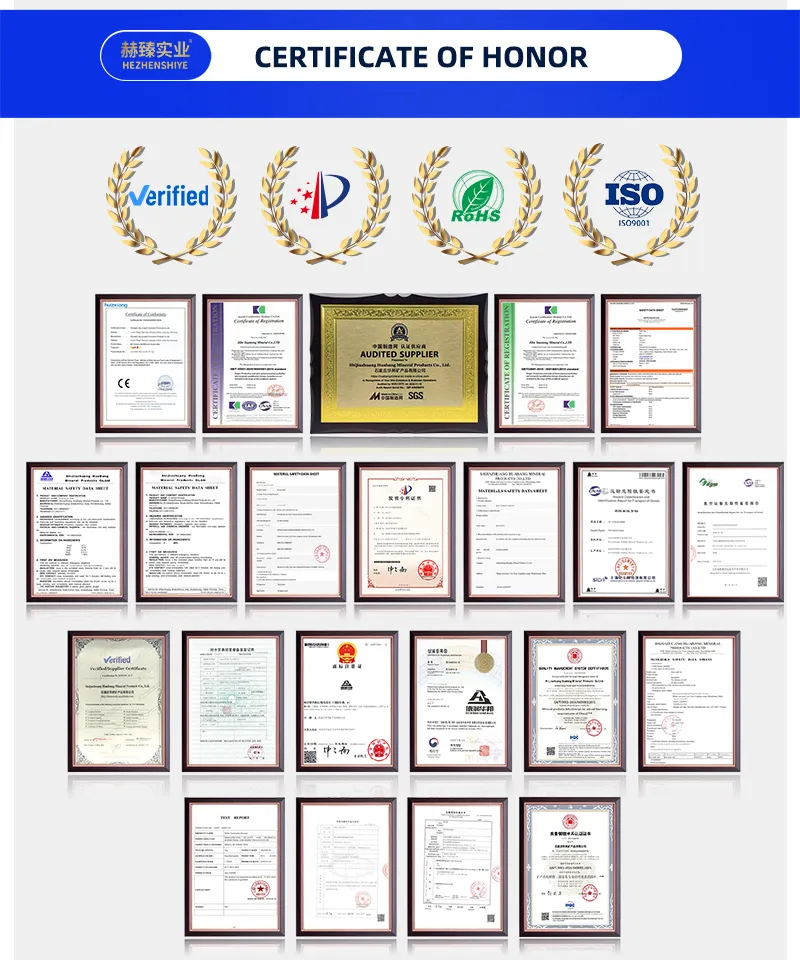
Quality control of Colored Sand is tailored to its diverse applications, ensuring consistency, safety, and alignment with sustainable standards. Color stability testing exposes samples to prolonged sunlight, moisture, and temperature fluctuations—only sand that retains its hue without fading or bleeding meets quality benchmarks. Natural texture retention is verified through tactile inspections and microscopic analysis, ensuring processing does not alter the sand’s inherent grain structure. Eco-compatibility testing confirms synthetic sand contains no toxic additives and is fully recyclable; natural sand is screened for contaminants to ensure safety in sensitive environments like children’s play areas or wetland restorations. Application-specific testing addresses unique demands: sand for architectural coatings undergoes adhesion and weather resistance tests; sand for landscape paving is evaluated for durability and permeability; sand for crafts is checked for particle uniformity and color consistency. International certifications—verifying recycled content, eco-friendly production, and safety—are increasingly required, as buyers prioritize materials that align with circular economy and sustainable living goals. Manufacturers provide detailed quality reports, helping designers and contractors select the right colored sand for their specific project needs.
Global market for Colored Sand grows steadily, driven by demand for sustainable living, smart city construction, and eco-friendly products. Asia-Pacific region leads in mass application: rapid urbanization in populous nations fuels demand for colored sand in infrastructure, landscape, and construction projects, with a focus on recycled synthetic variants that align with national sustainability targets. Europe prioritizes high-end applications: natural colored sand sourced from local deposits is favored for historical restoration and artisanal crafts, reflecting a preference for authenticity and provenance. North America emphasizes innovation in smart city and green building projects: permeable, light-reflective, and sound-absorbing colored sand variants are widely used in sustainable infrastructure, supported by policies promoting low-carbon development. Emerging markets in Latin America and Africa are growing rapidly, with demand focused on affordable natural colored sand for basic construction and landscape projects. Market competition centers on sustainability credentials and application-specific performance: manufacturers that offer recycled content, eco-friendly production, and custom color solutions gain a competitive edge. Industry analysts predict continued growth, as urbanization and environmental regulations drive demand across all sectors.
Real-world case studies demonstrate Colored Sand’s ability to deliver on sustainability, functionality, and aesthetics. A smart city project in Northern Europe used permeable colored sand paving for downtown plazas: the sand mixture reduced stormwater runoff significantly, eliminating flooding and replenishing groundwater. Light-reflective sand embedded in pathways cut nighttime lighting costs by half, while custom hues reflecting local culture transformed the area into a popular community hub. A historical restoration project in East Asia used local fluvial sand to repair an ancient temple complex: the sand matched the original masonry’s color and texture perfectly, preserving the site’s cultural heritage while making it more durable against modern weather conditions. A coastal restoration project in Southeast Asia used salt-tolerant desert sand to rebuild eroded dunes: mixed with native grasses, the sand stabilized the shoreline, protecting nearby villages from storm surges and restoring habitat for sea turtles. An eco-friendly craft collective in Africa produces handwoven textiles using sand-dyed fibers: the products are sold internationally, providing income for local artisans while promoting sustainable art practices. These cases highlight colored sand’s versatility, proving it can meet the demands of diverse scenarios while advancing sustainability and circular economy goals.
Sustainability impact of Colored Sand spans its entire lifecycle, making it a model material for circular economy. Resource extraction phase minimizes environmental harm: natural sand is harvested using low-impact methods that avoid habitat destruction, and mined areas are restored to their original ecological state. Synthetic sand production diverts industrial waste from landfills, reducing the need for virgin material extraction and lowering greenhouse gas emissions. Production processes prioritize energy efficiency and waste reduction: solar and wind power are increasingly used for drying and processing; water is recycled in closed-loop systems, minimizing consumption. Application phase delivers long-term sustainability benefits: durable colored sand reduces the need for frequent replacement, lowering material waste; permeable and reflective variants contribute to energy and water savings in urban environments. End-of-life phase supports circularity: natural sand can be returned to the environment or reused in new projects; synthetic sand is fully recyclable, with waste sand processed into new colored sand or construction aggregates. Life-cycle assessments confirm that colored sand has a significantly lower environmental footprint than traditional decorative materials, reinforcing its role as a sustainable choice for modern design.
Technological innovations are expanding Colored Sand’s capabilities and application boundaries, while enhancing its sustainability. Smart colored sand variants integrate sensors to support smart city construction: sand embedded with moisture sensors monitors soil conditions in landscape projects, optimizing irrigation and reducing water waste; temperature-sensitive sand changes hue to indicate heat buildup in building materials, enabling proactive maintenance. Advanced production technologies improve efficiency and performance: nanocoating techniques enhance color stability and durability, allowing colored sand to withstand extreme environmental conditions like desert heat or coastal salt spray; 3D printing-compatible sand formulations enable the creation of custom decorative components with intricate designs, reducing material waste during production. Eco-friendly innovations focus on closing the loop: biodegradable binders for synthetic sand allow temporary installations—like event venues or pop-up parks—to decompose naturally, eliminating waste; carbon-negative production processes capture and store carbon during sand processing, further reducing environmental impact. Research is also exploring new resource streams for synthetic sand, such as agricultural waste and recycled concrete, expanding the material’s circular economy credentials. These innovations position colored sand as a forward-thinking material that can adapt to the evolving needs of sustainable living and smart city construction.
Future development of Colored Sand will focus on deepening its integration with sustainability, circular economy, and smart technology. Application expansion will see colored sand used in new sectors, such as climate-resilient infrastructure: permeable sand mixtures for flood-prone areas, heat-reflective sand for urban heat island mitigation, and erosion-resistant sand for coastal and mountainous regions. Material innovation will prioritize multi-functional properties: sand that combines color stability with air-purifying capabilities, or sand that enhances soil health in landscape projects by retaining nutrients. Circular economy integration will strengthen through closed-loop systems: manufacturers will establish take-back programs for used colored sand, recycling it into new products; partnerships with waste management companies will ensure a steady supply of raw materials for synthetic sand. Digital integration will enable greater customization and efficiency: AI-driven color matching systems will create precise hues tailored to project needs; digital twins of colored sand applications will allow designers to test performance before installation. As global communities continue to prioritize sustainability and resilience, colored sand will evolve from a decorative material to a core component of holistic, eco-conscious design solutions.





 Banner PDF
 Get A Quote