




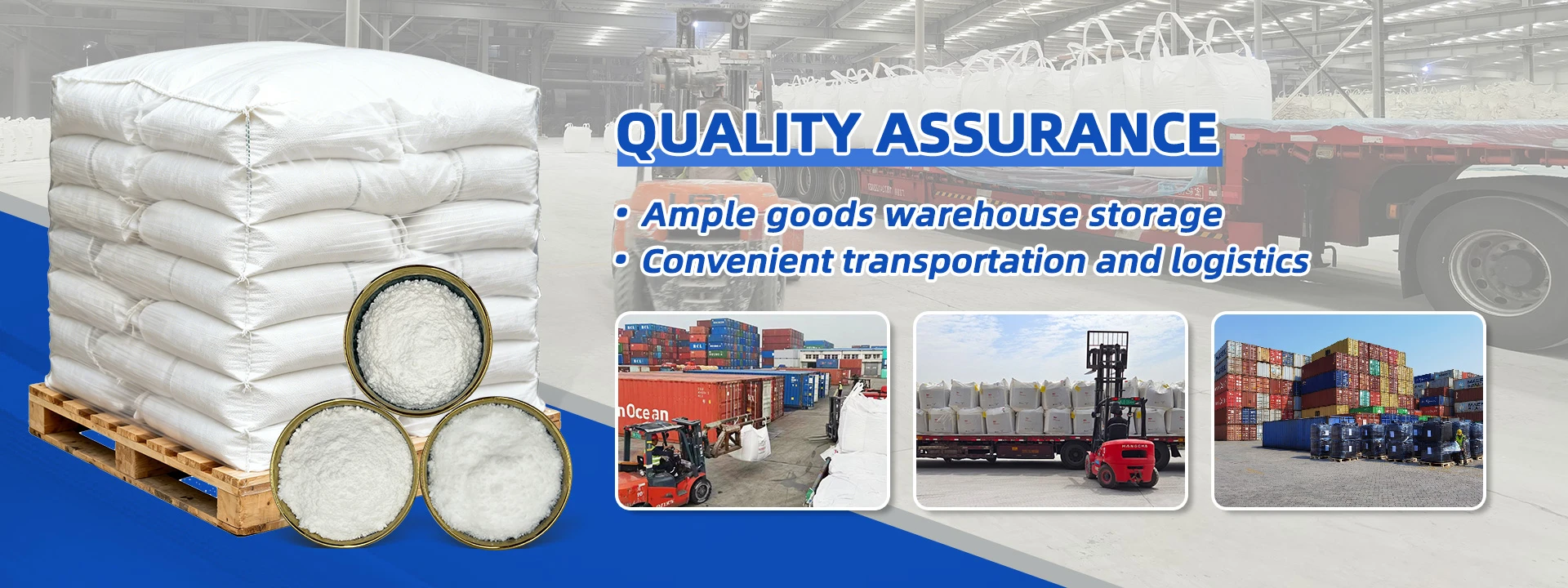
Sixty tons of kaolin for paint left the bagging line this week and now sits loaded, sealed, and waiting for its vessel to Manila. What follows is the part buyers rarely see: the preparation, the inspection, and the tracking until the containers clear.

Quick answer
Sixty tons of kaolin powder is 2,400 bags at 25 kg, in three 20 ft containers at 800 bags each.
The main grade is calcined kaolin, with hydrous kaolin shipped alongside where a formula needs suspension or a softer extender.
Six checks release each kaolin lot: brightness, iron, particle size, residue, moisture, and pH.
The COA is issued per container, so three containers mean three documents matched to three seals.
Dispatch runs against a fixed slot, and the tracking file opens the day the first box is sealed.
Preparation before the first bag was filled
Three things were fixed before production began: the lot definition, the packing, and the kaolin document set.
One kaolin ore source, one calcination run, one classification setting. A sixty-ton kaolin order blended from three runs is three orders wearing one lot number, and the COA then proves nothing about the bag in your warehouse.
Packing for the kaolin was set at 25 kg multi-wall paper bags with an inner liner, 800 bags per container, each kaolin bag labeled with grade, lot number, net weight, and production date. Wood pallets bear the ISPM 15 heat-treatment mark, which answers the fumigation question before Manila asks it.
Documents were drafted in parallel with production, not after it: commercial invoice, packing list, certificate of origin for ACFTA preferential duty where the HS line qualifies, a COA per container, the technical data sheet, and the safety data sheet confirming the kaolin is not dangerous goods.
Six checks before the doors were closed
| Check | Method | What it protects |
|---|---|---|
| Brightness | ISO 2470-1 against a calibrated plate | Tint drift in the finished film |
| Iron content | XRF on the lot sample | Yellowing after cure in light shades |
| Particle size | Laser diffraction, D50 and top cut | Hiding contribution and gloss level |
| Residue | Wet sieve, ISO 787-7 | Specking on the kaolin dispersion line |
| Moisture | Oven at 105 °C, ISO 787-2 | Caking, dosing error, viscosity swing |
| pH | ISO 787-9, 10 percent suspension | Binder compatibility, can stability |
Sampling comes from packed kaolin bags across the run, not from the mill outlet, with a retained sample filed under each container number. If a container of kaolin behaves differently on your dispersion line than it did on ours, the conversation starts from the same material rather than from two data sheets.
A kaolin lot that fails a check is held, re-classified, or re-milled. It does not ship with a note attached, because a note does not help once the paint is in the can.
Why this order left on schedule
Sixty tons of kaolin does not leave on time by accident, and not because someone promised hard enough. Three things in our setup carry the date.
We run the process. カオリン ore, washing, calcination, classification, and bagging sit in one plant with three production lines, so a schedule question reaches a production manager, not a third party.
The slot is booked at confirmation. A sixty-ton kaolin run is planned into a fixed window when the order is confirmed, not when the deposit clears. Our standard window is 15 working days, and the dispatch date goes into the kaolin quotation, so the commercial document and the production plan agree.
Quality control sits in the line. Three QA/QC staff cover incoming kaolin ore, in-process checks, and final release, with traceability to the source lot. That is what makes same-day release possible instead of a three-day wait for an outside lab.

Loaded and waiting: the gap between sealing and sailing
The kaolin containers are sealed, photographed, and recorded with container and seal numbers. What follows is where smaller orders go quiet, and it is the part we treat as work.
Booking and shipping order confirmed against the vessel and cut-off, with container numbers on the booking.
Loading file — pallet and door photographs with the seal, gross weight per container.
Export declaration finished while the boxes sit at the yard.
Departure confirmed with vessel, voyage, and actual ETD rather than the proforma date.
In-transit updates on transshipment, ETA revisions, and rollovers, issued when the carrier changes them.
Arrival file — draft bill of lading for your check, arrival notice, and documents released against the agreed terms.
よくある質問
Q: Calcined or hydrous kaolin for a wall paint?
Calcined kaolin for TiO₂ extension and hiding in matte and satin systems; hydrous kaolin where the formula needs a softer extender or more suspension. Most architectural paints use both, and the ratio follows PVC.
Q: What sets the kaolin price on a sixty-ton order?
Grade, brightness band, particle size, packing, and Incoterm. A calcined kaolin price is not comparable to a hydrous extender price, which is why quotes are built against the specification you already run rather than per ton in general.
Q: How do we verify the grade before the vessel sails?
Ask for the kaolin COA of each container, the retained sample number, and the loading photographs. A kaolin supplier that cannot produce those three for sixty tons is describing an intention, not a shipment.
Request the coating grade sheet
Send your application, the PVC range, and the TiO₂ loading you want to reduce. You get the specification sheet, the last kaolin COA for the same grade, and a quotation with the dispatch date written in.
Sixty tons of kaolin for paint is a campaign, not a trial. If you are not there yet, start with a kilogram of kaolin powder as a paint additive and run your own dispersion and hiding test before the first container is booked.


