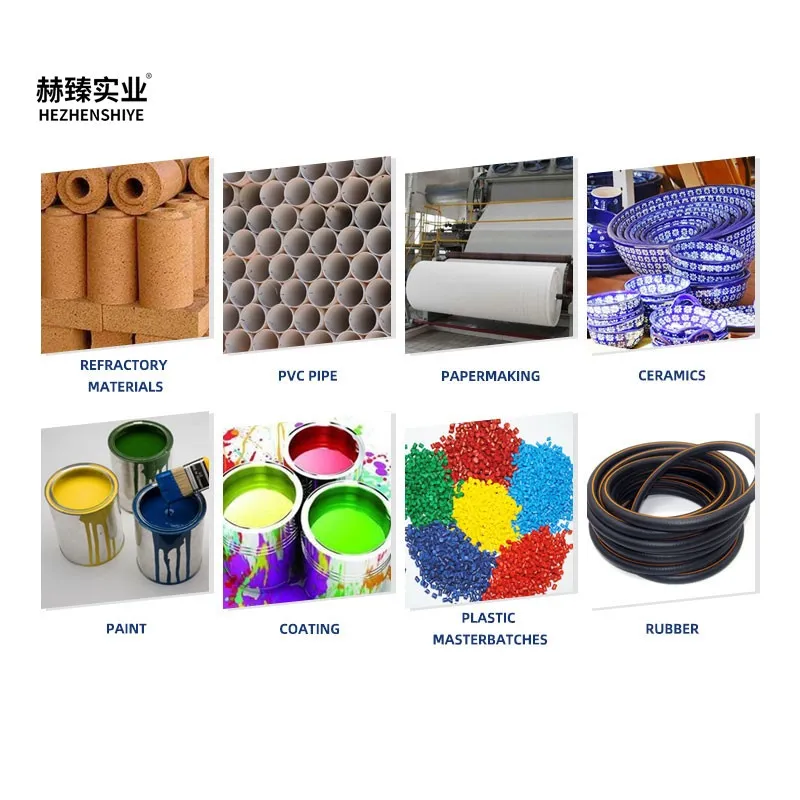
In rubber coatings, calcined kaolin serves as a reinforcing agent, significantly improving the tensile strength and wear resistance of the coating. Its fine particle size and high surface area enable it to form strong bonds with the rubber matrix, leading to enhanced coating performance. Additionally, calcined kaolin provides excellent UV resistance, protecting the rubber from degradation caused by sunlight exposure.
In ceramic production, kaolin is commonly used as a filler material, imparting strength, hardness, and whiteness to the final product. Calcined kaolin, with its higher purity and improved reactivity, offers superior performance compared to raw kaolin. It facilitates better sintering and glaze adherence, resulting in ceramics with a smoother surface and enhanced durability.
The versatility of calcined kaolin makes it a valuable asset for both rubber coating manufacturers and ceramic producers. Its ability to enhance product performance, coupled with its cost-effectiveness, underscores its importance in the industrial landscape. As the demand for high-quality rubber coatings and ceramics continues to grow, calcined kaolin will undoubtedly play an increasingly significant role in meeting these needs.
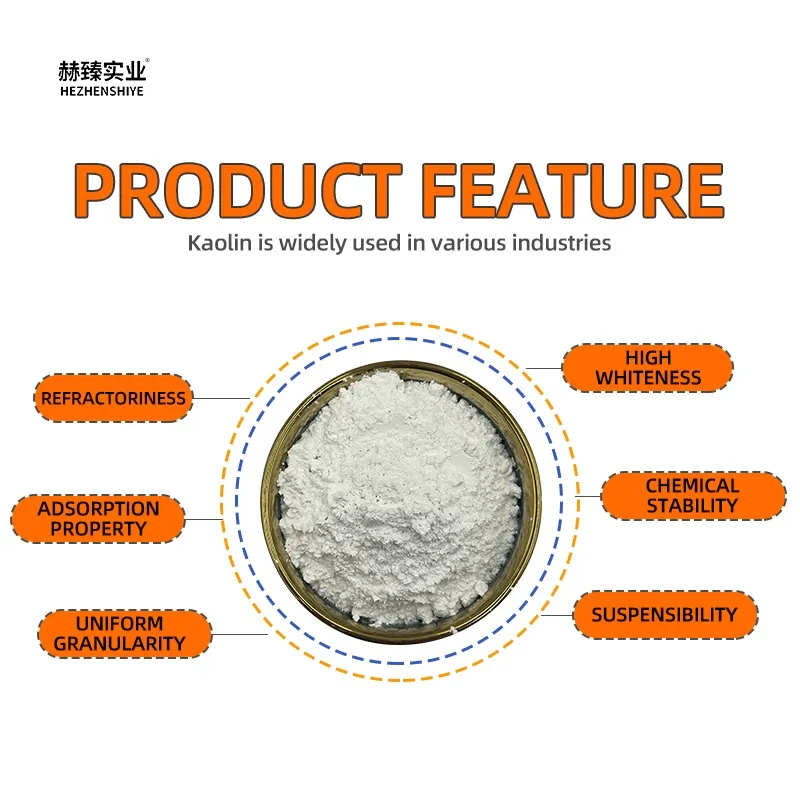
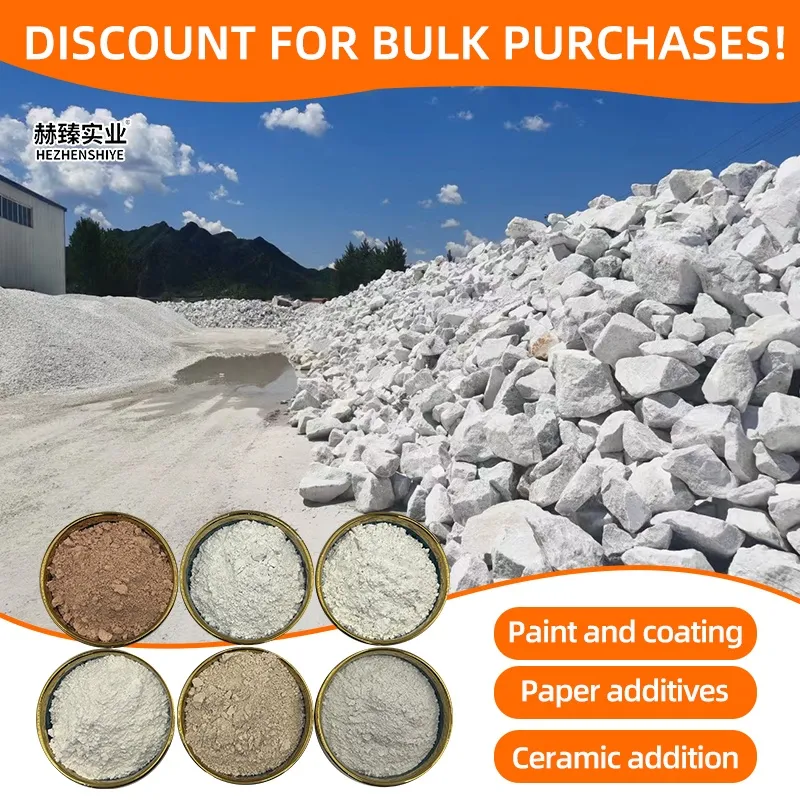
Ceramic production stands as core application field of kaolin powder, where it plays pivotal and irreplaceable role in determining quality, performance and appearance of ceramic products. In ceramic formulation, kaolin powder acts as key plastic component that binds other inert raw materials together, significantly improving workability of ceramic paste. This enhanced workability allows ceramic paste to be easily shaped into various forms such as casting, extrusion and pressing, while preventing deformation and cracking during molding and subsequent sintering processes. Addition of kaolin powder not only reduces sintering temperature of ceramic green bodies—lowering energy consumption and production costs—but also promotes densification of green bodies during sintering, enhancing density, strength and toughness of finished products. For daily-use ceramics such as tableware, tea sets and porcelain ornaments, high-whiteness kaolin powder enhances whiteness and transparency of products, giving them smooth surface, delicate texture and bright luster that are highly sought after by consumers. In architectural ceramics like floor tiles, wall tiles and exterior wall cladding, kaolin powder improves wear resistance, scratch resistance and water absorption resistance of ceramics, making them more durable and suitable for harsh indoor and outdoor environments exposed to foot traffic, wind and rain. Different types of ceramic products require kaolin powder with varying purity, whiteness and particle size distribution: for example, high-end porcelain needs ultra-pure kaolin powder with fine particle size, while ordinary floor tiles can use medium-grade kaolin powder. This diversity prompts manufacturers to produce graded kaolin powder to precisely match diverse production needs.

Paper coating applications represent another major and fast-growing market for kaolin powder, as it significantly enhances surface quality and printing performance of paper, which are crucial for meeting requirements of modern printing industry. During paper production, kaolin powder is mixed with adhesives, dispersants and other additives to form coating slurry, which is then uniformly applied to paper surface through coating machines. This coating layer fills tiny gaps between paper fibers, smoothing rough paper surface and improving paper’s smoothness, brightness and opacity. Enhanced smoothness ensures that printing rollers make uniform contact with paper, allowing for clearer and more vivid printing results; improved opacity prevents ink from showing through to the other side of paper, which is particularly important for double-sided printing. Kaolin powder used in paper coating also exhibits good ink absorption capacity and drying speed, preventing ink bleeding and smearing, and ensuring sharpness and clarity of printed patterns and texts. Compared with other coating pigments such as titanium dioxide and calcium carbonate, kaolin powder has advantages of low cost, abundant reserves and stable performance, making it preferred choice for large-scale paper production. In production of high-grade printing paper (such as book paper and magazine paper) and high-end packaging paper (such as gift box paper), refined kaolin powder with high whiteness, fine and uniform particle size is adopted to meet strict quality requirements of high-end applications, ensuring that printed products have excellent visual effects and market competitiveness.
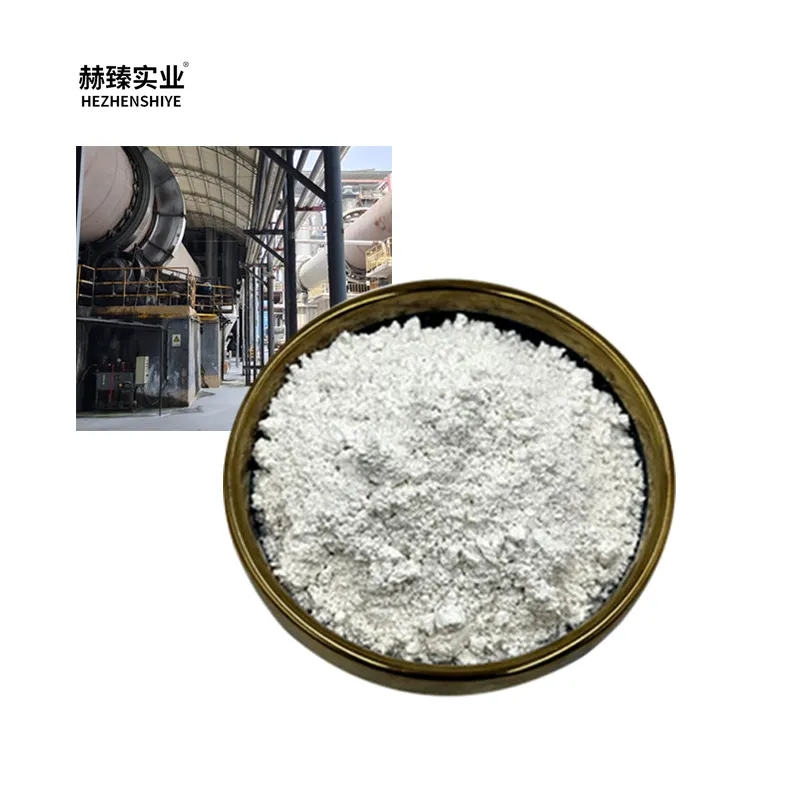
Processing technology of kaolin powder continues to innovate and upgrade, driving continuous improvement of product quality and steady expansion of application scope. Traditional dry grinding technology, which is simple but produces products with uneven particle size, is gradually upgraded to wet grinding technology. Wet grinding uses water as medium to grind kaolin ore, producing kaolin powder with finer and more uniform particle size, better dispersibility and compatibility with other materials. This technological upgrade makes kaolin powder more suitable for high-end applications such as high-grade paper coating and precision ceramics. Purification technologies of kaolin powder are also constantly advancing: flotation technology uses differences in surface properties of minerals to separate kaolin from impurity minerals; magnetic separation technology effectively removes iron-containing impurities that affect product whiteness; chemical bleaching technology further enhances whiteness of kaolin powder, meeting high-whiteness requirements of downstream industries. Surface modification technology of kaolin powder is another key innovation direction: through chemical treatment (such as silane coupling agent modification) or physical coating (such as resin coating), surface properties of kaolin powder are adjusted to improve its bonding strength and compatibility with organic materials such as plastics, rubber and paints. Modified kaolin powder can be widely used in plastic, rubber and paint industries as functional filler, enhancing mechanical properties and performance stability of products. These technological advancements comprehensively promote refinement and functionalization of kaolin powder products, opening up new application markets in high-end manufacturing fields.
Beyond ceramic and paper industries, kaolin powder finds extensive applications in multiple other industrial fields, fully exploiting its diverse inherent properties. In paint and coating industry, kaolin powder is added as extender pigment to paint formulations. It not only improves coating’s hiding power (reducing amount of expensive titanium dioxide needed), but also enhances weather resistance, scrub resistance and adhesion of coatings, making them more durable and long-lasting under outdoor exposure. At the same time, kaolin powder reduces production costs of coatings due to its low price. In plastic and rubber manufacturing, kaolin powder acts as reinforcing filler, which is uniformly dispersed in plastic and rubber matrices. This addition enhances mechanical properties such as tensile strength, impact resistance and hardness of products, while improving dimensional stability and heat resistance, extending service life of plastic and rubber products. For example, in production of plastic pipes and rubber seals, addition of kaolin powder significantly improves product durability. In adhesive and sealant industry, kaolin powder improves viscosity and thixotropy of products—thixotropy ensures that adhesives and sealants remain thick during storage and become fluid during application, facilitating construction. It also enhances bonding strength and water resistance of adhesives and sealants, ensuring stable performance during application and use. These diverse applications make kaolin powder important part of industrial material system, closely linked to development of multiple manufacturing industries.
Market demand for kaolin powder maintains steady growth trend, mainly driven by continuous development of downstream industries such as ceramic, paper and paint. With acceleration of urbanization process, demand for architectural ceramics (floor tiles, wall tiles) and packaging paper continues to rise, directly boosting demand for kaolin powder. Meanwhile, expansion of high-end manufacturing fields such as high-grade ceramics and precision printing also increases demand for high-purity and refined kaolin powder. Major producing regions of kaolin powder are distributed in areas with abundant mineral reserves, such as certain regions in Asia, Europe and North America, with industry development showing obvious regional characteristics. In regions with rich resources, kaolin powder industry forms industrial clusters, integrating mining, processing and sales to improve production efficiency. Market competition of kaolin powder mainly focuses on product quality (whiteness, purity, particle size distribution), technical level (processing technology, modification technology) and price. To enhance core competitiveness, manufacturers are actively optimizing production processes—adopting intelligent production lines to improve product consistency—expanding production capacity to meet growing market demand, and developing high-value-added products such as modified kaolin powder and ultra-fine kaolin powder. Industry cooperation and technological exchange are gradually strengthened: upstream and downstream enterprises establish long-term cooperative relationships to ensure stable supply of raw materials and products; enterprises and research institutions carry out joint research to tackle key technological problems, promoting sharing of advanced technologies and experience, and driving healthy and orderly development of entire kaolin powder industry.





 Banner PDF
 Get A Quote