Product Description
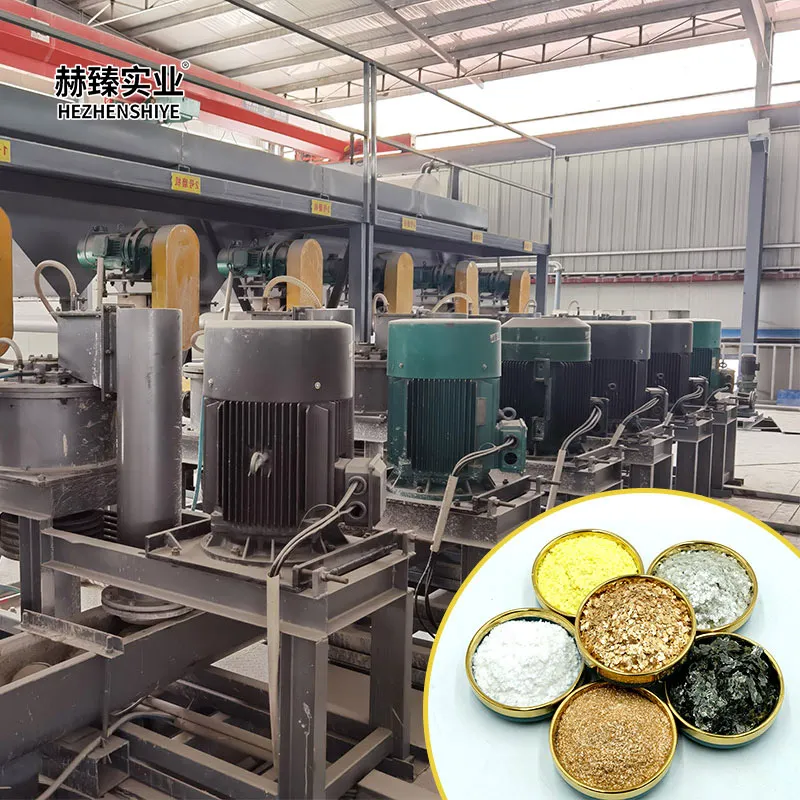
Synthetic mica sheet, on the other hand, offers a versatile and cost-effective alternative to natural mica. Its flexibility and ease of processing make it an excellent choice for formulating paints, coatings, plastics, and rubbers. By incorporating synthetic mica sheet, manufacturers can achieve a sleek, glossy finish while improving the material's overall durability and weather resistance.
Together, ceramic-grade mica powder and synthetic mica sheet represent a game-changing duo in the realm of industrial materials. They enable the creation of high-performance, visually stunning products that meet the rigorous demands of modern manufacturing while delivering outstanding aesthetic results.
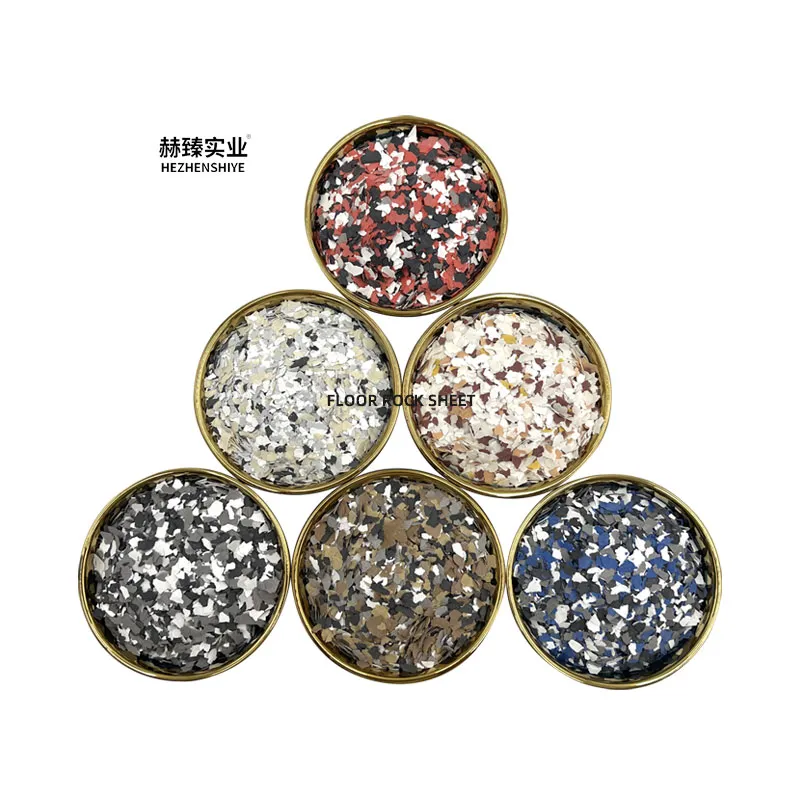
| Place of Origin |
China |
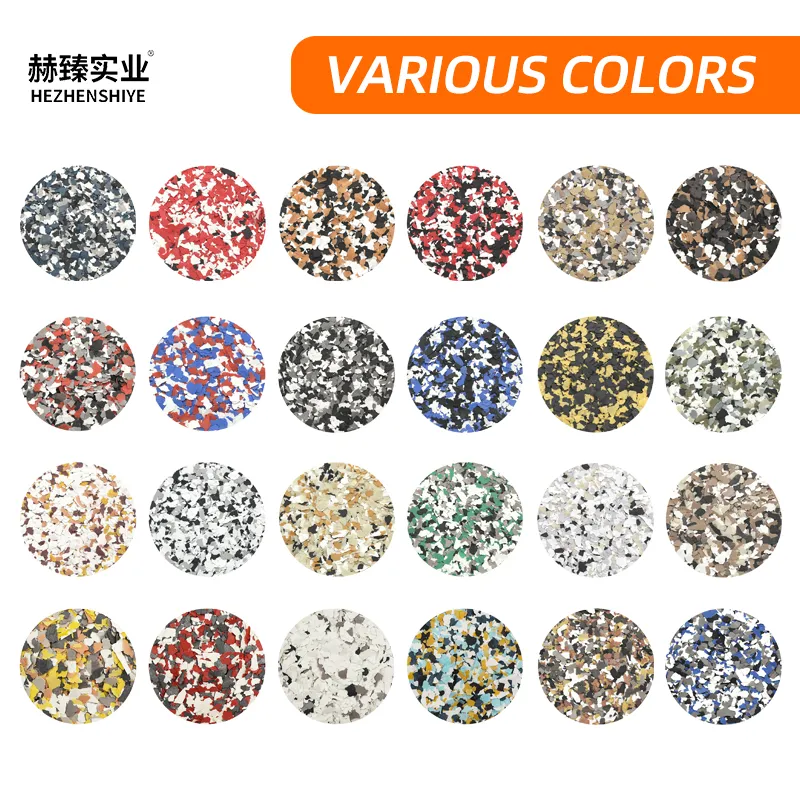
| Color |
White/Gold/Black/Silver |
| Shape |
Flake/Powder |
| Purity |
90-95% |
| Grade |
industrial Grade Food Grade |
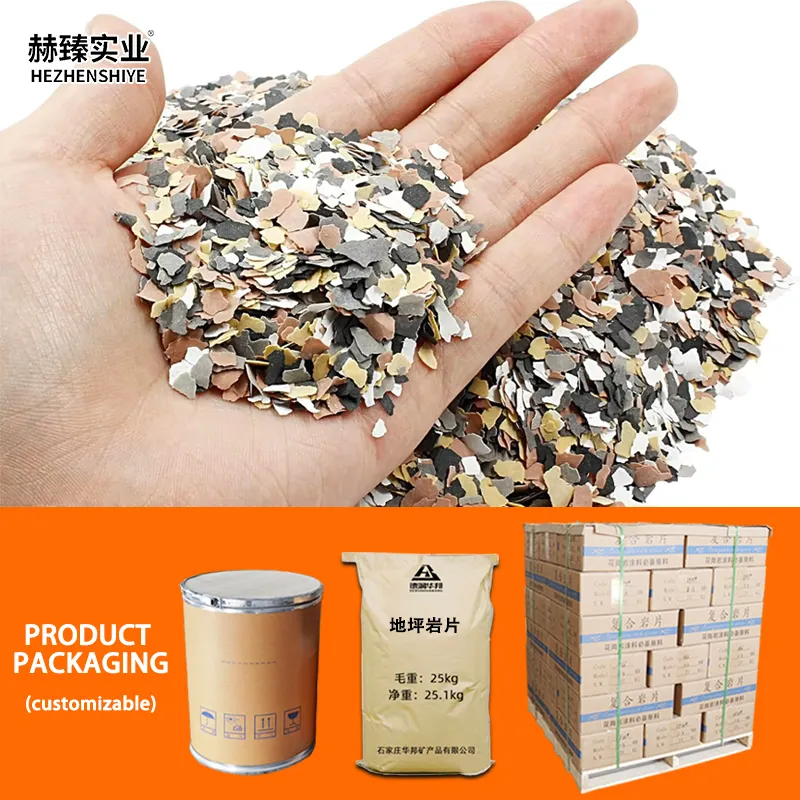
| Package |
25kg/bag,customized package |
| MOQ |
1kg |
In the highly specialized realm of electronics manufacturing, mica flakes have firmly established themselves as a preferred choice for circuit board insulation. Their unique layered structure endows them with the ability to be crafted into ultra-thin sheets with precision. These sheets can be meticulously placed between conductive components, effectively preventing unwanted electrical conduction and safeguarding the integrity of complex electronic circuits.
The natural thermal stability of mica is a key asset in this field. High-performance chips and other components generate substantial heat during operation, and mica's ability to resist warping or degradation under such thermal stress ensures the overall functionality of electronic devices over extended periods. This characteristic makes mica indispensable in the production of advanced computing devices, telecommunications equipment, and a wide range of consumer electronics. From smartphones that are constantly in use and prone to heating up to high-performance servers that operate continuously, mica plays a crucial role in maintaining their reliability and performance.
Moreover, mica's dielectric properties are highly valued. Dielectric materials are essential for separating conductive elements while allowing the storage and transfer of electrical energy. Mica's high dielectric strength means it can withstand high voltage differences without breaking down, reducing the risk of electrical arcing and short circuits. This makes it an ideal choice for insulating high-voltage components in power supplies, transformers, and other electrical equipment. As the electronics industry continues to miniaturize components and increase power densities, the demand for high-quality insulation materials like mica is only expected to grow.
In the realm of household appliances, mica flakes play an integral and often overlooked role in enhancing safety and performance. In electric stoves and ovens, they are strategically utilized in the insulation of heating elements. The heat-resistant nature of mica ensures that these elements can reach the high temperatures required for cooking without the risk of the insulation breaking down and causing a potentially dangerous fire hazard. This not only protects the appliance itself but also safeguards the safety of households.
Similarly, in hair dryers and other small appliances that generate heat during operation, mica-based insulation serves as a protective barrier for internal components. By keeping the heat away from sensitive electrical parts, it allows these appliances to operate safely and efficiently for years. The durability of mica ensures that it can withstand the repeated heating and cooling cycles that these appliances undergo, maintaining its insulating properties over time.
In addition to heat resistance, mica also offers good mechanical strength, which is important in household appliances that may be subject to vibrations or impacts during use. For example, in washing machines and dishwashers, mica insulation helps protect the electrical systems from damage caused by the appliance's movement and operation. This contributes to the overall reliability and longevity of these appliances, reducing the need for frequent repairs or replacements.
The construction industry has found numerous applications for mica flakes, particularly in the production of fire-resistant building materials. When incorporated into insulation panels, mica imparts its heat-resistant and non-combustible properties. These panels can be used in the walls, ceilings, and floors of both commercial and residential buildings, providing an extra layer of protection against the spread of fire.
In the event of a fire, mica-based insulation panels can significantly slow down the progression of flames, giving occupants more time to evacuate safely. Their ability to withstand high temperatures without releasing toxic fumes also makes them a safer option for building insulation compared to some synthetic materials. This is especially important in large public buildings, such as hospitals, schools, and shopping malls, where the safety of a large number of people is at stake.
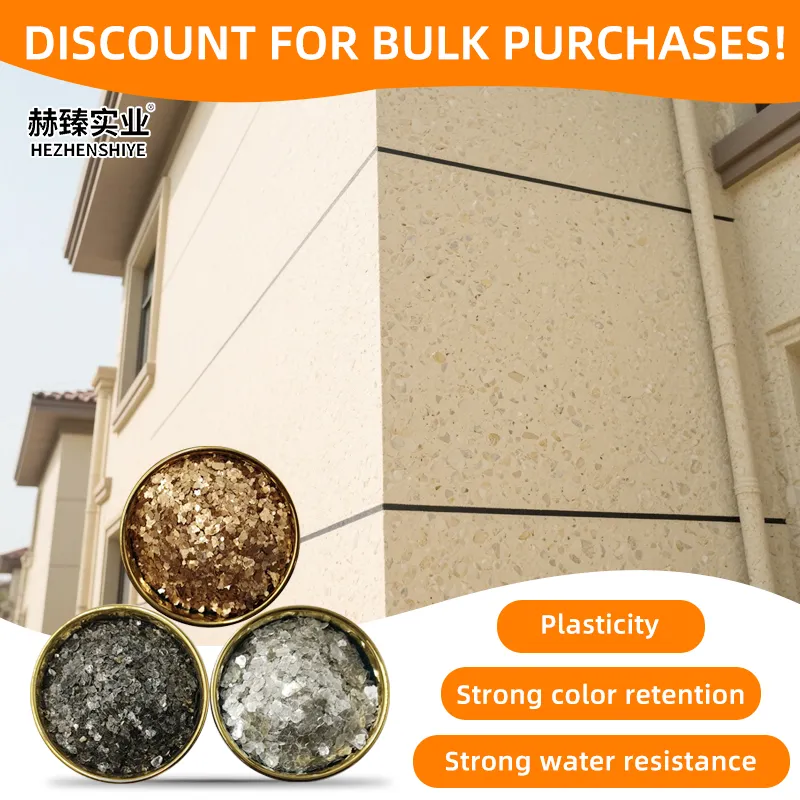
Mica's use in construction extends beyond fire resistance. It can also be added to paints and coatings to improve their durability and weather resistance. Mica flakes in paints create a reflective surface that helps protect the underlying material from the damaging effects of UV radiation, moisture, and other environmental factors. This results in longer-lasting paint finishes that require less frequent repainting, reducing maintenance costs for buildings.
Automotive manufacturing also benefits greatly from the unique properties of mica flakes. They are extensively used in the insulation of automotive electrical systems, including batteries and wiring harnesses. The harsh operating conditions in vehicles, such as vibrations, heat, and exposure to various chemicals, can pose significant challenges to electrical components. However, mica's durability and insulating capabilities help mitigate these issues effectively.
By protecting the electrical systems from short circuits and overheating, mica contributes to the overall reliability and longevity of vehicles, reducing the likelihood of breakdowns due to electrical failures. In hybrid and electric vehicles, where the battery system is a critical component, mica insulation plays a vital role in ensuring the safe and efficient operation of the battery. It helps maintain the optimal operating temperature of the battery, which is essential for its performance and lifespan.
Furthermore, mica's lightweight nature is an added advantage in automotive applications. As the automotive industry increasingly focuses on reducing vehicle weight to improve fuel efficiency and reduce emissions, the use of lightweight materials like mica becomes more attractive. Mica insulation can provide the necessary protection for electrical components without adding excessive weight to the vehicle, contributing to overall vehicle performance and sustainability.
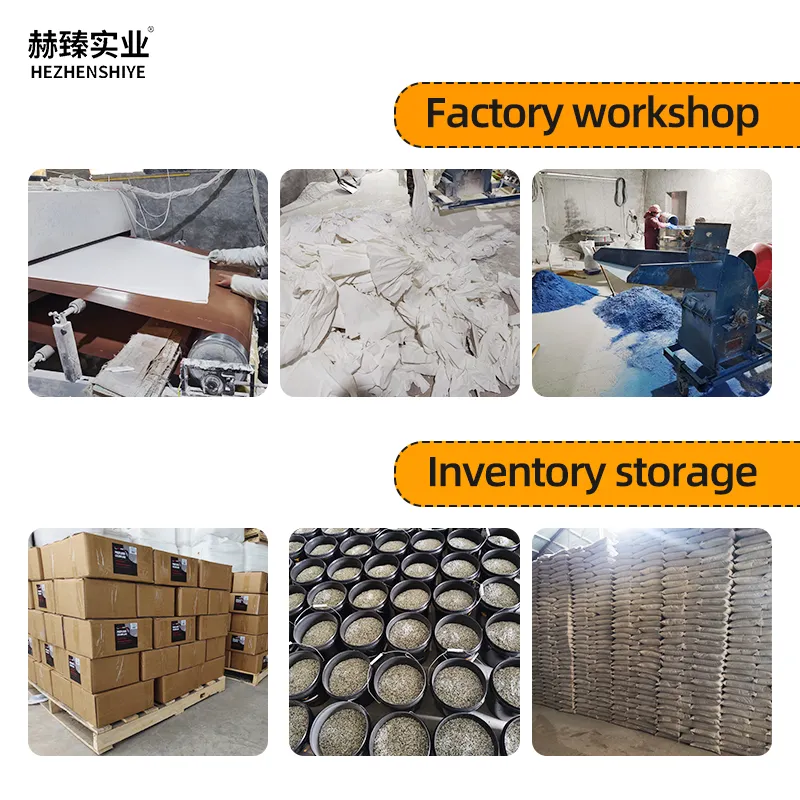
Chinese mica processing operations are characterized by their meticulous and sophisticated approach. Manufacturers carefully sort mica flakes based on their physical attributes, such as thickness, purity, and particle size, to tailor them to specific application requirements. For applications demanding high levels of insulation, like in large industrial electrical systems, thicker and purer mica flakes are selected. In contrast, for more delicate applications, such as in the insulation of small electronic devices, thinner and more flexible flakes are preferred.
The geographical advantage of China's mica production cannot be overstated. The proximity of production facilities to major mica mines in Sichuan and Xinjiang minimizes transportation costs, making the final products more competitive in the global market. This cost efficiency, combined with the high quality of Chinese mica, has enabled Chinese mica products to gain a significant share in the international market.
With well-established logistics networks linking to major ports like Qingdao and Tianjin, Chinese mica flakes can be efficiently shipped worldwide, meeting the diverse needs of industries across the globe. These logistics networks ensure that mica products can reach customers in a timely manner, whether they are located in North America, Europe, Asia, or other parts of the world. The Chinese mica industry also invests heavily in research and development to continuously improve the quality and performance of its products, staying at the forefront of the global mica market.
Another aspect that makes mica flakes an attractive material for various industries is their environmental profile. Mica is a natural mineral, and its extraction and processing have a relatively lower environmental impact compared to many synthetic materials. Unlike some plastics and synthetic insulation materials that are derived from fossil fuels and contribute to greenhouse gas emissions during production, mica's natural origin makes it a more sustainable choice.
During the processing of mica, efforts are made to minimize waste and maximize resource utilization. Chinese mica processors are increasingly adopting more environmentally friendly practices, such as recycling and reusing mica waste. This not only reduces the environmental footprint of mica production but also helps conserve valuable resources.
In addition, the durability and long lifespan of products made with mica mean that they do not need to be replaced as frequently, reducing the demand for new materials and the associated environmental impacts of production and disposal. As the world becomes more conscious of environmental sustainability, the use of materials like mica is likely to become even more prevalent in various industries.
Looking ahead, the demand for mica flakes is expected to continue growing as industries seek materials that offer a combination of high performance, reliability, and sustainability. In the electronics industry, the ongoing trend of miniaturization and the development of new technologies, such as 5G and the Internet of Things (IoT), will drive the need for advanced insulation materials. Mica, with its unique properties, is well-positioned to meet these evolving demands.
In the construction industry, stricter fire safety regulations and a growing emphasis on sustainable building practices will further increase the demand for mica-based fire-resistant and environmentally friendly building materials. Similarly, in the automotive industry, the transition towards electric vehicles and the increasing complexity of automotive electrical systems will create new opportunities for mica in insulation and other applications.
Chinese mica producers are well-poised to capitalize on these future trends. With their established production capabilities, commitment to quality, and focus on innovation, they are likely to continue playing a leading role in the global mica market, supplying high-quality mica flakes to meet the diverse and growing needs of industries around the world.





 Banner PDF
 Get A Quote