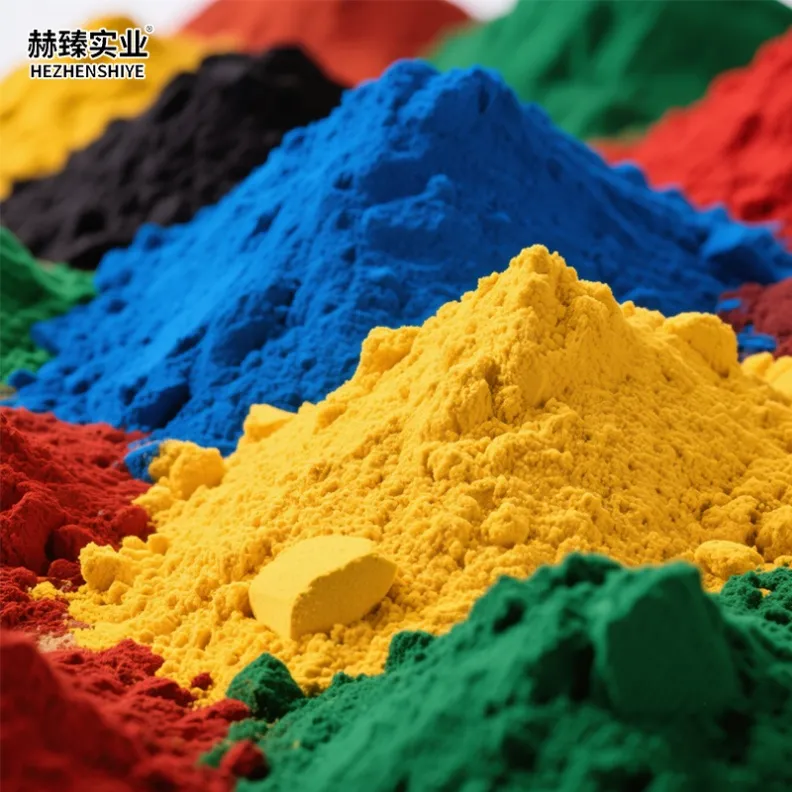
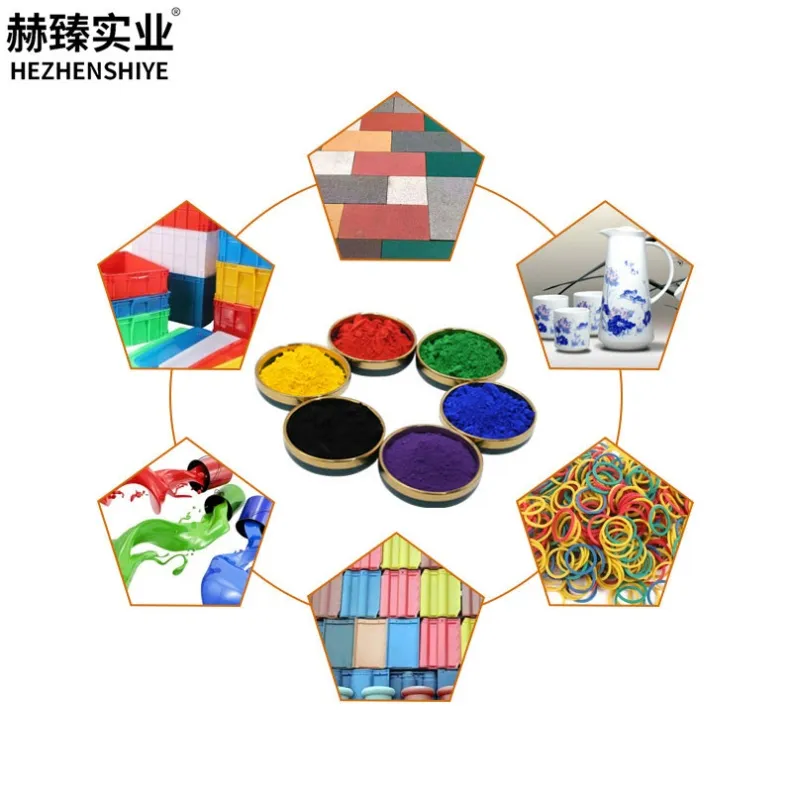
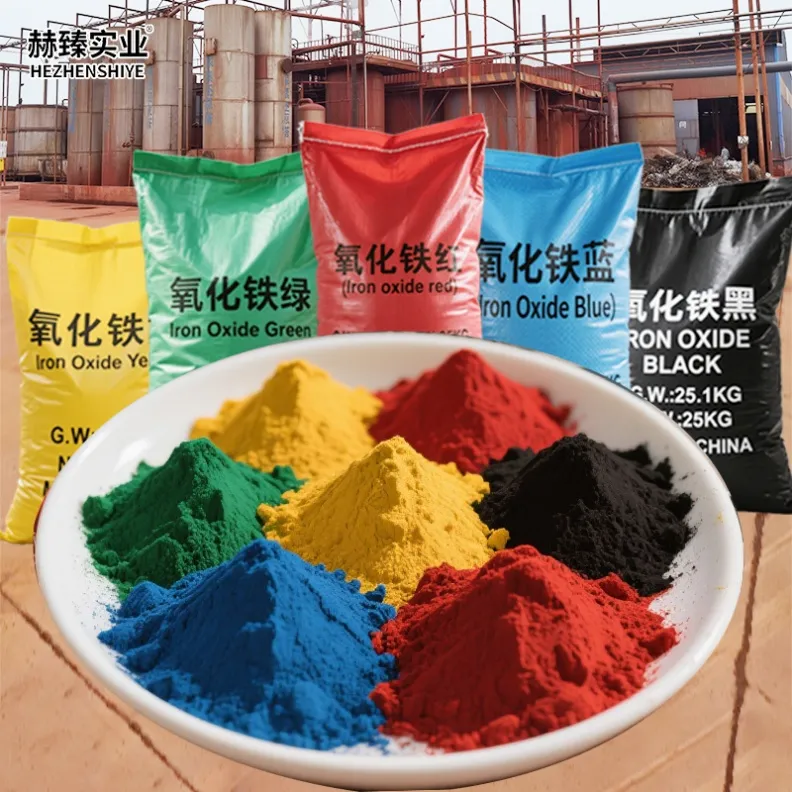
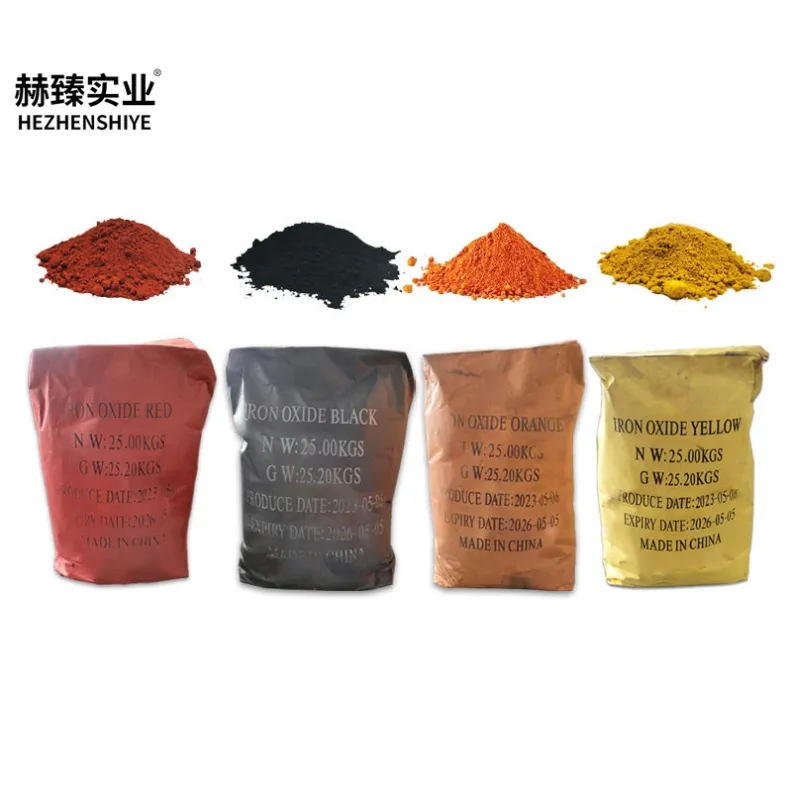
Iron oxide pigments emerge as vital inorganic colorants crafted from iron-based materials, boasting extensive color palette spanning rich reds, warm yellows, deep browns, and intense blacks. Unlike fragile organic colorants, these pigments possess inherent ruggedness that cements their role in varied industrial and commercial contexts. Core traits—color fastness, resistance to environmental stress, and ability to blend with myriad substrates—make them irreplaceable across sectors seeking long-term color performance. Hues retain vibrancy when subjected to scorching sunlight, heavy rainfall, or drastic temperature shifts, avoiding fading, discoloration, or breakdown that plagues lesser alternatives. Such resilience renders them go-to choice for products needing enduring color, from outdoor decorative items to industrial components exposed to harsh conditions.
Crafting iron oxide pigments involves diverse processes, with natural extraction and synthetic production standing as primary methods. Natural variants are derived from iron-rich ores, which undergo purification to remove impurities and standardize color properties. Synthetic production, more prevalent for consistent quality, relies on controlled reactions like thermal oxidation or hydrolysis of iron salts. Producers tweak reaction environments to modify particle shape and size, directly impacting tinting intensity, hiding capability, and dispersion quality. Coarser particles suit applications needing opaque finishes, while finer particles enable smooth integration into thin films or delicate formulations. Surface modification—via organic coatings or inorganic treatments—enhances adhesion to specific materials, preventing clumping and ensuring uniform color spread in final products. Rigorous quality checks at every stage guarantee each production batch matches color and performance benchmarks, safeguarding consistency for users.
Textile industry embraces iron oxide pigments for dyeing natural and synthetic fibers, valuing their ability to impart vivid, long-lasting colors. Pigments bond tightly to fiber surfaces, resisting washing, rubbing, and exposure to fabric softeners or detergents. Cotton, linen, polyester, and blends receive color treatments using these pigments, finding use in outdoor fabrics, workwear, and decorative textiles that demand color stability. Dye formulators appreciate how pigments integrate with water-based and solvent-based dye systems, enabling uniform coloring without altering fabric texture or breathability. Unlike some dyes that bleed or fade after repeated laundering, iron oxide-based dyes maintain hue integrity, extending lifespan of textile products.
Art pigment sector relies on iron oxide pigments for creating professional-grade paints, pastels, and crayons. Artists favor these pigments for their pure, intense hues and ability to mix seamlessly with other colorants, producing custom shades. Oil paints, watercolors, and acrylics infused with these pigments offer exceptional lightfastness, ensuring artworks retain original vibrancy for decades without yellowing or fading. Pigments’ inert nature prevents chemical reactions with binding agents, preserving consistency of paint texture and application properties. From studio canvases to outdoor murals, artworks using these pigments withstand environmental elements, maintaining artistic integrity over time.
Corrosion protection sector leverages iron oxide pigments to combine color with defensive properties, creating coatings for metal surfaces. These pigments form protective layer that shields metal from rust, chemical erosion, and physical abrasion. Industrial pipes, storage tanks, and marine components use such coatings to extend service life while adding color coding for safety or identification. Pigments integrate with anti-corrosive resins to enhance barrier performance, ensuring coatings adhere firmly to metal substrates even in high-humidity or salt-rich environments. Formulators prioritize these pigments for their compatibility with various anti-corrosive systems, balancing aesthetic needs with functional protection.
Decorative coating segment, focused on furniture, metal fixtures, and decorative accessories, uses iron oxide pigments to achieve diverse aesthetic effects. Matte, satin, and glossy finishes all benefit from these pigments’ color depth, adding richness to surfaces. Furniture makers use them to stain wood or coat metal frames, creating vintage or modern looks that resist wear from daily use. Decorative metal fixtures—such as railings, lamps, and hardware—rely on these pigments to maintain color despite handling and exposure to indoor/outdoor conditions. Pigments’ ability to blend with different coating bases allows for customization, catering to varied design preferences.





 Banner PDF
 Get A Quote