

Diatomaceous earth fossilized diatom derived siliceous material with porous and adsorptive traits that shine in wastewater purification filtration and green building aiding
2025.12.02
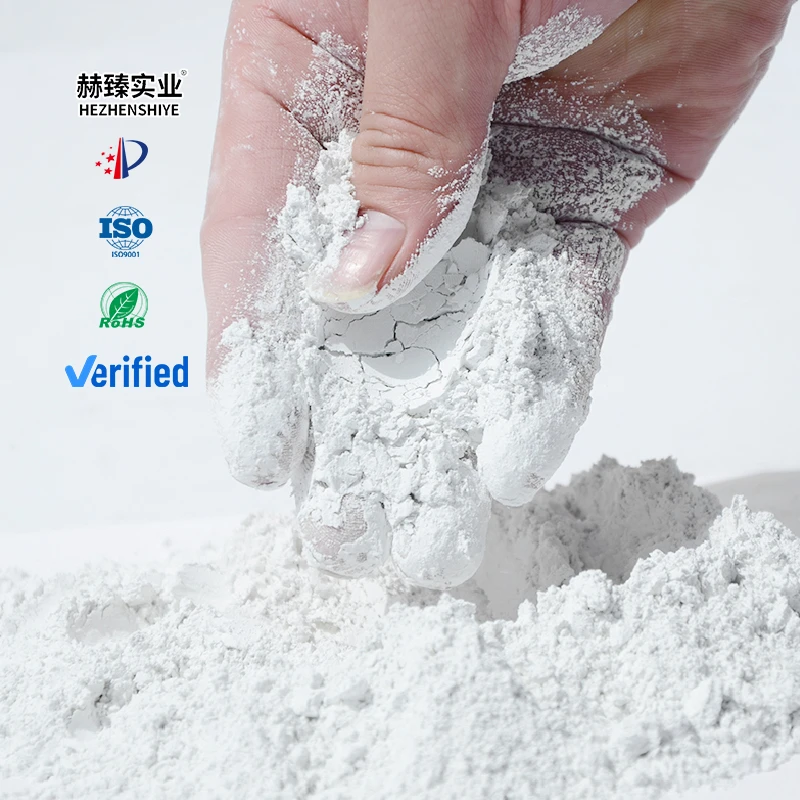
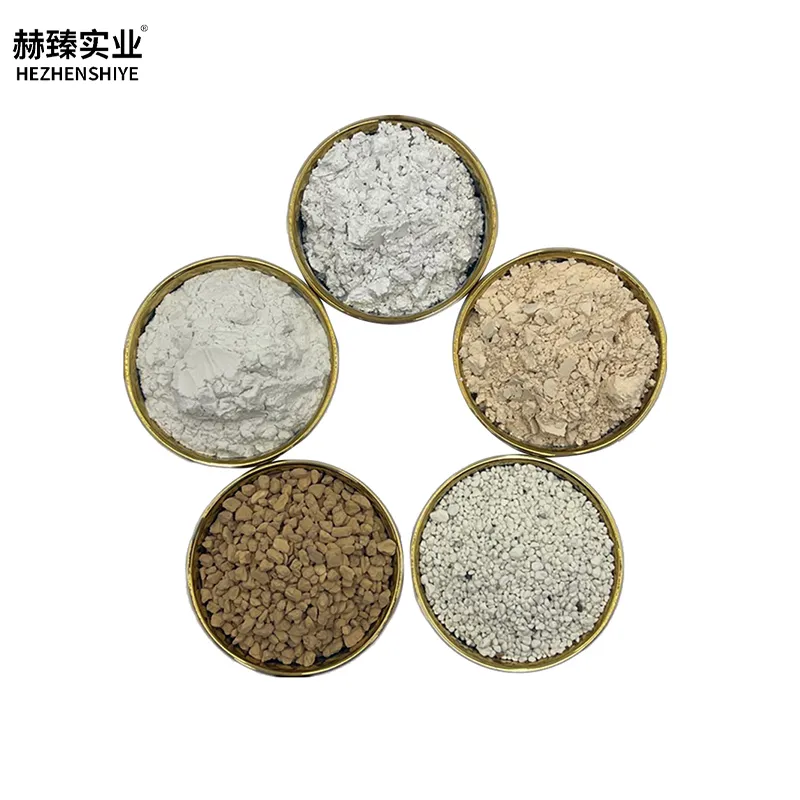
Diatomaceous earth, often called diatomite, has roots in tiny aquatic organisms known as diatoms—these single-celled life forms thrive in both fresh and saltwater environments, from calm lakes to vast oceans. Each diatom builds a delicate shell, or frustule, made entirely of silica, and as they reach end of their life cycle, these frustules drift down to settle on the bottom of water bodies. Over hundreds of thousands of years, layer upon layer of these frustules accumulates, slowly compacted by the weight of overlying sediments and gently cemented by natural minerals in water. This gradual process transforms loose frustule deposits into soft, crumbly sedimentary rock we call diatomaceous earth. What truly sets this material apart is its internal structure: under a microscope, it reveals a complex network of tiny pores and winding channels, exact replicas of the diatom frustules that form it. This porous framework creates an enormous surface area relative to its volume, and it’s this unique trait that gives diatomaceous earth its impressive adsorption, filtration, and insulation properties—making it a go-to material across countless industries.
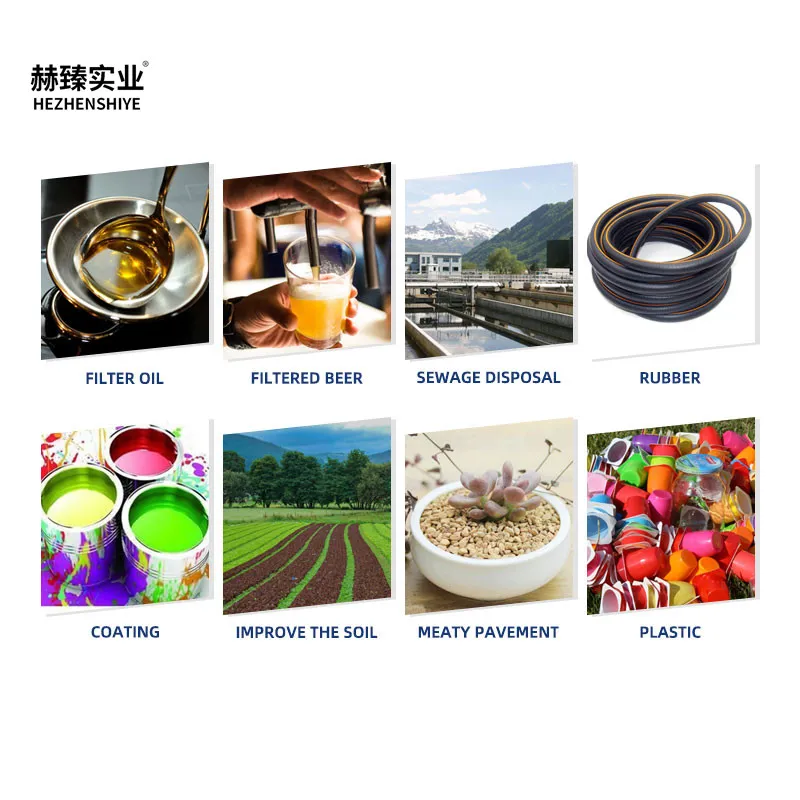
One of the most widespread and well-known uses of diatomaceous earth is in filtration—and its porous structure is the key to this ability. It acts like an ultra-fine sieve, with pores small enough to trap even microscopic particles that slip through many other filter materials. Take industrial settings, for example: factories rely on diatomaceous earth to filter liquids like lubricating oils used in engines, hydraulic fluids that power heavy machinery, and chemical solutions used in manufacturing. These liquids often pick up tiny impurities—metal shavings from engines, dust from storage, or unreacted chemicals—that can scratch machine parts, cause clogs, or lower product quality. When liquid is pumped through a layer of diatomaceous earth, these impurities get caught in the material’s pores, leaving behind liquid that’s clean, pure, and ready for use. Swimming pools are another common place to find diatomaceous earth at work. Pool water easily collects tiny contaminants: dust blown in from outside, pollen from nearby plants, or tiny algae spores that start to multiply. Regular filter sands can’t catch these tiny bits, leading to cloudy water. But when diatomaceous earth is added to pool filter grids, it forms a thin, porous coating that traps those small contaminants, leaving pool water crystal clear and safe for swimmers to enjoy.
Diatomaceous earth also plays a vital role in environmental protection, with wastewater treatment being one of its most impactful applications. Factories across industries—textiles, electronics, and manufacturing—produce large volumes of wastewater loaded with harmful substances: vibrant organic dyes from textile mills, toxic heavy metal residues from electronics production, and thick suspended solids from food processing (non-consumable, industrial-grade). Homes too generate wastewater filled with soap scum, food particles, and other organic matter. Pouring diatomaceous earth into wastewater treatment tanks addresses this problem in a natural way. The porous surface of each diatomaceous earth particle acts like a magnet, adsorbing harmful chemicals and clinging to suspended solids. As these particles gather more and more contaminants, they clump together into larger masses called flocs. These flocs are heavy enough to sink to the bottom of treatment tanks, where they can be easily removed as sludge. The remaining water is clean enough to be reused for non-potable purposes—like watering public parks or cooling industrial machinery—or safely discharged back into natural water bodies. This method is favored by many treatment plants because diatomaceous earth is all-natural; it doesn’t introduce harsh chemicals into water systems, which aligns perfectly with global efforts to protect water resources and preserve aquatic ecosystems.
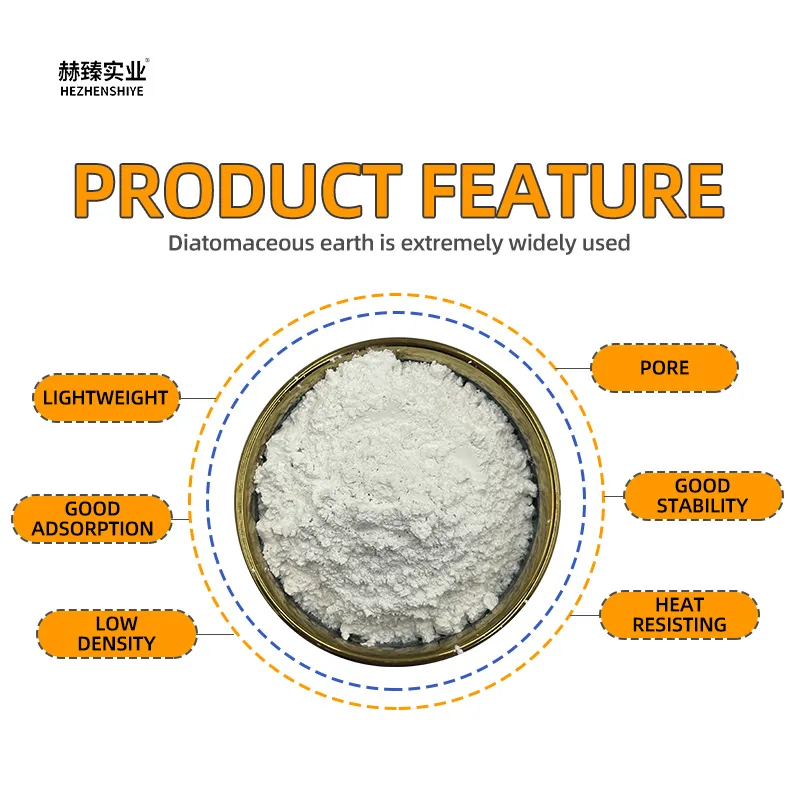
In building industry, diatomaceous earth has emerged as a star material for green, eco-friendly buildings—thanks to its combination of lightweight, insulating, and moisture-regulating properties. Its porous structure makes it much lighter than traditional building materials like concrete, which reduces overall weight of buildings and cuts down on energy needed for construction. But its real strength lies in insulation: when added to wall panels, floor underlays, or exterior coatings, diatomaceous earth creates a barrier that slows heat transfer. In winter, this means less heat escapes through walls, keeping interiors warm without overusing heaters. In summer, it blocks hot outdoor air from seeping in, reducing need for air conditioners. Another game-changing feature of diatomaceous earth in buildings is its ability to regulate indoor moisture. When humidity levels rise—like during rainy seasons—its pores absorb excess moisture from air, preventing condensation on walls and stopping mold and mildew from growing. When air turns dry—such as in winter when heaters are on—it releases that stored moisture back into air, keeping indoor humidity at comfortable level (around 40 to 60 percent). This makes spaces healthier and more pleasant to live in. It’s no wonder many modern green buildings—those seeking environmental certifications—use diatomaceous earth-based materials to meet strict sustainability standards and improve indoor living quality.
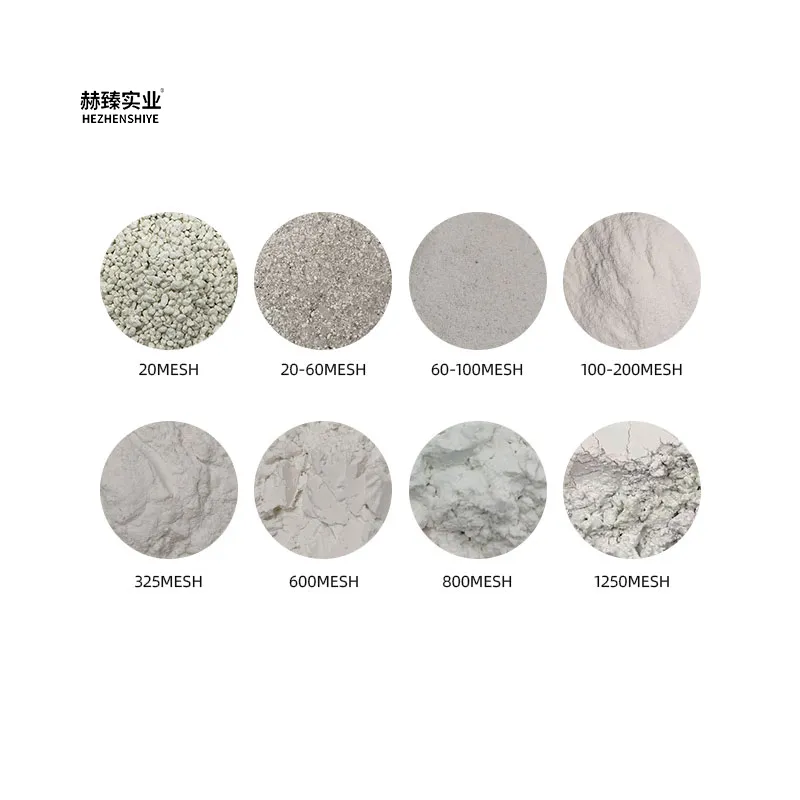
Beyond these main uses, diatomaceous earth boasts a range of other practical applications that leverage its unique properties. In plastic and rubber production, it’s widely used as an inorganic filler. When mixed into plastic resins or rubber compounds, diatomaceous earth particles disperse evenly throughout the material, reinforcing its structure and boosting key properties: plastic becomes more resistant to impact and heat, while rubber gains better durability and resistance to wear. At the same time, it replaces some of the expensive base materials, lowering production costs without sacrificing quality. This makes it a popular additive in products like plastic pipes, outdoor furniture, and rubber tires. In paint and coating industry, diatomaceous earth acts as effective matting agent. Its porous particles scatter light that hits dried paint surface, reducing shine and creating smooth, matte finish—highly desired in architectural coatings for homes, furniture paints, and industrial coatings for machinery. Manufacturers can adjust amount of diatomaceous earth added to get different levels of matte effect, from subtle sheen to full matte. Some industries also use diatomaceous earth as carrier for catalysts. Its large surface area provides plenty of space for catalyst particles to attach, and its inert nature means it doesn’t react with chemicals involved in reactions. This is especially useful in petroleum refining, where diatomaceous earth-supported catalysts help break down heavy hydrocarbons into lighter, more useful fuels.
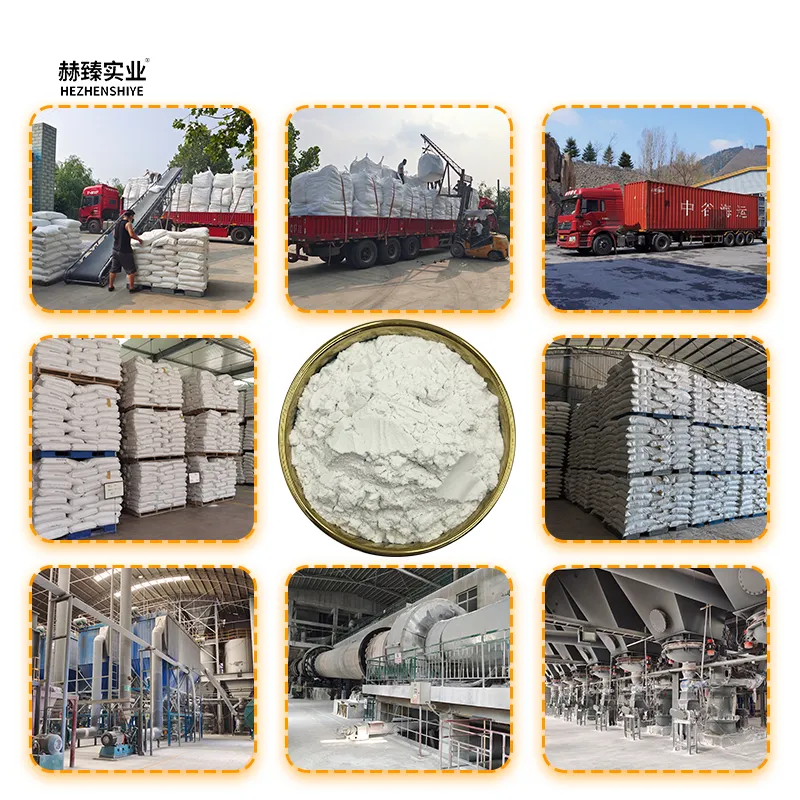
Market for diatomaceous earth has been growing steadily in recent years, driven by global shift toward sustainability and stricter environmental regulations. Countries across Europe, Asia, and North America are rolling out laws that limit use of synthetic, polluting materials and encourage adoption of natural, eco-friendly alternatives—and diatomaceous earth fits this bill perfectly. This has pushed demand up in industries like wastewater treatment, green building, and industrial filtration. Technological advancements have also helped expand its uses: scientists and manufacturers have developed new processing methods, like low-temperature activation, that enhance diatomaceous earth’s porous structure without damaging its natural properties. These methods make it even more effective at adsorption and filtration, opening up new applications in fields like air purification. Of course, there are challenges: mining diatomaceous earth requires careful planning to avoid damaging local ecosystems, so companies are investing in responsible mining practices—like restoring mined areas with native plants once extraction is done. There’s also competition from synthetic materials, but diatomaceous earth’s natural origin and lower environmental impact keep it ahead in many markets. Its unique combination of properties—natural, porous, and versatile—ensures it remains in high demand worldwide.
As global focus on sustainability and environmental protection grows stronger, diatomaceous earth will only become more valuable material. Its natural origin means it’s renewable in geological terms, and its multiple properties make it adaptable to ever-changing industrial needs. Think about it: from filtering liquids to cleaning wastewater, from building energy-efficient homes to making durable plastics, diatomaceous earth proves that natural materials can compete with—and often outperform—synthetic alternatives in modern life. What’s even more exciting is potential for new applications. Researchers are exploring ways to use diatomaceous earth in soil remediation, where its adsorption properties could help clean up contaminated land by trapping harmful chemicals. Others are looking into its use in battery technology, where its porous structure might improve performance of energy storage devices. These innovations could expand its reach even further, making it a key player in solving some of world’s biggest environmental and industrial challenges. With its long history as useful material and endless potential for new uses, diatomaceous earth is set to remain a staple in industries across globe for years to come.