

Diatomite Powder for Architectural Coatings and Wall Paints Filler Material Enhancing Texture and Indoor Air Purification Functions
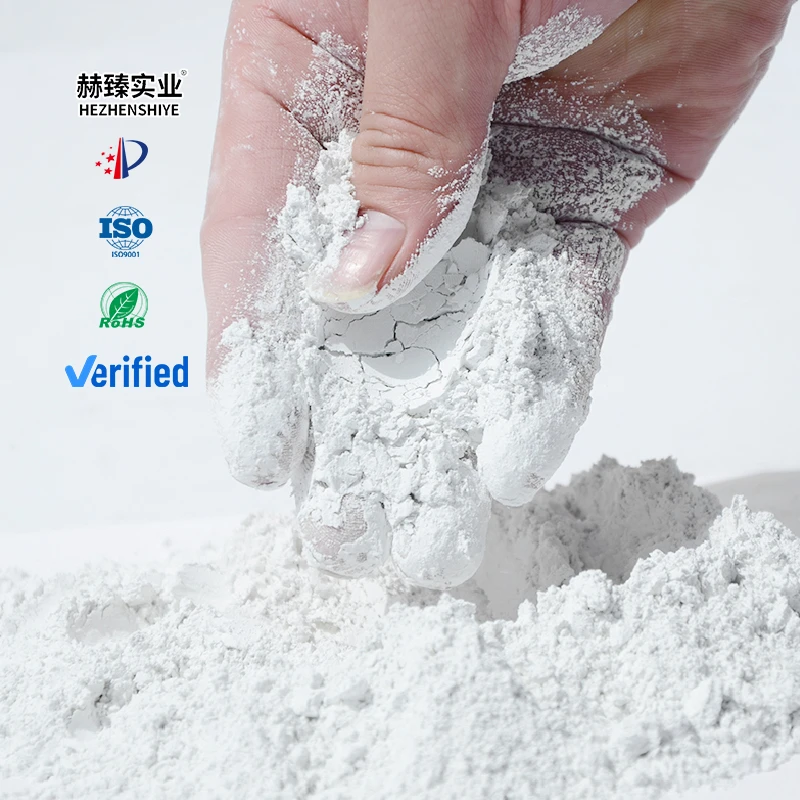
Diatomite powder, a remarkable natural mineral, traces its origins to fossilized diatoms—microscopic algae that thrived in ancient water bodies. These single-celled organisms, which belong to the Bacillariophyceae class, have a unique ability to construct cell walls from silica dioxide. Under an electron microscope, the intricate patterns of diatom frustules resemble miniature sculptures, with some species featuring radial symmetry reminiscent of delicate snowflakes, while others exhibit a pennate structure that looks like tiny boats. This diversity in form is a result of millions of years of evolutionary adaptation to different aquatic ecosystems.
Over the course of millions of years, as these diatoms died, their silica-based frustules— the intricate, glass-like cell walls—gradually accumulated on the seabed and lake bottoms. This slow sedimentation process, influenced by factors such as water currents, temperature, and the presence of other sedimentary materials, led to the formation of diatomite deposits. In some regions, like the diatomite beds of Lompoc, California, geologists have found deposits that span thousands of feet in depth, representing millions of years of continuous sedimentation. These deposits are characterized by their high porosity, low density, and fine particle size, all of which are a direct result of the unique structure of diatom frustules. The porous nature of diatomite allows it to hold up to 80% of its weight in water, a property that makes it invaluable in various industrial applications.
The geological formation of diatomite is a complex process that can be categorized into several stages. Initially, diatoms bloom in aquatic environments under favorable conditions such as abundant sunlight, nutrients, and suitable temperature. During a diatom bloom, the water can turn a milky green or brown due to the sheer number of organisms, an event that can be both a sign of a healthy ecosystem and a potential indicator of nutrient pollution. As they multiply, they sink to the bottom, forming a layer of organic-rich sediment. Over time, the organic matter decomposes, leaving behind the silica-based frustules. Geological forces, including pressure and chemical reactions, then compact and cement these frustules together, transforming them into diatomite rock. This transformation process can be compared to the way carbon atoms under extreme pressure form diamonds, although on a much larger and slower geological scale. When this rock is mined and processed, it is ground into the fine powder that is widely used in various industries, with the architectural coatings and wall paint sectors being notable beneficiaries.
In the realm of architectural coatings and wall paints, diatomite powder serves as a multifaceted enhancer. As a filler material, its ultra-fine particle size—ranging from 1 to 20 microns—allows for seamless integration into paint formulations. Unlike traditional synthetic fillers, which can disrupt the paint's viscosity and application properties, diatomite powder maintains a harmonious balance. The unique shape and surface texture of diatomite particles contribute to this balance. Each particle, with its irregular and porous structure, interlocks with other components in the paint, creating a stable matrix. This interlocking mechanism not only improves the overall consistency of the paint but also affects its rheological properties, allowing for better flow and leveling during application.
It imparts a smooth, creamy consistency to the paint, ensuring effortless application with minimal brush or roller marks. This characteristic is particularly valuable in high-end residential and commercial projects where a flawless finish is paramount. To understand the significance of this, consider a luxury hotel lobby or a high-end art gallery. In such spaces, the walls serve as a backdrop that can either enhance or detract from the overall aesthetic. A paint finish with visible brush strokes or uneven texture can mar the visual appeal, making the space feel less sophisticated. Diatomite-infused paints, on the other hand, provide a velvety smooth surface that elevates the look of any interior, whether it's a minimalist home with clean lines or a contemporary office with a modern design aesthetic.
The aesthetic appeal of diatomite-infused paints is truly distinctive. When dry, these paints yield matte or semi-matte finishes with a subtle depth and texture that transcends the flatness of conventional paints. This tactile quality is a result of the unique structure of diatomite particles. Under a microscope, diatomite reveals a complex network of pores and channels, which scatter light in various directions when the paint dries. This diffused light reflection creates a soft, non-glare surface that adds visual interest to walls, creating a sense of warmth and sophistication in any space. Whether applied in a minimalist home, a contemporary office, or a bustling commercial building, diatomite-based paints elevate the interior design, transforming ordinary walls into works of art. In addition, the texture of diatomite paints can be further customized during the formulation process. By adjusting the ratio of diatomite powder to other components, manufacturers can create a range of textures, from a fine, almost imperceptible grain to a more pronounced, decorative pattern. For instance, a higher proportion of diatomite powder can create a suede-like texture, while a lower ratio might result in a smoother, more satin finish.
Beyond its aesthetic contributions, diatomite powder significantly enhances the durability of architectural coatings. The powder's porous structure acts as a reinforcing network, distributing stress across the paint film and reducing the likelihood of cracking and peeling. When a painted surface is subjected to external forces such as temperature changes, humidity fluctuations, or physical impacts, the diatomite particles within the paint matrix work together to absorb and disperse these forces. This is similar to how the framework of a building distributes the weight and stress of the structure. Additionally, the hardness of diatomite particles provides a degree of scratch resistance, protecting the painted surface from daily wear and tear. In high-traffic areas such as hallways, kitchens, and bathrooms, diatomite-infused paints maintain their integrity and appearance for longer periods, reducing the need for frequent touch-ups and repainting. In a busy household, for example, where children and pets may accidentally bump into walls or furniture may scrape against them, diatomite-based paints can withstand such impacts better than traditional paints, saving homeowners time and money in the long run. Laboratory tests have shown that diatomite-infused paints can withstand up to three times more abrasion compared to conventional paints without significant surface degradation.
One of the most compelling features of diatomite powder in wall paints is its exceptional air-purifying capabilities. The powder's porous structure functions as a molecular sieve, selectively adsorbing volatile organic compounds (VOCs), odors, and moisture from the indoor environment. VOCs, which are emitted by a wide range of household products, including furniture, cleaning agents, and paints themselves, can have detrimental effects on indoor air quality and human health. They are known to cause symptoms such as headaches, dizziness, and respiratory problems, and long-term exposure may even lead to more serious health issues. Diatomite's porous structure has a large surface area, which provides ample space for these harmful molecules to adhere to. Once trapped within the pores, some VOCs can undergo chemical reactions, breaking down into less harmful substances. By trapping these pollutants within its pores, diatomite powder helps to create a healthier living and working environment. Research has indicated that rooms painted with diatomite-infused paints can reduce formaldehyde levels by up to 70% within the first month of application.
Moreover, diatomite powder acts as a natural humidity regulator. In humid conditions, it absorbs excess moisture from the air, preventing the growth of mold and mildew—a common issue in bathrooms, basements, and other damp areas. The porous structure of diatomite allows water molecules to enter and be retained within its channels. Conversely, in dry environments, it releases stored moisture, maintaining a comfortable humidity level and reducing the risk of dry skin, respiratory problems, and static electricity. This dual functionality makes diatomite-infused paints an ideal choice for regions with fluctuating humidity levels or for buildings where indoor air quality is a top priority. In coastal areas, for instance, where high humidity is a constant challenge, diatomite-based paints can help keep walls dry and free from mold. In arid regions, on the other hand, they can add much-needed moisture to the air, improving the comfort of the occupants. In a study conducted in Arizona, homes with diatomite-painted walls reported a 20% decrease in the use of humidifiers during the dry season.
The long-term advantages of using diatomite powder in architectural coatings are equally impressive. Unlike synthetic materials that may degrade over time due to exposure to sunlight, moisture, or chemicals, diatomite powder is inherently stable and resistant to deterioration. Its inert nature ensures that it does not react with other paint components, preserving the color integrity and preventing yellowing or fading. As a result, walls painted with diatomite-based coatings retain their fresh appearance and air-purifying properties for years, providing a lasting investment in both aesthetics and indoor air quality. In fact, studies have shown that diatomite-infused paints can maintain their effectiveness in purifying the air for up to five years or more, depending on the environmental conditions and usage. This longevity makes them a cost-effective choice for building owners and developers, as they reduce the need for frequent repainting and maintenance. In a case study of a commercial building in Japan, diatomite-painted walls remained in pristine condition for over seven years, compared to the average three-year lifespan of conventional paints in similar environments.
Manufacturers have the flexibility to tailor the properties of diatomite powder to meet the specific requirements of different paint products. By adjusting the particle size, surface treatment, and purity of the powder, they can optimize its performance in various paint formulations. Finer grades of diatomite powder are typically used in high-end, smooth-finish paints, where a flawless appearance is crucial. Coarser grades, on the other hand, are well-suited for textured coatings, adding depth and dimension to the painted surface. Surface treatment techniques, such as coating the diatomite particles with certain chemicals, can also enhance its compatibility with different binders in the paint, improving the overall performance of the coating. Additionally, by controlling the purity of the diatomite powder, manufacturers can ensure consistent quality and performance across different batches of paint. Some advanced surface treatments involve applying a thin layer of titanium dioxide to the diatomite particles, which not only improves their dispersion in the paint but also provides an additional layer of UV protection.
The compatibility of diatomite powder with both water-based and solvent-based paint systems further enhances its versatility. It can be easily incorporated into a wide range of paint formulations without compromising the paint's performance or drying characteristics. In water-based paints, diatomite powder disperses evenly, providing excellent suspension and preventing sedimentation. In solvent-based paints, it blends well with the organic solvents and binders, contributing to the paint's hardness and durability. This adaptability makes it a popular choice for manufacturers looking to develop innovative, high-performance paint products that meet the evolving needs of the market. Whether it's a low-VOC, environmentally friendly paint for residential use or a high-performance, industrial-grade coating for commercial buildings, diatomite powder can play a key role in enhancing the product's functionality and appeal. For example, in the development of marine coatings, diatomite powder has been used to improve the anti-fouling properties of the paint, preventing the growth of barnacles and algae on ship hulls.
In an era where sustainability and environmental consciousness are at the forefront of the building industry, diatomite powder stands out as a truly eco-friendly material. Sourced from natural deposits, it is a renewable resource that requires minimal processing. The extraction and processing of diatomite have a relatively low environmental impact compared to the production of synthetic materials. Unlike many synthetic fillers used in paints, which are derived from non-renewable resources and require energy-intensive manufacturing processes, diatomite can be mined and processed with less energy consumption and waste generation. Its use in architectural coatings and wall paints reduces the reliance on synthetic materials, which often have a significant environmental footprint. Additionally, by improving indoor air quality and reducing the need for frequent repainting, diatomite-infused paints contribute to the overall sustainability of buildings, making them more energy-efficient and environmentally friendly. For example, buildings with diatomite-based coatings may require less energy for ventilation and air conditioning, as the air-purifying and humidity-regulating properties of the paint help maintain a comfortable indoor environment. A recent life cycle assessment of a building using diatomite paints showed a 30% reduction in its carbon footprint compared to a similar building using conventional paints over a 20-year period.
As the demand for healthy, sustainable building materials continues to grow, the role of diatomite powder in the architectural coatings and wall paint industries is set to expand. Its unique combination of aesthetic appeal, durability, air-purifying properties, and eco-friendliness makes it an indispensable material for modern construction projects. Whether used in new builds or renovation projects, diatomite-infused paints and coatings offer a practical and innovative solution for creating beautiful, healthy, and sustainable indoor spaces. With ongoing research and development, it is likely that new applications and formulations of diatomite-based paints will emerge, further enhancing their performance and expanding their use in the global construction market. Scientists are currently exploring the potential of using diatomite in combination with nanomaterials to create self-cleaning paint surfaces that can break down organic contaminants when exposed to sunlight, opening up new frontiers in sustainable building technology.