


Film-grade dolomite, paper/paint-grade superfine calcium: what buyers are really asking in 2025
If you work in blown-film extrusion or waterborne coatings, you’ve heard the chatter. Prices wobble, specs tighten, customers expect better optics and smoother runnability. That’s why I spent a week on the floor with converters and paint mixers, looking closely at Dolomite Powder For Plastic Film Blowing And Superfine Calcium Powder For Paper Latex Paint Fireproof Coating.
Industry pulse
Film plants want cost-down without dulling clarity; paint makers want scrub resistance without killing touch. Paper mills? Higher opacity, fewer blade scratches. The surprise, to be honest, is how often a tuned filler beats a resin change. Many customers say a 5–12% formulation shift using Dolomite Powder For Plastic Film Blowing And Superfine Calcium Powder For Paper Latex Paint Fireproof Coating unlocked both stability and savings.
Product snapshot and specs
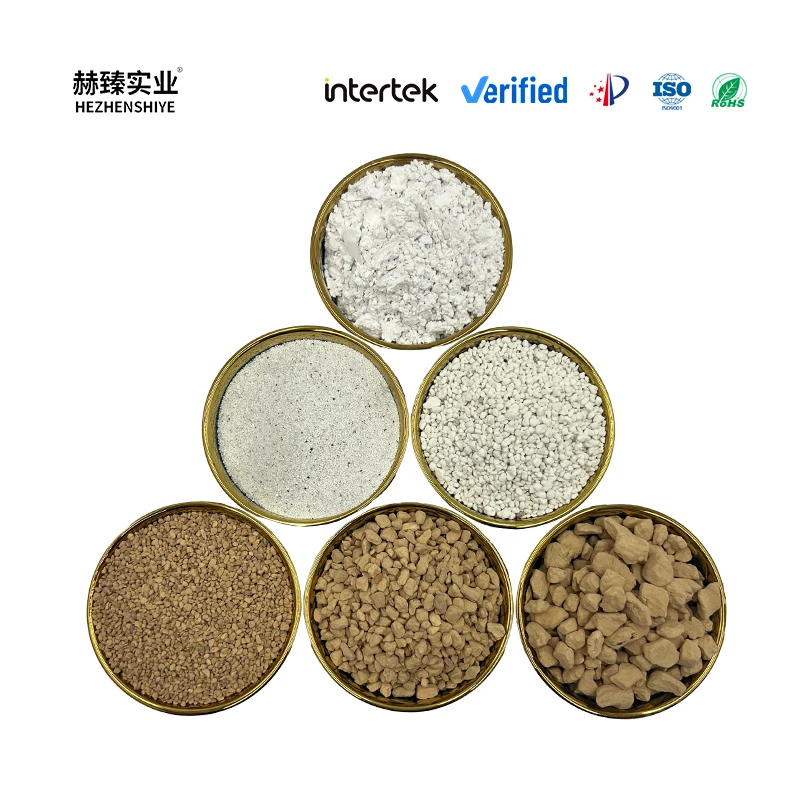
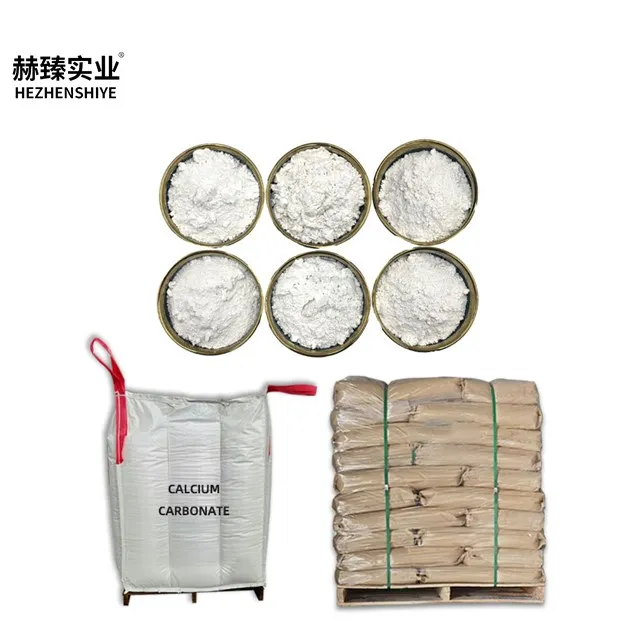
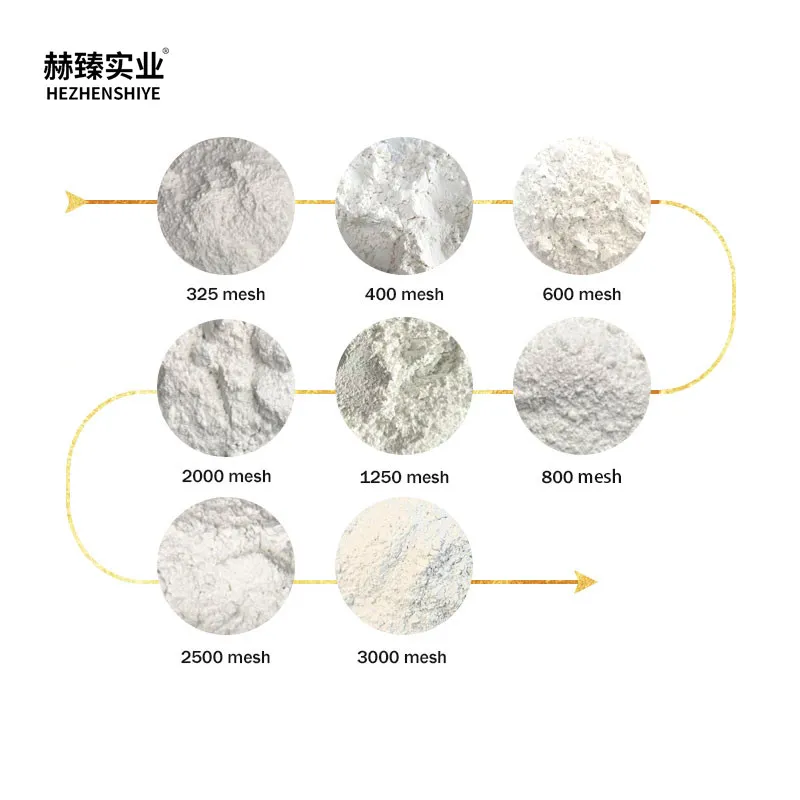
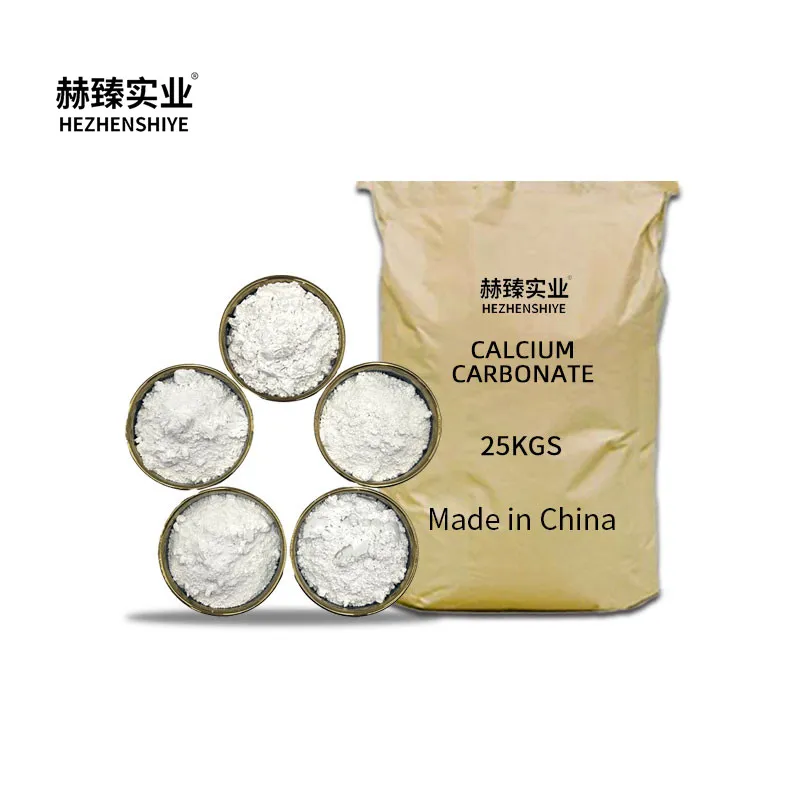
Origin: No. 8 Xisha East Road, Shikan Village, Ciyu Town, Lingshou County, Shijiazhuang City, Hebei Province. The superfine calcium (GCC) boosts opacity/brightness in paper and latex paint, while film-grade dolomite provides stiffness and anti-block without wrecking optics—when PSD is tight and coating is right.
| Parameter | Dolomite (Film Grade) | Superfine Calcium (Paper/Paint) |
|---|---|---|
| Median size D50 | ≈ 2.2 μm | ≈ 1.6 μm |
| Top cut D97 | ≤ 10 μm | ≤ 8 μm |
| Whiteness (ISO 2470/TAPPI) | 94–96% | 95–97% |
| Chemistry | CaMg(CO3)2 ≥ 95% | CaCO3 ≥ 98% |
| Surface treatment | Stearic acid 0.8–1.2% | Untreated or stearated |
| Moisture | ≤ 0.3% | ≤ 0.5% |
Real-world use may vary by resin, binder, and local climate.
Process, testing, and service life
Flow: selective mining → dry crushing → precision jet milling → air classification → optional surface modification → ISO 787 routine tests → bag/bulk pack. Tests reference ISO 3262 (extenders), ISO 787 (moisture, oil absorption, pH), TAPPI T452 (paper brightness), and ASTM D1003 (film haze). On-site data from converters showed ΔHaze ≤ 1.5 and line speed up by ~8–12% with Dolomite Powder For Plastic Film Blowing And Superfine Calcium Powder For Paper Latex Paint Fireproof Coating. In exterior latex, carefully formulated systems reached 5–8 years service life; interior coatings much longer.
Applications and advantages
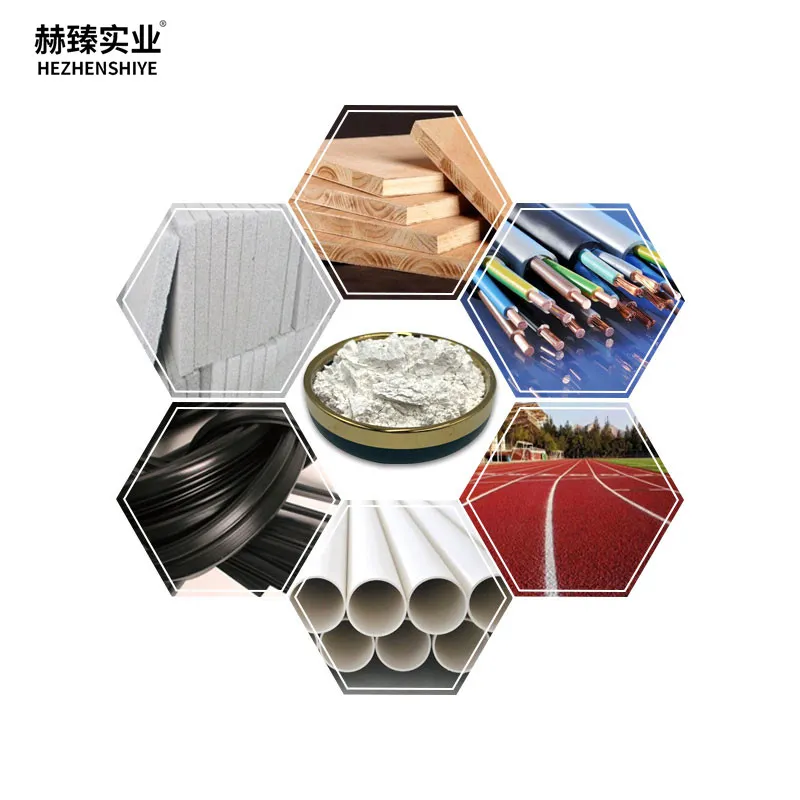
- Blown PE/PP film: balanced antiblock, stiffness, and gauge stability; good bubble stability.
- Paper: improved opacity, smoothness, printability; fewer coating streaks.
- Latex paint: scrub resistance, controlled sheen, better TiO2 spacing (cost-down).
- Fireproof coatings: thermal stability, smoke suppression synergy, consistent rheology.
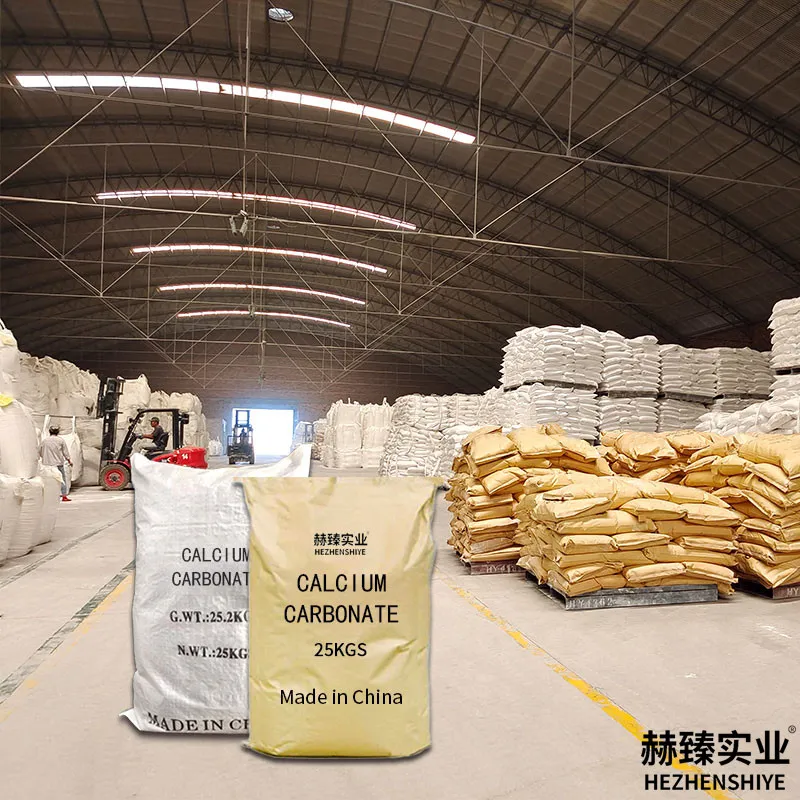
Certifications: typical ISO 9001/14001, RoHS/REACH statements, and MSDS on request. Custom cuts, coating level, and moisture windows are available.
Vendor snapshot (buyers keep asking this)
| Metric | Hezhenshiye (Origin plant) | Vendor A (Low-cost) | Vendor B (Trading) |
|---|---|---|---|
| Whiteness stability | ±0.5% lot-to-lot | ±1.5% approx. | Varies by source |
| D97 consistency | Tight (QC sieve + laser) | Occasional tails | Mixed |
| Customization | PSD, coating, moisture | Limited | Depends on mill |
| Certs | ISO 9001/14001 | Basic COA | Documented on request |
Field notes and quick case studies
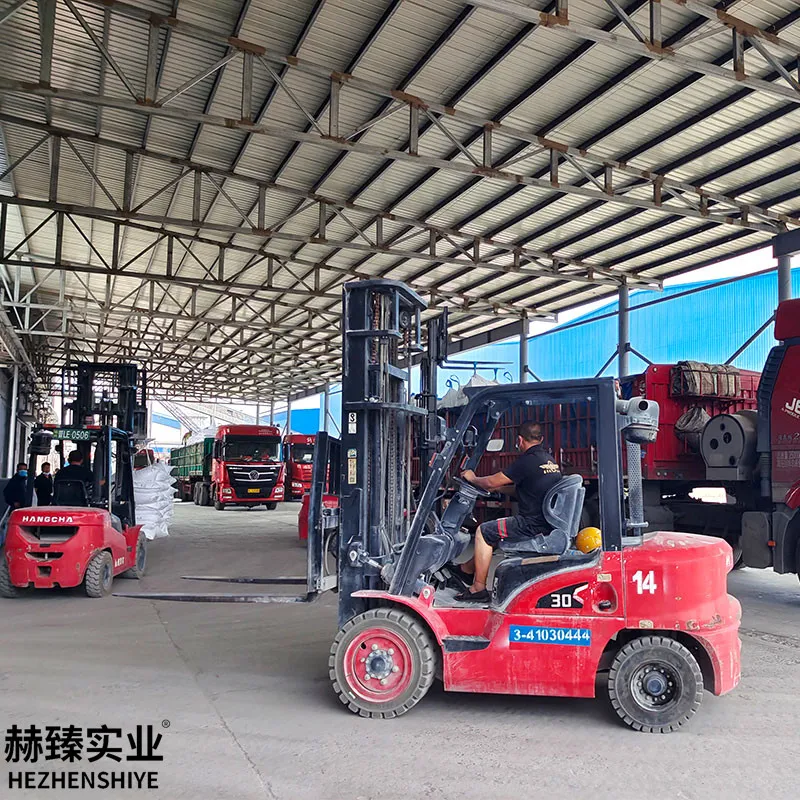
- PE film converter (8 μm bag film): Swapped 3% generic filler for 2.5% Dolomite Powder For Plastic Film Blowing And Superfine Calcium Powder For Paper Latex Paint Fireproof Coating; haze stayed within spec, bubble more stable; resin cost -1.2%.
- Waterborne interior paint: Rebalanced TiO2 down 6% using superfine calcium; ISO scrub cycles ↑ ~9%, touch stayed “clean,” according to customer panels.
- Paper coating line: Blade scratches reduced noticeably; operators reported “smoother lay,” which matches lab rheology.
Authoritative citations
- ISO 787: General methods of test for pigments and extenders.
- ISO 3262: Extenders for paints — Specifications and methods (Calcium carbonate and dolomite).
- TAPPI T 452: Brightness of pulp, paper, and paperboard.
- ASTM D1003: Haze and luminous transmittance of transparent plastics.