

Talc that works hard: high-whiteness filler for plastics, rubber, coatings, ceramics and paper
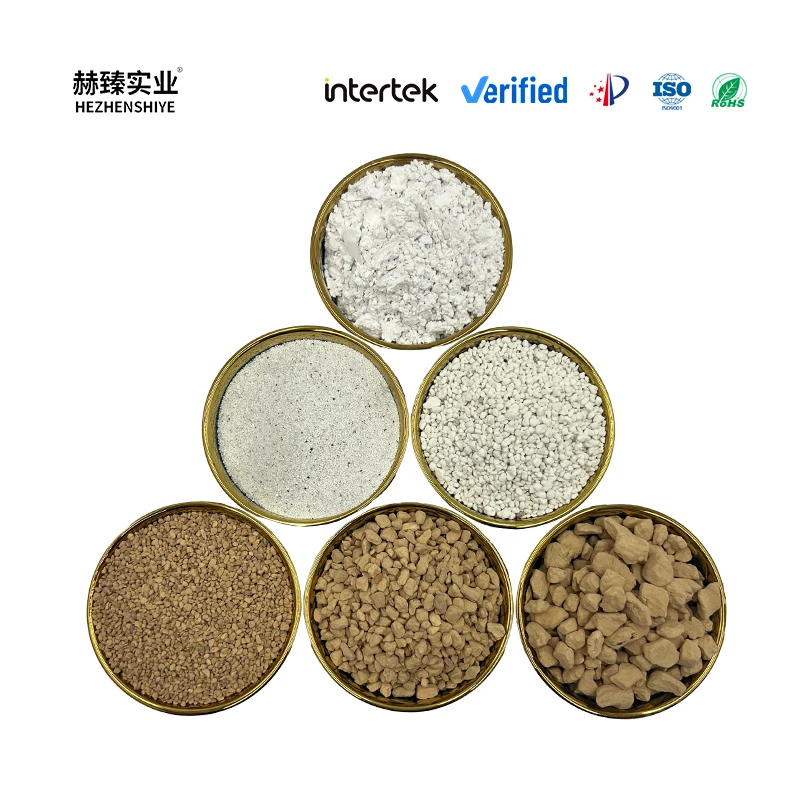
If you work with functional minerals, you already know the difference a consistent talc can make. Hezhen Talc Plastic Filling Rubber Coating Granulate Ceramic Paper High Whiteness comes out of Hebei with that quiet reliability process engineers secretly love—and yes, I’ve seen more than one buyer breathe easier after trialing it in PP and paper coatings.
What’s trending in talc right now
Three themes: ultra-clean mineral supply, finer controlled PSD for thin-wall plastics, and higher ISO brightness for coated paper and architectural paints. Sustainability is nudging everyone toward lower VOC coatings and higher filler loadings without killing rheology. Hezhen’s pitch is straightforward—stable whiteness and surface-treated grades for polymer compatibility—nothing flashy, but it aligns with where the market is going.
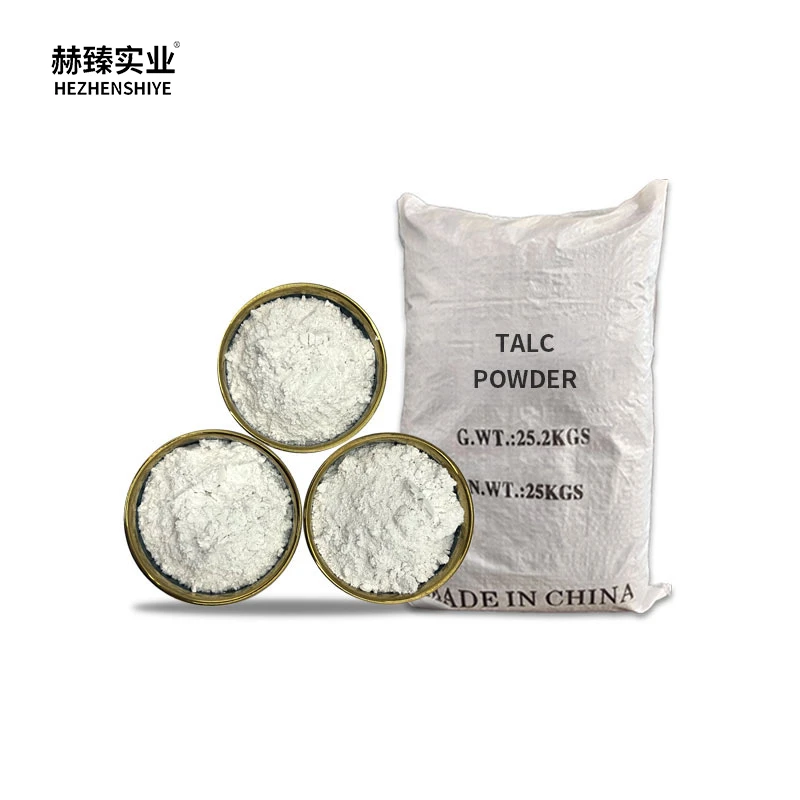
Origin and process flow
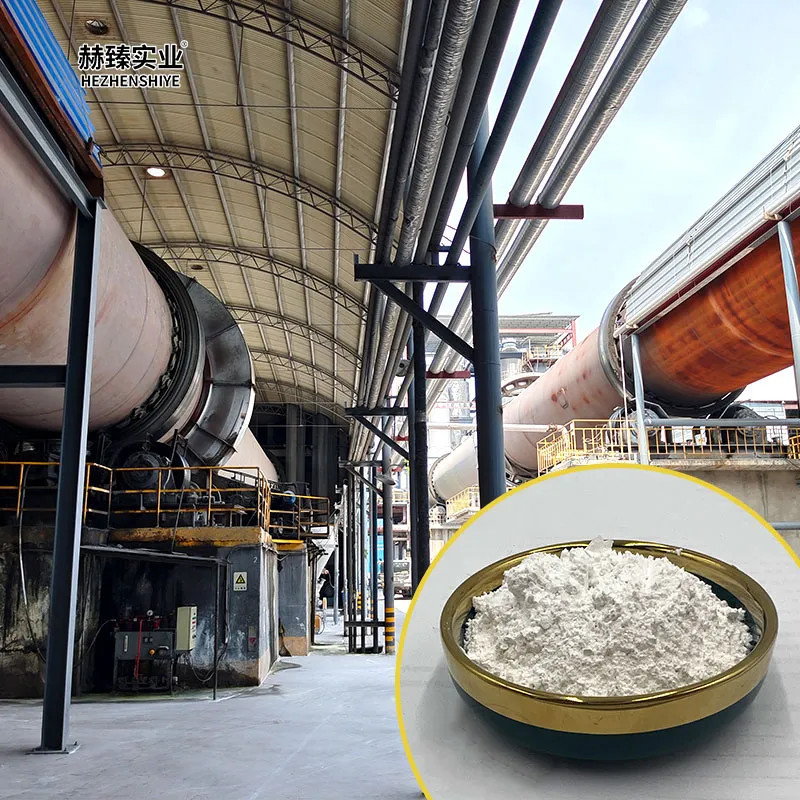
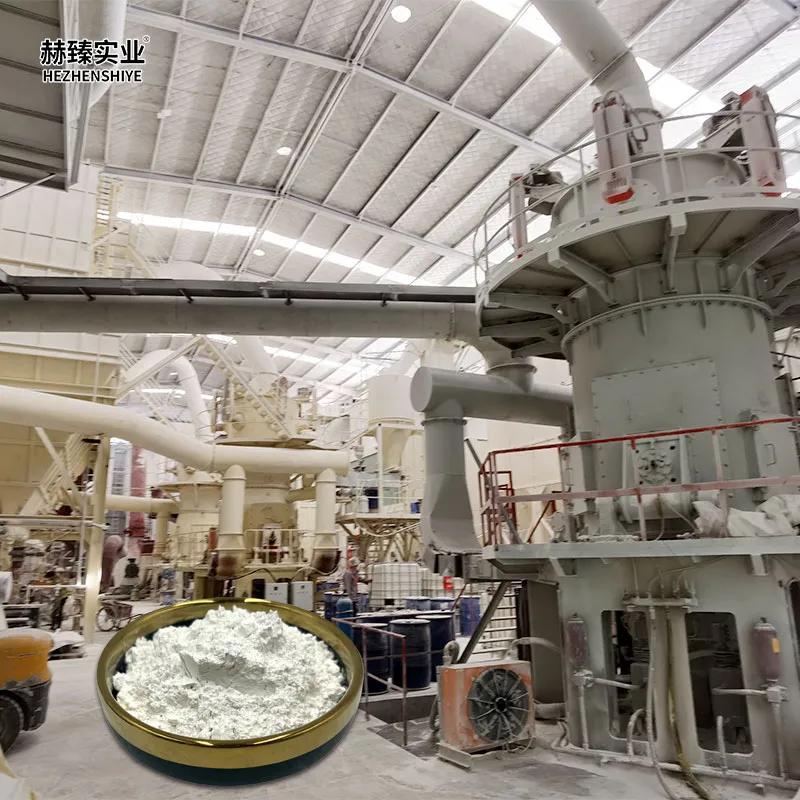
Origin: No. 8 Xisha East Road, Shikan Village, Ciyu Town, Lingshou County, Shijiazhuang City, Hebei Province. The flow is classic but tight: selective mining → beneficiation → magnetic/optical sorting → jet milling → air classification → optional surface treatment (stearic acid/silane) → compounding into granulate → QC release. Testing follows ISO 13320 (laser PSD), ISO 2470-1 (paper brightness), LOI at 1000 °C, moisture (≈ASTM D2216), and heavy metal screening per REACH guidance.
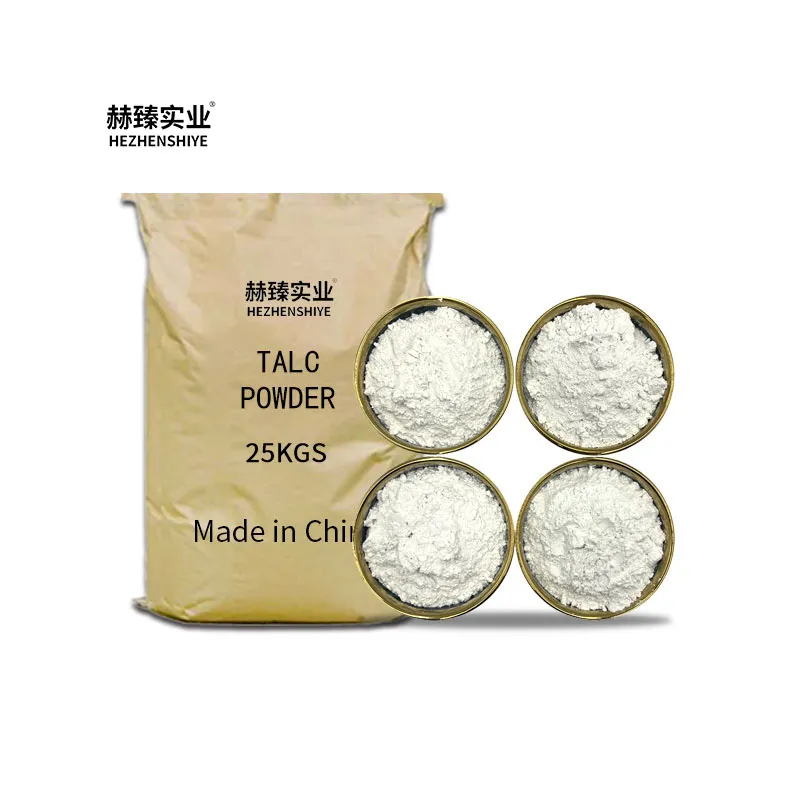
Technical specifications (typical)
| Property | Value (≈, real-world use may vary) |
|---|---|
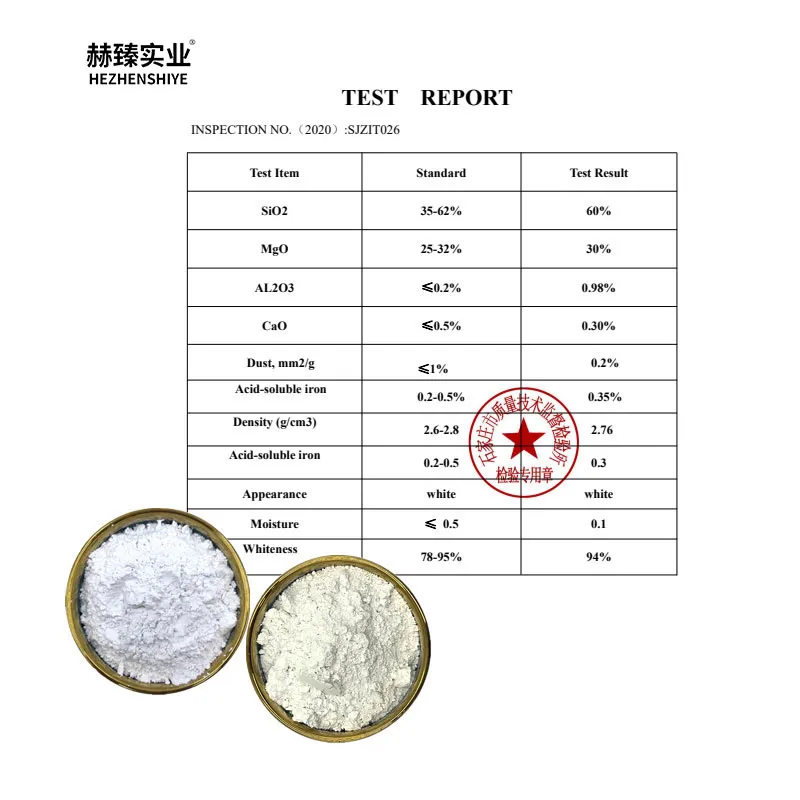
| Whiteness / ISO Brightness | ≥ 92% |
| Particle size (laser PSD) | D50 2–10 μm; D97 ≤ 45 μm |
| Moisture | ≤ 0.5% |
| Chemical (calc.) | SiO2 58–62%, MgO 30–32% |
| Oil absorption | 20–30 g/100g |
| Bulk density | 0.6–0.9 g/cm³ |
| Surface treatment | None / stearate / silane (grade-dependent) |
| Compliance | ISO 3262-10; REACH, RoHS (on request) |
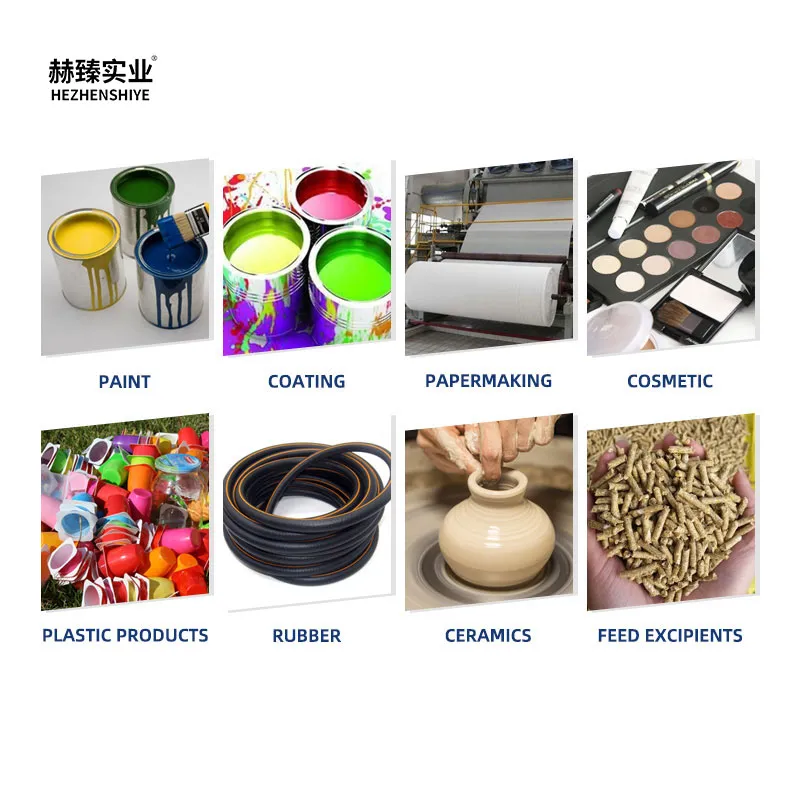
Where it’s used (and why)
- Plastics: PP/PE masterbatch, TPO, PVC—stiffness, dimensional stability, improved HDT, anti-blocking.
- Rubber: NR/SBR/EPDM—green strength, lower compound shrinkage, better extrusion surface.
- Coatings: Architectural and industrial—matting, scrub resistance, sheen control.
- Ceramics: Body whiteness, firing stability.
- Paper: Coating/filling—brightness lift, opacity, smoother calendering.
Many customers say it disperses “without drama” in twin-screw lines. I guess that’s the highest compliment a filler can earn.
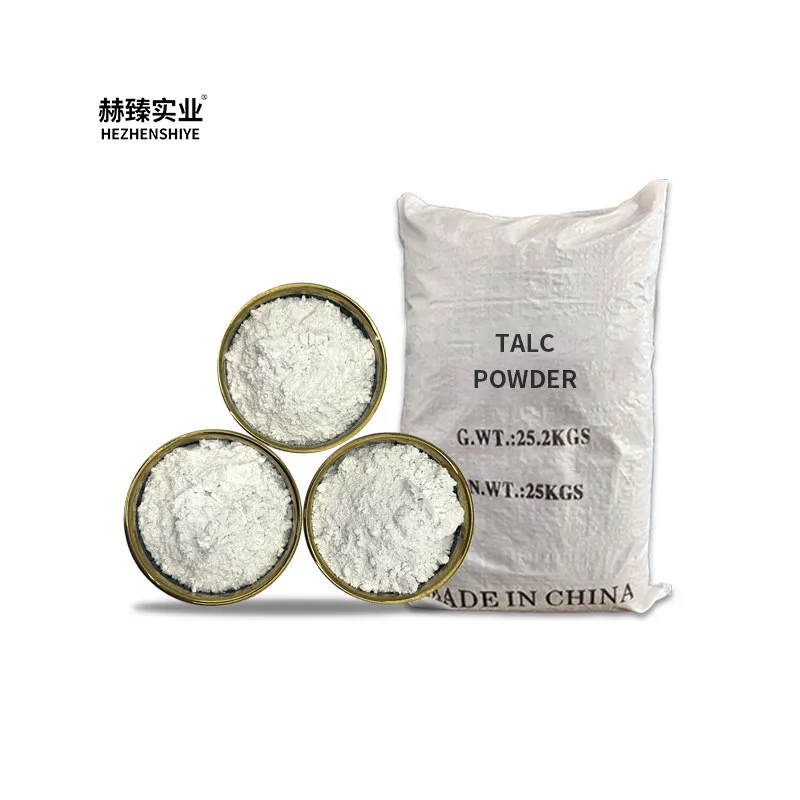
Advantages
High whiteness reduces TiO2 demand, good lamellarity aids barrier and scratch resistance, and surface-treated grades cut compounding torque. Typical service life benefits include reduced warpage in PP parts and better scuff resistance in coatings.
Vendor comparison (quick look)
| Criteria | Hezhen | Regional Trader | Low-cost Mill |
|---|---|---|---|
| Whiteness consistency | High | Medium | Variable |
| Granulate for easy dosing | Yes | Sometimes | No |
| Customization lead time | ≈2–3 weeks | ≈4–6 weeks | Unclear |
| Certs (ISO/REACH) | Available on request | Partial | Rare |
Customization and QA
Custom PSD cuts, surface treatments, and granulate melt carriers (PP, PE) are common requests. Batches are checked for PSD (ISO 13320), brightness (ISO 2470-1), moisture, and sieve residues. Real talk: request a COA and run an A/B trial—most plants report torque drops of 5–10% vs untreated talc at equal loadings.
Case notes from the floor
- Automotive PP interior: 20% talc masterbatch cut warpage by ≈18% and improved scratch rating by one step on a common pencil scale.
- Paperboard mill: swapping in Hezhen Talc Plastic Filling Rubber Coating Granulate Ceramic Paper High Whiteness lifted ISO brightness by ≈1.2 points at similar coat weight.
Feedback? “Surprisingly clean. Less screen plugging,” as one extrusion tech told me over a noisy line.
Buying tips
Specify target D50/D97 and treat level, ask for a retained-sieve curve, and confirm compliance for your end-market. For food-contact or toys, document REACH/RoHS. For coatings, align with ISO 3262-10.
In short, Hezhen Talc Plastic Filling Rubber Coating Granulate Ceramic Paper High Whiteness is a practical, plant-friendly filler—nothing overpromised, and that’s refreshing.
References
- ISO 3262-10: Extenders for paints — Part 10: Talc.
- ISO 13320: Particle size analysis — Laser diffraction methods.
- ISO 2470-1: Paper, board and pulp — Measurement of diffuse blue reflectance factor.
- REACH Regulation (EC) No 1907/2006.
- GB/T 15342: Talc powder for rubber industry (China National Standard).