




Resolving UV Degradation, Color Fading, and Resin Leaching in Exterior Architectural Coatings
In contemporary architectural design and exterior wall engineering, high-performance textured finishes—including real stone paint (真石漆), rock chip paint (岩片漆), and multi-colored architectural coatings—have largely replaced heavy natural stone cladding. However, project developers, coating formulators, and engineering contractors in high-UV and harsh climate zones (such as the Middle East, Southern Europe, Southeast Asia, and North America) face persistent performance failures when utilizing conventional decorative aggregates:
- UV Photo-Oxidation and Premature Chalking: Standard organic-dyed or low-temperature resin-coated sands degrade rapidly under intense solar ultraviolet radiation (). Organic pigment chromophores rupture, causing noticeable fading, discoloration, and chalking within .
- Acid Rain Leaching and Alkali Efflorescence: Ambient atmospheric moisture, acid rain (), and substrate cement alkali attack unsealed pigment interfaces, dissolving soluble binders and leaving unsightly white haze or patchy color streaks across facade surfaces.
- Inconsistent Grain Sphericity and Excessive Resin Consumption: Poorly graded quartz sands with high angularity and excessive micro-dust fraction increase emulsion resin absorption by , driving up raw material costs while degrading coating workability and spray atomization.
hezhensy industrial resolves these engineering challenges through its Engineered High-Temperature Sintered Ceramic Colored Sand series. Manufactured from high-purity crystalline quartz sand () calcined in automated continuous rotary kilns at with inorganic mineral pigments and specialized silicate binders, hezhensy sintered colored sand forms a permanent ceramic-glazed crystalline shell. This microstructural bond provides permanent UV resistance, zero boiling-water color leaching, and a service life exceeding 20 years.
 Ceramic Glaze Sintering Mechanism and Microstructural Integrity
[ hezhensy High-Temperature Rotary Kiln Sintering & Ceramic Glaze Fusion ]

  High-Purity Quartz Base Sand (SiO2 ≥ 99.2%) + Inorganic Pigment Slurry
  ──────────────────────────────────────────────────────────────────────────────
  [ Uniform Pre-Coating & Drying ] ──► [ 700°C–900°C Continuous Rotary Kiln ]
  (Even dispersion of pigment layer)     (Thermal Vitrification & Glaze Fusion)
  ──────────────────────────────────────────────────────────────────────────────
                                        │
             ┌──────────────────────────┴──────────────────────────┐
             ▼                                                     ▼
  [ Vitrified Ceramic Glaze Shell ]                     [ Quartz-Glaze Interfacial Bond ]
  (Hard, non-porous inorganic glaze;                    (Chemical lattice cross-linking;
zero pigment detachment / UV-inert) high mechanical abrasion resistance)- High-Temperature Thermal Vitrification (): Inside the continuous rotary kiln, inorganic metallic oxides (e.g., iron oxides, cobalt aluminate, chromium oxide green, titanium dioxide) fuse with silicate glass fluxes, transforming the outer layer into a dense, vitrified ceramic glaze. The color is permanently locked inside an inorganic vitreous matrix rather than relying on organic polymer chains.
- Covalent Interfacial Fusion with Quartz Lattice: The high thermal energy drives solid-state diffusion between the quartz crystal substrate () and the molten glaze, forming an integrated chemical bond. Even under severe mechanical shearing, grinding, or high-pressure spray application, the colored glaze will not chip, peel, or separate from the quartz core.
- Hydrothermal and Boiling Water Resistance: Unlike low-temperature dyed sands that bleed color when exposed to hot water or chemical solvents, hezhensy sintered ceramic sand undergoes rigorous boiling water extraction tests for with zero color runoff and zero turbidity change.
- Complete Chemical Inertness (): The vitrified outer glaze protects the aggregate against acid rain and alkaline leaching, preventing efflorescence and maintaining full color saturation across coastal, industrial, and desert environments.
Comparative Performance: hezhensy Sintered Sand vs. Conventional Aggregates
Technical Specifications: hezhensy Engineered Sintered Ceramic Sand
hezhensy industrial produces standard and customized sintered ceramic colored sands with precise particle sizing, controlled sphericity, and minimal dust content:
 Architectural Applications & Formulation Guide
[ hezhensy Sintered Ceramic Sand Formulation Architecture ]

  Architectural Exterior Finish Formulations
  │
  ├──► Real Stone Paint (真石漆)             ──► 20–40 mesh + 40–80 mesh blend (Natural Granite Texture)
  ├──► Rock Chip Multi-Color Paint (岩片漆)   ──► 40–80 mesh + Composite Rock Flakes (3D Relief Effect)
  ├──► Colored Asphalt Roofing Granules      ──► 10–20 mesh coarse ceramic granules (UV & Hail Shield)
  └──► Non-Slip Commercial Floorings         ──► 20–40 mesh / 40–80 mesh ceramic screed (Wear-Resistant)
1. High-Durability Natural Real Stone Paint (真石漆)
By blending () and () hezhensy sintered ceramic sand with pure acrylic or silicone-acrylic emulsion, formulators achieve dense aggregate packing with minimal void spaces. The cured film replicates the depth and crystalline sparkle of natural granite stone while eliminating the risk of batch-to-batch color drift.
2. Multi-Colored Rock Chip Paint Systems (岩片漆)
In combination with composite mica/polymer rock chips, sintered ceramic sand provides the base chromatic matrix. The high hardness () of the sintered quartz prevents granule breakage during high-shear pump feeding and pneumatic spray gun application.
3. Colored Asphalt Shingles and Modified Bitumen Membranes
For steep-slope residential roofing, ceramic sintered granules provide a protective barrier over modified bitumen layers. The ceramic glaze reflects UV radiation, prevents asphalt oxidation, and resists hailstone impact, extending roof longevity.
4. Wear-Resistant Commercial Terrazzo and Anti-Slip Landscape Pavements
Applied in polyurethane or epoxy clear binders for public plazas, bike lanes, and commercial atriums, hezhensy sintered sand provides vibrant, non-fading pedestrian pathways with high British Pendulum Number (BPN) wet skid resistance.
Precision Quality Control, Custom Color Matching, and Global Logistics
hezhensy industrial operates an integrated quality assurance framework to ensure reliable batch-to-batch consistency for international coating manufacturers:
- Spectrophotometric Color Matching (RAL & Pantone Systems): Equipped with advanced industrial spectrophotometers, hezhensy matches custom architectural swatches with tight chromatic tolerances (), ensuring color continuity across multi-container project shipments.
- Strict Multi-Stage Dust Extraction: Automated cyclone separators and pulse-jet dust collectors remove sub- fines, ensuring clean aggregate surfaces that bond directly with acrylic emulsions without causing viscosity spikes.
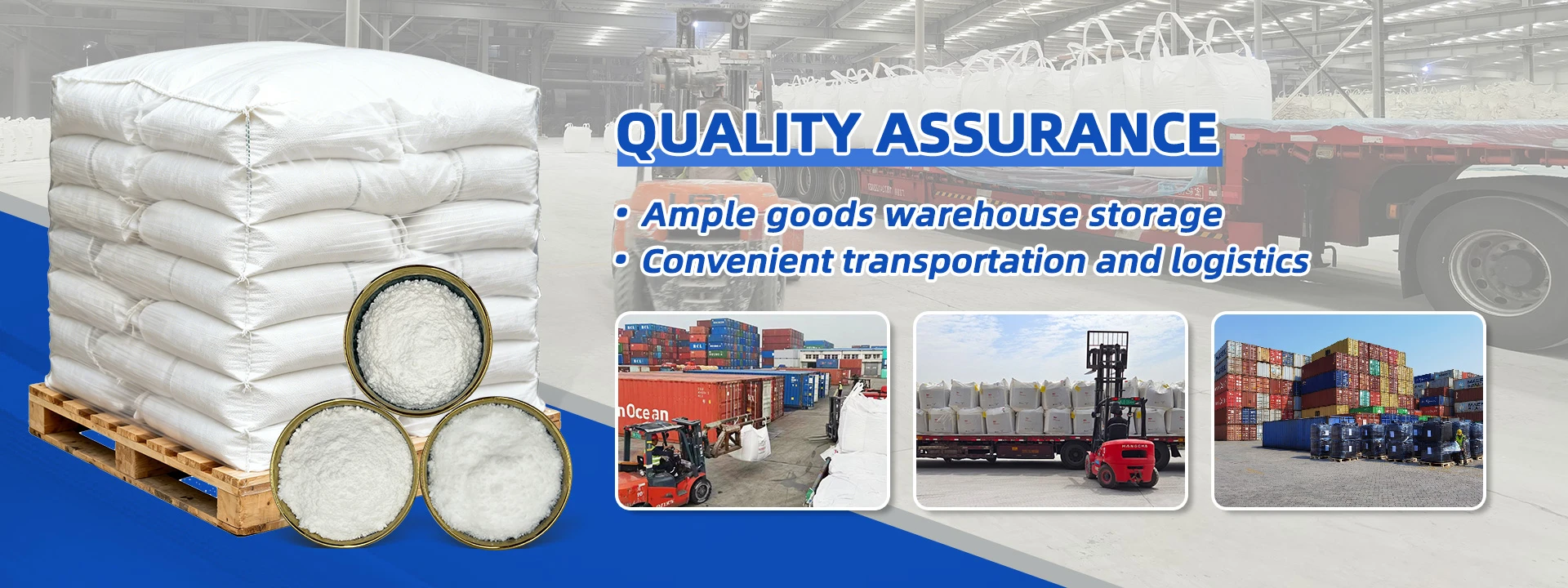
- Export Packaging Configurations:
- Standard Packaging: multi-ply moisture-proof paper bags with internal PE barrier film, shrink-wrapped and corner-protected on fumigated heat-treated wooden pallets ().
- Jumbo Bulk Packaging: and UV-stabilized polypropylene FIBC bulk bags with discharge spouts for automated bulk batching plants.
- Direct Port Logistics: Fast container dispatch from Tianjin and Qingdao ports with full COA, MSDS, and third-party laboratory inspection reports (SGS/TÜV verified).
Collaborate with hezhensy industrial
Elevating exterior architectural coatings requires high-durability, UV-resistant decorative mineral aggregates. hezhensy industrial delivers high-temperature sintered ceramic colored sands engineered to withstand the harshest environmental conditions.
Contact our architectural coatings technical team today to request physical color swatch binders, technical data sheets (TDS), custom sample matching kits, and competitive container-load export quotations.
Disclaimer: Recommended aggregate blending ratios and binder demands vary with emulsion chemistry, rheology modifiers, and spray equipment configurations. Batch-specific color coordinates and physical grading metrics are certified per shipment via our official Certificate of Analysis (COA).


