


A Closer Look at Hezhen Color Sand For Arts And Crafts Sand Painting Hourglass Lacquer Epoxy Floor
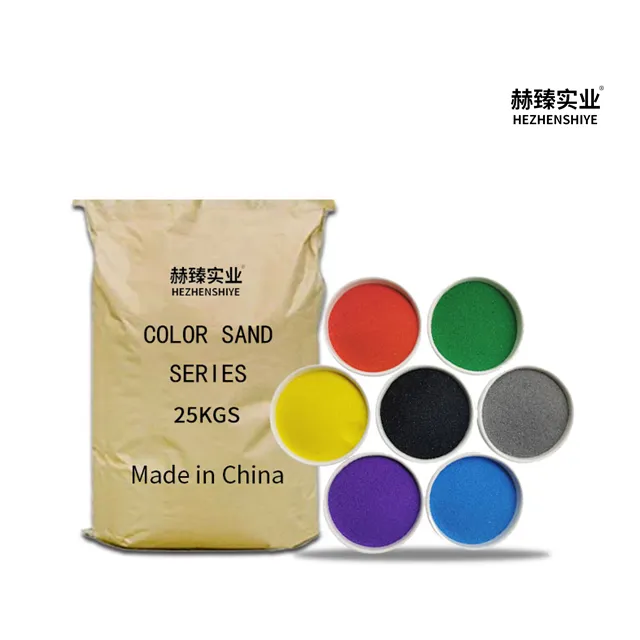
If you spend enough time in studios, maker spaces, or flooring shops (guilty), you’ll notice a quiet revolution: color sand is everywhere. From delicate sand paintings to boutique hotel epoxy floors, it’s the unsung hero adding depth, texture, and frankly, a bit of joy. The Hebei-based line I’ve been testing—Hezhen Color Sand For Arts And Crafts Sand Painting Hourglass Lacquer Epoxy Floor—leans heavily into consistency and colorfastness. That’s the difference between a one-off craft and a reliable, spec-grade material.
Industry trend: from craft corners to commercial floors
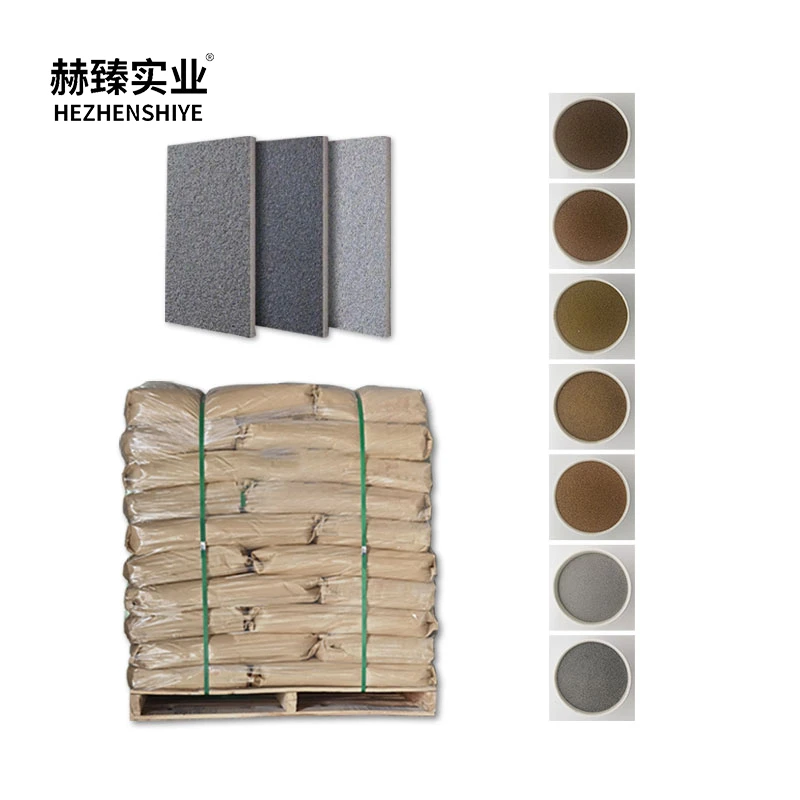
Actually, it’s not just hobbyists. Designers want tactile finishes; facilities managers want durable, non-yellowing aggregates; hourglass makers want flow-true, dust-free grains. The market is moving toward mineral-based, low-VOC, UV-stable pigments paired with tight sieve distributions. It sounds dry, but the payoff is vivid color that lasts and floors that don’t chalk out under sunlight.
Product specs at a glance
| Origin | No. 8 Xisha East Road, Shikan Village, Ciyu Town, Lingshou County, Shijiazhuang City, Hebei Province |
| Base mineral | Washed natural silica sand (SiO₂ ≥ 98% ≈ real-world batches may vary) |
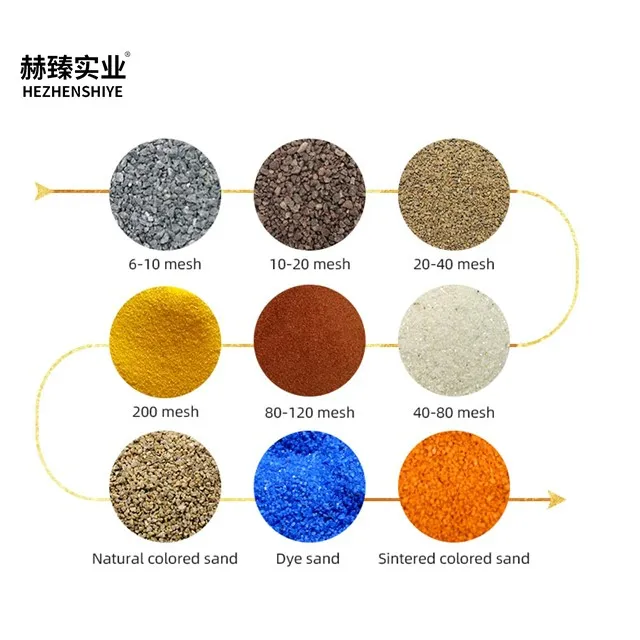
| Particle sizes | 0.1–0.3 mm, 0.3–0.6 mm, 0.6–1.2 mm, custom grading on request |
| Mohs hardness | ≈ 6–7 |
| Colorants | Inorganic pigments + UV-stabilized coating |
| Bulk density | ≈ 1.45–1.65 g/cm³ |
| Moisture | ≤ 0.2% at packing |
| Compliance | ISO 9001 factory, REACH & RoHS statements, MSDS available |
| Service temp | -20 to 70°C (epoxy systems dependent) |
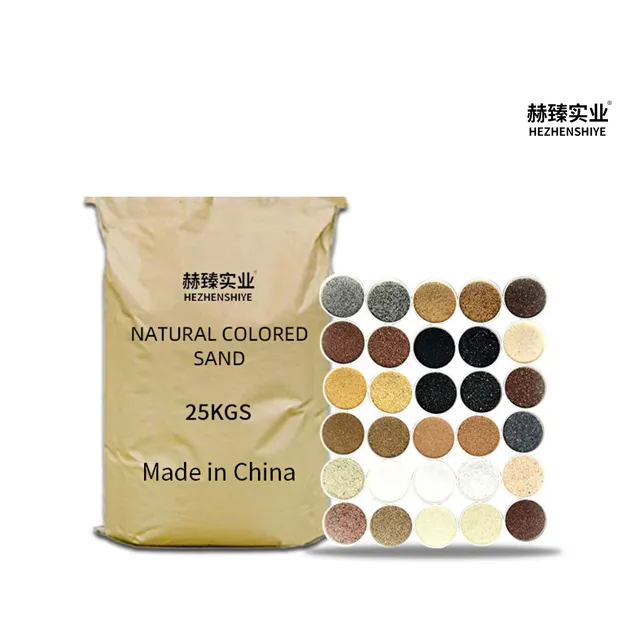
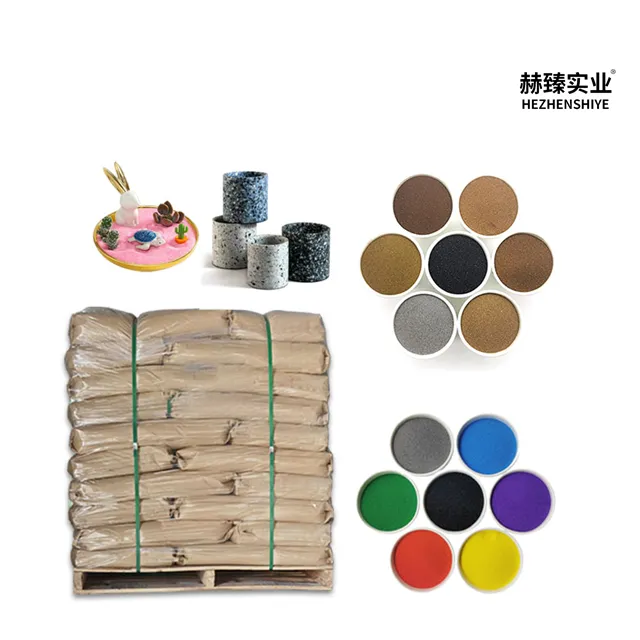
| Packaging | 25 kg bags, 1-ton jumbo, private label optional |
Where it’s used (and why it works)
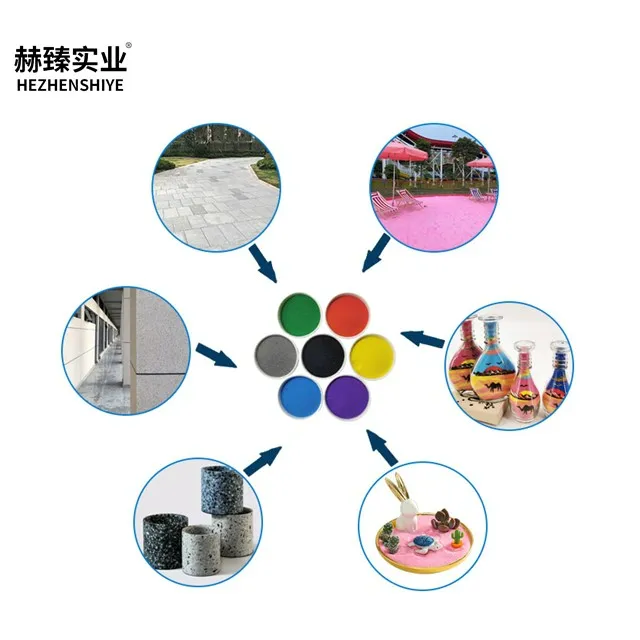
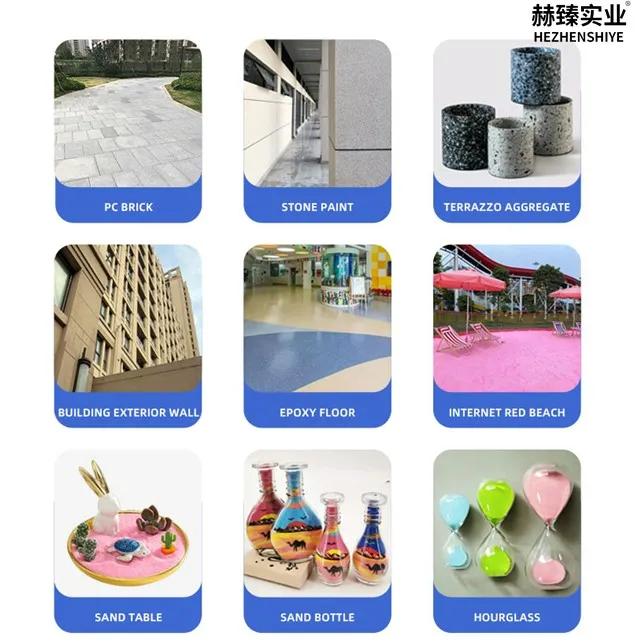
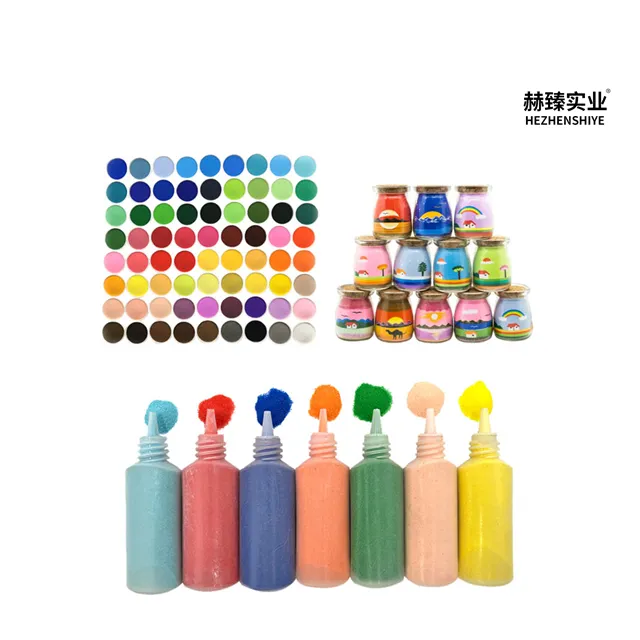
- Sand painting: stable hues, crisp edges, no dusty cast.
- Hourglasses: narrow grading yields consistent flow time; low moisture prevents clumping.
- Lacquer art: fine grain builds subtle gradients without bleeding.
- Epoxy/PU floors: broadcast or full-chip effects; improves traction and scratch camouflage.
- Terrazzo, planters, display windows—anywhere texture meets color.
Process flow and quality checks
- Raw selection: high-purity silica from vetted quarries.
- Washing & drying: multi-stage wash, kiln-dried to target moisture.
- Grading: ASTM C136 sieve analysis for each lot; traceability kept.
- Pigmenting: inorganic pigments bonded; surface coating for UV/chemical resistance.
- Stabilization: gentle tumble cure to reduce fines.
- QC testing: color ΔE via ASTM D2244, UV exposure per ASTM G154, abrasion observation, and moisture checks.
Service life? For indoor art, essentially indefinite. In epoxy floors with UV topcoat, many customers report 8–12 years before refurbish cycles, sometimes longer in low-traffic zones.
Test data and standards
- Color stability: ΔE ≤ 1.0 after 500 h UV (ASTM G154), measured by D2244—typical lot data shows 0.6–0.9.
- Sieve compliance: within ±5% target distribution (ASTM C136).
- Slip resistance in epoxy systems: with matte PU topcoat, BPN ≈ 45–55 (ASTM E303), depending on broadcast rate.
- VOC: zero for sand; system VOC depends on binder (ASTM D3960 reference).
- Lightfastness: ISO 105-A02 ≈ Grade 7–8 for common colors.
Vendor comparison (indicative)
| Vendor | Grading consistency | UV stability | Customization |
|---|---|---|---|
| Hezhen Color Sand For Arts And Crafts Sand Painting Hourglass Lacquer Epoxy Floor | Tight (±5% typical) | High; ΔE ≤ 1.0 (ASTM G154) | Sizes, colors, private label |
| Generic silica supplier A | Moderate | Mixed; organic dyes may fade | Limited |
| Recycled glass aggregate B | Variable shape | Good, but edges sharper | Color range smaller |
Customization and real-world cases
- Boutique hotel lobby, epoxy broadcast: custom teal/graphite blend; BPN 52; color shift ΔE 0.7 at 12 months—no yellowing noted.
- Children’s museum sand mural: fine 0.1–0.3 mm; zero dust complaints; staff liked the resealable packaging.
- Artisanal hourglass studio: 0.3–0.6 mm grade; ±3% flow-time deviation per batch across 50 units—surprisingly consistent.
Many customers say the color palette feels “clean” rather than neon-loud. I guess that’s the inorganic pigments doing their work.
How to use (quick notes)
- Epoxy floors: broadcast at 0.5–1.0 kg/m² onto wet coat; backroll lightly; seal with UV-stable topcoat.
- Hourglasses: oven-dry at 60°C for 2–3 h before assembly; test flow time on 5 samples.
- Sand art: pre-line edges with clear binder; layer by color; tamp gently to prevent mixing.
Maintenance is basic: neutral pH cleaners for floors, dry storage for art and hourglass stock. Expect 8–12 years floor life in commercial interiors with periodic topcoat refresh.
Certifications and documents
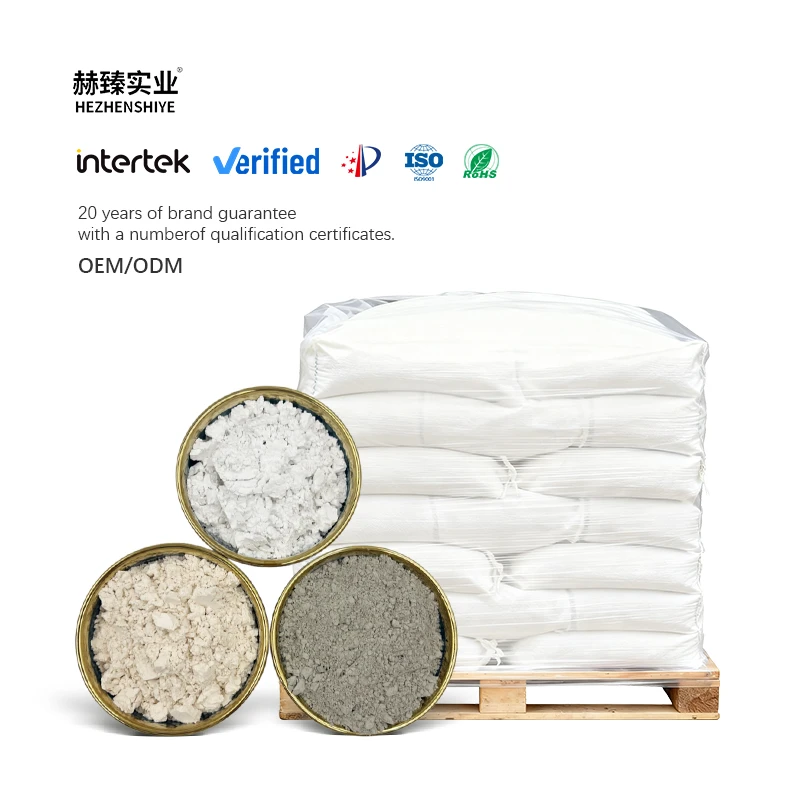
Factory ISO 9001; REACH and RoHS statements; MSDS per color series. Test reports available on request—ask for recent ΔE and sieve charts by lot.
Citations
- ASTM C136/C136M – Sieve Analysis of Fine Aggregate.
- ASTM D2244 – Calculation of Color Tolerances and Color Differences.
- ASTM G154 – UV Exposure of Nonmetallic Materials.
- ISO 105-A02 – Textiles—Tests for color fastness—Grey scale (lightfastness reference).
- ASTM E303 – Measuring Surface Frictional Properties Using the British Pendulum.
- ASTM D3960 – Determining Volatile Organic Compound (VOC) Content of Paints and Coatings.