

Inside the quiet rise of functional minerals in textiles
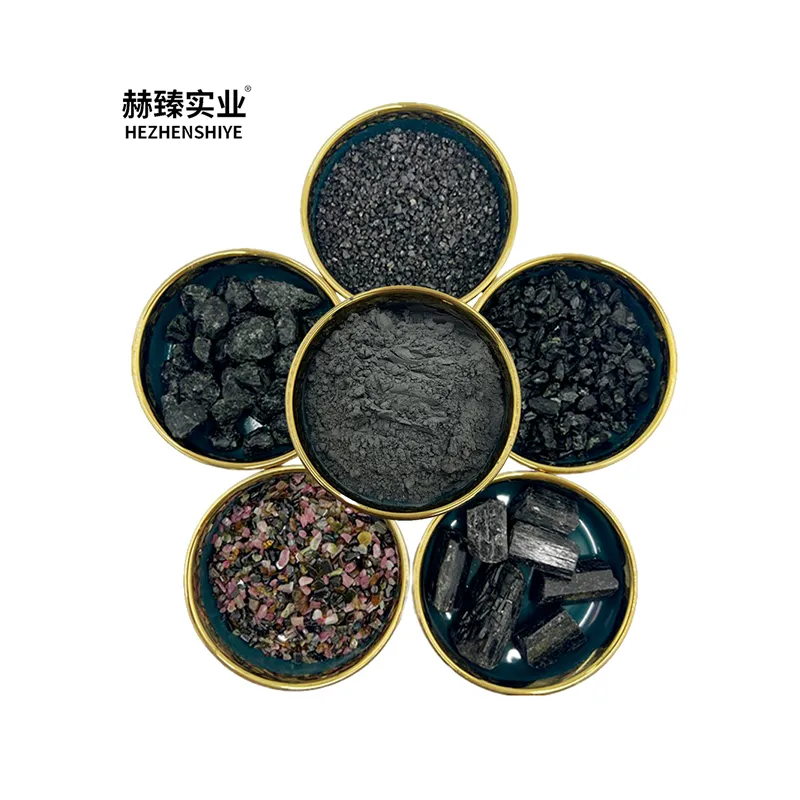
If you’ve been tracking performance fabrics, you’ve probably noticed a subtle but steady shift: mills are blending ceramic-active minerals to add comfort functions without heavy chemistry. Among the more talked-about options is Hezhen Crystal water filtered tourmaline granules white tourmaline tourmaline powder textile. It sounds like a mouthful, I know—but the tech behind it is surprisingly straightforward.
What it is (and why brands care)
Tourmaline is a naturally occurring trigonal crystal with piezoelectric and pyroelectric behavior. In simple terms, under pressure or temperature changes, it can generate surface charge—linked, in real-world fabrics, with far‑infrared (FIR) radiation and mild ionization effects. To be honest, not every claim you see online holds up, but controlled blends can improve perceived warmth, quick-dry feel, and odor management in socks, base layers, bedding, even yoga towels. Many customers say the difference is subtle, yet noticeable after repeated wears.
Origin, materials, and process flow
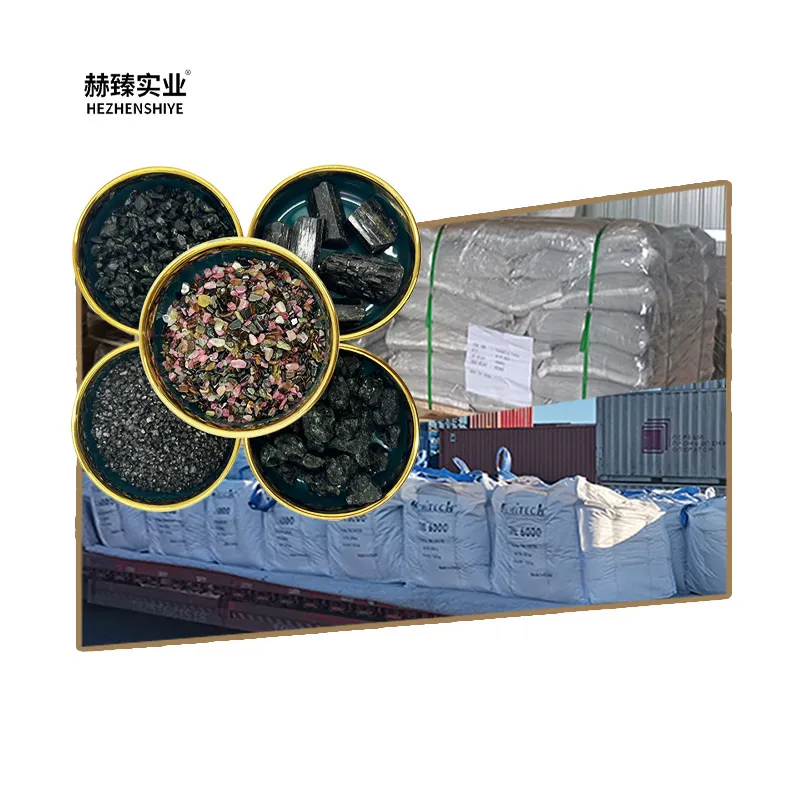
Hezhen Crystal water filtered tourmaline granules white tourmaline tourmaline powder textile is produced in Lingshou County, Hebei (No. 8 Xisha East Road, Shikan Village, Ciyu Town, Shijiazhuang). The plant leans on local deposits and a clean-up line that’s, frankly, more industrial-mineral than “fashion.” In fact, that’s a good thing.
- Raw ore selection → primary crushing → multi-stage crystal water filtration (removes fines/impurities)
- Magnetic separation → grading/classification (granule/powder cuts)
- Surface activation (for dispersion in masterbatch/slurry)
- Low-temp drying → sieving → QC (XRD phase ID, particle-size laser analyzer, ICP-MS heavy metals)
- Packaging with moisture control
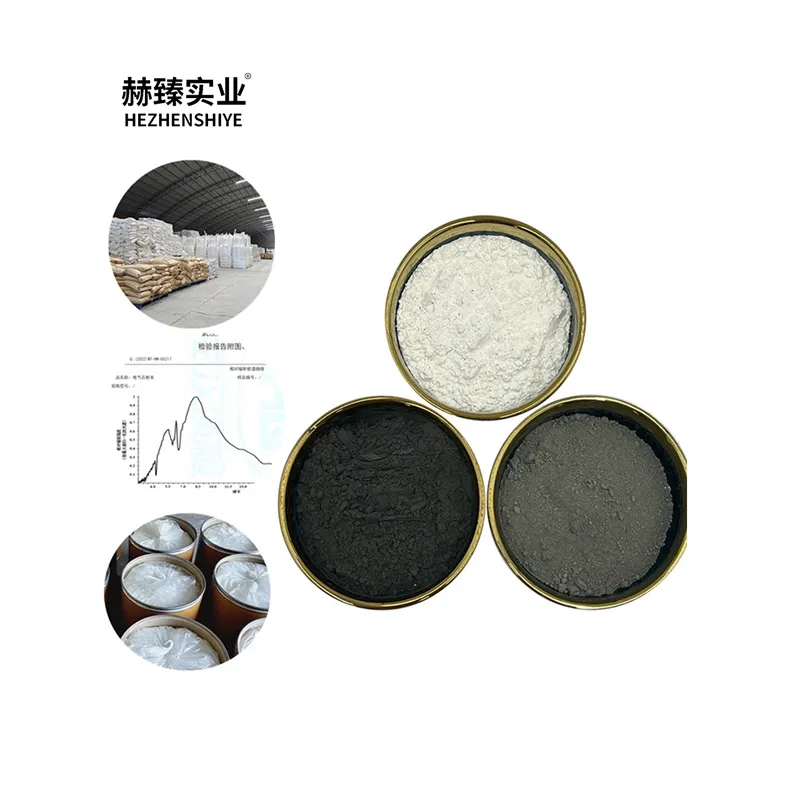
Testing standards referenced: ISO 9001 QMS, GB/T 30127 (FIR textiles eval), ISO 14887 (sample prep for particle-size), and internal ion release screening. Service life: ≈50–100 wash cycles in blended yarns; ≈6–12 months in household water media, depending on quality and load.
Product specifications (key grades)
| Parameter | Spec (≈, real-world use may vary) |
|---|---|
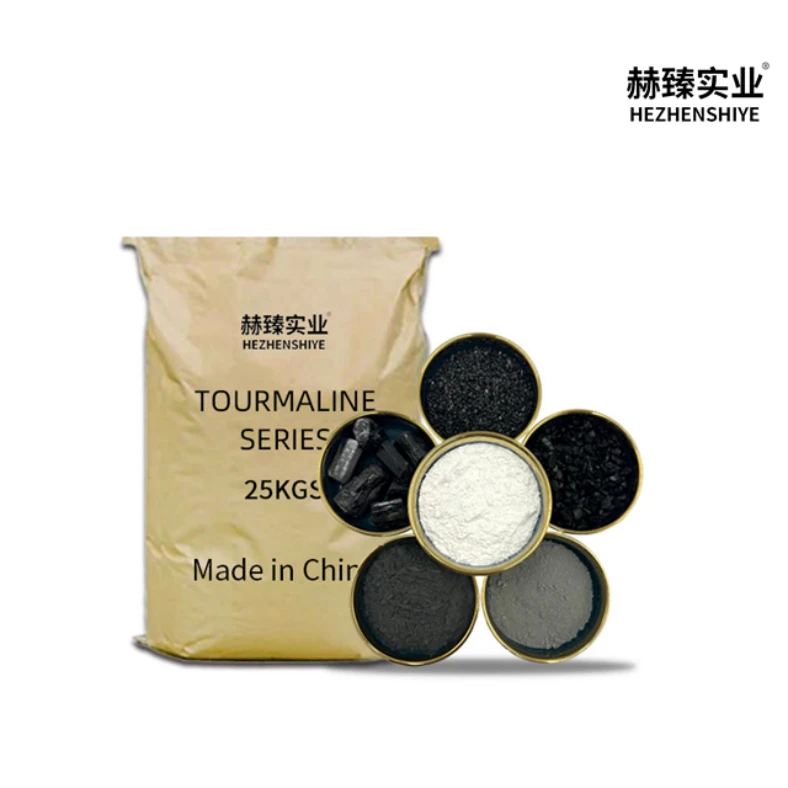
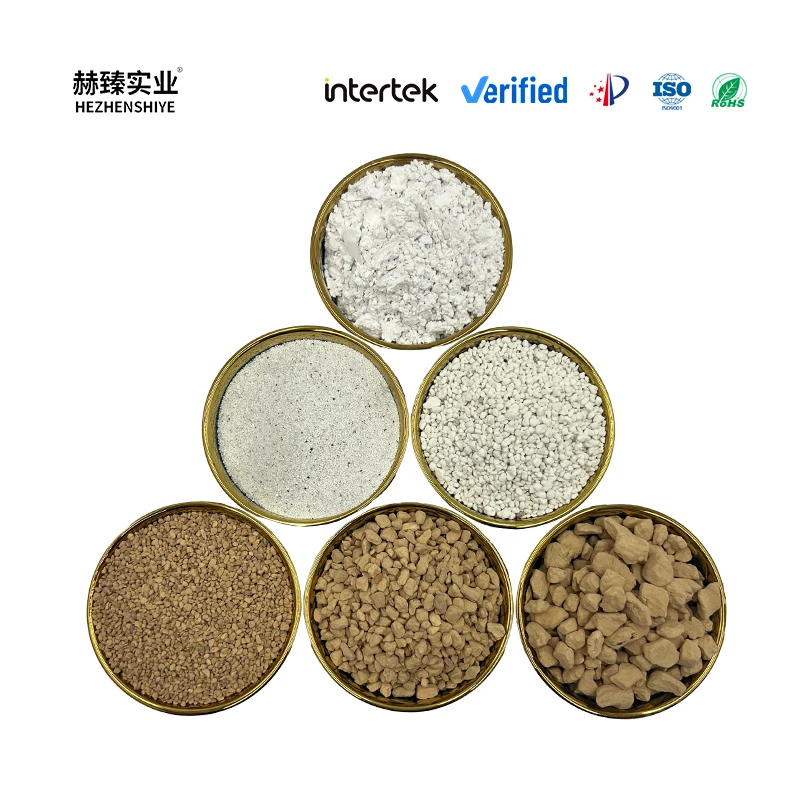
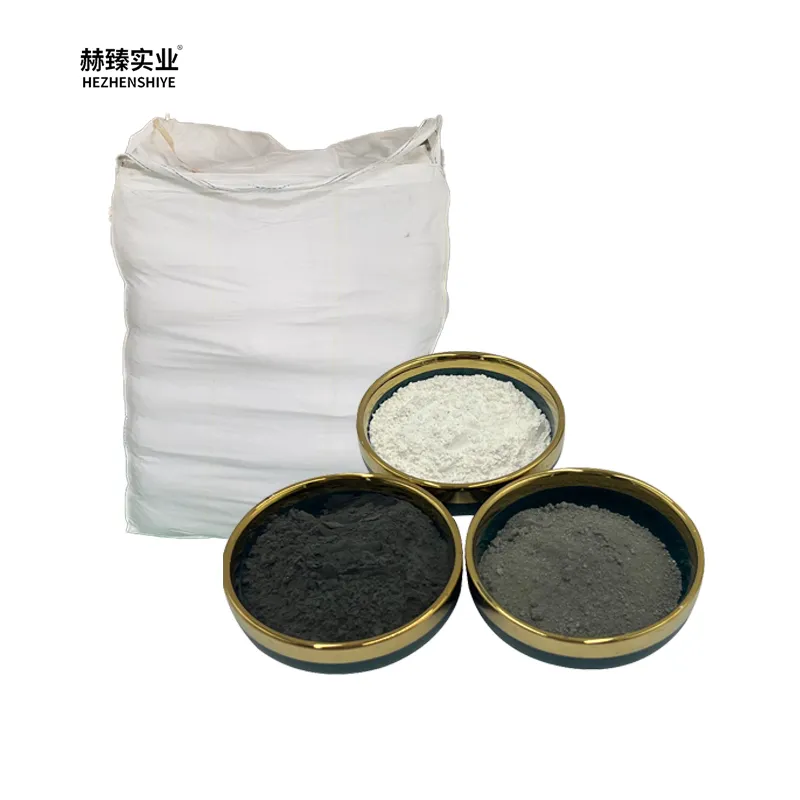
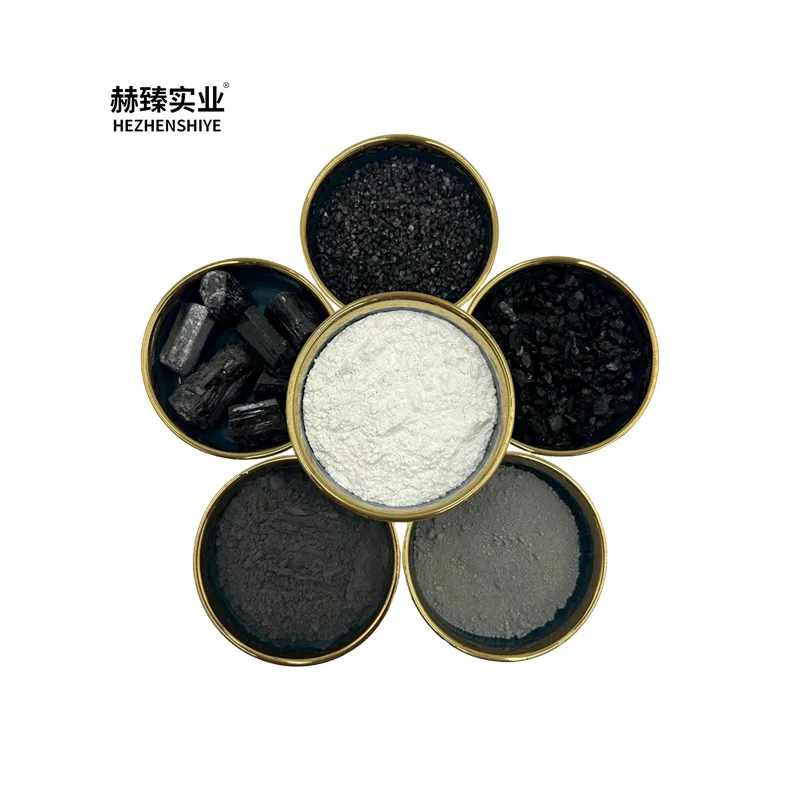
| Appearance | White/grey tourmaline (granules/powder) |
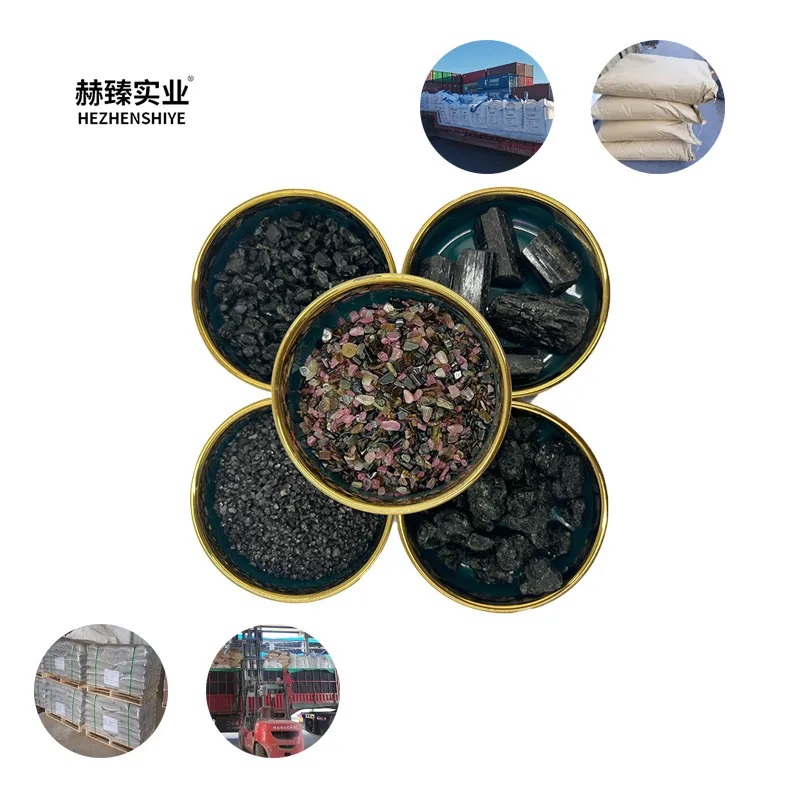
| Particle size | Granules 0.5–2 mm; Powder D50 ≈ 3–10 μm |
| Bulk density | 0.9–1.2 g/cm³ |
| FIR emissivity (8–14 μm) | ≥0.87 @ 37°C |
| Ion release (ambient) | ≈400–1,200 ions/cm³ (humidity-dependent) |
| pH (10% slurry) | 6.5–7.5 |
| Moisture | ≤0.5% |
| Temperature tolerance | Up to 220°C (fiber compounding) |
| Packaging | 25 kg bags; 1,000 kg big-bags |
Applications and integration
- Textiles: PET/PA masterbatch (1–3% loading), viscose slurry add-on, cotton post-finish coating.
- Home: bedding, mattress ticking, towels—where steady FIR warmth is appreciated.
- Sports/outdoor: base layers, socks, liners; many users report reduced odor buildup.
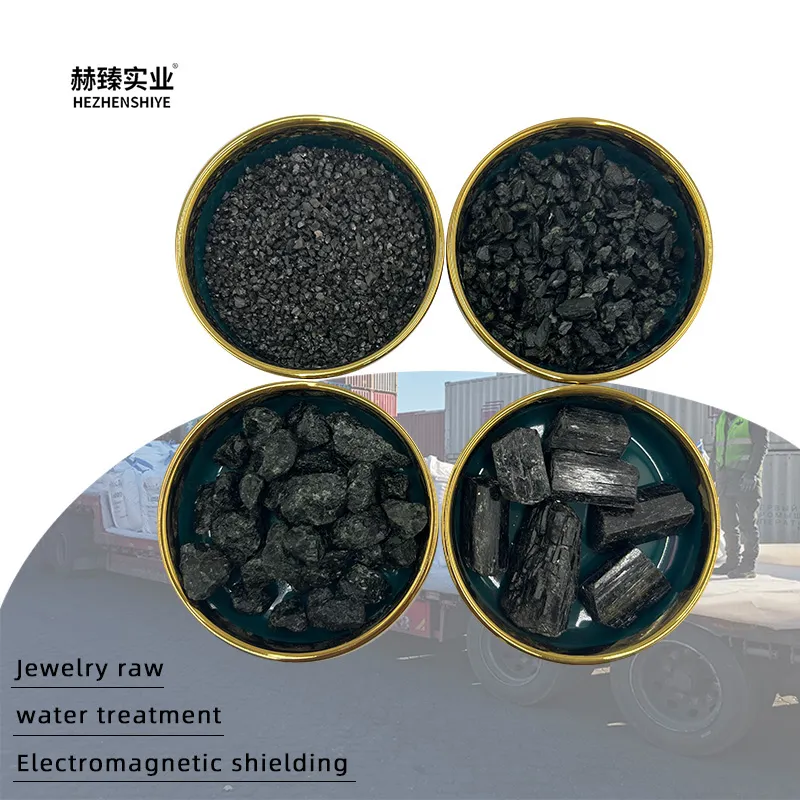
- Water media: granules in multi-layer filter cartridges for taste polishing; however, always test for local compliance.
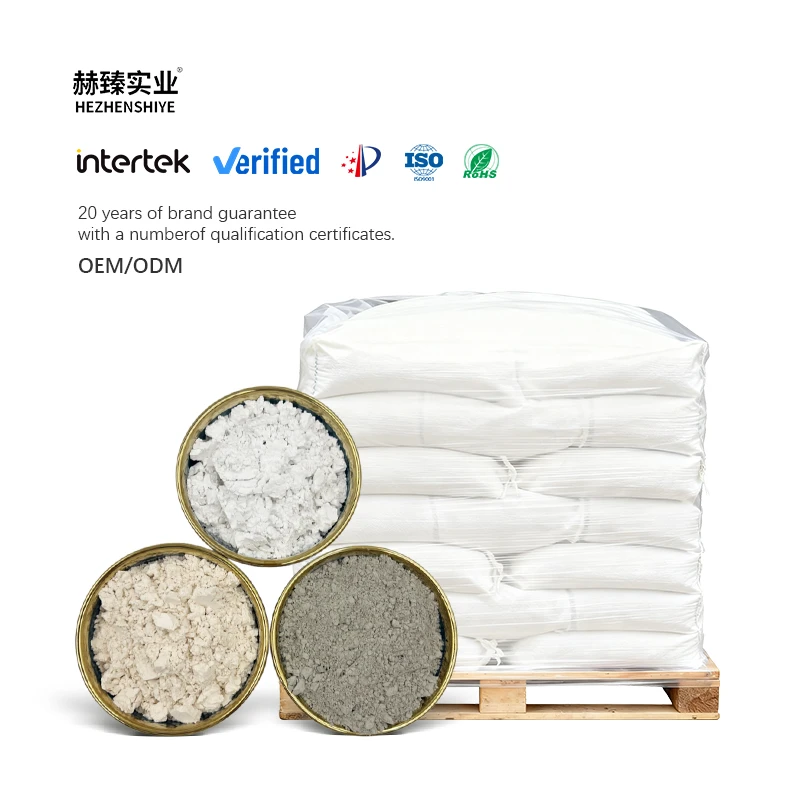
Certifications and compliance (typical): ISO 9001:2015 QMS; REACH SVHC screening; RoHS heavy-metal limits; component-level OEKO‑TEX Standard 100 support when used within approved recipes.
Vendor snapshot: how it stacks up
| Vendor | Purity/Filtration | Particle Control | Certs | Lead Time |
|---|---|---|---|---|
| Hezhen (Hebei) | Crystal water filtration + magnetic separation | Granules/powder, tight D50 cuts | ISO 9001, REACH, RoHS | ≈10–15 days |
| Regional Supplier A | Washed; partial magnetic separation | Broader PSD | Basic COA | ≈15–25 days |
| Generic Import | Unspecified | Variable | Limited | Varies |
Customization, data, and real feedback
Customization options: hydrophilic surface treatment for aqueous coatings; compatibilized grades for PET/PA/PP; tailored D50 (3, 5, 8, 10 μm); granule grades for cartridge systems. Lab data (in-house): FIR emissivity ≥0.87 (8–14 μm), thermal comfort delta ≈0.3–0.6°C in guarded hotplate tests; deodorization index improvement 10–25% vs control after 20 wears. Actually, results vary by fabric construction and humidity.
Customer notes: spinners like 1–2% masterbatch in PET; knitters report stable dyeing when the powder is sub‑10 μm. One sportswear brand told me “less clammy feel on long runs,” which sounds about right.
Standards, compliance, and what to check
- FIR textiles evaluation: GB/T 30127; ceramic emissivity: JIS R 1701‑2 (reference).
- Safety: REACH SVHC screening, RoHS for Pb/Cd/Hg/Cr(VI).
- Textile durability: ISO 105-C06 washing; AATCC 135 dimensional change.
- Water media: verify local drinking water regulations before consumer claims.
Final note: Hezhen Crystal water filtered tourmaline granules white tourmaline tourmaline powder textile won’t replace good fabric engineering, but as an additive, it’s a tidy lever—small percentage, tangible feel gains, minimal processing changes.
Citations
- GB/T 30127-2013: Textiles—Testing and evaluation for far infrared performance.
- ISO 9001:2015 Quality management systems—Requirements.
- JIS R 1701-2: Methods for measurement of infrared emissivity of ceramic materials.
- REACH Regulation (EC) No 1907/2006 and ECHA SVHC guidance.
- OEKO-TEX Standard 100—Annexes for component materials (latest version).
- Sun, Y. et al., Piezoelectric and pyroelectric characteristics of tourmaline and their applications. Materials Letters, peer-reviewed overview.