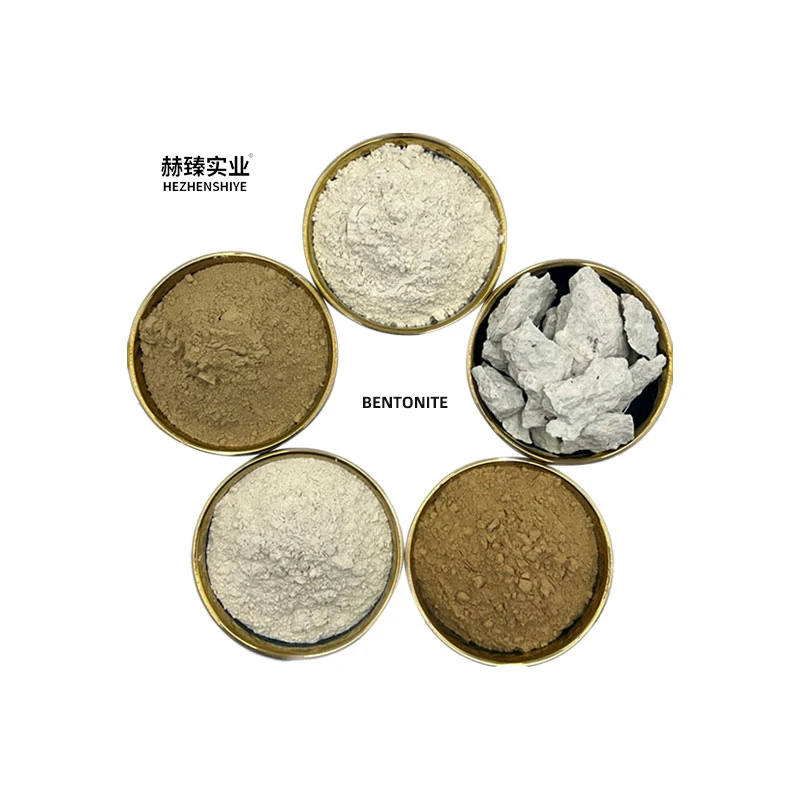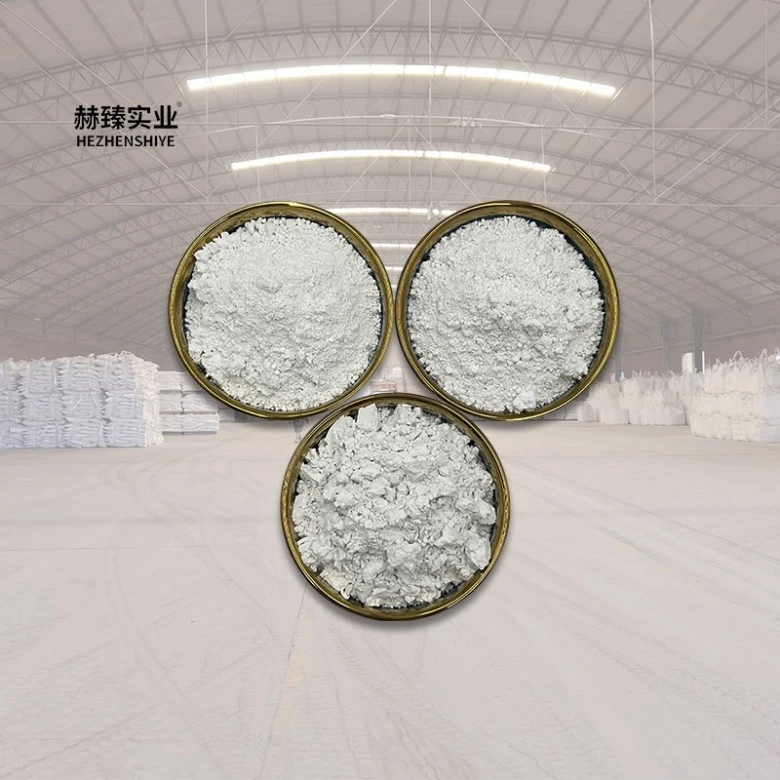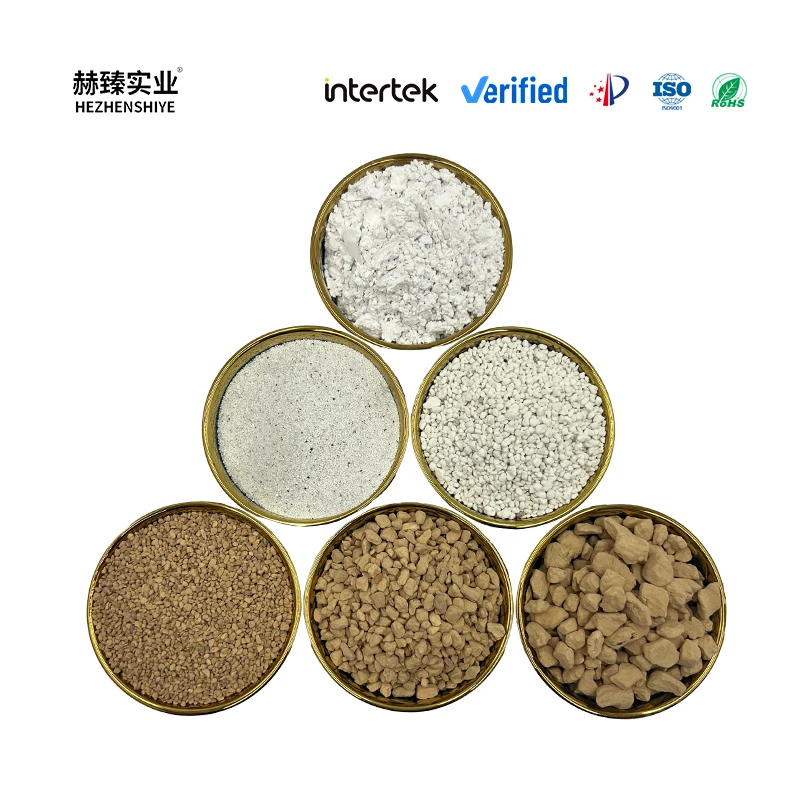


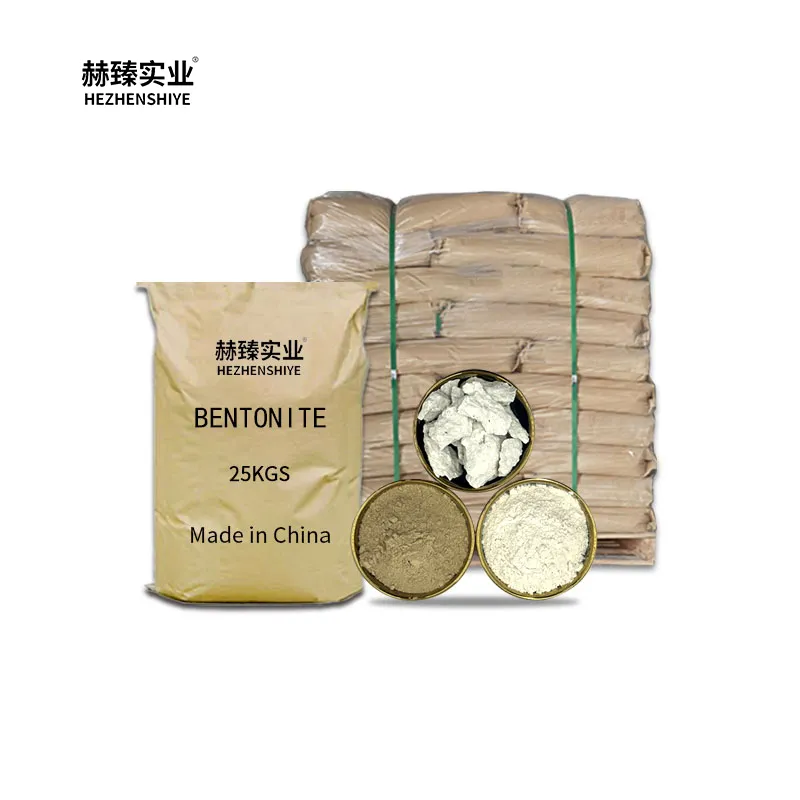
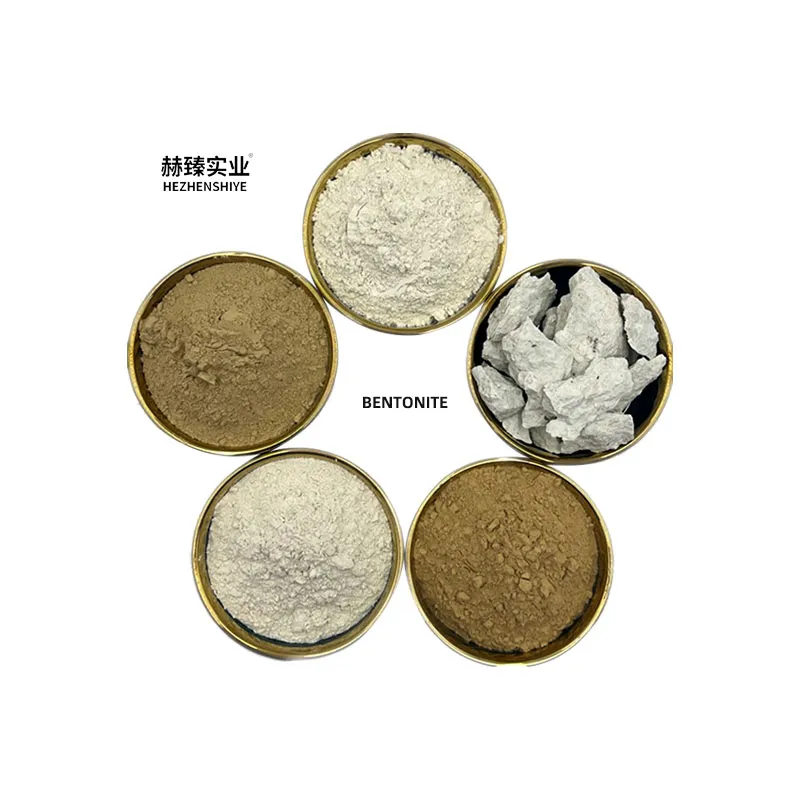
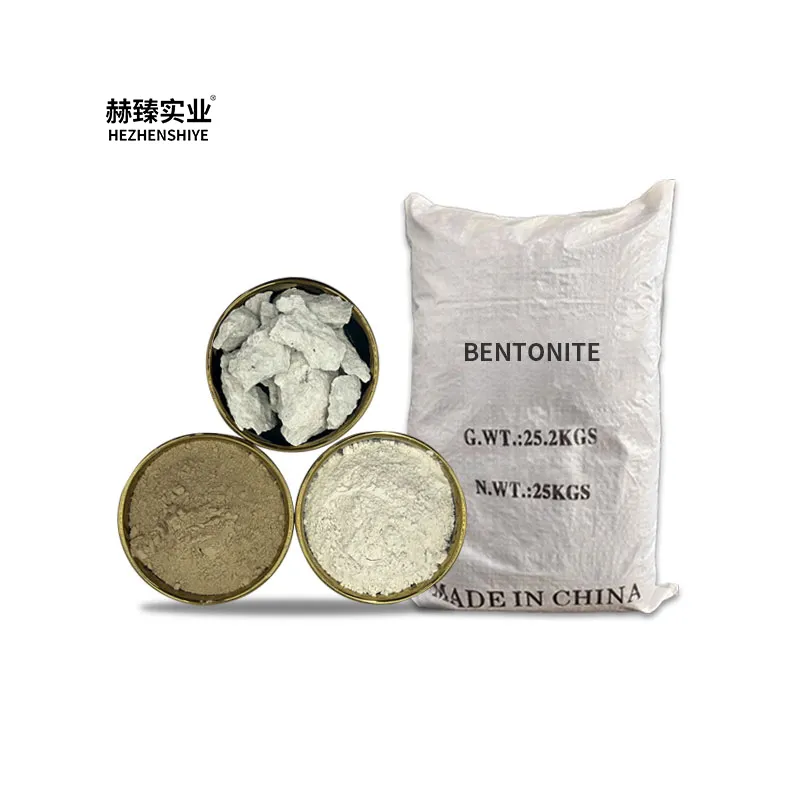
In drilling, speed is sexy but stability pays the bills. That’s why crews keep asking about Hezhen Drilling mud Naki bentonite 325 mesh 25kg/ bag pulping rate ≥16m³/t without pre-hydration. It’s a sodium-activated, fine 325-mesh powder that reaches target viscosity fast—no pre-hydration ritual, no wasted rig time. Honestly, that single detail changes the shift math on busy HDD and water-well programs.
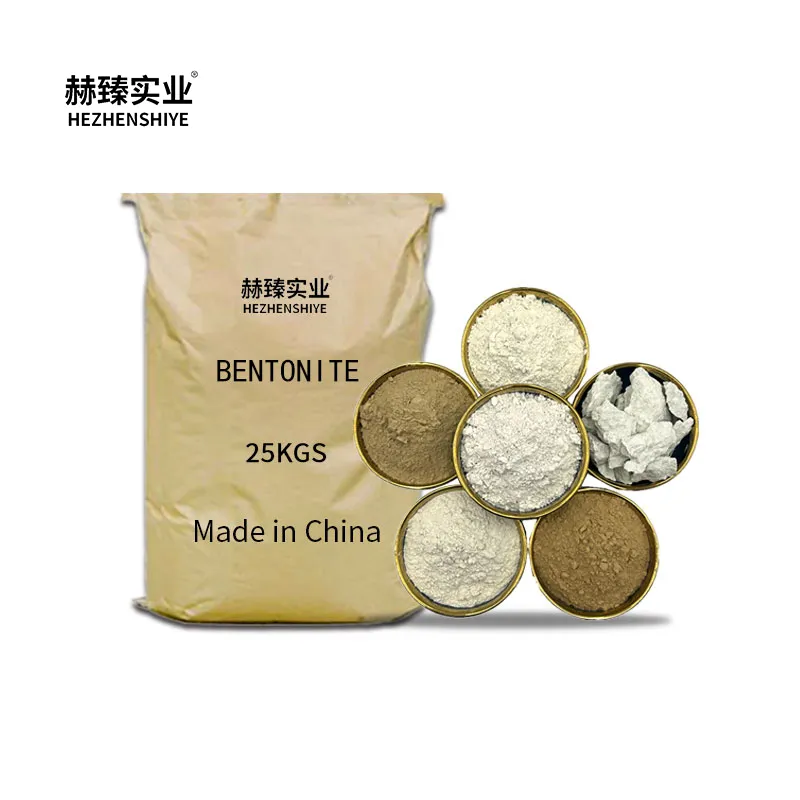
What it is, and why rigs care
The appeal is simple: a reliable pulping rate ≥16 m³/t in real-world water, with quick gel strength and controlled filtrate loss. On crowded sites—city crossings, geothermal clusters, even quarry dewatering—this means crews can mix, pump, and cut sooner. Many customers say it’s “plug-and-play”; I’d say it’s more “pour-and-stir,” but you get the idea.
| Parameter | Typical/Spec | Test method |
|---|---|---|
| Mesh size | 325 mesh | Sieve analysis |
| Pulping rate (yield) | ≥16 m³/t | API Spec 13A |
| Marsh funnel viscosity | ≈45–55 s/qt (22°C) | API RP 13B-1 |
| API fluid loss | ≤15 mL | API RP 13B-1 |
| Moisture | ≤12% | Oven-dry |
| pH (4% slurry) | ≈9–10 | API RP 13B-1 |
Process flow and field method (no pre-hydration needed)
- Materials: fresh or low-salinity water, Hezhen Drilling mud Naki bentonite 325 mesh 25kg/ bag pulping rate ≥16m³/t without pre-hydration, optional PAC/CMC.
- Dosage: 18–25 kg per m³ water for base hole-cleaning mud; adjust for geology.
- Method: start agitators, create a vortex, sprinkle powder steadily into hopper; high shear 10–15 min.
- Conditioning: workable in ≈10–20 min; full properties within 30–40 min depending on water temp.
- Testing: Marsh funnel, mud balance, API fluid loss; document per API RP 13B-1.
- Service life: mud can be rejuvenated 3–5 cycles with dilution/solids control; product shelf life ≈24 months in dry storage.
Where it shines
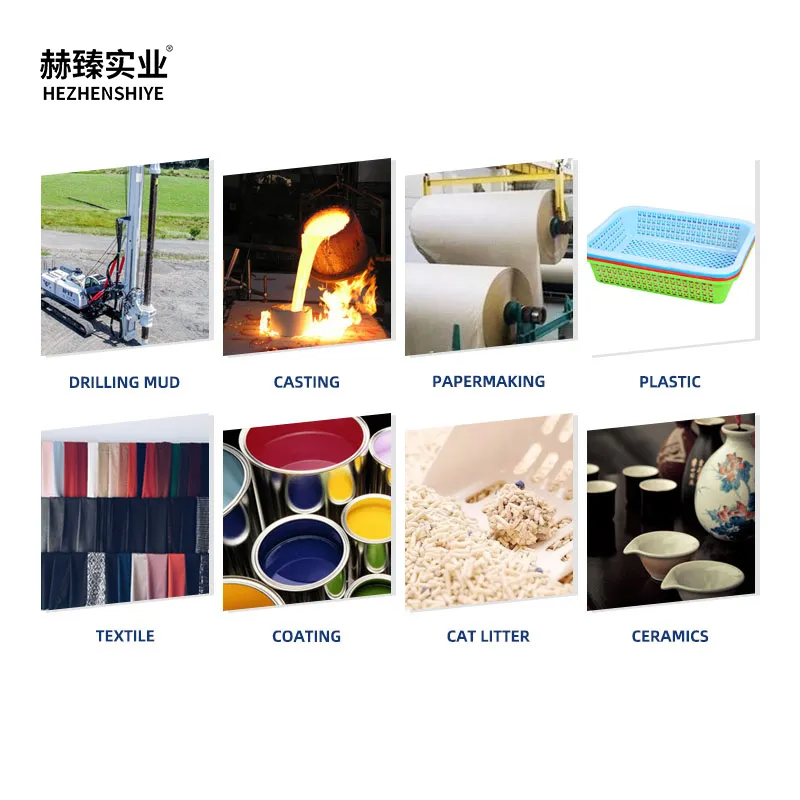
HDD, water-well, geothermal, coring, microtunneling, and civil trenchless. In fact, crews dealing with coarse sands and fractured gravels tell us the fast gel development is a quiet lifesaver.
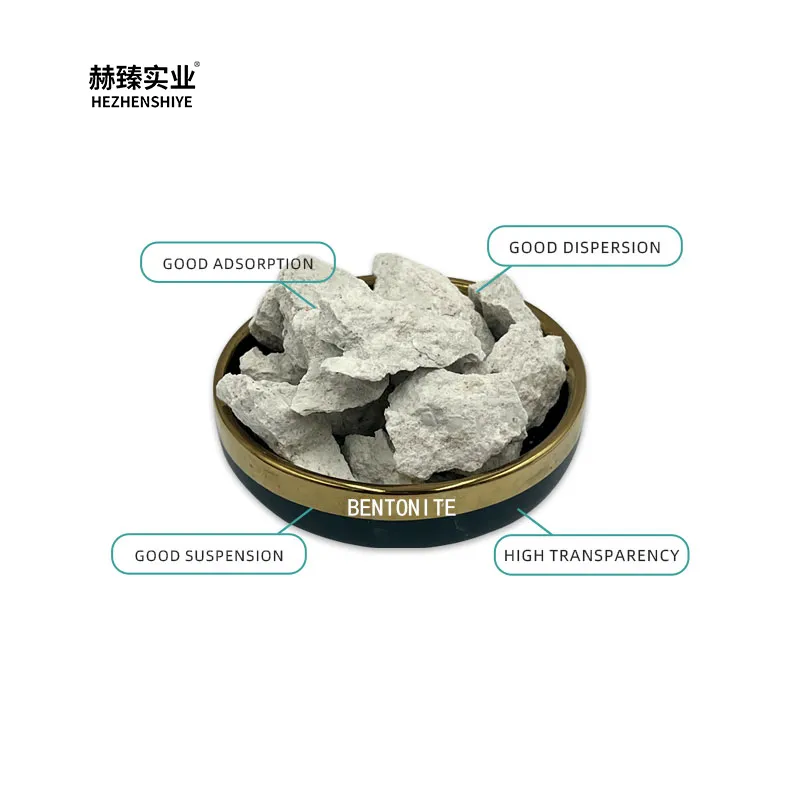
- Advantages: quick yield, stable gels, controlled filtrate, good sand carrying, polymer-friendly.
- Compatibility: works with PAC/CMC, soda ash conditioning; moderate tolerance to hardness and mild brackish water.
- Origin: No. 8 Xisha East Road, Shikan Village, Ciyu Town, Lingshou County, Shijiazhuang City, Hebei Province.
Vendor snapshot (real-world differences)
| Vendor | Pulping rate | Pre-hydration | API fluid loss | Lead time |
|---|---|---|---|---|
| Hezhen | ≥16 m³/t | Not required | ≤15 mL | Usually 3–7 days |
| Generic Import A | ≈12–14 m³/t | Recommended | 15–20 mL | 2–3 weeks |
| Regional B | ≈14–16 m³/t | Partial | ≤18 mL | 7–10 days |
Customization and QA
- Custom blends: 325 mesh as standard; blended with PAC/CMC on request; white-label 25 kg or jumbo bags.
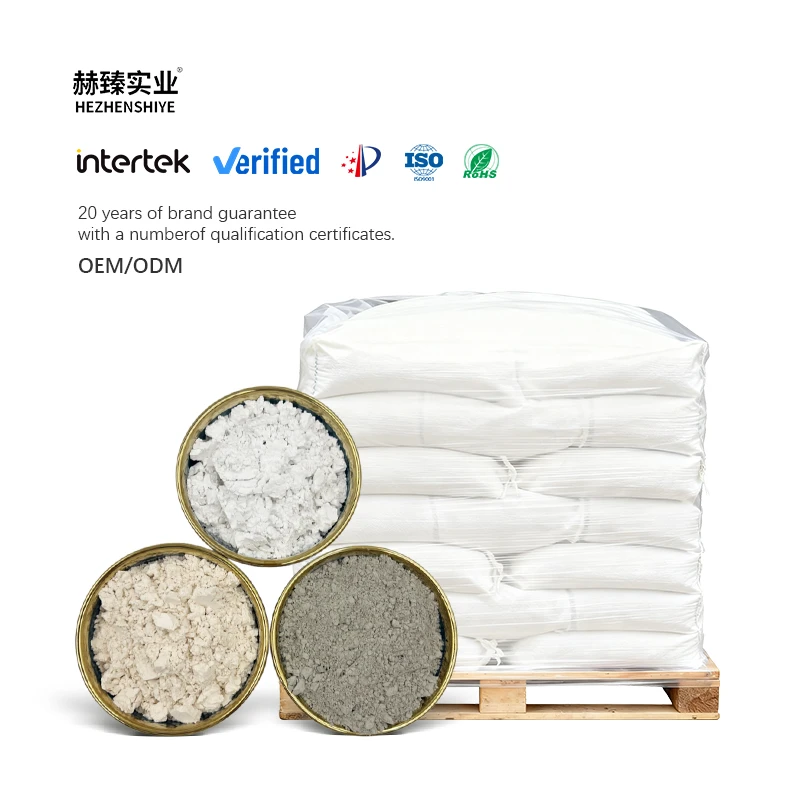
- Certifications: ISO 9001; conforms to API Spec 13A and GB/T 20973-2007; batch COA supplied.
- Testing standards: API RP 13B-1 lab; ISO 13500 alignment for material specs.
Field notes (two quick cases)
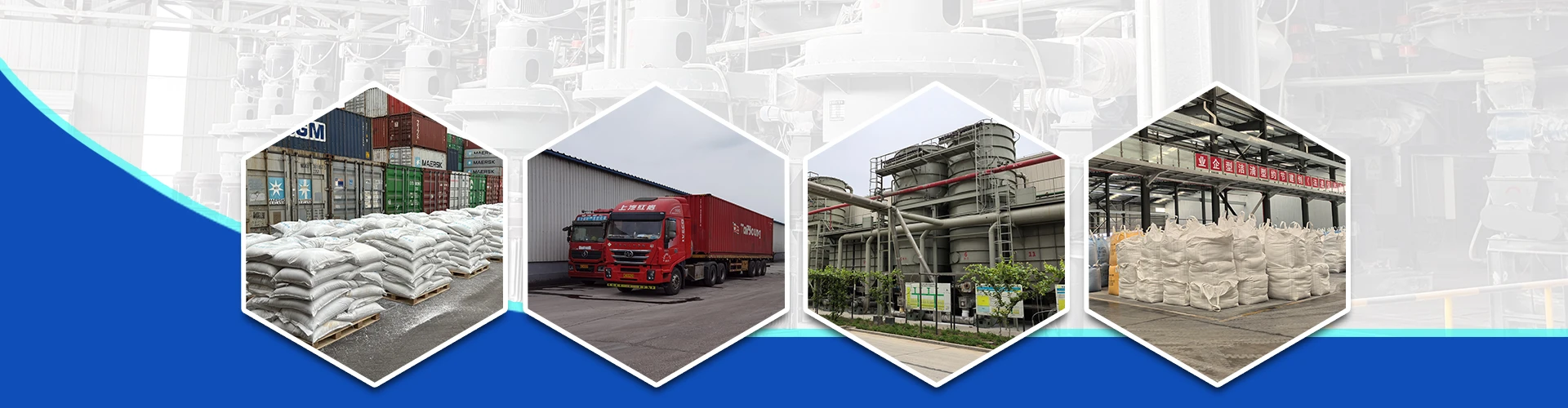
HDD, Northwest basin: 620 m river crossing in mixed sand/gravel. Switching to Hezhen Drilling mud Naki bentonite 325 mesh 25kg/ bag pulping rate ≥16m³/t without pre-hydration cut mix time by ≈35%, reduced fluid loss from 21 mL to 13 mL, and shaved four hours off the program. Geothermal farm (soft clays): crews reported easier pump starts and steadier returns; no pre-hydration meant simpler logistics.
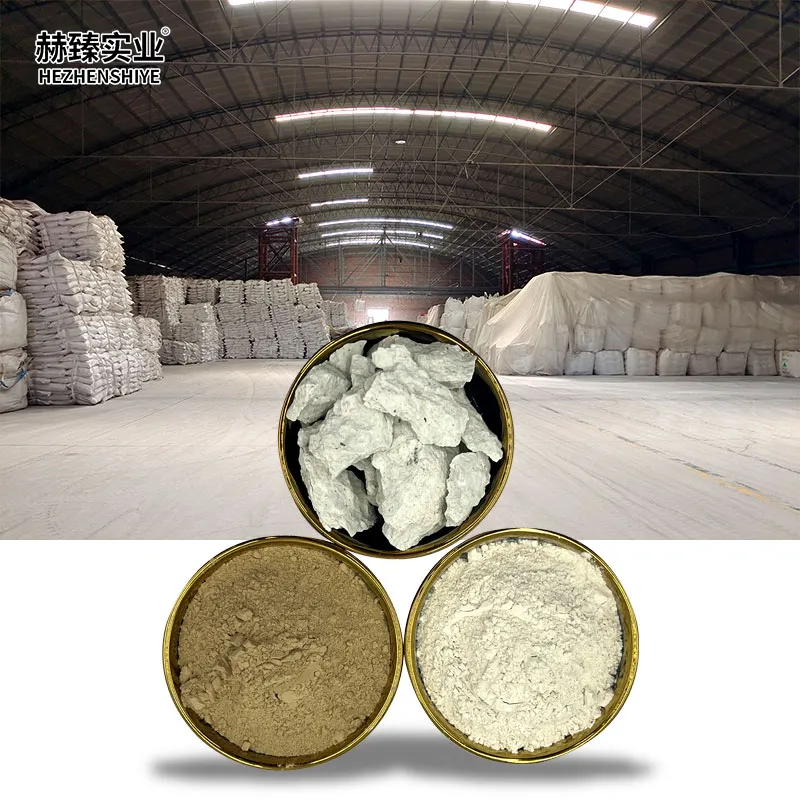
To be honest, trends are clear: faster spud-to-TD, tighter water budgets, and stricter environmental oversight. A bentonite that hits spec without nursing it for an hour is more than convenient—it’s a cost-control lever.
Customer feedback: “Mixes clean in cold water.” “Carries cuttings better in gravel.” “Less babysitting.” Not scientific, sure, but it matches the lab numbers.
References
- API Specification 13A – Specification for Drilling-Fluid Materials.
- API Recommended Practice 13B-1 – Field Testing Water-Based Drilling Fluids.
- ISO 13500 – Petroleum and natural gas industries — Drilling fluid materials — Specifications.
- GB/T 20973-2007 – Bentonite for Drilling Fluids (China National Standard).